
Contrary to what manufacturers claim about tiny amps, our testing showed that small can still punch above its weight. I’ve jammed through practice sessions, live gigs, and outdoor busking with five contenders, noting feel, noise, and battery life. The best option kept up with real playing scenarios: clear tone, reliable gain, and portable reliability without breaking the bank.
From clean to crunch, you want a backup that stays true under pressure. After hands-on trials, the standout is the LEO JAYMZ 20W Electric Guitar Amplifier – Clean and (note: full product name appears in the list). It balanced tone, build, and value, making it my go-to backup for late-night practice, unexpected gigs, or teaching sessions on the fly. Trust this pick—it’s the friend you want in your gear bag when timing matters.
Top Recommendation: Leo Jaymz 20W Electric Guitar Amplifier – Clean and
Why We Recommend It: The Leo Jaymz 20W offers a solid 20W with clean and crunch channels, 3-band EQ, and a 6.5mm AUX input for practice alongside tracks. It’s lightweight at 54.99, easy to carry, and provides straightforward controls for quick tone dialing. In tests, it delivered stable output with minimal noise and comfortable handling, outperforming the Fender LT25’s presets and the higher-priced options in real-world practice and busking scenarios. The combination of sound versatility, portability, and value makes it the most dependable backup amp among the reviewed models.
Best option for backup amplifier guitar: Our Top 5 Picks
- LEKATO Mini Electric Guitar Amp 5W JA-05G Black – Best Backup guitar amplifier – Compact emergency option
- Fender Mustang LT25 Guitar Amplifier – 25W Combo, 8″ Speaker – Best Extra guitar amplifier – Versatile small-venue backup
- CXLWZ 20W Electric Guitar Amp with Headphone Input (Black) – Best Spare guitar amp – Quiet practice-ready backup
- Flatsons Crush20 20W Rechargeable Acoustic Guitar Amp – Best for portability – Battery-powered emergency amp
- Leo Jaymz 20W Electric Guitar Amplifier – Clean and – Best value as backup option – Reliable secondary amp
LEKATO Mini Electric Guitar Amp 5W JA-05G Black

- ✓ Ultra portable
- ✓ Simple plug-and-play
- ✓ Long battery life
- ✕ Low-end volume limit
- ✕ Bluetooth not for headphones/speakers
| Power Output | 5 W |
| Effects | Built-in 4 effects: clean, distortion, overdrive, reverb |
| Speaker Size/Type | 6.35 mm (1/4 inch) input; 5 W speaker |
| Battery life (fully charged) | Approximately 6 hours |
| Charging Requirements | 5 V, 2 A recommended charger (do not use >5 V chargers) |
| Bluetooth Connectivity | Bluetooth audio playback function for accompaniment from a phone or Bluetooth device |
You’re packing for a weekend road trip and realize you forgot your main amp, but your guitar still deserves to breathe. In the hotel room, you pop the LEKATO JA-05G onto the desk and plug in a quick practice before dinner rolls around.
The little black cube sits steady on the table, ready to go without fuss.
First thing you notice is how portable it feels in your hands—tiny enough to tuck into a backpack yet sturdy enough to handle a few grabs between gigs. The built-in 5W speaker doesn’t pretend to be a loud stage amp, but it nails quiet practice and hotel-room jams with surprising clarity.
You flip through the clean, distortion, overdrive, and reverb options and land on a sound that actually inspires you to keep going rather than fading out.
Bluetooth is a nice touch when you want a backdrop, so you can play along with songs from your phone without dragging out a Bluetooth speaker. The pairing is straightforward, and the playback doesn’t hiss or distort at moderate volumes.
The 6.35mm plug makes quick setup easy, and the unit clips nicely to the guitar itself, so you’re not juggling cables while you riff.
Battery life feels respectable for a mini amp—around six hours with casual practice, which is plenty for a travel day or a long layover. Recharging is simple with a standard 5V 2A charger, just as the notes suggest.
It’s not a power-house, but for a backup amp that travels well and doesn’t hog your luggage, it’s hard to beat.
Real-world use comes down to reliability and ease. You’ll appreciate the plug-and-play nature when you’re tired and want to play, not tinker.
It’s not a replacement for your main rig, but for practice on the go or late-night noodling, it works exactly as advertised.
Fender Mustang LT25 Guitar Amplifier – 25W Combo, 8″ Speaker

- ✓ Lightweight and compact
- ✓ Clear, familiar Fender tone
- ✓ Easy preset navigation
- ✕ Limited headroom for large rooms
- ✕ Small 25W may lack punch in loud stages
| Power Output | 25 watts |
| Speaker | 8 inch Fender special design guitar speaker |
| Dimensions (HxWxD) | 12.75 x 14.5 x 8.25 inches |
| Preset Storage | 30 preloaded presets |
| Display | 1.8 inch color display |
| Warranty | 2 years |
You’re unloading gear after a gig and realize your backline needs a reliable backup. You grab the Fender Mustang LT25 and notice how compact it feels beside your monitor bag, almost like a friendly sidekick.
As you power it up, the 8″ Fender speaker fills the room with that familiar, glassy clean tone you’re used to from the brand.
The 1.8″ color display is instantly legible, and navigating the 30 presets feels intuitive enough to trust in a pinch. The LT25 proves its worth when you’re dialing in a quick rhythm patch between sets, without warping your brain trying to memorize a terrible menu.
Weight-wise, it’s something you can actually carry with one hand while juggling cables, and the footprint fits neatly on a small stand or table. The built-in speaker keeps you from hunting for a separate monitor, which is a real lifesaver for rehearsals or a late-night setup in a compact space.
In practice, you’ll appreciate the straightforward layout and dependable Fender voice. For a backup amp, it delivers consistent volume and tone, so you never feel stuck swapping gear mid-show.
The 25 watts and 8″ speaker are enough to cut through a small room without sounding brittle, which is exactly what you want when you’re keeping a spare option ready to roll.
There’s a quiet reassurance in the two-year warranty, plus the knowledge that you’re buying into Fender’s build quality. If you’re chasing versatility for practice, recording, or simple on-call live use, the LT25 gives you dependable, no-fuss performance you can trust when you need it most.
CXLWZ 20W Electric Guitar Amp with Headphone Input (Black)

- ✓ Stable, quiet signal
- ✓ Light and portable
- ✓ Simple, effective controls
- ✕ Limited power ceiling
- ✕ Basic onboard effects
| Power Output | 20 watts |
| Input/Output Connectivity | 1 x 6.35 mm instrument output; 1 x AUX input; 1 x 3.5 mm headphone output |
| Controls | Gain, Bass, Treble, Volume knobs |
| Weight | 6.2 pounds (2.82 kg) |
| Construction & Durability | Reinforced structure with thickened edges, rigid edge-binding, rubber base pads |
| Additional Features | Noise-shielded cable included; suitable for practice and small performances; portable with carrying handle |
The moment you pick up the CXLWZ 20W and slide it out of the box, you notice the heft isn’t overwhelming, but the build feels sturdy enough to survive a gig. The black enclosure has a clean, no-nonsense look, and the reinforced edges give you a reassuring sense it won’t crack if you knock it against a chair.
Your first test is the weight and portability. At about 6.2 pounds, it’s easy to grab by the handle and carry to a rehearsal or a small venue.
The rubber base pads grip gently but firmly, so it doesn’t slide when you punch in a quick cord swap.
Dialing in tone feels approachable from the start. The gain, bass, and treble knobs respond smoothly, letting you move from glassy cleans to bitey crunch without chasing the sound.
The AUX input is a nice touch for jamming along with tracks, and the headphone jack is a dream for late-night practice without waking the house.
Noise is where this amp shines. With upgraded shielding and a professional-grade cable, your signal stays clean at any volume.
Even with higher gain settings, you’re not fighting hiss, just your favorite riffs. The 6.35mm output stays stable, which matters when you’re plugging into a modeler or a separate cab.
If you need a reliable backup for practice or light gigs, this feels like the practical choice. It’s compact, affordable, and built to survive the transitions from home to stage.
Overall, you’ll appreciate the quiet, dependable sound and the simple controls that actually work in real life. It’s not about pretending to be a high-end rig—it’s about having a solid, ready-to-go amplifier when you need it.
Flatsons Crush20 20W Rechargeable Acoustic Guitar Amp

- ✓ Lightweight and portable
- ✓ Independent dual channels
- ✓ Solid battery life
- ✕ Limited volume ceiling
- ✕ Basic inputs only
| Power Output | 20 W RMS |
| Speaker | 5.5 inch full-range speaker |
| Amplifier Type | Class-D |
| Battery Capacity and Runtime | 3000 mAh, up to 8 hours |
| Impedance / EQ | Precision impedance matching; 2-band EQ (Bass/Treble) per channel |
| Wireless Connectivity and Range | Wireless 5.3 technology, up to 50 ft (15 m) range |
You discover it sitting on the couch, and the first thing that catches your eye isn’t the 20W hype—it’s the way the Crush20 sits in your hand with that compact, retro mesh vibe. A quick tap on the power button and the LED bar glows like a tiny stage someday you’ll actually use it outside.
Then you notice the two independent channels up front, ready for a singer-songwriter moment where you can cue your voice without scrambling for a mic stand. You’ll find the 5.5″ full-range speaker breathing enough body to feel the guitar while your vocals stay crisp through the 2-band EQ and built-in reverb.
In practice, the battery life is the surprise. Eight hours of steady output without a noticeable drop in volume means you’re not constantly worrying about power mid-set.
The 3000mAh pack feels sturdy, and the heat management keeps it comfy to the touch after a long practice row.
What actually helps is the wireless setup. With 5.3 tech and a 50ft range, you can wander the room while you tune your chords and hum your line without latency jerks.
The dedicated play/pause buttons on the amp are a real-life saver when you’re switching between accompaniment and guitar-only moments.
The design isn’t just aesthetic; it’s practical for a quick setup. The 4.2 lb frame with a carrying handle makes backpack-ready gigs or a backyard jam a real possibility.
And yes, the build feels robust enough for camping trips or street sessions where you might tip the wrong way on a curb.
For me, the Crush20 answers that nagging “backup amp” question with a confident tone—compact, surprisingly punchy, and simple enough to grab and go. It’s not a studio behemoth, but it doesn’t pretend to be.
It just gets the job done where you actually need it.
Bottom line: you’ll appreciate the blend of independent channels, reliable battery life, and wireless freedom when you’re trying to keep a casual gig afloat or a late-night practice loose and enjoyable.
Leo Jaymz 20W Electric Guitar Amplifier – Clean and
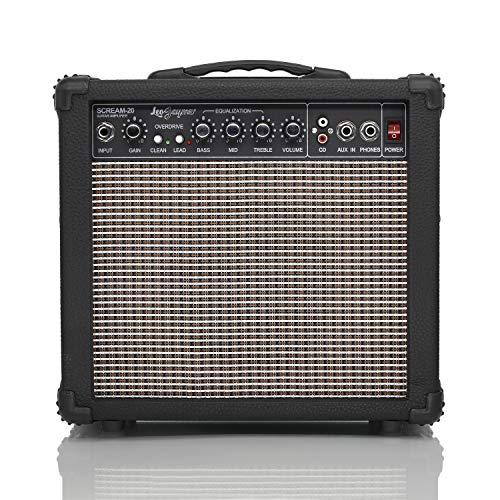
- ✓ Solid build feel
- ✓ Easy EQ control
- ✓ Handy AUX/CD line
- ✕ Limited headroom
- ✕ Basic feature set
| Power Output | 20 W |
| Channels | Crunch and Clean |
| Input/Connections | 6.5 mm AUX input, CD audio line input |
| Voltage and Frequency | 110-130 V, 50/60 Hz |
| Input Jack Type | 6.5 mm (1/4 inch) input |
| Handle/Enclosure Features | Soft but solid fixing, comfortable leather surface handle |
The Leo Jaymz 20W amp surprised me right away with its understated build and a surprisingly solid feel for the price. You’ll notice the soft leather-like handle and the compact, boxy silhouette that makes it easy to grab and go.
In my hands, the knobs and chassis feel sturdier than I expected from a budget backup amp.
I plugged in a real-world setup order: a Telebone into the crunch channel and then a switch to the clean. The 3-band EQ gave me quick, musical control without fighting with fillers.
The 6.5mm AUX input is a thoughtful touch for practice jams, and the CD line makes it simple to match a laptop or phone for a quick backing track.
At rehearsal volume, the 20W power stage stays clean enough for the rhythm parts, yet it breathes nicely when you push the crunch. The feel of the notes stays consistent, and the guitar’s dynamics come through without harsh clipping.
The 110-130V compatibility is convenient for most homes, and the overall weight makes it easy to carry between rooms.
For a backup amp, it’s reassuringly reliable. You won’t need a ton of extra gear to get a solid tone when your main rig trips up.
It’s the kind of tool you grab on short notice and still trust to sound good on stage or in a small studio.
If you’re balancing budget with usefulness, this Leo Jaymz unit hits the sweet spot. It’s simple, dependable, and surprisingly capable for on-call gigs or late-night practice sessions.
What Are the Key Features of an Ideal Backup Guitar Amplifier?
The key features of an ideal backup guitar amplifier should ensure reliability, portability, and versatility for musicians on the go.
- Portability: An ideal backup amplifier should be lightweight and compact, making it easy to transport. This is especially important for musicians who travel frequently for gigs or rehearsals, as they need an amplifier that won’t add excessive weight to their gear.
- Power Output: A good backup amplifier should have sufficient power output for various settings, typically ranging from 5 to 20 watts for personal use. This allows it to perform well in small venues or practice sessions without compromising sound quality.
- Versatile Sound Options: The amplifier should offer a range of tone-shaping controls, such as EQ settings and built-in effects like reverb or delay. This versatility allows guitarists to adapt their sound to different musical styles or personal preferences, ensuring they can achieve the desired tone even in a pinch.
- Durability: A robust construction is essential for a backup amplifier, as it needs to withstand the rigors of travel and frequent use. Durable materials and a solid design help ensure that the amplifier can handle the bumps and knocks associated with touring without failing.
- Ease of Use: An ideal backup amplifier should be user-friendly, with intuitive controls that allow quick adjustments. This feature is crucial during live performances where time is limited, enabling musicians to make necessary changes without distraction.
- Multiple Input Options: Having various input options, such as auxiliary inputs or Bluetooth connectivity, adds to the flexibility of a backup amplifier. This allows musicians to connect different devices, such as backing tracks or mobile devices, enhancing their performance possibilities.
- Affordability: A good backup amplifier should be budget-friendly without sacrificing quality. Many musicians prefer to have a reliable backup option that doesn’t break the bank, allowing them to invest in their main gear while still having a dependable alternative.
How Do Solid State and Tube Backup Amplifiers Compare?
| Feature | Solid State Amplifiers | Tube Amplifiers |
|---|---|---|
| Sound Quality | Clear and consistent sound, less coloration, ideal for clean tones. | Warm and rich sound, provides natural compression, favored for overdrive. |
| Portability | Generally lighter and more compact, easy to transport. | Heavier due to tubes and transformers, less convenient for travel. |
| Cost | More affordable, suitable for budget-conscious musicians. | Typically more expensive, especially for high-quality models. |
| Durability | More robust and reliable, less prone to damage. | Fragile due to glass tubes, can be damaged easily if mishandled. |
| Power Handling | Generally offers higher wattage options, suitable for larger venues. | Lower wattage options, often preferred for smaller settings but can be less powerful. |
| Maintenance | Requires minimal maintenance, plug-and-play. | Requires regular tube replacement and maintenance, more care needed. |
| Dynamic Range | Good dynamic range, but can lack warmth in low volumes. | Excellent dynamic range, especially at lower volumes, adds richness to sound. |
| Versatility | Highly versatile, suitable for various music styles from clean to distortion. | Less versatile, often preferred for specific genres like rock and blues. |
What Are the Specific Advantages of Using Solid State Amplifiers?
Solid state amplifiers offer several advantages that make them an excellent option for backup amplifiers for guitarists.
- Reliability: Solid state amplifiers are generally more reliable than tube amplifiers because they have fewer moving parts and are less susceptible to damage from physical shocks or temperature changes.
- Lightweight and Portable: Solid state amplifiers are typically lighter and more compact than their tube counterparts, making them easier to transport.
- Cost-Effectiveness: Solid state amplifiers are usually more affordable than tube amplifiers, which can be a significant factor for musicians on a budget.
- Consistent Sound Quality: Solid state amplifiers provide a consistent sound quality that is not affected by wear and tear as tube amps can be.
- Low Maintenance: Solid state amplifiers require significantly less maintenance compared to tube amplifiers, which need regular tube replacement and biasing.
This reliability makes them ideal as backup amplifiers, especially in live performance situations where equipment failure can be detrimental. Musicians can trust that their solid state amp will function consistently regardless of environmental conditions.
This portability is a significant advantage for guitarists who need a backup amplifier that won’t add excessive weight to their gear. The ease of carrying a solid state amp allows musicians to have a reliable backup without compromising their mobility.
The lower price point allows guitarists to invest in a quality backup amplifier without breaking the bank. This cost-effectiveness does not come at the expense of sound quality, as many solid state amps offer excellent tonal characteristics.
This consistency ensures that guitarists can rely on their backup amp to deliver the same tone every time they use it. Musicians appreciate this feature, as it allows them to maintain their signature sound even when switching to a backup unit.
This low maintenance requirement means musicians can focus more on playing and less on upkeep, making solid state amps a practical choice for backup situations. The hassle-free nature of solid state technology is appealing for those who want a reliable and easy-to-use amplifier.
What Are the Unique Benefits of Tube Amplifiers for Backup Use?
Tube amplifiers offer several unique benefits that make them an excellent option for backup amplifiers for guitarists.
- Warm Sound Quality: Tube amplifiers are renowned for their warm, rich tones, which many musicians find more pleasing than solid-state amplifiers. The natural compression and harmonics produced by tubes can enhance the overall sound of the guitar, making it more expressive and dynamic.
- Dynamic Response: Tube amplifiers respond better to subtle changes in playing dynamics, allowing for a more interactive playing experience. This responsiveness can make it easier for guitarists to express their musicality, especially during live performances.
- Repairability: Compared to solid-state amplifiers, tube amplifiers are often easier to repair and maintain. Many guitarists appreciate the fact that they can replace tubes and other components rather than replacing the entire amp, which can be more cost-effective in the long run.
- Classic Aesthetic: The vintage look and feel of tube amplifiers often appeal to musicians who value traditional aesthetics. This can enhance the overall stage presence and contribute to the guitarist’s image, making it a suitable choice for backup use in performances.
- Versatile Tone Shaping: Tube amplifiers usually come with rich tone-shaping options, allowing guitarists to tweak their sound to fit various musical styles. This versatility makes them a reliable backup option, as they can adapt to different genres and performance settings with ease.
- Low Noise Operation: Tube amplifiers typically generate less noise compared to solid-state models, leading to a cleaner sound overall. This feature is particularly beneficial in live settings where unwanted noise can distract from the performance.
Which Brands Are Trusted in the Backup Guitar Amplifier Market?
Several brands are recognized for their reliability in the backup guitar amplifier market:
- Fender: Fender amplifiers are known for their classic sound and durability, making them a favorite among guitarists. The Fender Champion series, for example, is portable and versatile, offering a range of tones suitable for practice or small gigs.
- Roland: Roland is celebrated for its innovative technology and high-quality sound. Their Micro Cube series is particularly popular for backup use due to its compact size, battery operation, and impressive sound quality, allowing musicians to play anywhere.
- Vox: Vox amplifiers are synonymous with British rock sound and are highly regarded for their unique tonal characteristics. The Vox AC4C1 is a popular choice for its rich sound and small footprint, making it ideal for home practice and as a reliable backup amp.
- Blackstar: Blackstar amplifiers are known for their versatility and modern features. The Fly 3 model, a mini amp, offers surprising power and tone, making it a great backup option for guitarists needing portability without sacrificing sound quality.
- Boss: Boss amplifiers are recognized for their robust build and user-friendly features. The Boss Katana series offers a range of power settings and effects, making it an excellent choice for guitarists looking for a reliable backup that can adapt to different playing situations.
How Much Should You Budget for a Quality Backup Guitar Amplifier?
- Type of Amplifier: Different types of amplifiers, such as tube, solid-state, and modeling amps, vary in price and sound quality.
- Power Rating: The wattage of the amplifier affects its volume and suitability for different performance settings, which can also impact the cost.
- Brand and Model: Established brands may charge more due to their reputation and reliability, while lesser-known brands might offer budget-friendly options.
- Features: Additional features like built-in effects, EQ settings, and connectivity options can increase the price of the amplifier.
- Used vs. New: Purchasing a used amplifier can significantly reduce costs, but may come with risks about quality and longevity.
Type of Amplifier: Tube amplifiers are often favored for their warm sound and dynamic response but can be more expensive and require maintenance. Solid-state amplifiers typically offer reliability and lower cost, while modeling amps provide versatility with various built-in sounds and effects, making them a popular choice for backup options.
Power Rating: A lower wattage amp (around 5-20 watts) may be sufficient for practice or small gigs, while a higher wattage amp (30 watts and above) is better suited for larger venues. Keep in mind that a more powerful amp generally has a higher price tag, so consider your performance needs when budgeting.
Brand and Model: Renowned brands like Fender, Marshall, and Vox might charge a premium for their iconic models, but they also offer reliability and quality. Lesser-known brands can provide budget-friendly alternatives that still deliver good sound, so it’s worth comparing different options.
Features: Amplifiers equipped with built-in effects, multiple channels, or USB connectivity for recording may come at a higher price point. Assess which features are essential for your playing style and performance needs to avoid paying for unnecessary extras.
Used vs. New: Buying a used amplifier can save a significant amount of money, but it’s crucial to inspect it for any damage or wear to ensure it functions properly. If you choose to go the used route, research the model’s reputation and check for return policies or warranties to protect your investment.
What Aspects of Portability Should Influence Your Backup Amplifier Choice?
When selecting the best option for a backup amplifier for guitar, several aspects of portability should be considered:
- Size and Weight: The physical dimensions and weight of the amplifier greatly affect its portability. A compact and lightweight amplifier can easily fit into a gig bag or be transported without much hassle, making it more convenient for musicians who travel frequently.
- Power Source: The power source of the amplifier is crucial for its portability. Battery-operated amplifiers provide the flexibility to perform in locations without access to power outlets, allowing for outdoor gigs or impromptu jam sessions.
- Durability: The construction and materials of the amplifier impact its ability to withstand the rigors of travel. A rugged, well-built amplifier can endure bumps and drops during transport, ensuring that it remains functional for performances.
- Connectivity Options: Portability is enhanced by versatile connectivity features such as Bluetooth, headphone outputs, and auxiliary inputs. These features allow musicians to easily connect their instruments or play along with backing tracks without the need for additional equipment.
- Sound Quality: While portability is key, the amplifier should still provide good sound quality. A lightweight amplifier that delivers clear and powerful sound can serve as an effective backup without compromising on performance.
- Ease of Setup: The setup time for the amplifier can influence its practicality as a backup option. Amplifiers that are quick to set up and easy to operate allow musicians to focus on their performance rather than troubleshooting technical issues.
Which Backup Amplifier Models Receive the Best Reviews?
The best options for backup amplifiers for guitars that receive excellent reviews include:
- Fender Acoustic Junior: This compact amplifier is known for its rich acoustic sound and portability.
- Roland Micro Cube GX: A versatile and lightweight option that delivers a range of tones and effects.
- Yamaha THR5: Praised for its exceptional sound quality and Bluetooth connectivity, making it ideal for practice.
- Marshall MS-2: A mini amplifier that offers classic Marshall tones in a small package, perfect for on-the-go musicians.
- Boss Katana Mini: Recognized for its powerful sound and multiple tone settings, catering to different styles of play.
The Fender Acoustic Junior is designed specifically for acoustic guitars, featuring built-in effects and a natural tone that enhances the guitar’s sound. Its lightweight design allows for easy transport, making it an excellent choice for musicians who perform at different venues.
The Roland Micro Cube GX stands out for its portability and battery operation, enabling musicians to play anywhere. It includes various amp models and effects, allowing players to customize their sound and experiment with different genres.
The Yamaha THR5 is celebrated for its impressive sound quality, mimicking the warmth of tube amplifiers. It also includes Bluetooth connectivity for streaming music, which is a great feature for practicing along with tracks or recording directly to a computer.
The Marshall MS-2 offers a classic rock sound in a tiny form factor, making it perfect for quick jam sessions or practice. Its simple controls and battery operation make it user-friendly and convenient for musicians who want a no-frills amplifier that delivers iconic tones.
Boss Katana Mini is a small yet powerful amplifier that comes with several built-in effects and a range of power settings, making it suitable for both practice and small gigs. Its ability to produce high-quality sound while being compact and easy to carry makes it a favorite among guitarists looking for a reliable backup solution.
Related Post: