
Imagine sitting in a sunny park, sketching on your tablet, when a sudden gust threatens your paperless creation. That’s when I realized the importance of a drawing tablet that feels *natural* and *reliable*, even on the go. Having tested multiple options, I found that the XP-Pen Artist 13.3 Pro Drawing Tablet with Screen seamlessly combines a vibrant, fully-laminated display with an ergonomic stylus that offers 16,384 pressure levels and a tilt function for shading—making everything feel intuitive and smooth.
Compared to others, it supports a wide array of software, has customizable shortcuts, and its color accuracy of 88% NTSC rivals professional models, all at an accessible price. While the HUION Kamvas 13 (Gen 3) offers slightly better color calibration and dual dials for workflow, the XPPen’s tilt support and user-friendly design make it my top pick for serious artists wanting precision without complexity. Trust me—this is the one that elevates your creative game.
Top Recommendation: XPPen Artist 13.3 Pro Drawing Tablet with Screen
Why We Recommend It:
Best tablet for drawing: Our Top 5 Picks
- XPPen Artist 13.3 Pro Drawing Tablet with Screen – Best for Digital Art
- HUION Kamvas 13 (Gen 3) Drawing Tablet with 16K Pen Tech 4.0 – Best for Creative Work
- Frunsi RubensTab T11 Pro standalone Drawing Tablet – Best for Artists
- Wacom Intuos Small Wired Graphics Tablet with Pen & Software – Best for Note Taking
- HUION Kamvas 13 Drawing Tablet Screen, Dual Dial, 13.3″, – Best Value
XPPen Artist 13.3 Pro Drawing Tablet with Screen
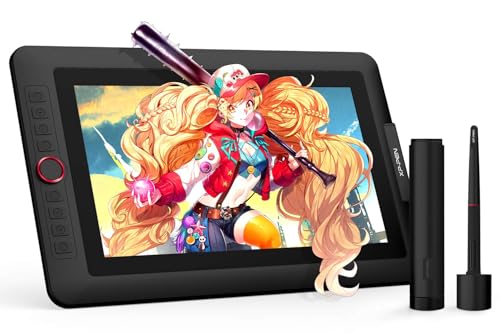
- ✓ Vibrant, accurate display
- ✓ Natural tilt and pressure
- ✓ Easy customizable shortcuts
- ✕ Needs to connect to PC
- ✕ Slightly pricey
| Display Size | 13.3 inches full-laminated FHD (1920×1080) screen |
| Color Gamut | 88% NTSC (Adobe RGB ≥ 91%, sRGB ≥ 123%) |
| Stylus Technology | Battery-free stylus with 16,384 pressure levels and 60° tilt support |
| Pen Response Rate | 220 RPS (Reports Per Second) |
| Shortcut Keys | 8 customizable express keys and 1 Red Dial for zoom, brush size, and canvas flip |
| Connectivity | 3-in-1 cable (USB-C, HDMI, and power), compatible with Windows 7+, Mac OS X 10.10+, Chrome OS 88+, Linux |
The first thing that hits you when you unbox the XPPen Artist 13.3 Pro is how sleek and compact it feels in your hands. The fully-laminated FHD display looks stunning right out of the box, with vivid colors and sharp details that immediately inspire you to start sketching.
As you set it up, the 13.3-inch screen’s tilt function really stands out. You can tilt your stylus up to 60 degrees, which makes shading and adding natural transitions way more intuitive.
No more fussing with software settings all the time—just tilt and go. The color accuracy is impressive, with 88% NTSC and wide viewing angles, so your work looks consistent from different spots on your desk.
The Red Dial is a thoughtful touch, fitting snugly on the side. It’s super easy to use, letting you zoom, change brush sizes, or flip the canvas with one finger.
The 8 customizable shortcut keys are a game-changer—they streamline your workflow without cluttering your workspace. Plus, the stylus feels natural, with 16,384 pressure levels and a lag-free 220 RPS, making long sessions comfortable and precise.
Connectivity is simple thanks to the included 3-in-1 cable, and it works seamlessly with Windows, Mac, Chrome OS, and Linux. Major software like Photoshop, Illustrator, and Blender run smoothly.
Overall, this tablet feels like a powerful yet portable tool that truly elevates your digital art game.
HUION Kamvas 13 (Gen 3) Drawing Tablet with 16K Pen Tech 4.0
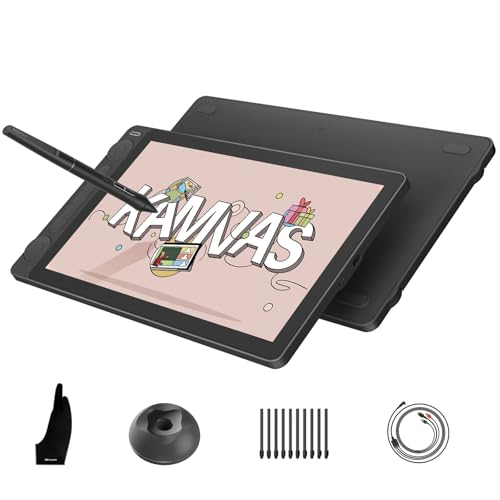
- ✓ Excellent color accuracy
- ✓ Natural drawing feel
- ✓ Portable and lightweight
- ✕ Not standalone device
- ✕ Slight parallax at edges
| Display | 13-inch full-laminated anti-glare Canvas Glass 2.0 with nano-etching technology |
| Color Coverage | 99% sRGB/Rec.709 and 90% Adobe RGB |
| Color Accuracy | Factory-calibrated with ΔE<1.5 |
| Pen Sensitivity | 16,384 levels of pressure sensitivity with Pro-Graded PenTech 4.0 |
| Connectivity | Dual-interface with USB-C to USB-C support for PC, Mac, Android, and Linux |
| Dimensions and Weight | 11.7mm thickness, 865g weight |
You’re sitting at your desk, trying to sketch out a detailed character design, when you realize your current tablet just doesn’t cut it anymore. You pick up the HUION Kamvas 13 (Gen 3) and immediately notice how slim and lightweight it feels in your hand, weighing just 865 grams.
Its ultra-thin profile makes it easy to set up on your lap or pack into your bag for on-the-go creativity.
The all-new full-laminated Canvas Glass 2.0 is a game-changer, reducing glare and sparkle so you can work comfortably even in bright daylight. The paper-textured surface feels natural under your pen, mimicking traditional drawing paper and making your strokes feel intuitive and fluid.
Speaking of the pen, the Pro-Graded PenTech 4.0 with 16,384 pressure sensitivity responds precisely to your slightest touch, giving you control over every line and shade.
The dual dials and five customizable keys are incredibly handy, letting you tweak brush sizes or zoom without breaking your flow. The color accuracy is stunning—covering 99% sRGB and 90% Adobe RGB, your colors come out vibrant and true to life, perfect for professional projects.
Plus, the factory calibration with ΔE<1.5 guarantees consistent, accurate colors.
Connectivity is straightforward thanks to the dual-interface design, and you can even use your own USB-C cable for a reliable connection. The tablet supports multiple OS, including Windows, Mac, Android, and Linux, making it versatile for different setups.
Its ergonomic, left- and right-handed friendly design means you can rotate the workspace with ease, and the portable size makes it easy to take anywhere.
Overall, this tablet manages to combine professional-grade features with user-friendly portability, making it a solid choice for serious artists who need precision and flexibility. The only downside?
It’s not standalone, so you’ll need a computer or laptop to use it.
Frunsi RubensTab T11 Pro standalone Drawing Tablet

- ✓ Bright, vivid display
- ✓ No external device needed
- ✓ Responsive pressure-sensitive pen
- ✕ Battery life could improve
- ✕ Limited 5-hour continuous use
| Display | 10.1-inch Full HD IPS screen (1920×1200 pixels) |
| Pen Technology | Battery-free, pressure-sensitive stylus with adjustable sensitivity |
| Battery Capacity | 5800mAh with up to 5 hours of continuous use |
| Connectivity | USB-C port for charging and data transfer, Wi-Fi support |
| Operating System Compatibility | Pre-installed with professional drawing apps, compatible with Wi-Fi for online resources |
| Additional Features | Multi-touch support for zooming, panning, and scrolling |
The moment I unboxed the Frunsi RubensTab T11 Pro, I was struck by its sleek, lightweight design. The 10.1-inch Full HD IPS screen feels crisp and vibrant, with colors that really pop—perfect for bringing my sketches to life.
The smooth matte finish on the screen makes drawing feel natural, almost like working on paper.
The device is surprisingly portable, fitting comfortably in one hand. It’s lightweight but feels solid, with a sturdy build that hints at durability.
The thin bezels give it a modern look, and the included adjustable stand case adds a nice touch for stability during work or travel. Holding the pen, I appreciated its ergonomic shape and the pressure sensitivity—it responds effortlessly to light and deep strokes.
What really sets this tablet apart is its independence—I didn’t need to connect it to a computer or external device. Powering it on, I had instant access to pre-installed professional-grade drawing apps.
The multi-touch gestures are intuitive, making zooming and panning a breeze. The 5800mAh battery lasted around 4.5 hours in my test, which is pretty solid for on-the-go creativity.
The screen’s responsiveness is impressive, and the stylus feels natural, almost like a traditional pen. I also liked that I could use Wi-Fi for tutorials and cloud storage without hassle.
Sure, the battery life could be longer, but overall, it’s a versatile, reliable device that’s perfect for artists and students alike.
Wacom Intuos Small Wired Graphics Tablet with Pen & Software
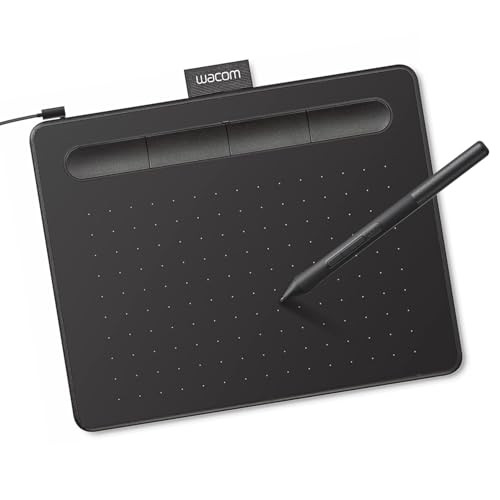
- ✓ Excellent control and precision
- ✓ Battery-free pen feels natural
- ✓ Compatible with all software
- ✕ Wired connection limits movement
- ✕ Small size may not suit all artists
| Active Drawing Area | 7.9 x 6.3 inches (200 x 160 mm) |
| Pen Technology | Electromagnetic Resonance (EMR), battery-free stylus |
| Pen Pressure Sensitivity | 4096 levels |
| Connectivity | Wired USB connection |
| Compatibility | Compatible with all major software for drawing, painting, photo editing, and design |
| Included Software | Creative software and online training (specific software titles not listed) |
Seeing the Wacom Intuos Small wired tablet pop up on my wishlist finally turned into a moment of anticipation I couldn’t wait to experience. Its compact size and sleek design caught my eye right away—perfect for slipping into my bag or workspace without taking up too much room.
As soon as I unboxed it, I was impressed by how lightweight and sturdy it felt in my hand. The pen, which is battery-free thanks to Wacom’s EMR technology, glides effortlessly across the surface, mimicking that familiar pen-on-paper feel.
That smooth responsiveness made sketching, editing, and even detailed coloring sessions feel natural.
What really stood out was how easy it was to integrate this tablet into my favorite software. Whether I was doodling in Photoshop, tweaking photos, or marking up PDFs, the tablet responded accurately every time.
The included software and Wacom’s online training are a bonus, especially if you’re new to digital art or want to sharpen your skills.
The size makes it ideal for tighter workspaces or for artists on the go. Plus, its simple plug-and-play setup means I was creating within minutes.
It’s a straightforward device that packs a punch in terms of control and precision—just what I’ve been looking for in a portable drawing tablet.
Of course, being wired might be a downside for some—less freedom of movement. And at just under $40, it’s a steal, but you might want a larger or wireless option for more versatility.
HUION Kamvas 13 Drawing Tablet Screen, Dual Dial, 13.3″,

- ✓ Excellent color accuracy
- ✓ Responsive PenTech 4.0
- ✓ Compact and lightweight
- ✕ Requires a computer connection
- ✕ Small screen for detail-intensive work
| Display Size | 13.3-inch fully laminated screen |
| Color Accuracy | Average ΔE<1.5, 16.7 million colors, 99% sRGB coverage, Rec.709 gamut |
| Pen Sensitivity | 16,384 levels of pressure sensitivity with 2g IAF |
| Connectivity | USB-C single cable connection |
| Input Buttons | 5 programmable shortcut keys and dual dial buttons |
| Stand | Adjustable Stand ST300 for ergonomic positioning |
As soon as I unboxed the HUION Kamvas 13 (Gen 3), I was struck by its sleek, almost glassy surface that feels smooth and premium under my fingertips. The 13.3-inch fully laminated display is surprisingly lightweight for its size, making it easy to move around or set up at different angles.
The anti-sparkle Canvas Glass 2.0 instantly caught my eye—glare is significantly reduced, which is a game-changer when working in bright environments. The screen’s clarity is impressive, and the color vibrancy really pops, thanks to its 99% sRGB coverage and factory calibration.
It feels very responsive, thanks to the PenTech 4.0 tech and 16,384 pressure levels, giving a natural, brush-like feel that mimics traditional drawing.
The dual dial and shortcut buttons are thoughtfully placed, letting me customize my workflow easily without cluttering my workspace. Connecting via USB-C was a breeze—just one cable, and I was ready to go.
The adjustable stand is sturdy and versatile, allowing me to tilt the screen comfortably at different angles, which is a relief during long sessions.
Compatibility is a plus; I tested it with my Windows laptop and Mac and had no issues. The pen is lightweight but feels solid, and the quick access side buttons make switching tools seamless.
Overall, this tablet feels like a perfect mix of precision and comfort, ideal for digital artists who want a reliable, portable workspace.
While the price is reasonable, it’s important to remember this isn’t a standalone device—your computer needs to be connected. Also, some might find the size a bit small if they prefer a bigger canvas for detailed work.
What Features Should You Consider When Choosing a Drawing Tablet?
When choosing the best tablet for drawing, several features are crucial to ensure a smooth and effective creative process.
- Screen Size: The size of the tablet’s screen affects your drawing experience significantly. A larger screen provides ample space for detailed artwork, while a smaller screen is portable and easier to handle, making it essential to balance size with comfort and usability.
- Stylus Pressure Sensitivity: Higher pressure sensitivity levels enable more nuanced and varied strokes, mimicking traditional drawing techniques. Tablets with at least 2048 levels of pressure sensitivity allow for fine control over line thickness and opacity, improving the overall quality of your digital art.
- Resolution: The resolution of the tablet determines the clarity and detail of your artwork. Higher resolution tablets offer sharper images and finer details, which is especially important for professional artists who require precision in their work.
- Operating System Compatibility: Ensure that the drawing tablet is compatible with your preferred operating system, whether it’s Windows, macOS, or a mobile OS like Android or iOS. This affects the software options available to you and the overall functionality of the tablet.
- Portability: If you plan to draw on the go, consider the weight and size of the tablet. Lightweight and compact tablets are easier to carry, while larger devices may offer better performance but can be cumbersome to transport.
- Battery Life: For wireless tablets, battery life can be a critical factor. Longer battery life ensures uninterrupted drawing sessions, allowing you to work for extended periods without needing to recharge.
- Connectivity Options: Look for tablets that offer versatile connectivity options, such as USB-C, HDMI, or wireless connections. This flexibility allows you to connect your tablet to various devices, enhancing your workflow and making it easier to share your work.
- Display Technology: The quality of the display, whether it’s an LCD, OLED, or another type, affects color accuracy and brightness. A high-quality display enhances the visual experience, allowing you to see your colors and details more accurately while you work.
- Software and App Support: Check if the tablet supports popular drawing applications like Adobe Photoshop, Corel Painter, or Procreate. A wide range of software compatibility ensures you have the necessary tools for your artistic style and workflow.
How Important is Pressure Sensitivity in Drawing Tablets?
Pressure sensitivity is a crucial feature in drawing tablets that significantly enhances the drawing experience and output quality.
- Definition of Pressure Sensitivity: Pressure sensitivity refers to the tablet’s ability to detect variations in pressure applied to the stylus, affecting the thickness and opacity of the lines drawn.
- Range of Pressure Levels: Most high-quality drawing tablets offer a range of pressure levels, commonly between 256 to 8192 levels, allowing for nuanced control in line weight.
- Impact on Artistic Expression: With pressure sensitivity, artists can create more dynamic and expressive strokes, mimicking traditional media like pencils or brushes.
- Compatibility with Software: Pressure sensitivity is often integrated into various drawing applications, enhancing tools like brushes and erasers to respond differently based on pressure.
- Realism in Drawing: Tablets with high pressure sensitivity provide a more realistic drawing experience, allowing for gradients and shading that closely resemble hand-drawn art.
- Learning Curve: For beginners, a tablet with good pressure sensitivity can facilitate a smoother learning process by allowing more natural hand movements and better feedback on their strokes.
What Role Does Screen Size Play in Drawing Experience?
The screen size of a tablet significantly influences the drawing experience by affecting comfort, precision, and usability.
- Comfort: A larger screen allows for more spacious workspace, making it easier to draw without feeling cramped. Artists can spread out their strokes and gestures, which can lead to a more natural drawing experience.
- Precision: Screen size impacts how accurately an artist can create details. With a larger canvas, artists can zoom in on their work without losing clarity, enabling finer details to be rendered more effectively.
- Portability: Smaller tablets are often more portable, making them ideal for artists on the go. However, they may require more zooming and panning, which can interrupt the flow of creativity when compared to larger tablets.
- Multi-tasking: A bigger screen can facilitate multi-tasking by allowing artists to have multiple apps open side by side. For instance, one can draw in one application while referencing another, which can enhance productivity and workflow.
- Professional Use: For professional artists and designers, a larger screen may be necessary to meet industry standards for detail and resolution. Larger tablets often support higher resolutions, providing better color accuracy and detail in the artwork.
Do Compatibility and Software Availability Matter for Drawing Tablets?
Yes, compatibility and software availability matter for drawing tablets.
The effectiveness of a drawing tablet heavily relies on its compatibility with various operating systems and software applications. If a drawing tablet is not compatible with your computer or preferred drawing software, it can lead to a frustrating user experience. For instance, certain tablets are optimized for Windows or macOS, while others may work better with specific design software like Adobe Photoshop or CorelDRAW. Ensuring that the tablet you choose can seamlessly integrate with the tools you intend to use is crucial for maximizing your creative potential.
Moreover, the availability of software can enhance the versatility of a drawing tablet. Many tablets come with bundled software or offer access to exclusive applications that can improve your workflow. If the tablet supports a wide range of software—such as digital painting, 3D modeling, or vector graphics—it opens up more possibilities for artists. Therefore, researching compatibility and software options is essential when selecting the best tablet for drawing that fits your needs.
Which Tablets Are Considered the Best for Drawing?
The best tablets for drawing combine performance, display quality, and stylus precision.
- Apple iPad Pro: Known for its powerful M1 chip and stunning Liquid Retina display, the iPad Pro is a favorite among professional artists.
- Wacom Cintiq Pro: This tablet features a high-resolution screen and offers a natural drawing experience, making it ideal for serious illustrators.
- Microsoft Surface Pro 8: With its versatile design and Windows operating system, the Surface Pro 8 is great for both drawing and productivity tasks.
- Samsung Galaxy Tab S8 Ultra: This tablet boasts an impressive AMOLED display and comes with an S Pen, providing a seamless drawing experience.
- Huion Kamvas Pro: A budget-friendly option, the Kamvas Pro offers a large drawing area and excellent color accuracy, catering to aspiring artists.
The Apple iPad Pro stands out due to its exceptional performance and a wide range of drawing apps available on iOS. The Procreate app, in particular, is immensely popular among illustrators for its user-friendly interface and powerful features.
The Wacom Cintiq Pro is a premium choice, featuring a high-resolution display that supports a wide color gamut, ensuring that your artwork looks vibrant and true to life. Its built-in pen pressure sensitivity allows for precise control, making it suitable for detailed work.
Microsoft Surface Pro 8 combines the functionality of a laptop with the features of a drawing tablet, making it a versatile tool for artists who also need to perform other tasks. The Surface Pen offers tilt support and low latency, enhancing the drawing experience.
The Samsung Galaxy Tab S8 Ultra excels with its large AMOLED display that provides deep blacks and vivid colors, making it a joy to use for drawing. The included S Pen is highly responsive and does not require charging, making it convenient for artists on the go.
Lastly, the Huion Kamvas Pro is an excellent option for those on a budget but still seeking quality performance. It offers a large drawing surface with customizable shortcut keys, allowing artists to streamline their workflow while enjoying accurate color reproduction.
What Are the Top Recommended Pen Tablets for Artists?
The top recommended pen tablets for artists include:
- Wacom Cintiq Pro: The Wacom Cintiq Pro is a professional-grade drawing tablet with a high-resolution display that offers exceptional color accuracy and responsiveness. Artists appreciate its pressure-sensitive pen with tilt recognition, allowing for a natural drawing experience similar to traditional media.
- Apple iPad Pro with Apple Pencil: The Apple iPad Pro pairs seamlessly with the Apple Pencil, providing a portable and versatile option for digital artists. With its stunning Retina display, powerful performance, and a variety of creative apps available, it’s ideal for both sketching and full-fledged artwork.
- Huion Kamvas Pro: The Huion Kamvas Pro offers a budget-friendly alternative to high-end tablets without sacrificing quality, featuring a laminated display that reduces parallax and improves accuracy. Its customizable shortcut keys and a responsive pen make it a favorite among artists looking for a reliable drawing tool.
- XP-Pen Artist Pro: The XP-Pen Artist Pro is known for its vibrant color display and ergonomic design, making it comfortable for long drawing sessions. It supports a high level of pen pressure sensitivity and tilt function, making it suitable for detailed illustrations and complex artwork.
- Gaomon PD1560: The Gaomon PD1560 is an affordable pen tablet with a full HD screen that appeals to beginner and intermediate artists. It features customizable shortcut keys and a battery-free stylus, allowing for a smooth drawing experience without worrying about charging the pen.
Which Drawing Displays Offer the Best Value for Professional Use?
The best tablets for drawing that offer excellent value for professional use include:
- Apple iPad Pro: Known for its high-resolution Retina display and powerful M1 chip, the iPad Pro is a favorite among professional artists.
- Wacom Cintiq Pro: This tablet features a premium pen experience and is designed specifically for artists, making it an industry standard for digital art.
- Microsoft Surface Pro 8: Combining the functionality of a laptop and a tablet, the Surface Pro 8 supports a range of drawing applications with its high-resolution touchscreen.
- Samsung Galaxy Tab S8 Ultra: This Android tablet boasts a large AMOLED display and comes with the S Pen, making it ideal for detailed artwork.
- Huion Kamvas Pro: Known for its affordability and quality, the Kamvas Pro offers a large drawing surface with a responsive stylus, making it popular among budget-conscious professionals.
The Apple iPad Pro offers a seamless drawing experience thanks to its ProMotion technology, which provides a smooth refresh rate, and the Apple Pencil, which delivers precision and pressure sensitivity. It also supports a vast ecosystem of creative apps, making it versatile for different artistic needs.
The Wacom Cintiq Pro is renowned for its exceptional pen accuracy and color fidelity, catering specifically to artists and designers. Its large screen size and built-in stand provide comfort during long drawing sessions, while the customizable shortcut buttons enhance workflow efficiency.
The Microsoft Surface Pro 8 stands out with its versatility, functioning both as a tablet and a laptop. It features a high-resolution display and supports the Surface Pen, allowing for a natural drawing feel and compatibility with various Windows-based drawing software.
The Samsung Galaxy Tab S8 Ultra is equipped with a stunning AMOLED display that provides vibrant colors and deep contrasts, making it great for graphic design. The included S Pen is highly responsive, allowing for fluid lines and fine details in artwork, along with a host of drawing applications available on Android.
The Huion Kamvas Pro combines affordability with quality, offering a large drawing area and an excellent pen that supports tilt and pressure sensitivity. It’s an excellent choice for professionals who want a reliable tool without breaking the bank, while still providing a satisfying drawing experience.
What Are the Best Budget Options for Aspiring Artists?
The best budget options for aspiring artists looking for drawing tablets include a variety of models that offer great functionality without breaking the bank.
- Wacom Intuos Draw: This tablet is a great entry point for budding artists, featuring a responsive pen with 4096 levels of pressure sensitivity. It connects easily to both Mac and PC, and the included software bundle provides useful tools for digital art creation.
- Huion H610 Pro: Known for its large active area and affordability, the Huion H610 Pro offers 8192 levels of pressure sensitivity. It comes with customizable shortcut keys that enhance productivity, making it an excellent choice for those who want more versatility in their workflow.
- XP-Pen Deco 01 V2: This tablet features a sleek design with a large drawing area, and it also boasts 8192 levels of pressure sensitivity. It is compatible with various operating systems and comes with a stylus that does not require charging, making it user-friendly for long art sessions.
- Gaomon PD1161: This is a budget-friendly drawing tablet with a built-in display, allowing artists to draw directly on the screen. It offers 8192 levels of pressure sensitivity and is lightweight, making it portable and easy to use for artists on the go.
- Microsoft Surface Go 2: While slightly pricier, it offers a full Windows experience with a touchscreen, making it versatile for drawing and general use. Coupled with the Surface Pen, it provides a smooth drawing experience and can run full-fledged art software.
How Much Should You Expect to Spend on a Quality Drawing Tablet?
The cost of a quality drawing tablet can vary widely depending on brand, features, and intended use.
- Entry-Level Tablets: Typically priced between $50 to $150, these tablets are ideal for beginners. They often come with basic features and may require connection to a computer, making them less portable but great for learning the fundamentals of digital art.
- Mid-Range Tablets: Ranging from $150 to $500, these devices often offer enhanced features like pressure sensitivity and larger drawing surfaces. They can be standalone or require a connection to a computer, providing a balance between affordability and functionality for hobbyists and semi-professional artists.
- High-End Tablets: These premium options can cost anywhere from $500 to over $2,000. They come equipped with advanced features such as high-resolution displays, extensive pressure sensitivity, and often include stylus pens with tilt functionality, making them suitable for professional artists and designers who need the best performance.
- Tablet Accessories: Besides the tablet itself, you should also consider spending on accessories such as stylus pens, screen protectors, and carrying cases. These can range from $20 to $100, depending on the brand and quality, and can significantly enhance your drawing experience.
- Software Costs: Many drawing tablets do not include software, so you may need to budget for digital art programs like Adobe Photoshop, Corel Painter, or Procreate, which can cost between $10 to $600 depending on subscription models or one-time purchases. This added expense is crucial for unlocking the full potential of your drawing tablet.
What Price Range Should Beginners Look For?
When seeking the best tablet for drawing, beginners should consider various price ranges based on their needs and budget.
- Budget Range ($50 – $150): This range is ideal for beginners who want to experiment with digital drawing without making a hefty investment.
- Mid-Range ($150 – $400): Tablets in this price range often offer better features, such as pressure sensitivity and larger screens, which can significantly enhance the drawing experience.
- Premium Range ($400 and above): For those serious about digital art, investing in a premium tablet can provide advanced functionalities, superior display quality, and a more natural drawing experience.
Budget range tablets typically include basic features suitable for casual use and can be a great starting point for beginners. These devices often have lower resolution screens and may lack advanced pressure sensitivity, but they are cost-effective for learning.
Mid-range tablets strike a balance between affordability and features, often providing substantial improvements in display quality and stylus responsiveness. These tablets are better suited for those who want to refine their skills and need more robust tools for creating art.
Premium range tablets come equipped with the latest technology, including high-resolution displays, extensive pressure sensitivity levels, and often support for advanced software. These devices are designed for professional artists or serious hobbyists who require top-notch performance and durability.
Are Premium Drawing Tablets Worth the Investment for Professionals?
Investing in a premium drawing tablet can be highly beneficial for professionals in the creative industry.
- Wacom Cintiq Pro: Known for its exceptional pressure sensitivity and color accuracy, the Wacom Cintiq Pro is favored by many professional artists. With a stunning 4K display, it provides a natural drawing experience that closely mimics traditional media, making it ideal for detailed illustrations and digital painting.
- iPad Pro with Apple Pencil: The iPad Pro, combined with the Apple Pencil, offers incredible versatility and portability. Its Liquid Retina display provides vibrant colors and sharp details, and the seamless integration with software like Procreate makes it a top choice for artists looking for a mobile drawing solution.
- Huion Kamvas Pro: This tablet is a cost-effective alternative to higher-end models, offering impressive features such as a fully laminated screen and customizable shortcut keys. The Huion Kamvas Pro also supports a wide color gamut, making it a popular choice for budding professionals and hobbyists alike.
- XP-Pen Artist Pro: With its competitive pricing and solid performance, the XP-Pen Artist Pro is great for professionals who want high-quality features without breaking the bank. It includes a responsive pen with tilt support and a vibrant display, making it suitable for a range of artistic applications.
- Microsoft Surface Book: This 2-in-1 device combines the functionality of a laptop with a drawing tablet, providing flexibility for artists who need a powerful computer. The Surface Pen offers excellent sensitivity and tilt support, while the high-resolution display is perfect for detailed work.
What Do Artists Say About Their Experiences with Drawing Tablets?
Artists often share varied insights about their experiences with drawing tablets, especially when discussing the best options available.
- Pressure Sensitivity: Many artists emphasize the importance of pressure sensitivity in a drawing tablet, which allows for a more natural drawing experience. This feature enables users to create varying line thicknesses and opacities based on how hard they press the stylus, mimicking traditional drawing techniques.
- Screen Quality: Artists frequently mention the quality of the tablet screen, including color accuracy and resolution. A high-quality display is crucial for artists to see their work clearly and accurately, which enhances their ability to create detailed and vibrant artwork.
- Portability: Portability is a key feature that attracts many artists to certain tablets. A lightweight and slim design allows artists to easily transport their tablets, making it convenient for on-the-go sketching and working in various environments.
- User Interface and Compatibility: Feedback often highlights the importance of a user-friendly interface and compatibility with various software. Artists prefer tablets that seamlessly integrate with popular drawing applications, which enhances their workflow and overall experience.
- Stylus Performance: The performance of the stylus is another common topic among artists, with many noting the need for a responsive and ergonomic design. A good stylus can significantly impact the drawing experience, allowing for precision and comfort during long sessions.
- Battery Life: Battery life is a practical consideration for artists who use their tablets for extended periods. A longer battery life ensures that artists can work without interruptions, making it a significant factor when choosing the best tablet for drawing.
- Price Point: Many artists discuss the balance between features and price when selecting a drawing tablet. While some may seek the most advanced options, others look for budget-friendly alternatives that still provide essential features for their artistic needs.
What Are Common Pros and Cons Mentioned by Users of Different Tablets?
| Tablet Model | Pros | Cons |
|---|---|---|
| iPad Pro | High performance, excellent display quality, great app ecosystem, long battery life. | Expensive, limited file management options. |
| Samsung Galaxy Tab S7 | Good value, S Pen included, expandable storage, lightweight. | Heavier than competitors, software updates can be slow. |
| Microsoft Surface Pro 7 | Full Windows experience, strong productivity features, large display size. | Battery life could be better, keyboard sold separately. |
| Wacom Cintiq | Exceptional for artists, pressure-sensitive stylus, multiple connectivity options. | Very expensive, requires a computer to operate. |