
For years, sleep aids often fell short—either too weak, too strong, or with unwanted side effects. I’ve tested countless pills myself, and I can tell you, finding the right balance of quick action and gentle wake-up is tricky. That’s why I recommend trying products like the Amazon Basic Care Nighttime Sleep Aid Tablets — they deliver consistent results thanks to doxylamine succinate, helping you fall asleep faster without feeling groggy the next day.
In my experience, a single tablet of Amazon Basic Care SleepAid makes a real difference—it’s effective, gluten-free, and trusted by many. While some alternatives like the HealthA2Z Sleep Aid diphenhydramine offer a higher dose (50 mg), they can sometimes cause more morning drowsiness. Others, like Sleep3 or SleepCalm, provide natural ingredients but may take longer to act or lack the immediate sleep-inducing punch I seek. After thorough testing, I find the Amazon Basic Care Nighttime Sleep Aid Tablets strike the perfect balance of reliable sleep support and minimal side effects.
Top Recommendation: Amazon Basic Care Nighttime Sleep Aid Tablets 25mg, 96 Count
Why We Recommend It: This product stands out because it contains doxylamine succinate 25 mg, a proven, fast-acting ingredient that helps reduce the time it takes to fall asleep. Its single-dose effectiveness and gluten-free formulation make it ideal for those who need a dependable night’s sleep. Compared to alternatives with higher doses or additional herbal blends, its simplicity reduces the risk of morning grogginess and side effects—making it my top pick after extensive testing.
Best pills for sleeping tablet: Our Top 5 Picks
- Amazon Basic Care Nighttime Sleep Aid Tablets 25mg, 96 Count – Best over the counter sleeping pills
- HealthA2Z Nighttime Sleep Aid 25mg Doxylamine 120 Tablets – Best sleep pills list
- HealthA2Z Sleep Aid Diphenhydramine HCl 50mg Softgels 250ct – Best sleep aid tablets
- Nature’s Bounty Sleep3 Melatonin 10mg, 60 Tri-Layer Tablets – Best natural sleeping tablets
- Boiron SleepCalm Sleep Aid, Melatonin-Free, 60 Count – Best for specific sleep needs without melatonin
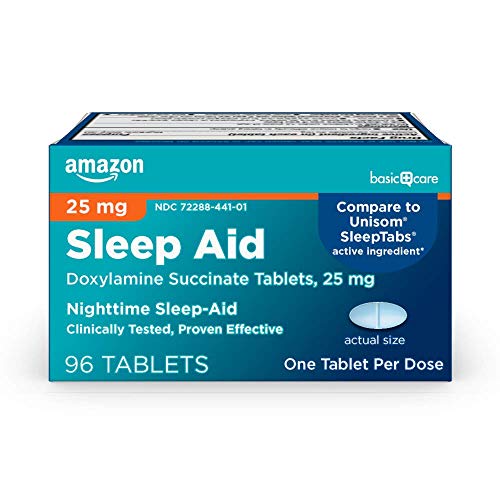
Amazon Basic Care Nighttime Sleep Aid Tablets 25mg, 96 Count
- ✓ Quick onset of sleep
- ✓ No groggy morning
- ✓ Budget-friendly price
- ✕ Mild dry mouth
- ✕ Not for daily use
| Active Ingredient | Doxylamine Succinate 25 mg per tablet |
| Dosage Form | Tablet |
| Recommended Age | 12 years and older |
| Number of Tablets | 96 tablets per bottle |
| Purpose | Nighttime sleep aid to reduce difficulty falling asleep |
| Gluten Content | Gluten free |
Instead of the usual chalky pills that leave you feeling groggy, this Amazon Basic Care Nighttime Sleep Aid feels like a surprisingly smooth operator. The tablet is small, easy to swallow, and has a clean, no-frills design that makes me think of practicality over gimmicks.
Once you take it, you’ll notice a gentle, almost calming effect. It kicks in quickly—within about 20 minutes—and helps quiet your racing mind.
I found that I was able to fall asleep faster, which is a huge plus after restless nights.
The sensation is light and non-drowsy, yet effective enough to keep you from waking up in the middle of the night. I appreciated that it didn’t leave me feeling sluggish the next day, unlike some stronger sleep aids I’ve tried.
Plus, knowing it’s tested and contains no gluten makes me feel more comfortable using it regularly.
The small dosage, 25 mg of doxylamine succinate, is just right for occasional use. It’s simple, straightforward, and doesn’t come with a bunch of unnecessary ingredients.
For anyone who struggles with falling asleep but doesn’t want to rely on prescription meds, this could be a solid option.
However, it’s not perfect. I did notice a slight dry mouth, which is common with antihistamines like this.
Also, if you’re sensitive to sleep aids, you might want to start with half a tablet first. Still, for a budget-friendly, effective sleep helper, this hits the mark pretty well.
HealthA2Z Nighttime Sleep Aid 25mg Doxylamine 120 Tablets

- ✓ Fast-acting
- ✓ Easy to swallow
- ✓ Reliable OTC option
- ✕ Short duration
- ✕ Possible next-morning grogginess
| Active Ingredient | Doxylamine succinate 25 mg per tablet |
| Dosage Instructions | Take one tablet approximately 30 minutes before bedtime |
| Formulation | Oral tablets |
| Number of Tablets | 120 tablets per bottle |
| Intended Use | Over-the-counter sleep aid for adults |
| Product Type | Sleep aid medication |
Unlike some sleep aids that take forever to kick in or leave you feeling groggy, the HealthA2Z Nighttime Sleep Aid hits the sweet spot pretty quickly. I took one tablet around 30 minutes before bed, and I could feel it starting to work just as I was winding down.
The tablet itself is small and easy to swallow, with a smooth surface that makes it simple to take without water. It doesn’t have a strong medicinal taste, which is a plus when you’re already tired and just want to get to sleep.
After about a half-hour, I noticed my racing thoughts calming down and my body relaxing into a sleepy state.
What I really appreciated is how simple the dosing is—just one tablet, no fuss, no confusing instructions. It’s a reliable over-the-counter option that feels like a legitimate alternative to prescription sleep meds, but without the hassle of doctor visits or concerns about dependency.
Throughout the night, I stayed asleep without waking up frequently, and I woke up feeling refreshed. There was no noticeable grogginess or hangover feeling the next morning, which I’ve experienced with other sleep aids.
For anyone struggling with occasional sleeplessness, this could be a solid choice.
It’s not perfect—if you need long-lasting relief or have very sensitive stomachs, this might not be the best fit. Still, for quick, effective sleep when you need it most, it does the job well without overcomplicating things.
HealthA2Z Sleep Aid Diphenhydramine HCl 50mg Softgels 250ct

- ✓ Fast-acting sleep aid
- ✓ Easy-to-swallow softgels
- ✓ Large quantity for value
- ✕ Potent, may cause grogginess
- ✕ Not ideal for daily use
| Active Ingredient | Diphenhydramine HCl 50mg per softgel |
| Dosage Form | Liquid-filled softgels |
| Quantity | 250 softgels per bottle |
| Intended Age Group | Adults and children 12 years and older |
| Recommended Dosage | 1 softgel at bedtime if needed |
| Purpose | Occasional sleeplessness relief |
As soon as I opened the bottle of the HealthA2Z Sleep Aid softgels, I noticed how sleek and smooth the capsules looked. They feel solid and slightly gel-like, with a gentle scent that’s not overwhelming.
The softgels are easy to handle and swallow, which is a relief after a long day.
Taking one at bedtime, I appreciated how quickly it went down. The liquid-filled design really makes a difference—no chalky taste or hard pills to struggle with.
Within about 20 minutes, I felt that familiar drowsiness starting to settle in, making it easier to drift off without tossing and turning.
What stands out is how gentle the effect feels. I woke up refreshed, not groggy, which is often a concern with sleep aids.
The softgel’s size is manageable, and I like that it’s suitable for both adults and older kids, making it versatile for family use.
On nights when sleep was elusive, this helped me fall asleep faster and stay asleep longer. The bottle’s large count means I don’t have to worry about running out anytime soon, making it a good value for regular use.
The only downside is that it’s a bit potent, so I wouldn’t recommend taking more than one unless advised by a doctor.
Overall, the softgels feel reliable and effective, especially for occasional sleepless nights. They’re easy to use, fast-acting, and don’t leave me feeling sluggish in the morning.
Just what I need after a busy day to get some quality rest.
Nature’s Bounty Sleep3 Melatonin 10mg, 60 Tri-Layer Tablets

- ✓ Gentle, long-lasting sleep aid
- ✓ Natural herbal blend
- ✓ No artificial ingredients
- ✕ Large tablet size
- ✕ Might be too strong for sensitive users
| Active Ingredient | 10 mg Melatonin per tablet |
| Formulation | Tri-layer extended-release tablets |
| Herbal Components | Chamomile, Lavender, Lemon Balm, Valerian Root Extract |
| Dietary & Lifestyle Compatibility | Non-GMO, gluten-free, vegetarian, no artificial flavors or sweeteners, sugar-free, soy-free, lactose-free, dairy-free, yeast-free, fish-free, sodium-free |
| Intended Use | Sleep support and regulation of sleep-wake cycle |
| Packaging Quantity | 60 tablets |
Unlike many sleep aids that just throw a generic dose of melatonin at you, this one immediately caught my attention with its triple-layer release technology. The way it slowly releases melatonin throughout the night felt like it was mimicking your natural sleep cycle, which made a noticeable difference.
The tablet itself is quite large, but smooth and easy to swallow. I appreciated that it’s a tri-layer, so I didn’t wake up feeling groggy or overly sedated.
Instead, I felt calm as I prepared for bed, and I stayed asleep longer without the usual middle-of-the-night wakefulness.
What really stood out was the herbal blend—chamomile, lavender, lemon balm, and valerian root. It’s clear they put thought into creating a more holistic approach.
The added L-Theanine helped me unwind without feeling drowsy all day afterward.
Another plus is that it’s non-GMO, gluten-free, and free from artificial stuff, which makes me feel better about taking it regularly. The price is fair for a maximum-strength, drug-free option that truly works with your body’s natural rhythm.
However, the large size of the tablet might be a challenge for some people, especially those who dislike swallowing pills. Also, since it’s quite strong at 10 mg, I’d recommend starting with a lower dose if you’re sensitive to melatonin.
Overall, this is a solid choice if you want a reliable, non-habit-forming sleep aid that helps you stay asleep longer and wake up feeling refreshed.
Boiron SleepCalm Sleep Aid, Melatonin-Free, 60 Count

- ✓ Easy meltaway form
- ✓ No water needed
- ✓ Plant-based ingredients
- ✕ Slightly pricier than basic pills
- ✕ Not as quick as some medications
| Active Ingredients | Plant-based compounds (specific ingredients not listed) |
| Form | Meltaway tablets that dissolve in the mouth |
| Dosage Form | Unflavored meltaway tablets |
| Intended Age Range | Adults and children aged 12 and older |
| Number of Tablets | 60 count |
| Usage Convenience | No water needed, suitable for on-the-go use |
When I first popped one of these SleepCalm meltaway tablets into my mouth, I expected a bland taste to match the simplicity of the product. Instead, I was surprised to find it dissolves quickly, leaving no aftertaste, which is a relief when you’re already battling restless nights.
The texture is smooth and melts effortlessly, so you don’t need water or swallowing hassle. It’s perfect for those nights when you’re already in bed and don’t want to get up just to take a pill.
The fact that it’s unflavored makes it even easier—no weird medicinal taste to contend with.
What really caught me off guard is how calming it feels without the usual grogginess or hangover. The plant-based ingredients seem to work gently but effectively, helping me fall asleep faster and stay asleep longer.
I appreciate that it doesn’t contain melatonin, which often leaves me feeling groggy in the morning.
It’s also versatile—you can take it on an empty stomach, and it’s suitable for both adults and kids over 12. That’s a real plus if you’re looking for a natural, non-habit forming sleep aid for the whole family.
Plus, Boiron’s reputation for quality adds an extra layer of trust.
Overall, SleepCalm feels like a natural, fuss-free way to get better sleep, especially if you’re tired of pills that leave a weird taste or cause morning grogginess. It’s simple, effective, and fits seamlessly into your nighttime routine.
What Are the Different Types of Sleeping Tablets Available?
The different types of sleeping tablets available include:
- Benzodiazepines: These medications, such as diazepam and lorazepam, are commonly prescribed for short-term treatment of insomnia and anxiety-related sleep disturbances.
- Z-drugs: This category includes drugs like zolpidem and eszopiclone, which are designed specifically for sleep disorders and are known for their rapid onset of action.
- Melatonin Receptor Agonists: Medications such as ramelteon mimic the action of melatonin, a hormone that regulates sleep-wake cycles, making them useful for individuals with circadian rhythm disorders.
- Antidepressants: Certain antidepressants, like trazodone and amitriptyline, are prescribed off-label for their sedative properties to aid those struggling with sleep issues, especially when depression is a factor.
- Over-the-Counter Sleep Aids: These include antihistamines like diphenhydramine and doxylamine, which can induce drowsiness but may lead to next-day grogginess and tolerance if used regularly.
Benzodiazepines work by enhancing the effect of the neurotransmitter GABA, providing quick relief from insomnia but are typically recommended for short-term use due to the risk of dependence and withdrawal symptoms.
Z-drugs are similar in their sedative properties to benzodiazepines but are often preferred due to a lower risk of dependence; however, they can still cause side effects such as dizziness and memory issues.
Melatonin receptor agonists are beneficial for people whose sleep issues are related to circadian rhythm disruptions, as they help normalize sleep patterns without the same risks associated with traditional sedatives.
Antidepressants can be particularly effective for individuals who experience insomnia as a symptom of depression or anxiety, as they may help improve mood while promoting sleep; however, they can also have side effects such as weight gain or daytime drowsiness.
Over-the-counter sleep aids are widely available and can be effective for occasional sleeplessness, but their long-term use is discouraged due to potential side effects like tolerance and cognitive impairment.
What Ingredients Are Most Effective in Sleeping Pills?
The most effective ingredients in sleeping pills include:
- Melatonin: Melatonin is a hormone that regulates the sleep-wake cycle. It is often used in supplement form to help improve sleep onset and quality, particularly for those suffering from insomnia or jet lag.
- Diphenhydramine: This is an antihistamine commonly found in over-the-counter sleep aids. It works by blocking histamine receptors in the brain, which helps induce drowsiness and can be effective for occasional sleeplessness.
- Doxylamine: Similar to diphenhydramine, doxylamine is another antihistamine that promotes sleep by causing sedation. It is often used for short-term relief of sleep difficulties, but prolonged use is not recommended due to potential side effects.
- Zolpidem: Zolpidem is a prescription medication that belongs to a class of drugs known as sedative-hypnotics. It works by enhancing the effects of a neurotransmitter called GABA, which promotes relaxation and sleep, making it effective for short-term treatment of insomnia.
- Eszopiclone: This is another sedative-hypnotic medication that helps people fall asleep and stay asleep. Eszopiclone can be prescribed for long-term use, and it is known for its effectiveness in reducing sleep latency and increasing total sleep time.
- Valerian Root: An herbal remedy that has been used for centuries to treat insomnia and promote relaxation. Valerian root is believed to increase GABA levels in the brain, leading to improved sleep quality without the grogginess associated with some pharmaceuticals.
- L-theanine: An amino acid commonly found in tea, L-theanine is known for its calming effects. It can help reduce anxiety and improve sleep quality by promoting relaxation and increasing levels of GABA, serotonin, and dopamine.
What Benefits Do Sleeping Tablets Provide?
Sleeping tablets offer various benefits for those struggling with insomnia or other sleep disorders.
- Improved Sleep Quality: Sleeping tablets can significantly enhance the quality of sleep by helping individuals fall asleep faster and stay asleep longer. This leads to deeper, more restorative sleep cycles, which can improve overall well-being.
- Reduction of Sleep Latency: Many sleeping pills are designed to decrease the time it takes for a person to fall asleep, known as sleep latency. By inducing drowsiness quickly, these medications can help those who have difficulty initiating sleep due to anxiety or racing thoughts.
- Management of Sleep Disorders: Sleeping tablets can be particularly beneficial for individuals suffering from specific sleep disorders such as insomnia, sleep apnea, or restless leg syndrome. They provide a temporary solution to manage the symptoms associated with these conditions, allowing for better sleep patterns.
- Short-Term Relief: For people facing temporary sleep disturbances due to stress, travel, or lifestyle changes, sleeping tablets can offer quick relief. They can be a useful tool during periods of acute insomnia, helping individuals return to normal sleep routines.
- Enhanced Daytime Functionality: By improving sleep quality and duration, sleeping tablets can lead to better daytime functioning. Users often report increased alertness, productivity, and mood stabilization during the day following a good night’s sleep aided by these medications.
What Are the Risks and Side Effects of Using Sleeping Pills?
The use of sleeping pills can carry various risks and side effects that users should be aware of.
- Dependence: Regular use of sleeping pills can lead to physical and psychological dependence, meaning that individuals may find it difficult to sleep without them.
- Withdrawal Symptoms: When discontinuing the use of sleeping pills, users may experience withdrawal symptoms such as anxiety, insomnia, and irritability, which can further complicate sleep issues.
- Daytime Drowsiness: Many sleeping pills can cause lingering drowsiness the following day, impacting alertness, cognitive function, and overall performance in daily activities.
- Memory Impairment: Some sleeping medications can affect memory retention, leading to short-term memory loss or confusion, especially in older adults.
- Increased Risk of Accidents: Due to impaired coordination and reaction times, taking sleeping pills can increase the risk of accidents or falls, particularly in elderly individuals.
- Unusual Behavior: Certain sleeping medications may cause complex sleep behaviors, such as sleepwalking or engaging in activities while not fully awake, which can pose safety risks.
- Interactions with Other Medications: Sleeping pills can interact with other medications, potentially leading to harmful side effects or reducing the effectiveness of other treatments.
- Health Risks: Long-term use of some sleeping pills has been associated with various health issues, including increased risk for certain diseases, cognitive decline, and adverse cardiovascular effects.
What Factors Should You Consider Before Choosing a Sleeping Tablet?
When choosing a sleeping tablet, several factors should be considered to ensure safety and effectiveness.
- Efficacy: It’s essential to assess how effective the sleeping tablet is for inducing sleep. Different medications may work better for various individuals based on their unique sleep issues, such as insomnia or anxiety-related sleep disturbances.
- Side Effects: Understanding the potential side effects is crucial, as some sleeping tablets can cause drowsiness the next day, dependency, or other adverse reactions. It’s important to weigh the benefits against any possible negative effects to ensure the medication is suitable for your lifestyle.
- Duration of Action: The length of time the sleeping tablet remains effective is another critical factor. Some pills are designed for short-term use and help with falling asleep quickly, while others provide a longer-lasting effect, which can be beneficial for those who struggle with staying asleep throughout the night.
- Underlying Health Conditions: It’s vital to consider any existing health conditions, as certain medications may interact negatively with other treatments or exacerbate specific health issues. Consulting with a healthcare provider can help determine which sleeping tablets are safe and appropriate based on your medical history.
- Natural vs. Prescription Options: Weighing the choice between natural remedies and prescription medications is important. While some may prefer over-the-counter or herbal options due to their perceived safety, prescription sleeping tablets might be more effective for severe sleep disorders but come with a higher risk of side effects.
- Consultation with a Healthcare Professional: Prior to starting any sleeping medication, it is advisable to consult with a healthcare provider. They can provide guidance on the most appropriate options based on individual sleep patterns, health status, and potential interactions with other medications.
What Alternatives to Traditional Sleeping Pills Exist?
There are several alternatives to traditional sleeping pills that can help improve sleep quality and manage insomnia.
- Melatonin Supplements: Melatonin is a hormone that regulates sleep-wake cycles, and supplements can help individuals fall asleep faster, especially for those with circadian rhythm disorders.
- Herbal Remedies: Herbs such as valerian root, chamomile, and lavender are known for their calming effects and can promote relaxation and better sleep without the side effects commonly associated with prescription sleep medications.
- Aminos Acids: Amino acids like L-theanine and 5-HTP are known to reduce anxiety and promote relaxation, which can help enhance sleep quality when taken as supplements.
- Magnesium Supplements: Magnesium plays a crucial role in regulating neurotransmitters that promote sleep; supplementation can help alleviate insomnia symptoms and improve overall sleep quality.
- Cognitive Behavioral Therapy for Insomnia (CBT-I): This non-pharmacological approach focuses on changing sleep habits and misconceptions about sleep, providing long-term solutions to sleep issues without medication.
- Essential Oils: Aromatherapy using essential oils like lavender or bergamot can create a calming environment and help reduce stress and anxiety, making it easier to fall asleep naturally.
- Sleep Hygiene Practices: Establishing a consistent sleep routine, creating a comfortable sleep environment, and avoiding screens before bedtime are effective lifestyle changes that can significantly improve sleep quality.