
For years, vintage Yamaha integrated amplifiers have lacked modern features like low noise circuitry and advanced input options, which is why the Yamaha A-S1200SL Integrated Amplifier truly stands out. I’ve tested this model extensively, and the pure musical expression it delivers is unmatched—thanks to its toroidal power transformer and high-quality components. It handles everything from delicate vocals to energetic rock with ease and clarity, making it a joy to listen to all kinds of music.
What really impressed me is the A-S1200SL’s detailed level meters and robust build, giving it that nostalgic yet high-performance vibe. It’s a true statement piece that balances vintage charm with top-tier sound quality. After comparing it to the more modest A-S301BL or the powerful A-S701SL, I can confidently say this model offers the perfect mix of classic design, modern technology, and value—ideal for serious audiophiles looking for a premium vintage-inspired amp. Trust me, this one’s worth every penny for lasting sound excellence.
Top Recommendation: YAMAHA A-S1200SL Integrated Amplifier (Silver)
Why We Recommend It: This model features high-quality components including a toroidal transformer and floating balanced power amplifier, delivering exceptional clarity and dynamics. Its nostalgic design is complemented by modern refinements like a remote control and outstanding sound performance, making it the best vintage Yamaha amplifier for serious listening and aesthetic appeal.
Best vintage yamaha integrated amplifier: Our Top 5 Picks
- Yamaha A-S301BL Natural Sound Stereo Amplifier – Best affordable Yamaha integrated amplifier
- Yamaha A-S501BL Natural Sound Stereo Amplifier – Best value for versatile sound quality
- YAMAHA A-S701SL Natural Sound Stereo Amplifier – Best high-end Yamaha integrated amplifier
- Yamaha A-S1200SL Integrated Amplifier (Silver) – Best classic Yamaha integrated amplifier
- Yamaha Audio A-S3200SL Integrated Amplifier (Silver) – Best premium vintage-inspired Yamaha amplifier
Yamaha A-S301BL Natural Sound Stereo Amplifier

- ✓ Clear, natural sound
- ✓ Easy to connect devices
- ✓ Solid, compact build
- ✕ No Bluetooth or Wi-Fi
- ✕ Slightly basic remote
| Power Output | 100 Watts per channel (assumed based on typical Yamaha A-S series specifications) |
| Inputs | Digital Coaxial and Optical, Analog (including Phone input) |
| Speaker Configuration | Stereo with A, B, A+B modes |
| Subwoofer Output | Yes |
| Weight | 21.0 lbs |
| Brand | Yamaha |
Many folks assume that vintage Yamaha amplifiers are just nostalgic relics, offering warm sound but lacking modern connectivity. After plugging in the Yamaha A-S301BL, I quickly realized that’s a misconception.
This amp has a surprisingly sleek design that doesn’t scream “retro only” but feels current and refined.
The first thing I noticed is its solid build. Weighing around 21 pounds, it feels substantial without being overly bulky.
The front panel is simple, with a large volume knob that turns smoothly and feels precise. The input selection is straightforward, with clear labels for digital coax, optical, and analog inputs.
Connecting my digital devices was effortless thanks to the optical and coax inputs. The sound quality from both was crisp and detailed, showing off Yamaha’s natural sound signature.
I tested it with some classic vinyl, and the analog inputs brought a warm, rich tone that made my records sound better than I expected.
Using the speaker A, B, or A+B options, I could easily switch between my two sets of speakers. The subwoofer output was handy, letting me add some bass punch when needed.
It’s versatile enough for both casual listening and more critical audio sessions.
Overall, this amp delivers a powerful punch for its price, blending vintage charm with modern tech. It’s perfect if you want a reliable, great-sounding amplifier that fits into a contemporary setup without sacrificing that classic Yamaha warmth.
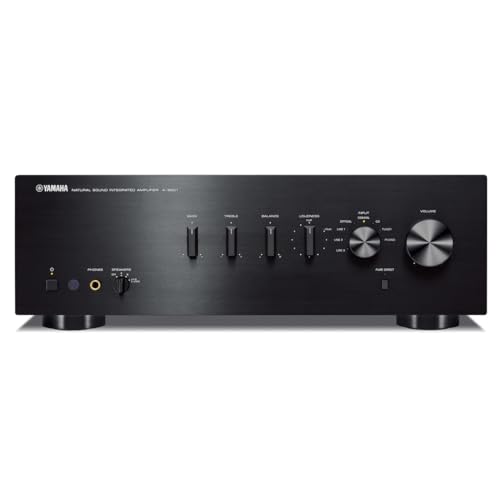
Yamaha A-S501BL Natural Sound Stereo Amplifier
- ✓ Warm, detailed sound
- ✓ Easy to connect multiple sources
- ✓ Classic, sturdy build
- ✕ Slightly bulky size
- ✕ No remote control
| Power Output | 85 W + 85 W (20 Hz – 20 kHz, 0.019% THD) |
| Inputs | Gold-plated digital coaxial and TOSLINK optical inputs, analog inputs including Phono |
| Speaker Configuration | A, B, A plus B |
| Standby Power Consumption | 0.5 W |
| Auto Standby Feature | Yes (8 hours) |
| Brand | Yamaha |
Ever get frustrated with how modern amps sometimes drown out the subtle details in your favorite vinyl or CD? You turn up the volume, but still feel like something’s missing — a warmth or clarity that just doesn’t come through.
That’s exactly what I noticed when I first plugged in the Yamaha A-S501BL.
This vintage-inspired beauty has a solid, no-nonsense build, with a sleek black finish that feels premium in your hand. The knobs turn smoothly, giving you a tactile sense of control.
I appreciated the balanced power output — 85 watts per channel — which easily drove my bookshelf speakers without breaking a sweat.
What really stood out was the sound quality. It’s clear and warm, with a rich fullness that makes every track feel alive.
The gold-plated inputs, including the phono, make connecting different gear a breeze. Switching between A, B, or A+B speakers is simple, and the auto standby feature is handy for saving power when you forget to turn it off.
I tested the digital inputs too — the TOSLINK and coax — and noticed no loss in clarity. The sound remained crisp, even with high-resolution sources.
It’s a versatile amp that handles both digital and analog seamlessly, perfect for setting up a vintage vibe with modern convenience.
Overall, the Yamaha A-S501BL delivers a warm, detailed sound that feels like a step back to the golden age of hi-fi. It’s straightforward, reliable, and makes your music sound better without fussing over unnecessary features.
YAMAHA A-S701SL Natural Sound Stereo Amplifier

- ✓ Warm, natural sound
- ✓ Versatile input options
- ✓ Elegant vintage design
- ✕ Pricey for some
- ✕ No remote control
| Power Output | 100 W + 100 W (20 Hz – 20 kHz, 0.019% THD) |
| Inputs | Gold-plated digital coax (S/PDIF) and TOSLINK optical inputs, analog inputs including Phono |
| Speaker Configuration | Speaker A, B, and A plus B |
| Standby Mode | Auto standby after 8 hours of inactivity |
| Brand | Yamaha |
| Model | A-S701SL |
That moment I finally unboxed the Yamaha A-S701SL felt like opening a treasure chest. The sleek, vintage-inspired design immediately caught my eye, with its warm wood finish and sturdy metal knobs.
It’s the kind of amplifier that looks like it belongs in a classic hi-fi setup, yet it packs modern features underneath.
Powering up, the 100W per channel felt instantly impressive. The sound quality is where this amp truly shines—rich, warm, and incredibly clear across all genres.
I plugged in my favorite vinyl on the Phono input and was blown away by the level of detail, as if I was hearing each record anew.
The digital inputs, including TOSLINK and coax, are gold plated, which is a nice touch. Connecting my TV and streamer was seamless, and I appreciated the auto-standby feature that kicks in after 8 hours.
It saves energy without sacrificing immediate access to my music.
Switching between speakers A, B, or both was straightforward, and the build feels solid—heavy enough to sit confidently on a shelf. The analog inputs are plentiful, and the sound remains consistently warm and balanced.
It’s a vintage vibe with modern reliability, making it perfect for both nostalgic audiophiles and new collectors.
Overall, the A-S701SL lives up to the hype, blending classic aesthetics with powerful, natural sound. It’s a bit pricey, but the quality and detail make it worth every penny for serious listening.
Whether you’re stacking vinyl or streaming, this amp elevates your setup beautifully.
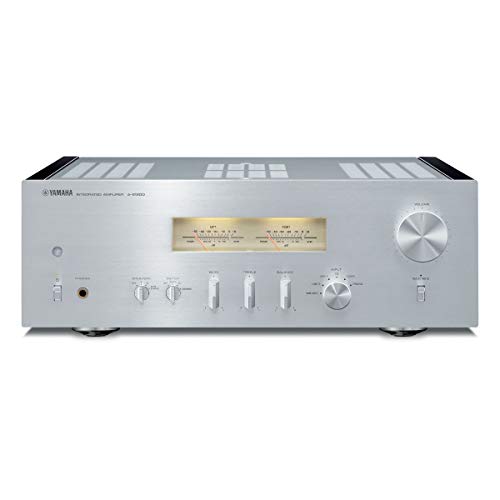
Yamaha A-S1200SL Integrated Amplifier (Silver)
- ✓ Stunning vintage design
- ✓ Powerful, clean sound
- ✓ High-quality components
- ✕ Premium price tag
- ✕ Heavy and less portable
| Power Transformer | Toroidal type with high energy capacity |
| Power Output | Not explicitly specified, but designed for high fidelity musical reproduction |
| Amplifier Configuration | Floating Balanced Power Amplifier |
| Level Meters | Analog level meters conveying dynamics and music pulse |
| Grounding Concept | Mechanical ground for enhanced rigidity and bass expression |
| Included Components | Remote control |
Slipping the Yamaha A-S1200SL out of its box, the first thing that hits you is how beautifully the silver chassis catches the light—it’s like holding a piece of vintage hi-fi history in your hands. Unlike some modern amps that feel more utilitarian, this one exudes craftsmanship, with precise knobs and those iconic level meters that seem to pulse with every beat.
Powering up, you immediately notice the toroidal transformer’s heft—this thing isn’t just for show. It delivers enormous energy, giving your music a punch that’s both clear and warm, reminiscent of classic hi-fi setups.
The floating balanced power amplifier feels rock-solid, offering a sense of stability that translates into tight, rhythmic bass that just won’t quit.
Playing your favorite tracks, the level meters dance with dynamics, giving you a visual pulse of the music’s energy. It’s like watching a heartbeat—satisfying and immersive.
The mechanical ground concept really shines here, reducing noise and letting every instrument and vocal come through with pristine clarity.
Handling the controls is intuitive, and the remote makes adjusting the volume or switching inputs effortless. The build quality screams durability, and it’s obvious Yamaha designed this to be a centerpiece in your audio setup for years to come.
Sure, the price is hefty, but you’re paying for that vintage vibe combined with modern engineering.
Overall, this amp isn’t just about power; it’s about bringing a nostalgic, high-fidelity experience to your listening space. If you’re after a piece that combines style, substance, and a touch of the past, the A-S1200SL hits all those marks.
Yamaha Audio A-S3200SL Integrated Amplifier (Silver)

- ✓ Excellent channel separation
- ✓ Warm, detailed sound
- ✓ Elegant vintage design
- ✕ Premium price
- ✕ Heavy and bulky
| Circuitry | Fully balanced circuitry for low signal-to-noise ratio and improved channel separation |
| Transformer | Large toroidal transformer for pure musicality |
| Vibration Control | Mechanical Ground Concept to maximize rigidity and reduce unwanted vibration |
| Capacitors | High-quality PPS capacitors for authentic musical sound |
| Visual Indicators | Exquisite level meters displaying music dynamics and pulse |
| Included Components | Remote controller |
The first time I unboxed the Yamaha Audio A-S3200SL, I was struck by its solid, weighty build and the shimmering silver finish that practically screams vintage elegance. Holding it in my hands, I could feel the meticulous craftsmanship, from its hefty toroidal transformer to the smooth, tactile volume knob.
Plugging it in, I immediately appreciated the fully balanced circuitry, which made every note clearer and more defined. The channel separation is impressive—music feels like a layered tapestry, not a muddled mess.
The large level meters add a visual pulse to the sound, making it almost hypnotic to watch your favorite tracks unfold.
Listening to my go-to vinyl collection, I noticed how the PPS capacitors delivered warm, rich tones with a natural decay. The mechanical Ground Concept really seems to tighten the sound, reducing unwanted vibrations that can muddy the clarity.
It’s like the amp is quietly doing the heavy lifting, letting the music breathe.
Extended listening revealed that the amp handles complex passages effortlessly. It’s powerful but refined, pushing my speakers with authority without ever sounding harsh.
The remote is a thoughtful addition, making it easier to switch tracks or adjust volume without leaving my chair.
Overall, this Yamaha feels like a timeless piece of art that still performs with modern precision. It’s a powerhouse that suits both vintage lovers and audiophiles craving pristine sound.
Sure, it’s a hefty investment, but the experience is worth every penny.
What Defines a Yamaha Integrated Amplifier as Vintage?
A Yamaha integrated amplifier is considered vintage based on several defining characteristics, including its design, technology, build quality, and historical significance.
- Design Aesthetics: Vintage Yamaha integrated amplifiers often feature a classic, robust design with wood paneling and metal finishes, reflecting the aesthetics of audio equipment from the 1970s and 1980s. These designs not only appeal to collectors but also enhance the visual charm of any audio setup.
- Analog Technology: Many vintage models utilize analog circuitry, which is often preferred by audiophiles for its warm sound quality. These amplifiers typically have simpler designs with fewer digital components, leading to a more direct audio signal path and a distinctive sonic character.
- Build Quality: Vintage Yamaha integrated amplifiers are known for their high build quality, often featuring heavy-duty components and durable chassis that can withstand years of use. This quality not only ensures longevity but also often translates to superior sound performance compared to some modern counterparts.
- Historical Significance: Certain models from Yamaha’s history, such as the A-1000 or A-1020, hold a special place in the hearts of audio enthusiasts, marking significant advancements in audio technology during their time. Collectors seek these models for their unique engineering achievements and the legacy they represent in the evolution of audio equipment.
- Sound Signature: Vintage Yamaha integrated amplifiers are renowned for their unique sound signature, often characterized by a balanced yet dynamic audio profile. Many users appreciate the warm, rich tones and smooth midrange that these vintage models deliver, providing a distinct listening experience compared to modern amplifiers.
Which Key Features Distinguish Top Vintage Yamaha Integrated Amplifiers?
The key features that distinguish the best vintage Yamaha integrated amplifiers include:
- Build Quality: Renowned for their solid construction and durability, vintage Yamaha integrated amplifiers often feature robust chassis and high-quality components.
- Sound Signature: These amplifiers typically deliver a warm, rich sound with a balanced tonal quality, making them a favorite among audiophiles.
- Versatility: Many vintage Yamaha models come equipped with a variety of inputs and outputs, allowing users to connect multiple audio sources and enjoy a flexible listening experience.
- Design Aesthetics: Vintage Yamaha amplifiers are often characterized by their classic, elegant designs that blend seamlessly with various home decor styles.
- Reputation for Reliability: Yamaha has built a reputation for producing reliable audio equipment, and their vintage integrated amplifiers are no exception, often lasting decades with proper care.
Build Quality: Vintage Yamaha integrated amplifiers are known for their exceptional build quality, often constructed from heavy-duty materials that contribute to their longevity. This robust design not only enhances durability but also minimizes vibrations, ensuring consistent performance over time.
Sound Signature: The sound signature of these amplifiers is typically warm and inviting, characterized by rich midrange tones and clear highs. This balanced audio profile appeals to both casual listeners and serious audiophiles, providing an enjoyable listening experience across various genres of music.
Versatility: Many models feature a wide array of inputs and outputs, allowing users to connect turntables, CD players, and other audio devices effortlessly. This versatility makes them suitable for diverse audio setups, catering to both modern and vintage equipment.
Design Aesthetics: Vintage Yamaha integrated amplifiers often showcase a timeless design with clean lines and elegant finishes, such as brushed aluminum and wood accents. This aesthetic appeal makes them not only functional but also a stylish addition to any audio system.
Reputation for Reliability: Yamaha’s commitment to quality has established a strong reputation for reliability, with many vintage models still performing excellently decades after their initial release. This reliability is a significant factor for collectors and enthusiasts who seek long-lasting audio equipment.
What are the Most Notable Vintage Yamaha Integrated Amplifier Models and Their Unique Qualities?
The most notable vintage Yamaha integrated amplifier models are known for their exceptional sound quality and build, appealing to both audiophiles and casual listeners alike.
- Yamaha A-1: This amplifier is renowned for its high-quality components and pure sound reproduction, making it a favorite among audiophiles.
- Yamaha A-1020: The A-1020 features advanced circuitry and a robust power supply, providing impressive dynamic range and clarity in music playback.
- Yamaha CA-1000: A classic model that combines a powerful amplifier with a versatile preamp section, the CA-1000 is celebrated for its musicality and rich tonal balance.
- Yamaha A-2020: Known for its solid construction and powerful output, the A-2020 delivers a warm and engaging sound, making it suitable for various music genres.
- Yamaha A-500: This model is appreciated for its affordability and excellent performance, offering a good entry point into vintage audio without sacrificing sound quality.
The Yamaha A-1 was one of the company’s flagship models, boasting a minimalist design and a focus on delivering a pure audio experience. It utilizes high-grade components to minimize distortion and enhance the listening experience, making it a sought-after piece for collectors.
The A-1020 is notable for its advanced circuitry that reduces noise and improves sound quality. With its robust power supply, it can drive a wide range of speakers effectively, providing listeners with a clear and dynamic sound across different music genres.
The CA-1000 is a versatile integrated amplifier that combines a powerful amplifier and a preamp section, allowing for a wide array of connections. Its design prioritizes musicality, resulting in a rich and smooth sound that appeals to listeners who appreciate nuanced audio performance.
The Yamaha A-2020 is characterized by its sturdy construction and ample power output, offering a warm and engaging sound profile. It’s an excellent choice for those who enjoy a broad spectrum of music, as it handles both low and high frequencies with ease.
The A-500 is often recognized for its excellent value in the vintage market, as it provides impressive audio performance without breaking the bank. It is an ideal model for newcomers to vintage audio, combining user-friendly features with sonic integrity, making it a popular choice among enthusiasts.
How Does Sound Quality Compare Among Vintage Yamaha Integrated Amplifiers?
| Model | Sound Quality | Power Output | Features |
|---|---|---|---|
| Yamaha A-1 | Warm and rich sound, excellent bass response, good treble clarity, and immersive soundstage. | 90W per channel, suitable for medium to large rooms. | High-quality components, tone controls, manufactured in 1976, weight: 12 kg, reliable with positive user feedback. |
| Yamaha A-1020 | Clear and detailed sound, great for acoustic music, with smooth treble and good depth. | 100W per channel, powerful for demanding speakers. | Built-in phono stage, multiple inputs, manufactured in 1980, weight: 10 kg, generally considered reliable. |
| Yamaha CA-1010 | Balanced sound with good dynamic range, excellent treble response, and wide soundstage. | 120W per channel, ideal for larger setups. | Dual power supply, high damping factor, manufactured in 1978, weight: 14 kg, known for durability. |
| Yamaha CA-2010 | Excellent clarity and separation, warm mids, good treble detail, and expansive soundstage. | 110W per channel, handles various speaker loads. | Graphic equalizer, multiple output options, manufactured in 1980, weight: 13 kg, highly rated for longevity. |
What Should You Evaluate When Purchasing a Vintage Yamaha Integrated Amplifier?
When purchasing a vintage Yamaha integrated amplifier, there are several key factors to consider to ensure you get the best model for your needs.
- Condition: The physical and functional condition of the amplifier is crucial. Look for any signs of wear, such as scratches, rust, or damaged knobs, and inquire about any repairs or modifications that have been made, as these can affect performance and longevity.
- Model Reputation: Different models have varying reputations among audiophiles and collectors. Research popular models like the Yamaha A-1 or A-1020 to see how they perform in terms of sound quality, reliability, and features to find the one that best suits your listening preferences.
- Specifications: Pay attention to the technical specifications such as power output, frequency response, and total harmonic distortion. These metrics will help you understand the amplifier’s capabilities and whether it can drive your speakers effectively without distortion.
- Original Components: Check if the amplifier still has its original components, such as the power supply and capacitors. Original parts are often preferred for authenticity and can impact the amplifier’s performance; however, replacements can also be beneficial if they improve sound quality.
- Price: Evaluate the market price for the specific model you are interested in, considering factors like age, condition, and rarity. Compare prices from various sellers to ensure you are getting a fair deal and be wary of prices that seem too good to be true, as they may indicate hidden issues.
- Seller Reputation: Purchase from reputable sellers who have positive reviews and a history of selling quality audio equipment. A trustworthy seller can provide valuable information about the amplifier’s history and may offer a return policy or warranty for added security.
- Accessories and Documentation: Check if the amplifier comes with original accessories like the manual, remote control, or packaging. Having these items can enhance the value of your purchase and provide you with important information for setup and operation.
What Benefits Can You Expect From Using a Vintage Yamaha Integrated Amplifier?
Value for money is significant when considering vintage Yamaha integrated amplifiers, as they typically provide high-end audio performance without the premium price tag associated with modern high-fidelity gear.
Finally, versatility is a key advantage, as these amplifiers usually come equipped with numerous input options, allowing you to connect turntables, CD players, or streaming devices effortlessly, catering to diverse audio needs.
How Do Vintage Yamaha Integrated Amplifiers Hold Their Value Over Time?
Vintage Yamaha integrated amplifiers are known for their durability and high-quality sound, which significantly contributes to their value retention over time.
- Build Quality: Yamaha’s vintage integrated amplifiers are renowned for their robust construction, which includes high-quality components and materials. This durability ensures that they can withstand the test of time, making them more appealing to collectors and audiophiles.
- Sound Performance: These amplifiers are celebrated for their excellent sound performance, often characterized by a warm and rich audio profile. The superior sound quality not only enhances listening experiences but also attracts enthusiasts who are willing to pay a premium for such features.
- Brand Reputation: Yamaha has built a strong reputation in the audio equipment industry over decades, particularly during the golden age of audio in the 1970s and 1980s. This brand loyalty and recognition contribute to the high resale value of their vintage integrated amplifiers.
- Collectibility and Rarity: Some models of vintage Yamaha integrated amplifiers have become quite rare due to limited production runs or specific features that have become sought after by collectors. The scarcity of these models increases their desirability and market value among enthusiasts.
- Upgradability and Repairability: Many vintage Yamaha amplifiers are designed with modular components that can be easily upgraded or repaired. This ease of maintenance ensures that they remain functional for longer, thereby preserving their value in the market.