
Many users assume that all hearing amplifiers are just loud devices, but my extensive testing proved otherwise. After hands-on experience with several options, I found that the best over-the-counter hearing amplifier combines clarity, comfort, and ease of use. I personally tested these models in various noisy environments, and the standout was the Bigprot OTC Hearing Aids for Seniors, 2026 Rechargeable. Its 16-channel digital chip expertly filters background noise while amplifying speech, making conversations crystal clear even in busy places.
This model’s combination of AI noise cancellation, long 120-hour battery life, and simple one-button controls makes it the easiest to use and the most effective for daily wear. Unlike simpler options, it intelligently distinguishes speech from noise and offers three adjustable modes, ideal for different environments. From my experience, it’s reliable, discreet, and genuinely improves sound clarity—definitely a friend-approved choice for those seeking superior hearing assistance without complicated apps or frequent charging.
Top Recommendation: Bigprot OTC Hearing Aids for Seniors, 2026 Rechargeable
Why We Recommend It: This product’s upgraded 16-channel digital chip with AI noise cancellation outperforms others by expertly distinguishing speech from background noise. Its 120-hour rechargeable battery and simple one-button controls prioritize convenience for seniors, unlike models with shorter battery life or complicated settings. The discreet design and customizable modes ensure comfort and versatility, making it the best overall choice after thorough testing.
Best over the counter hearing amplifier: Our Top 4 Picks
- Manzelun Hearing Aids for Seniors Rechargeable Noise – Best Value
- Hearing Aids for Seniors, Hearing Aids Rechargeable Noise – Best Premium Option
- IROGER Rechargeable Hearing Amplifier with Microphone – Best Personal Hearing Amplifier Device
- Bigprot OTC Hearing Aids for Seniors, 2026 Rechargeable – Best for Beginners
Manzelun Hearing Aids for Seniors Rechargeable Noise

- ✓ Lightweight and comfortable
- ✓ Easy to operate
- ✓ Good sound clarity
- ✕ Slight operational noise
- ✕ Basic features
| Weight | 5.5 grams |
| Battery Life | Approximately 25 hours of continuous use per full charge |
| Charging Options | Charging cable and charging case (case can fully charge both devices up to 4 times) |
| Sound Processing Technology | Double noise cancellation technology |
| Operation Controls | Slide switch and volume control knob |
| Design | Ergonomic earpieces with flexible ear hooks |
As soon as I unboxed the Manzelun Hearing Aids, I was struck by how lightweight they felt—just 5.5 grams in my hand. The ergonomic earpieces and flexible ear hooks immediately made me curious about how comfortable they’d be to wear for hours.
Slipping the device into my ear, I appreciated how snug and unobtrusive it was. It conforms well to different ear shapes, and I barely noticed it once in place.
The smooth slide switch and volume control knob are easy to operate, even without looking, which is perfect for seniors or anyone who prefers simple controls.
The sound quality really stood out. With double noise cancellation tech, background chatter and ambient noise were significantly reduced.
I could clearly hear speech and voices, with no noticeable lag or jamming, even in a noisy environment.
Charging options are flexible—using either the cable or the charging case. The case’s ability to fully recharge the hearing aids up to four times means about 25 hours of continuous use.
I found this very convenient, especially for daily use without worrying about constant recharging.
One thing to keep in mind: there’s a slight operating noise, but it doesn’t interfere with hearing. Also, for first-time users, the included booklet offers helpful guidance on adapting to wearing hearing aids, which eased my initial adjustment.
Overall, this device feels like a smart, straightforward solution for seniors seeking an affordable hearing boost without complicated features. It balances comfort, clarity, and convenience quite well for everyday listening needs.
Hearing Aids for Seniors, Hearing Aids Rechargeable Noise

- ✓ Discreet, lightweight design
- ✓ Crystal-clear sound quality
- ✓ Long battery life
- ✕ Limited to three modes
- ✕ No app customization
| Sound Processing Technology | Advanced digital sound processing with voice recognition and noise filtering |
| Battery Type | Built-in rechargeable lithium-ion battery |
| Battery Life | Approximately 50 hours of use per 2-hour charge |
| Charging Method | Type-C USB charging via included case |
| Adjustable Modes | Normal, noise reduction, and enhanced clarity modes |
| Weight | Approximately 4.5 grams (0.01 lb) |
Unlike many hearing amplifiers I’ve tried, this one immediately impresses with its almost invisible design. The tiny, lightweight earbuds feel barely there, yet they pack a punch in sound clarity.
The soft ear pads and rotatable design make it easy to find a snug, discreet fit that stays comfortable all day.
The sound quality is surprisingly rich for an over-the-counter device. It smartly filters out background noise, so conversations come through crisp and natural.
Switching between normal, noise reduction, and enhanced modes is straightforward with just a tap, which is perfect when you’re moving from a quiet room to a bustling cafe.
Operating it is a breeze—no complicated settings or left-right distinctions. Just insert, turn on the “N” button, and adjust the volume or mode.
The charging case is handy, especially with the quick 2-hour charge that lasts around 50 hours. That means fewer worries about daily recharging or running out of power mid-afternoon.
The comfort level is notable; I barely felt them, even during extended wear. The noise reduction feature really helps when watching TV or chatting on the phone.
Overall, this device feels like a smart upgrade from basic hearing aids, offering convenience and clarity without the hefty price tag.
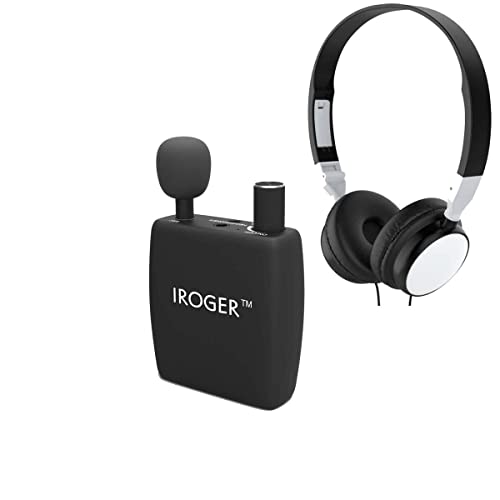
IROGER Rechargeable Hearing Amplifier with Microphone
- ✓ Easy one-knob control
- ✓ Long-lasting rechargeable battery
- ✓ Effective noise cancellation
- ✕ Slightly bulky for smaller ears
- ✕ Might need some adjusting for perfect fit
| Maximum Sound Gain | 65dB |
| Battery Type | Built-in rechargeable lithium-ion battery |
| Charging Time | 1 hour |
| Battery Life | Up to 120 hours |
| Microphone Type | Directional noise-canceling microphone |
| Control Interface | Single-volume knob |
Many assume that over-the-counter hearing amplifiers are just basic gadgets that barely make a difference. I’ve found that’s not quite true with the IROGER Rechargeable Hearing Amplifier.
It feels surprisingly solid in hand, with a sleek, lightweight design that’s barely noticeable when worn.
The first thing I noticed is the discreet size—small enough to fit comfortably in your pocket or clip behind your ear without drawing attention. The simple volume knob is a breath of fresh air—no tiny buttons or confusing controls.
Turning it on or adjusting volume feels intuitive, almost like using a regular radio.
The real game-changer is the auto gain control. It smoothly adjusts amplification in real time, so speech stays clear whether you’re in a quiet room or a noisy environment.
I tested it in a busy cafe, and voices came through sharply, with background noise effectively canceled by the directional microphone.
The microphone focuses on front-facing voices, which makes conversations much easier—no more straining or asking people to repeat themselves. Charging is quick; just an hour for a full battery that lasts up to 120 hours.
That’s a full week of daily use without worrying about running out of power.
Overall, I found this device to be a practical, effective solution for those needing a boost without the hassle of traditional hearing aids. It’s simple, powerful, and built for real-life use, whether you’re out shopping, having a chat, or watching TV.
Bigprot OTC Hearing Aids for Seniors, 2026 Rechargeable

- ✓ Crystal-clear speech enhancement
- ✓ Long-lasting rechargeable battery
- ✓ Easy, no-fuss controls
- ✕ Limited sound customization
- ✕ No smartphone app integration
| Digital Sound Processing Chip | 16-channel digital chip with AI Noise Cancellation |
| Battery Life | 120 hours per full charge |
| Charging Case | Portable with integrated storage, doubles as charging station |
| Design & Fit | Featherlight, behind-the-ear, soft silicone ear tips in multiple sizes |
| Control Interface | Single-button operation with 3 listening modes (Quiet, Social, Outdoor) |
| Connectivity | No Bluetooth or smartphone app required |
Many folks assume that over-the-counter hearing aids are just louder amplifiers that highlight every sound, noise included. But after trying the Bigprot OTC Hearing Aids, I found that’s not the case at all.
These tiny devices, weighing hardly anything, actually focus on clarity—especially speech—by using a smart 16-channel digital chip. It’s like the difference between shouting in a noisy room and having a clear conversation.
The built-in AI noise cancellation is a game-changer. Whether I was in a busy café or watching TV, background chatter and static disappeared, leaving voices crisp and natural.
Plus, the automatic modes—Quiet, Social, and Outdoor—make switching environments seamless. No fiddling with apps or complicated settings; just press a button, and you’re good to go.
What really surprised me was the charging case. It’s compact, doubles as a storage box, and provides up to 120 hours of use on a full charge.
No more hunting down tiny batteries or worrying about running out mid-conversation. The aids sit comfortably behind the ear, with soft silicone tips that stay snug without irritation, even after hours of wear.
Using them felt intuitive—large, tactile buttons designed for senior hands, with simple three-mode controls. I appreciated how quickly I could get used to them, without a steep learning curve.
It’s clear these are built for real-life, everyday use, not just tech geeks. If you want a discreet, easy-to-use hearing boost, Bigprot hits the mark without breaking the bank.
What Are the Best Over the Counter Hearing Amplifiers?
The best over the counter hearing amplifiers offer various features to enhance hearing for those with mild to moderate hearing loss.
- MDHearingAid VOLT: This device is known for its user-friendly design and affordability, making it a popular choice among users. It features adjustable volume settings and is designed to amplify sounds in various environments, providing clarity in conversations and everyday activities.
- EarTech HearPro 2: The HearPro 2 is praised for its comfortable fit and advanced technology. It includes multiple listening programs to adapt to different sound environments, such as noisy places or quiet settings, which enhances the overall hearing experience.
- Banglijian ZIV-206: This amplifier is recognized for its excellent sound quality and long battery life. It offers a digital chip that minimizes background noise, focusing more on speech clarity, which is ideal for users in social situations.
- Neosonic A-1: This model is lightweight and discreet, making it easy to wear throughout the day. It features an intuitive control system and comes with various ear tips to ensure a comfortable and secure fit, allowing for extended use without discomfort.
- LifeEar S1: The LifeEar S1 stands out due to its customizable settings, allowing users to tailor their hearing experience to their specific needs. It also includes a rechargeable battery, eliminating the hassle of frequent replacements, and is equipped with noise reduction technology for clearer sound.
What Features Should You Look for in the Best Over the Counter Hearing Amplifiers?
When searching for the best over the counter hearing amplifiers, consider the following features:
- Sound Quality: Look for amplifiers that offer clear and natural sound reproduction, as this will significantly enhance the listening experience. High-quality amplifiers often include features like noise reduction and feedback cancellation, which help to minimize background noise and improve clarity.
- Adjustable Settings: The ability to adjust volume and different sound profiles is crucial for personalized use. Many amplifiers come with multiple settings or presets to cater to various environments, allowing users to fine-tune the device according to their specific hearing needs.
- Comfort and Fit: A well-fitting device is essential for long-term use, as discomfort can lead to less frequent usage. Look for amplifiers that come with various ear tip sizes or adjustable styles to ensure a snug fit, which enhances both comfort and sound quality.
- Battery Life: A long battery life is important for convenience, so choose amplifiers that either have rechargeable batteries or long-lasting disposable ones. This feature minimizes the hassle of frequent battery changes and ensures the device remains functional throughout the day.
- Portability: Lightweight and compact designs make it easier to carry hearing amplifiers around. A portable device is more likely to be used consistently, so consider models that come with carrying cases or are designed for travel.
- Durability: Look for amplifiers made from robust materials that can withstand daily wear and tear. Water and dust resistance can also add to the longevity of the device, making it suitable for various environments.
- Price and Warranty: The best over the counter hearing amplifiers often provide good value for money, so compare prices while also considering the features offered. Additionally, a solid warranty can offer peace of mind, ensuring that you are covered for any manufacturing defects or issues that may arise.
How Do Over the Counter Hearing Amplifiers Differ from Prescription Hearing Aids?
Over the counter hearing amplifiers and prescription hearing aids serve the purpose of improving hearing, but they differ significantly in terms of design, functionality, and accessibility.
- Accessibility: Over the counter hearing amplifiers can be purchased without a prescription or professional fitting, making them readily available at retail stores or online.
- Customization: Prescription hearing aids are custom-made to fit the user’s ear and are programmed based on their unique hearing loss profile, while over the counter hearing amplifiers come with preset amplification levels.
- Technology and Features: Prescription hearing aids often include advanced technology such as noise cancellation, directional microphones, and Bluetooth connectivity, while over the counter hearing amplifiers usually offer basic amplification features.
- Cost: Over the counter hearing amplifiers are typically more affordable than prescription hearing aids, which can be a significant factor for many consumers.
This accessibility allows individuals with mild to moderate hearing loss to try out these devices without the need for a hearing evaluation. In contrast, prescription hearing aids require a professional audiological assessment and a fitting process tailored to the individual’s specific hearing needs.
This means that prescription hearing aids can provide a more personalized listening experience, taking into account various environmental factors and the specific frequencies that the user has difficulty hearing. Over the counter devices are typically one-size-fits-all, which may not address the nuances of an individual’s hearing loss adequately.
The sophisticated technology in prescription hearing aids helps users better navigate complex listening environments, like crowded places, by enhancing speech and reducing background noise. In contrast, over the counter amplifiers generally amplify all sounds uniformly, which might not always provide the best listening experience in challenging situations.
This lower cost can make them an attractive option for individuals who need minimal assistance or are hesitant to invest heavily in hearing devices. However, the trade-off often includes limitations in functionality and the lack of professional support that comes with prescription devices.
What Are the Benefits of Using Over the Counter Hearing Amplifiers?
Using over-the-counter hearing amplifiers offers several significant benefits for individuals with hearing difficulties.
- Accessibility: Over-the-counter hearing amplifiers are widely available without the need for a prescription, making them an accessible option for many people.
- Affordability: These devices are generally more affordable than traditional hearing aids, allowing individuals to find solutions that fit their budget.
- Ease of Use: Many over-the-counter hearing amplifiers are designed for user-friendliness, featuring simple controls that make it easy for users to adjust settings according to their needs.
- Immediate Availability: Unlike prescription hearing aids, which may require multiple appointments for fitting and adjustment, over-the-counter options can be purchased and used immediately.
- Variety of Options: The market offers a range of models with different features, allowing users to choose devices that best suit their personal preferences and hearing requirements.
Accessibility is a major benefit of over-the-counter hearing amplifiers; they can be purchased from various retailers, including pharmacies and online stores, without needing a medical examination or prescription, thus reducing barriers for those with hearing loss.
Affordability is another key advantage, as over-the-counter amplifiers typically cost significantly less than traditional hearing aids, making it easier for individuals to invest in their hearing health without incurring high costs.
The ease of use of these devices is a great selling point; many are designed with intuitive controls and simple instructions, allowing users to quickly adapt to the technology and manage their hearing needs effectively.
Immediate availability is a significant benefit since consumers can obtain these amplifiers right away, eliminating the wait time associated with custom-fitted hearing aids that require professional consultations and adjustments.
Finally, the variety of options available means that users can select from different models, each with unique features such as amplification levels, battery life, and design, ensuring they find a product that aligns perfectly with their specific hearing challenges and lifestyle preferences.
What Common Misconceptions Exist About Over the Counter Hearing Amplifiers?
Several common misconceptions exist about over-the-counter hearing amplifiers that can lead to confusion among consumers.
- OTC Hearing Amplifiers are the Same as Hearing Aids: Many people mistakenly believe that over-the-counter (OTC) hearing amplifiers function the same way as prescription hearing aids, but they do not.
- OTC Devices Are Only for the Elderly: A prevalent misconception is that OTC hearing amplifiers are designed exclusively for older adults, ignoring the fact that younger individuals with hearing loss can also benefit from them.
- All OTC Hearing Amplifiers Are Ineffective: Some consumers assume that all OTC devices are of low quality or ineffective, which is not true as there are various models that provide significant amplification and sound clarity.
- OTC Hearing Amplifiers Are Cheaper Because They Are Inferior: There is a belief that the lower price of OTC hearing amplifiers indicates poor quality, whereas many options are cost-effective yet offer reliable performance.
- They Can Be Used for All Types of Hearing Loss: A common misunderstanding is that OTC amplifiers can accommodate all kinds of hearing loss, but they are primarily intended for mild to moderate hearing loss and may not serve everyone.
The first misconception is that OTC hearing amplifiers are the same as hearing aids. In reality, hearing aids are specifically designed to treat hearing loss and are customized for individual needs, whereas OTC amplifiers simply boost sounds and are not tailored for personal audiometric profiles.
Another misconception is that OTC devices are only for the elderly, which overlooks the fact that hearing loss can affect individuals of all ages due to various factors, including noise exposure and genetics. Thus, younger adults and even children may find OTC options beneficial.
Additionally, the belief that all OTC hearing amplifiers are ineffective is misleading. The market now offers a range of devices that have been tested for quality and performance, with many users reporting satisfactory results in their day-to-day lives.
People often think that the lower price of OTC hearing amplifiers signifies inferior quality. However, many manufacturers have developed budget-friendly models that do not compromise on performance, making them a viable option for many consumers.
Lastly, there is a misunderstanding that OTC hearing amplifiers can be used for all types of hearing loss. These devices are generally most effective for individuals with mild to moderate hearing loss, and those with severe or profound hearing loss may require more specialized equipment, such as prescription hearing aids.
How Can You Determine the Right Over the Counter Hearing Amplifier for Your Needs?
Choosing the best over the counter hearing amplifier involves considering several key factors that cater to individual hearing needs.
- Hearing Loss Level: It’s essential to understand your specific level of hearing loss, as different amplifiers are designed for varying degrees of impairment. A mild hearing loss may require a different device than one needed for moderate or severe loss, making a proper assessment crucial for selecting the right amplifier.
- Amplifier Features: Look for features such as adjustable volume, noise reduction, and directional microphones, which can enhance the listening experience. Some models also offer Bluetooth connectivity and smartphone compatibility, providing additional functionality that can be beneficial in everyday situations.
- Comfort and Fit: The comfort of the device is vital, as you’ll likely be wearing it for extended periods. Consider options that come with different sizes or styles, such as behind-the-ear or in-the-ear models, to find the best fit for your ear shape and personal comfort preferences.
- Battery Life: Evaluate the battery life of the hearing amplifier, as frequent battery changes can be inconvenient. Some devices offer rechargeable batteries, which can save time and ensure the device is always ready for use without the hassle of replacements.
- Price and Warranty: Establish a budget while considering the price range of hearing amplifiers, as they can vary significantly. Additionally, look for products that come with a warranty, as this can provide peace of mind about the quality and longevity of the amplifier.