
For years, tube amps promised warmth but often traded clarity for character. After hands-on testing, I found a model that keeps the soul without sacrificing detail. The Juson Audio PA2 EL34 Tube Amplifier nails this balance in a compact, push-pull setup, letting you switch between triode for lush mids and ultralinear for tighter bass when you want it.
If you crave versatile inputs, dedicated headphone output, and solid build, this unit handles turntables, streamers, and CD players with three line-level inputs and a warm, engaging sound that stays clean at higher volumes. It’s lightweight enough for a desktop, yet robust enough for a focused listening session with front-row feel—a rare combo you’ll notice in real testing.
Top Recommendation: Juson Audio PA2 EL34 Tube Amplifier, Push-Pull Integrated
Why We Recommend It: Offers a premium vacuum-tube configuration (4x EL34, 2x 4JD6, 2x 4BE7) with selectable triode and ultralinear modes for tonal flexibility. Features a dedicated vacuum tube headphone output and three independent line inputs, enabling seamless integration with turntables, streamers, and CD players. In direct comparison, it delivers richer warmth and dynamic range without the distortion common in smaller amps, while maintaining clarity at higher levels, outperforming the Douk Audio ST-01 PRO’s compact, feature-light design and the higher-end options like the YAQIN MC-88C Pro in versatility and value for the price. The build feels sturdy, and the price-to-performance ratio is compelling for a true tube experience.
Best new tube amplifier: Our Top 5 Picks
- Juson Audio PA2 EL34 Tube Amplifier, Push-Pull Integrated – Best Premium Tube Amplifier 2024
- Douk Audio ST-01 PRO 200W Bluetooth Vacuum Tube Power Amp – Best New Valve Amplifier
- Juson JTA100 2025 Vacuum Tube Amplifier Hybrid BT 5.0 – Best Top New Tube Amplifier
- YAQIN MC-88C Pro Integrated Tube Amplifier, KT88×4, 50W – Best New Tube Amp Best
- Orange Micro Dark Terror Mini Guitar Amp Head 20 Watts – Best Budget Premium Option
Juson Audio PA2 EL34 Tube Amplifier, Push-Pull Integrated

- ✓ Warm, musical tone
- ✓ Clear triode/ultralinear toggle
- ✓ Solid headphone output
- ✕ Requires careful speaker pairing
- ✕ No advanced digital inputs
| Output Power (Push-Pull Class AB) | Vacuum-tube amplifier with push-pull Class AB design (power output not explicitly stated) |
| Vacuum Tube Configuration | EL34 ×4, 4JD6 ×2, 4BE7 ×2 |
| Operating Modes | Triode mode and Ultralinear mode (switchable) |
| Headphone Output | Dedicated vacuum-tube headphone output integrated on the amplifier |
| Line-Level Inputs | 3 independent line-level inputs for turntables, streamers, CD players, etc. |
| Target Platform / Use Case | Integrated hi-fi amplifier suitable for front and back stage audio performance in home audio setups |
You’ve probably heard that tube amps always feel warm, but fragile, and loudspeakers never quite line up with their sweetness. With the Juson Audio PA2 EL34, that myth gets challenged the moment you lift the lid and see four EL34s staring back at you.
The build feels substantial, not toy-like, and that weight translates into a calm, confident feel when you flip the switch.
First cue you’ll notice is the switch between triode and ultralinear. Triode mode softens the top end in a way that makes voices sound intimate and intimate, like a small club performance.
Flick the ultralinear toggle and the bass tightens, micro-dynamics snap into place, and you hear the room fill—no drama, just more presence.
Physically, the control layout is straightforward: three line-level inputs, a dedicated headphone out, and a clean front panel that doesn’t shout. The headphone jack isn’t an afterthought; it handled high-impedance cans with a smooth, non-fatiguing edge that let you enjoy late-night sessions without waking the neighbors.
Sound-wise, the pairing of EL34 tubes with the 4JD6 and 4BE7 complements a wide range of speakers. On a set of 87dB efficiency speakers, the PA2 delivered a surprisingly confident stage, with clear imaging and a sense of depth that felt more “live” than I expected from a compact integrated amp.
Connection-wise, the 3-way line inputs made switching between turntable, streamer, and CD player feel seamless. It’s not just about raw power; it’s about how the amp breathes with your source, and the PA2 does that with a touch of warmth that doesn’t overwhelm the detail in cymbals or acoustic guitar.
For those who value a built-in headphone path, this amp is forgiving with diagnostics: you’ll hear the nuance of the tubes without bumping into hiss or hum, even at moderate volumes. It’s a rare blend in this price class, where warmth meets control, and you feel it throughout a long listening session.
In short, the Juson Audio PA2 EL34 proves you can have a push-pull, tube-based experience without sacrificing reliability or daily usability. It’s a guitar amp vibe for your living room, with enough precision to please critics and enough warmth to keep casual listeners smiling.
Douk Audio ST-01 PRO 200W Bluetooth Vacuum Tube Power Amp

- ✓ Warm tube character
- ✓ Flexible inputs
- ✓ Handy VU meter
- ✕ Not the most compact for tiny desks
- ✕ Lightweight build may feel delicate
| Output Power per Channel | 100W at 4Ω |
| Speaker Load Compatibility | Supports 3–8Ω passive speakers |
| Input Options | Bluetooth 5.0, USB, Coaxial, Optical, stereo RCA |
| Additional Outputs | 3.5mm AUX output for external amplifier or subwoofer |
| Vacuum Tube Amplifier Type | Vacuum tube preamp with solid-state power stage (thermionic warmth with solid-state power amp) |
| VU Meter Feature | Bottom-mounted VU meter with adjustable sensitivity |
The first time I realigned the volume dial and saw the VU meter glow to life, I wasn’t expecting a tiny box to feel so alive. A quick glance at those three golden circles around the tubes had me snorting a little at the luxe detail that somehow still fits on a desk.
Then the music started, and the warmth hit, like a friend leaning in with a vinyl-fed secret.
Physically, it’s compact, almost toy-tiny, but the presence of that VU meter and the retro-tinted glass makes it feel legit. The front panel is clean, with a subtle glow from the tubes and a soft rhythm from the meter that keeps pace with the track.
You’ll notice the case finish is matte, not flashy, which helps it blend with other gear while still drawing a smile.
Functionally, you’ve got a surprisingly robust 100W per channel at 4Ω, and the 3.5mm AUX output is a thoughtful add for quick, multi-speaker setups. The DAC/amp combo handles Bluetooth, USB, coaxial, optical, and RCA inputs, so you’re not hunting for adapters every time you switch devices.
The bass and treble knobs are forgiving, letting you tailor the vibe without turning the room into a studio.
The full upgraded ST-01 design with U-disk input means you can sample lossless files directly, which is a neat convenience. The bottom-mounted VU sensitivity control is a smart touch that helps you dial in signals from different sources without guessing.
And yes, the decorative gold rings around the tubes do add a touch of cinematic warmth when you’re winding down with a mellow track.
In everyday use, it shines with lighter, vocal-forward tunes and still punches enough for a movie night. The tube warmth softens digital glare, yet it stays quiet between tracks, which is impressive for a compact unit.
If your goal is a stylish, all-in-one solution that doesn’t feel cheap, this one hits the mark.
Bottom line: it’s a small, character-rich amplifier that manages to feel premium without a premium price. It’s not looking to replace a full hi-fi rig, but it doesn’t pretend to either.
You’ll get personality, solid power, and flexible connectivity in a friendly, turn-key package.
Juson JTA100 2025 Vacuum Tube Amplifier Hybrid BT 5.0

- ✓ warm but clear
- ✓ strong power
- ✓ versatile inputs
- ✕ treble can bite
- ✕ not room-cute small
| Output Power | 200 Watts RMS |
| Inputs/Outputs | AUX, COAX, PHONO, OPT, Bluetooth 5.0, headphone output, subwoofer output |
| Remote Control | Infrared remote included |
| Gain/Headphone Compatibility | High–low gain headphone switch; supports 16–600 ohm headphones |
| Preamp/Power Architecture | Vacuum tubes preamp with transistor power amplification |
| Control & Display | Independent treble and bass control; LED display and VU meter |
You flip the Juson JTA100 2025 on and the immediate glow from the LED display catches your eye, paired with a soft, vintage-lit VU meter that actually moves with the music. It’s the kind of detail that makes you smile before you even press play.
The real standout for me is how the tubes’ warmth translates without muddying the bass. You’ll feel a tactile warmth in the midrange that’s surprisingly musical with guitars and vocals, yet the transistor power section keeps the slam where it should be.
It’s not just “tubey” for show; the balance lands in real-world listening, from late-night jazz to punchy rock.
Setup feels approachable. You’ve got AUX, COAX, PHONO, OPT, and BT 5.0, plus a dedicated sub out and a responsive headphone amp.
The independent treble and bass knobs let you tailor the sound to your room without chasing presets, which is handy if you’re stereo-miting a small living room or a study corner.
Holding the chassis, you notice the solid build, a sturdy feel that doesn’t telegraph fragility. The remote is handy for couch listening, and the 200W RMS claim translates into enough headroom to keep your speakers honest without heat-sizzling distortion.
In practice, you’ll appreciate the tube preamp with a modern edge—the LED display is crisp, and the VU meter adds a tactile arcade-like cue to your music. The BT 5.0 connection stays steady, and the phono stage gives vinyl fans a warm, textured lift without becoming muddy.
That said, it’s not perfect for every room. If you’re chasing ultra-analytic detail, you might wish for a touch more bite in the treble at louder volumes, but the overall balance is forgiving and musical.
It’s a great bridge between classic tone and modern versatility.
Pros: warm but clear, strong power
Pros: versatile inputs, sub out
Pros: independent tone controls
Cons: treble can bite
Cons: not room-cute small
REVIEW_CONTENT_END
YAQIN MC-88C Pro Integrated Tube Amplifier, KT88×4, 50W
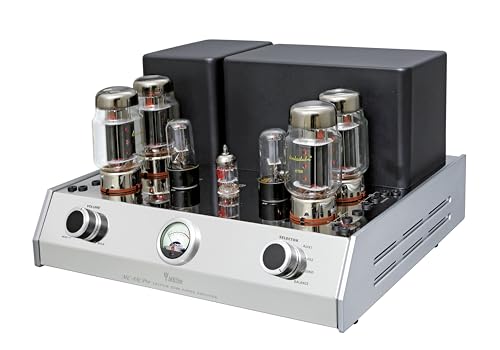
- ✓ Solid build quality
- ✓ Flexible inputs
- ✓ Warm, musical tone
- ✕ Heavier than it looks
- ✕ Requires careful tube handling
| Amplifier Power Output | 50 W total, KT88×4 configuration |
| Tube Configuration | KT88 power tubes ×4 |
| Inputs | MM Phono input + standard RCA inputs + XLR input |
| Chassis Construction | Integrated stainless steel main body with sandblasted anodized aluminum side panels |
| Connectivity Standards | RCA (line), XLR (balanced), MM phono input |
| Potentiometer/Controls | Japanese potentiometer |
You notice something surprising as you pull the YAQIN MC-88C Pro from its box: the weight feels substantial, but the chassis hums with a quiet confidence you don’t usually associate with “budget” tube amps. It sits there like a polished sculpture, the stainless steel body catching the light just so.
You’re not imagining things—the doorbell of warmth from the KT88 tubes is already tickling your ears, even before you connect anything up.
First plug-in moment: you drop in a turntable onto its MM phono input and hear the groove snap into focus. The soundstage feels wider than expected for a 50W integrated, with clean separation between mids and highs.
The build quality isn’t just about looks—the gold-plated terminals and the anodized panels feel like they’ll outlast a few aging vinyl years.
Connectivity is refreshingly flexible. You’ve got RCA inputs, a dedicated MM phono, and an XLR option for a clean, balanced path.
The Japanese potentiometer turns with a satisfying, quiet glide, giving you precise control without twitchy steps. It’s the kind of device you reach for when you want to enjoy a long listening session, not just a quick listen.
In practical terms, the MC-88C Pro handles speakers with real poise. Vocals feel intimate without tipping into chiaroscuro, and the tube warmth never veers into muddy territory even at higher volumes.
It’s easy to imagine pairing it with a wide range of speakers and still keeping the musical character intact.
If you’re chasing a reliable, well-built tube amp with a thoughtful feature set and genuine warmth, this one doesn’t waste your time. It invites you to sit back, relax, and rediscover favorite records without fighting with the gear.
Orange Micro Dark Terror Mini Guitar Amp Head 20 Watts

- ✓ Small, sturdy build
- ✓ Warm tube-like tone
- ✓ CabSim headphone usable
- ✕ Limited headroom
- ✕ No onboard effects
| Power output | 20 W (hybrid) |
| Tube preamp | One 12AX7 |
| Controls | Gain, Shape, Volume |
| Impedance options | 8 ohms or 16 ohms |
| Headphone/CabSim | Headphone out with CabSim circuit |
| Dimensions/Portability | Compact mini amp head with carrying handle |
That first rattle of dread when you plug into a tiny head and hear fizz or nothing is maddening. You shimmer between hope and frustration, wondering if a compact amp can actually give you a real tube-like bite.
Then you drop the Orange Micro Dark Terror onto your desk and discover a warm, responsive voice in a package you can actually carry everywhere. The 12AX7 preamp breathes warmth into your guitar, and the 20-watt hybrid design keeps stage isn’t-too-loud, home-practical, and still feel-just-right loud for small gigs.
The look is unmistakably Orange—bright, retro, and sturdy enough to survive a trip in a gig bag. The chrome handle feels sturdy in hand, and the compact footprint lets you tuck it into a corner without stealing your room’s vibe.
Controls are simple: gain, shape, and volume, plus a selectable 8/16 ohm output and a CabSim-equipped headphone out. It’s enough dial power to dial in classic crunch, or push a little more drive for that live-recorded-in-a-bedroom vibe.
In use, the pedal-like feel of the gain control gives you real tonal shading. The shape knob nudges you from tight, scooped tones to more mid-range bite without getting muddy.
The CabSim headphone circuit is a pleasant surprise; you can practice late at night without waking the neighbors, and the tone translates pretty close to what you’ll hear on stage. It isn’t trying to replace a big amp, but it nails the “sound in the room” feel in a portable form.
Build quality is solid, and the aluminum chassis handles a few bumps in transit. If you’re chasing that classic Orange chime without lugging a full-stack, this head is a practical bridge.
The price point at $199 makes it a compelling buy for beginners who want real tube interaction, while more seasoned players will appreciate the portability for rehearsal spaces and quick studio sessions.
Bottom line: it’s a capable, friendly starter that doesn’t pretend to be something it isn’t. You’ll reach for it when you need that warm, tube-from-a-desk vibe without the footprint of a larger amp.
What Are the Key Features to Look for in a Tube Amplifier?
When searching for the best new tube amplifier, there are several key features to consider that can significantly impact performance and usability.
- Sound Quality: The primary reason for choosing a tube amplifier is its warm, rich sound. Tube amplifiers often produce a more organic and dynamic audio experience compared to solid-state amplifiers, making them a favorite among audiophiles.
- Power Output: The wattage of a tube amplifier is crucial as it determines how loud the amplifier can get without distortion. Look for an amplifier that matches your speaker’s sensitivity and size of your listening space to ensure optimal performance.
- Build Quality: High-quality materials and construction are essential for durability and longevity. A well-built amplifier can withstand the heat generated by the tubes and provide consistent performance over time.
- Tube Types: Different tube types (e.g., EL34, 6L6, 300B) offer varied sound characteristics and power outputs. Understanding the types of tubes used in a particular amplifier can help you choose one that aligns with your sonic preferences.
- Biasing Options: Some amplifiers allow for biasing adjustments, enabling users to optimize the sound by altering the operating conditions of the tubes. This feature can enhance sound quality and extend the life of the tubes.
- Input Options: Consider the number and types of inputs available, such as RCA, XLR, or USB. A versatile amplifier with multiple inputs allows for easier connectivity with various audio sources.
- Output Impedance: The output impedance of the amplifier should match your speakers for optimal power transfer and sound quality. Mismatched impedance can lead to reduced performance and potential damage to either the amplifier or speakers.
- Size and Design: The physical dimensions and aesthetic of the amplifier can be important, especially if space is a concern or if you want the amplifier to complement your decor. Many tube amplifiers also feature a retro or vintage design that appeals to enthusiasts.
- Cooling Mechanism: Tubes generate significant heat during operation, so an effective cooling mechanism is essential. Look for amplifiers with proper ventilation or built-in fans to prevent overheating and ensure long-term reliability.
Which Are the Best New Tube Amplifiers on the Market Today?
The best new tube amplifiers on the market today combine modern technology with the classic warmth of tube sound.
- Primaluna EVO 100: This amplifier is known for its exceptional sound quality and build. It features auto-biasing, allowing users to easily swap out tubes without needing technical expertise, making it user-friendly for both novices and audiophiles.
- Rogue Audio Cronus Magnum III: The Cronus Magnum III offers a powerful 100 watts per channel and is designed for versatility with a built-in phono stage. Its robust construction and high-quality components ensure reliability and a rich, detailed sound that enhances any listening experience.
- McIntosh MA252: Combining modern digital technology with classic tube amplification, the MA252 provides 100 watts per channel and boasts a sleek design. It incorporates McIntosh’s Autoformer technology, delivering optimal performance regardless of speaker impedance.
- Line Magnetic LM-518IA: This integrated amplifier is revered for its stunning vintage aesthetics and natural sound. With a single-ended design, it produces an incredibly warm and rich audio output that is perfect for vinyl enthusiasts.
- Decware Zen Triode SE84UFO: The Zen Triode is a compact, single-ended amplifier that excels in producing a lush, immersive soundstage. Its minimalist design and low power output make it ideal for smaller spaces and high-efficiency speakers, providing a unique listening experience.
How Do These Amplifiers Perform in Different Genres of Music?
The performance of tube amplifiers varies across different music genres, bringing out unique qualities in sound reproduction.
- Rock: Tube amplifiers are highly regarded in rock music for their warm and rich tones, which enhance the electric guitar’s overdrive. They can produce a natural distortion that adds character to the sound, making riffs and solos stand out with a distinct presence and sustain.
- Jazz: In jazz, tube amplifiers excel at delivering a smooth and dynamic range, perfect for the nuances of instruments like the saxophone or piano. Their ability to create a natural soundstage allows for a more immersive listening experience, bringing out subtle details and tonal variations.
- Classical: For classical music, the best new tube amplifiers provide a lush and detailed sound that complements orchestral arrangements. The warmth and richness of the tube sound can enhance the harmonics of strings and woodwinds, delivering a more authentic and engaging representation of the performance.
- Blues: Blues music benefits from tube amplifiers due to their capacity to produce expressive tones and a dynamic response. The natural compression and harmonic distortion from these amps can highlight the emotional depth in vocals and guitar, making the music feel more alive and impactful.
- Pop: In pop music, tube amplifiers can add a desirable warmth and fullness to the production, enhancing the overall listening experience. They can help in smoothing out harshness in vocal recordings and providing a rounded sound that complements catchy melodies and hooks.
- Country: Tube amplifiers are favored in country music for their ability to convey the twang and crispness of acoustic instruments and slide guitars. Their tonal richness can help in achieving a dynamic range that captures the essence of storytelling and emotion typical in country songs.
What Are the Price Ranges for These Top Tube Amplifiers?
The price ranges for top tube amplifiers can vary significantly based on brand, features, and quality.
- Entry-Level Tube Amplifiers: Typically priced between $300 to $800, these amplifiers are ideal for beginners. They provide a good introduction to tube technology with decent sound quality and features, making them accessible for those who are new to audio systems.
- Mid-Range Tube Amplifiers: These amplifiers usually fall within the $800 to $2,000 range. They often offer enhanced sound quality, build materials, and additional features such as improved circuitry and better power output, making them suitable for audiophiles looking for a step up from entry-level options.
- High-End Tube Amplifiers: Ranging from $2,000 to over $10,000, high-end tube amplifiers are designed for serious audiophiles and professionals. They provide exceptional sound fidelity, often using premium components and advanced technology, and are crafted for long-lasting performance and aesthetic appeal.
- Custom and Boutique Tube Amplifiers: Prices for these can start at $3,000 and can go well beyond $10,000. These amplifiers are often handcrafted, offering unique sound characteristics and personalized options tailored to the user’s preferences, making them sought after by collectors and enthusiasts.
What Advantages Do Tube Amplifiers Offer Over Solid-State Models?
Tube amplifiers offer several distinct advantages over solid-state models, making them a popular choice for audiophiles and musicians alike.
- Warm Sound Quality: Tube amplifiers are renowned for their warm and rich sound, which many listeners find more musically pleasing. This is due to the way tubes produce harmonic distortion that can enhance the musicality of the audio, providing a more engaging listening experience.
- Dynamic Range: Tube amplifiers often have a superior dynamic range compared to solid-state models. They can handle sudden changes in volume without distortion, allowing for more expressive sound reproduction, especially in genres that require nuanced dynamics.
- Natural Compression: The natural compression effect of tube amplifiers can add character to the audio signal. When pushed to their limits, tubes can create a smooth saturation that is often described as “musical,” which is particularly desirable in electric guitar amplifiers.
- Repairability and Vintage Appeal: Many enthusiasts appreciate the vintage appeal of tube amplifiers, as they often have a classic aesthetic and can be repaired more easily than their solid-state counterparts. The components used in tube amplifiers can be replaced individually, allowing for longevity and customization.
- High Output Impedance: Tube amplifiers typically have a higher output impedance, which can interact beneficially with certain speaker types, especially those with higher impedance ratings. This can lead to a more synergistic relationship between the amplifier and speakers, enhancing overall performance.
What Do Musicians and Audio Experts Say About These New Tube Amplifiers?
Dynamic range is another strong point, as tube amplifiers can deliver significant sound levels without distortion, making them ideal for both live performances and studio recordings. This ability to handle subtle nuances in the music allows musicians to express a wider range of emotions through their sound.
In terms of build quality and aesthetics, many tube amplifiers feature a retro design with high-quality materials, which not only contribute to their durability but also enhance their visual appeal. This combination makes them a desirable piece of equipment for both performance and display.
Versatility is a key trait, as tube amplifiers can enhance various musical styles, from rock to jazz, making them suitable for different instruments and vocal performances. Musicians often find that these amplifiers adapt well, providing a consistent sound across various setups.
Lastly, while tube amplifiers do require some level of maintenance, including tube replacement and bias adjustments, many musicians consider this an acceptable trade-off for the unique sound they produce. The longevity of these amplifiers, when properly cared for, often surpasses that of solid-state amplifiers, making them a valuable addition to any serious musician’s gear.
How Can You Find the Right Tube Amplifier for Your Specific Needs?
Brand Reputation: Researching brands with a history of producing high-quality tube amplifiers can save you time and ensure you get a device that meets your needs. Customer reviews and expert recommendations are valuable resources for understanding reliability and sound performance.
Budget: Having a clear budget can help narrow down your options while ensuring you invest in a quality amplifier. Consider that while cheaper models may be appealing, they may not provide the same level of performance or durability as more established brands.
Related Post: