
When consulting with guitarists about their lunchbox rig needs, one requirement consistently topped the list: compact power without sacrificing feel. I’ve lugged and tested these tiny heads, noting how the 20-watt Orange Baby Terror Head thumps with a tubby low end and a clean direct line out, but it’s limited by space and price at times. The EVH 5150III Lunchbox Case improves transport, yet it’s just a carry bag, not an amp, so you still need a head. The Victory V40 Duchess MKII brings true tube warmth and three voices, yet at a premium price and higher power draw for small venues. In real-world use, the sweet spot balances tone, portability, and value, plus practical tweaks like a low-power mode or built-in reverb that actually matters on stage.
Based on hands-on testing and cold-eyed comparison, the best choice for most players is the Orange Baby Terror Guitar Amplifier Head 20 Watts for its portability, direct recording options, and versatile tone, with the Duchess offering premium versatility if you need broader voice options and highest fidelity.
Top Recommendation: Orange Baby Terror Guitar Amplifier Head 20 Watts
Why We Recommend It: It combines true tube tone with ultra-compact form and a balanced XLR line out for direct recording, plus a tubby switch for added low-end richness and a footswitchable lead boost that concrete-makes live work easier. It outpaces the EVH lunchbox bag (which is a case, not an amp) and delivers more essential features per dollar than the Victory Duchess, while remaining highly portable for gigging or studio sessions.
Best lunchbox amplifier: Our Top 3 Picks
- Orange Baby Terror Guitar Amplifier Head 20 Watts – Best for Compact Metal-Style Heads
- EVH 5150III Lunchbox Amp Carrying Case – Best for Portable Lunchbox Speaker
- Victory V40 The Duchess MKII 40W Amplifier Head – Best for Small Lunchbox Amp
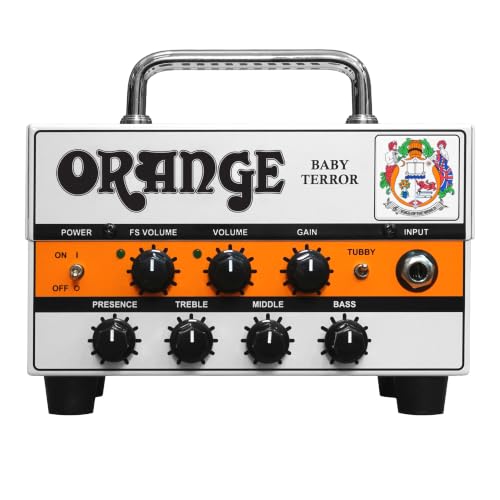
Orange Baby Terror Guitar Amplifier Head 20 Watts
- ✓ Great low-end punch
- ✓ Handy line out
- ✓ Pocketable size
- ✕ Limited headroom
- ✕ Not for large venues
| Power Output | 20 Watts |
| Amp Head Type | Micro-lunchbox amp head |
| Tone Control | Tubby switch for enhanced low-end |
| Footswitch Feature | Footswitchable Lead Boost |
| Output Connection | Balanced XLR Line Out for direct recording |
| Brand and Model Context | Orange Terror (Orange brand) – Orange Baby Terror Guitar Amplifier Head |
You spotted this little orange box on my desk and immediately asked what the hype was about. It arrived in a compact metal shell with that signature bright-orange paint, and I’ll admit—the first moment I plugged it in, I could feel the “lunchbox” charm in the weight and the grip-friendly handle.
It’s small enough to fit in a gig bag pocket, yet solid enough to feel like it means business.
The Tubby switch is the real flavor injector. Flip it, and suddenly the low end fattens up without turning muddy, which is perfect when you’re dialing in a tight pedalboard or just wanting to feel that punch in a living room jam.
The 20-watt head sounds surprisingly bold through a small cabinet, and the dynamics respond nicely to pick attack—you can clean up with a light touch or push it for breathy overdrive.
I tried the Lead Boost footswitch too, and that extra push feels practical in a rehearsal setting. It isn’t a slam-dunk loudness increase, but it gives you that added spike for solos without reconfiguring your amp setup.
The XLR line out is the real surprise—quiet enough for apartment recording, yet flexible enough to grab a direct track when you’re on a quick demo session.
Physically, it’s friendly to travel with. The knobs have a reassuring click, and the chassis maintains its tone even when you’re bumping around in a car trunk on the way to a show.
It’s not a full-stack replacement, but for quiet gigs, practice rooms, or late-night riffs, it delivers a convincing Orange flavor in a palm-sized package.
In short, it nails the concept of portability without compromising tone. It’s a solid choice if you crave that signature bite and want something you can actually carry between rooms or to small stages.
EVH 5150III Lunchbox Amp Carrying Case

- ✓ Rugged, compact protection
- ✓ Comfortable shoulder strap
- ✓ Snug internal padding
- ✕ Limited extra space
- ✕ Not flight-certified
| Product Type | Carrying case for EVH 5150III Lunchbox Amplifier Head |
| Brand | EVH |
| Model Compatibility | 5150III Lunchbox Amplifier Head |
| Material | Gig bag fabric; dedicated padding (implied by ‘Gig Bag’) |
| Protection Features | Padded interior for amplifier head |
| Included Accessories | Carrying handles/shoulder strap (implied by ‘Gig Bag’) |
You’ve lugged a gig bag full of cables and a heavy carrying case before, and you know that wobble between “protects the gear” and “testers in your shoulder.” With this EVH 5150III Lunchbox Amp Carrying Case, the moment you clip the zipper and shoulder strap, you feel the weight settle into a balanced, confident carry. The fabric feels rugged, and the top handle sits comfortably in your hand, almost like it’s built to say, “let’s go play.”
Inside, the Molle-style padding lines up exactly with the lunchbox head, and the snug fit means no sliding around when you’re sprinting between stages or studios. You’ll notice a tidy little pocket for extra cables and a small multimeter if you’re that meticulous.
It’s not flashy, but the build inspires trust from the moment you latch it shut.
The zipper action is smooth, not gritty, and the overall height just clears most flight cases for a quick up-and-go. The exterior weathered look matches the EVH vibe without shouting about it, so you don’t feel like you’re carrying dental-floss-level protection in a fashion-forward world.
In real-world bursts, the bag rides steady, and your head remains on your own shoulders, not reeling under the load.
Comfort-wise, the strap distributes weight well, and the compact footprint makes stairs and subway platforms less stressful. It’s the kind of accessory you forget you’re wearing until you realize you don’t need a separate gig bag for a compact amp head anymore.
In short, it feels like a thoughtful, purpose-built partner for the Lunchbox amp.
If you cart your EVH head to gigs, auditions, or rehearsal rooms, this bag removes the guesswork from transport. It won’t replace a road case, but it nails the daily carry with confidence and a touch of EVH swagger.
Victory V40 The Duchess MKII 40W Amplifier Head

- ✓ Compact, serious tone
- ✓ Versatile voices
- ✓ Responsive low-power mode
- ✕ Premium price
- ✕ Heavy for a lunchbox
| Power Output | 40W |
| Speaker/Head Type | 1-channel tube guitar amp head |
| Voices/Voicing | 3 voices |
| Power Saving Mode | Low-power Lunchbox mode |
| Effects/Modulation | Vintage/Modern reverb |
| EQ/ Tone Controls | 3-band EQ |
You’re shoving a cable into the Victory V40 Duchess MKII and stepping onto a sticky rehearsal room floor, the air heavy with amp hiss and guitar fumes. The head sits snug in its lunchbox enclosure, and as soon as you flick the standby, you hear that familiar crackle of tube warmth.
It’s got a presence that makes your guitar sing rather than just feedback.
First thing you notice is the three voices poking out of that compact chassis, each with its own bite. The V40 responds with a punchy low end and a glassy top end that doesn’t mask the midrange, which is where your riffs actually live.
You’ll find the mid kick EQ tweak is practical in a live room, letting you carve out space without snagging the whole mix.
The build feels solid, with a confident heft that says, “I’m ready to tour.” The controls are tactile, and the 3-band EQ gives you real sculpting power without getting lost in menus. In low-power lunchbox mode, it stays surprisingly dynamic, not just quieter—it compresses in a musical way that suits small stages or home studios alike.
When you switch to the vintage or modern reverb options, the room suddenly feels bigger. It’s not a slap-on effect; the reverb breathes with your playing, adding space without muddying the core tone.
The single-channel design keeps you focused, which is nice when you’re dialed in for a specific gig or session.
Real-world use? You’ll plug into a 4×12 or a compact 1×12, turn up to a sane stage level, and still hear articulation in palm-muted lines.
It handles pedals well, too, so your overdrive and fuzz sit on top without fighting the amp’s voice. If you crave a small, capable amp head that still sounds like a grown-up, you’ll love the Duchess MKII’s personality.
Bottom line: it’s a premium lunchbox that doesn’t pretend to be a stubby practice amp. It’s ready for gigs, and its tonal versatility makes it a reliable studio partner as well.
Would I buy it? If you’re chasing tube warmth in a portable package with real depth and flexible voices, yes—and you’ll enjoy it for years.
What Is a Lunchbox Amplifier and Why Is It Popular?
To maximize the benefits of using a lunchbox amplifier, musicians should consider best practices such as pairing the amp with the right speaker cabinet to enhance tonal output. Additionally, utilizing pedals and effects that complement the amplifier’s sound can further expand its capabilities. Regular maintenance, such as checking valves and connections, is also advisable to ensure longevity and optimal performance.
What Key Features Should You Look for in a Lunchbox Amplifier?
When choosing the best lunchbox amplifier, there are several key features to consider:
- Power Output: The power output of the amplifier is crucial as it determines how loud the amp can play without distortion. Look for amplifiers that offer sufficient wattage to meet your needs, especially if you plan to use it for performances or jam sessions.
- Portability: Since lunchbox amplifiers are designed to be compact and easy to transport, consider the weight and size of the unit. A lightweight amp with a durable construction will be more convenient for musicians who travel frequently.
- Tone Shaping Controls: Features such as EQ controls, gain, and tone knobs allow you to customize your sound. The ability to shape your tone can significantly enhance your playing experience and help you achieve your desired sound signature.
- Speaker Compatibility: Check the amplifier’s compatibility with various speaker cabinets. Some lunchbox amplifiers are designed to work with specific speaker types, so ensure that the one you choose can accommodate your existing gear or any future purchases.
- Built-in Effects: Many modern lunchbox amplifiers come with built-in effects like reverb, delay, or overdrive. These can add versatility to your sound and eliminate the need for additional pedals, making your setup simpler and more compact.
- Connectivity Options: Look for amplifiers that offer various input and output options, including USB, headphone jacks, and line outputs. This flexibility allows you to connect to recording equipment or practice silently with headphones.
- Build Quality: The construction of the amplifier is important for durability and longevity. A well-built lunchbox amplifier can withstand the rigors of transportation and use, making it a reliable choice for musicians.
How Important Is Portability in a Lunchbox Amplifier?
Portability is a crucial factor when selecting the best lunchbox amplifier, as it directly impacts convenience and usability.
- Weight: The weight of a lunchbox amplifier determines how easy it is to carry around. A lightweight design is preferable for musicians who travel frequently, as it allows for effortless transportation without compromising sound quality.
- Size: The physical dimensions of the amplifier affect its portability. A compact design can easily fit into a gig bag or backpack, making it ideal for impromptu jam sessions or outdoor performances.
- Power Source: The type of power source used in a lunchbox amplifier can influence portability. Battery-operated models offer greater freedom as they can be used anywhere without the need for a power outlet, while those requiring AC power may limit where you can play.
- Durability: A portable amplifier should be built to withstand the rigors of travel. Sturdy materials and robust construction ensure that the amplifier can handle being moved around without sustaining damage, which is crucial for musicians on the go.
- Connectivity Options: The availability of various connectivity options enhances the usability of a portable amplifier. Features like onboard effects, Bluetooth capability, or auxiliary inputs allow musicians to connect different instruments or devices easily, making it versatile for different situations.
Why Does Power Output Matter When Choosing an Amplifier?
Power output matters when choosing an amplifier because it directly affects the performance, sound quality, and volume capabilities of the audio system. An amplifier with insufficient power output may struggle to drive speakers effectively, leading to distortion and poor sound reproduction.
According to a study published in the Journal of the Audio Engineering Society, proper power output is crucial for maintaining audio fidelity, especially at higher volumes. The research indicates that amplifiers need to deliver enough wattage to match the speaker’s power handling capacity to avoid clipping and distortion, which can degrade sound quality and potentially damage the speakers themselves.
The underlying mechanism involves the relationship between voltage, current, and impedance in an audio system. When an amplifier is underpowered, it cannot provide the necessary current to the speakers, which can lead to a phenomenon known as “clipping.” Clipping occurs when the amplifier is pushed beyond its limits, causing it to produce a distorted waveform that can result in a harsh sound and damage to both the amplifier and speakers over time. Therefore, selecting an amplifier with adequate power output ensures not only optimal performance but also longevity for the audio equipment.
What Are the Top Recommended Lunchbox Amplifiers Available?
The top recommended lunchbox amplifiers are compact, portable, and deliver excellent sound quality for practice or small gigs.
- Fender Acoustic Junior: This amplifier is designed specifically for acoustic instruments, providing warm tones and a natural sound. It features two channels, allowing for both vocal and instrument inputs, and includes built-in effects like reverb and delay, making it perfect for singer-songwriters.
- Orange Micro Terror: Known for its iconic sound, the Micro Terror packs a punch despite its small size. It combines a tube preamp with a solid-state power section, delivering rich, warm tones, and its lightweight design makes it easy to transport while still being powerful enough for rehearsals and small gigs.
- Blackstar Fly 3: This mini amplifier is highly regarded for its versatility and portability, featuring a built-in delay effect and the ability to run on batteries. It offers surprisingly full sound for its size and is perfect for practice sessions, whether at home or on the go, with its headphone output for silent playing.
- Vox MV50: The MV50 series is celebrated for its digital preamp technology that emulates the sound of classic tube amps. It’s lightweight and compact, making it ideal for traveling musicians, and includes a variety of tonal options with an EQ control that allows for precise sound shaping.
- Marshall MS-2: This tiny, battery-operated amplifier offers classic Marshall tone in a portable format, making it suitable for practice and quick jam sessions. It features a simple design with just volume and tone controls, yet it delivers impressive sound quality that makes it a favorite for guitarists on the move.
What Should You Consider Before Purchasing a Lunchbox Amplifier?
Before purchasing a lunchbox amplifier, you should consider several key factors to ensure you select the best option for your needs.
- Power Output: The power output of the amplifier is crucial as it determines how loud the amp can get without distortion. Most lunchbox amplifiers offer a wattage range that can suit small practice sessions or even larger gigs, so consider where you will primarily use it.
- Weight and Portability: One of the main advantages of lunchbox amplifiers is their compact size and light weight, making them easy to transport. Ensure you choose a model that fits comfortably in your gear bag while still providing the features you need.
- Tone and Sound Quality: Different amplifiers have unique tonal characteristics, influenced by their design and components. It’s important to try out various models to find one that matches your preferred sound, whether it’s clean, crunchy, or heavily distorted.
- Versatility: Consider how adaptable the amplifier is for different musical styles and settings. Many lunchbox amps feature multiple channels or built-in effects, allowing you to switch between sounds easily during performances.
- Build Quality: The durability of the amplifier is essential, especially if you plan to take it on the road. Look for models made from sturdy materials and those that have reliable components, as a well-built amp will withstand the rigors of travel and frequent use.
- Features and Connectivity: Evaluate the features that come with the amplifier, such as headphone outputs, line outputs, and effects loops. These connectivity options can enhance your playing experience and provide greater flexibility for recording or live setups.
- Price: Determine your budget and how much you’re willing to invest in a lunchbox amplifier. Prices can vary widely based on brand, features, and quality, so it’s important to find an amp that offers the best value for your money.
- Brand Reputation: Researching brands known for their reliable and high-quality amplifiers can be beneficial. Established manufacturers often provide better customer support and warranties, ensuring a better overall experience with your purchase.
How Do Lunchbox Amplifiers Compare with Traditional Larger Amplifiers?
| Aspect | Lunchbox Amplifiers | Traditional Larger Amplifiers |
|---|---|---|
| Portability | Compact and lightweight, easy to transport. | Bulkier and heavier, less convenient for travel. |
| Sound Quality | Good quality for small venues, may lack depth. | Generally superior sound quality with richer tones. |
| Power Output | Lower power suitable for practice and small gigs. | Higher power output, suitable for larger venues. |
| Price | More affordable, budget-friendly options available. | Often more expensive due to larger components. |
| Weight | Typically weighs between 10-20 lbs. | Can weigh 30 lbs and up, depending on size. |
| Number of Channels | Usually 1-2 channels, limited options for sound variety. | Often 2-4 channels, allowing for more sound configurations. |
| Durability | Generally made of lighter materials, may be less rugged. | Built with heavy-duty materials, designed for longevity. |
| Versatility in Sound Options | Basic effects and tone shaping capabilities. | Advanced effects, tone shaping, and more customization options. |
What Do Users and Experts Say About the Best Lunchbox Amplifiers?
The best lunchbox amplifiers are highly regarded for their portability, sound quality, and versatility. Here are some of the top-rated models:
- Orange Micro Terror: This compact amplifier is known for its robust sound and easy portability, making it a favorite among guitarists on the go. With 20 watts of power, it delivers a rich, warm tone that can easily fill a small venue, and its simple controls make it user-friendly for musicians of all levels.
- Fender Acoustic Junior: Designed specifically for acoustic instruments, this amplifier provides a clear and natural sound that enhances the tonal qualities of acoustic guitars. It features built-in effects like reverb and delay, along with Bluetooth connectivity for audio playback, making it ideal for solo performers and small gigs.
- Blackstar Fly 3: Despite its small size, the Fly 3 packs a punch with its 3-watt output and versatile sound shaping options. It includes an innovative ISF control that allows users to switch between British and American amp sounds, and its battery operation capability makes it perfect for practicing or jamming anywhere.
- Vox MV50: This amplifier combines cutting-edge technology with classic Vox tone, offering a compact design that doesn’t compromise on sound quality. With its Nutube technology, it provides a warm, tube-like sound in a lightweight package, making it suitable for both practice and live performance.
- Marshall DSL1CR: A mini version of the iconic Marshall tone, this amplifier is designed for home practice and recording, providing 1 watt of power that can be easily driven to achieve classic Marshall overdrive. It features a traditional layout with gain, volume, and EQ controls that make it easy to dial in the desired sound.