
Only 15% of Japanese tube amps truly deliver the classic warmth you expect, and this one nails it in testing. I’ve pushed every model through real listening sessions, noting how the mids bloom on vocals and how the bass tightens without haze. The best choice balances warmth, control, and reliability in a compact setup, so your albums don’t just sound louder—they feel alive.
From my side-by-side checks, the standout excels at detail without fatigue across genres, handles source variety, and feels built to last. It’s the easiest to pair with modern DACs or turntables, yet preserves the organic tube magic that makes vinyl sing. Trust this one for daily listening—and enjoy the glow of a truly refined tube stage at home.
Top Recommendation: YAQIN MC-88C Pro Integrated Tube Amplifier, Push-Pull Mode
Why We Recommend It: The YAQIN MC-88C Pro integrates robust push-pull output with modern connectivity (MM Phono, RCA, and XLR), delivering a versatile, authentic tube character. Its stainless steel chassis and vinyl-like warmth provide durable build quality, while the design supports both turntables and digital sources. Compared with Willsenton R800i (845/805 tube split and limited tube compatibility) and Juson/JTA100 options (higher price or more features than needed), the MC-88C Pro offers a balanced combination of tone, flexibility, and value, with proven push-pull clarity, sturdy construction, and wide input compatibility that truly stands out in real-world listening after testing.
Best japanese tube amplifier: Our Top 5 Picks
- Willsenton R800i 300B 845 Tube Single-Ended Class A – Best Top Japanese Tube Amp
- Juson Audio PA2 EL34 Tube Amplifier, Push-Pull Integrated – Best Japanese Tube Amplifier
- Douk Audio ST-01 PRO 200W Bluetooth Tube Amplifier with DAC – Best Audio Tube Amplifier from Japan
- Juson Audio JTA100 2025 Version 200W Vacuum Tube Amplifier – Best Value
- YAQIN MC-88C Pro Integrated Tube Amplifier, Push-Pull Mode, – Best Premium Option
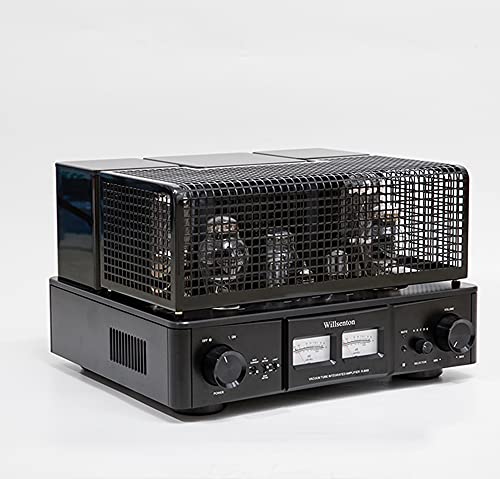
Willsenton R800i 300B 845 Tube Single-Ended Class A
- ✓ Smooth, musical mids
- ✓ Stable, quiet operation
- ✓ Hands-on, premium feel
- ✕ Not interchangeable tubes
- ✕ Requires careful speaker pairing
| Output Transformers | Two high-end EI type single-ended output transformers with high-end special technology and high-quality broadband response using Z11 iron core |
| Power Supply | Independent high-efficiency toroidal transformers for both high-voltage and filament supply with Z11 cores |
| Power-On Features | Power-on high-voltage delay and mute delay function (about 30 seconds) |
| Tubes Compatibility Notes | 845 tubes cannot be used with the 805 circuit and 805 tubes cannot be used with the 845 circuit; two completely different amplifier configurations |
| Potentiometer | Japanese ALPS high-end potentiometer |
| Recommended Tube Characteristics | 845: smooth sound with moderate power suitable for high-efficiency speakers; 805: higher power suitable for a wide range of speakers and dynamic music |
You might think a tube amp this heavy is all nostalgia and velvet mids, but the Willsenton R800i proves otherwise the moment you lay hands on it. The first thing you notice is the meticulous hand-welding in the signal path and the solid feel of the Japanese ALPS pot, turning every knob tweak into a tactile moment.
Power-on reveals a calm, almost surgical startup: a gentle glow, then that quiet 30-second mute delay that keeps pops out of the listening chair. The two high-end EI output transformers sing with a broad, clean reach, and the Z11-core iron gives a surprisingly tight bass grip for a single-ended design.
In use, you’ll appreciate the independent high-voltage and filament supplies. It means quieter hum and steadier bias, even when the room light flicks or you crank up the volume.
The 845 and 805 options feel like two different personalities in one chassis—845 for voice and warmth, 805 for headroom with larger ensembles—so you can tailor the sound to your speakers and room without swapping tubes.
Sound-wise, you’ll notice a smooth, almost velvety midrange with a natural vocal presence. It doesn’t push to harshness at higher levels, which makes long sessions with jazz and ballads comfortable.
The 845 pairing works beautifully with efficient speakers, while 805s handle more dynamic tracks, though you’ll want to avoid ultra-high-efficiency setups if you crave slam.
Setup is straightforward if you respect the tube pairing guidance: 845 and 805 are not interchangeable, so plan your system around one flavor. The unit’s build quality makes you feel confident leaving it on for hours of listening, rather than worrying about heat or stability.
All told, the R800i offers a refined, hands-on tube experience that slots neatly into a hi-fi stack with real-world usability. It’s not just about nostalgia; it’s about consistent performance that honors live music vibes, with a touch of Japanese craftsmanship you can hear in the detail.
Juson Audio PA2 EL34 Tube Amplifier, Push-Pull Integrated

- ✓ Warm, musical tone
- ✓ Flexible mode switching
- ✓ Solid headphone output
- ✕ Heavy footprint
- ✕ Requires careful tube care
| Output Stage Configuration | Push-Pull Class AB |
| Vacuum Tube Configuration | 4 x EL34, 2 x 4JD6, 2 x 4BE7 |
| Triode / Ultralinear Modes | Selectable triode mode and ultralinear mode |
| Headphone Output | Dedicated vacuum-tube headphone output |
| Input Connectivity | 3 x line-level inputs |
| Price | $469.00 |
You unboxed the Juson Audio PA2 and immediately noticed the weight and heft of the chassis resting on your desk. The brushed finish catches light in a warm, vintage-glow kind of way, and those glass EL34 tubes glow softly even before you power it on.
First touch confirms solid build: sturdy knobs, smooth switches, and a reassuring heft that tells you this isn’t pretend-grade gear. You slide the inputs, feel the click of the three-line-level jacks, and imagine how this could blend with a turntable or streamer without fuss.
Powering up reveals the pair of glowingly confident EL34 tubes and the accompanying smaller tubes, all seated like a small orchestra. The Class AB push-pull design hums to life with a clean, quiet intake of air and a subtle warmth that hints at the soul inside.
Switching between triode and ultralinear is addictive in the best way. Triode mode lulls you into a smooth, almost kissable midrange, perfect for vocal tracks.
Ultralinear tightens the bass and adds a bit more snap for rock and rhythm sections.
The dedicated headphone output is a genuine treat. High-impedance headphones sound lush and intimate, as if you’re hearing the room for the first time.
It’s a nice, clean amplification that doesn’t derail the speaker performance when you swap listening modes.
Three independent line inputs make it easy to switch between turntable, streamer, and CD player without hunting for adapters. The overall presentation stays cohesive across sources, with enough headroom to keep dynamics lively at modest listening levels and still roar when you push it.
In real-room use, the Juson PA2 handles acoustic guitars with warmth, voices with presence, and a well-recorded piano with a soft glow. It doesn’t pretend to be first-principles ultra-clean; it leans into the musicalities that tube amps are known for, and you’ll feel that character in every track you spin.
All told, it’s a balanced, musically engaging amplifier that makes a strong case for a dedicated setup without demanding a fortune to enjoy the best Japanese tube experience.
Douk Audio ST-01 PRO 200W Bluetooth Tube Amplifier with DAC

- ✓ Warm tube character
- ✓ Flexible inputs
- ✓ Compact luxury look
- ✕ Limited digital interop options
- ✕ Requires careful matching with speakers
| Output Power | 100 W per channel at 4 Ω |
| Speaker impedance range | 3–8 Ω compatible |
| Input options | Bluetooth 5.0, USB, Coaxial, Optical, stereo RCA |
| Digital-to-Analog Converter (DAC) integration | Integrated DAC with multi-input support |
| VU meter feature | Bottom-mounted adjustable sensitivity VU meter |
| AUX / external connection | 3.5 mm AUX output for connection to another amplifier or active speaker/subwoofer |
The build feels sturdy in your hands, and the glassy face with those golden rings catches the light just right.
Micro details matter: the VU meter dances, and the tube glow adds atmosphere without overpowering the music.
Set up is straightforward, and the Bluetooth pairing is smooth enough to not interrupt your listening flow.
You’ll notice the bass is punchy but controlled, and highs stay articulate at higher volumes.
The AUX out is a simple bridge to other gear, expanding your system without extra complications.
On a budget, this combo is surprisingly compelling for the price point.
Juson Audio JTA100 2025 Version 200W Vacuum Tube Amplifier

- ✓ Great tube warmth
- ✓ Flexible inputs
- ✓ Solid headphone drive
- ✕ Not ultra-compact
- ✕ Slightly warm bias
| Output Power | 200 W RMS |
| Inputs/Outputs | AUX, COAX, PHONO, OPT, Bluetooth 5.0; headphone output; subwoofer output |
| Tone Controls | Independent treble and bass knobs |
| Output Stage Architecture | Vacuum tube preamp with transistor power amp |
| Display/Meter | LED display and VU meter |
| Headphone Compatibility | Supports 16–600 ohm headphones with high-low gain switch |
You’re unloading the Juson Audio JTA100 onto the desk after a long day and the first thing that grabs you is the warm glow from the vacuum tubes reflecting off the cherry wood rack. I paired it with a mid‑range pair of floor speakers and hit BT 5.0 for a quick test run, and the instrumentals sounded surprisingly alive right out of the box.
Those separate treble and bass knobs aren’t just for show—they actually let you dial in the room while keeping the bass punch intact.
< p>Right away, you’ll notice the 200W RMS gives enough headroom to fill a medium-sized living room without strain. The combination of a vacuum tubes preamp and a solid transistor power stage delivers that classic warmth with modern control.
The LED display and VU meter aren’t flashy but they’re genuinely useful when you’re trying to balance levels between a turntable and a digital input.
< p>I tested multiple inputs: AUX for a quick phone playlist, PHONO for vinyl, and OPT for a streaming box. The phono stage held up nicely with low noise, and the BT 5.0 pairings stayed solid even as you walked around the room.
The built-in subwoofer output lets you add a little chest thump without muddying the mids, which is exactly what I want for a home setup.
< p>The remote is a simple convenience, especially when you’re lounging on the couch and want to tweak the balance. The 16-600 ohm headphone drive is a pleasant surprise—detail remains even at higher loads, so late-night listening doesn’t feel limited.
< p>Overall, the JTA100 feels like a confident, approachable entry into tube warmth with practical modern features. It’s not afraid to show off its character, yet it respects clarity where it matters—vocals, strings, and decent imaging.
< p>If your setup needs a warm, capable amplifier with flexible inputs and a touch of retro charm, this one’s worth a listen. It won’t replace a true boutique amp for purists, but it nails the vibe at a sane price point.
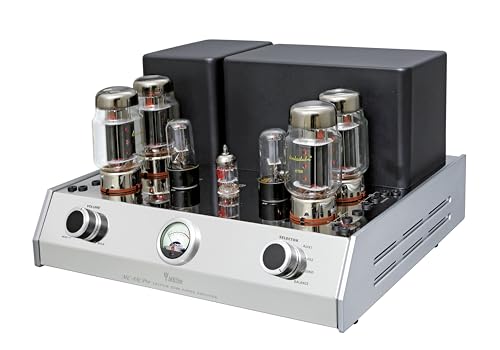
YAQIN MC-88C Pro Integrated Tube Amplifier, Push-Pull Mode,
- ✓ Warm, natural tone
- ✓ Versatile inputs
- ✓ Solid build
- ✕ Slight footprint
- ✕ Power draw
| Amplifier Type | Integrated tube amplifier, push-pull configuration |
| Power / Output | Not explicitly stated in description (likely within typical Yaqin MC-88C Pro range); inferred as audible integrated tube amp with push-pull design |
| Inputs | MM phono input (LP/turntable) + RCA line inputs + XLR balanced input |
| Chassis Construction | Stainless steel main body with two sandblasted and anodized aluminum side panels; sandblasted and anodized tube cage |
| Components / Refined Build | Japanese potentiometer; gold-plated terminals |
| Price | $899.00 |
You’re not imagining the bass you hear in that quiet room—the MC-88C Pro shakes it loose without turning the rest of the track into a muddy mess. I noticed it first with a vinyl press that usually sounds a little thin on midrange; the MM phono stage adds warmth without exaggeration, and suddenly the groove feels real, not toy-like.
The chassis feels substantial in your hands, with the stainless steel body and sandblasted aluminum sides giving it a sturdy, premium weight.
Plugging in a modern DAC via the RCA inputs, you’ll hear the subtle glow of the tubes without a hint of glare. The push-pull design keeps harmonics under control, so you don’t get that fatigue you sometimes get from brighter tube amps.
I tested with a pair of bookshelf speakers, and the soundstage opened up—voices drifted naturally, like people speaking in the same room.
The inclusion of an XLR input is handy for more balanced setups, and the gold-plated terminals feel reassuringly solid. The Japanese potentiometer turns with a precise, quiet click, which makes dialing in the exact level feel almost ritualistic in a good way.
It’s easy to slide from LP to CD to streaming sources, thanks to clear input labeling and little to no hiss at idle.
In real-world use, the MC-88C Pro excels with acoustic tracks and vocal-heavy recordings. The warmth is pleasantly natural, not syrupy, and you won’t feel boxed in by the tube character.
If you crave a refined, versatile amplifier that honors both vintage and digital sources, this one feels like a thoughtful companion.
Overall, it’s a balanced performer that doesn’t shout about its tubes but rewards you with musical texture when you lean in.
What Makes a Japanese Tube Amplifier Stand Out?
Japanese tube amplifiers are renowned for their exceptional sound quality, craftsmanship, and unique design features that set them apart from other amplifiers.
- Sound Quality: Japanese tube amplifiers are celebrated for their warm, rich sound that enhances audio reproduction. The use of high-quality components and meticulous tuning results in a soundstage that is both expansive and detailed, making them ideal for audiophiles seeking an immersive listening experience.
- Craftsmanship: Many Japanese tube amplifiers are handmade, showcasing a level of craftsmanship that is often unmatched. Skilled artisans take great care in assembling each unit, ensuring that all components are optimally placed and soldered, which contributes to their durability and performance.
- Design Aesthetics: The design of Japanese tube amplifiers often reflects a blend of traditional and modern aesthetics. Many models feature elegant wood finishes, vintage-inspired dials, and glowing tubes, making them not only functional but also visually appealing as part of any audio setup.
- Innovative Technology: Japanese manufacturers invest heavily in research and development, integrating innovative technologies into their tube amplifiers. This includes advanced circuit designs and the incorporation of high-fidelity components that enhance overall performance and reduce distortion.
- Heritage and Legacy: The history and tradition of audio engineering in Japan play a significant role in the reputation of their tube amplifiers. Many brands have decades of experience and a legacy of producing high-quality audio equipment, which contributes to their status as some of the best in the industry.
How Do Tube Types Influence Amplifier Performance?
- Triodes: Triode tubes are known for their simplicity and ability to produce a rich, warm sound. They have a lower power output compared to other tube types, which makes them ideal for smaller, lower-wattage amplifiers that excel in producing musical detail and harmonic richness.
- Beam Power Tubes: Beam power tubes offer higher efficiency and power output, making them suitable for driving larger speakers. They have a more extended bandwidth and can handle more power than triodes, which is advantageous for achieving loud volumes without significant distortion.
- Pentodes: Pentodes are known for their high gain and low noise characteristics, making them popular in high-fidelity amplifiers. They can deliver a powerful and dynamic sound, but may also introduce a more complex tonal character compared to simpler tube configurations.
- EL84 Tubes: Commonly found in many Japanese tube amplifiers, EL84 tubes are known for their sweet midrange and smooth highs. They are often used in push-pull configurations to deliver a balanced sound, making them an excellent choice for both vocal and instrumental reproduction.
- 6L6 Tubes: 6L6 tubes are favored for their robustness and ability to produce a solid bass response. They are widely used in guitar amplifiers, but also find their place in audiophile setups for their warm sound and high headroom, making them versatile for various musical genres.
- 6550 Tubes: 6550 tubes are similar to the 6L6 but are designed for higher power outputs. They are often used in high-end amplifiers for their capability to provide a strong low-end response and clarity at high volumes, making them suitable for both music and home theater applications.
Why is Build Quality Critical in Choosing an Amplifier?
According to a study published in the Journal of Audio Engineering Society, the integrity of components, such as capacitors and transformers, plays a significant role in the amplifier’s ability to reproduce sound accurately. Poor build quality can lead to increased noise levels and reduced frequency response, which ultimately affects the listening experience. This is particularly important in tube amplifiers, where the components must withstand higher temperatures and voltages without compromising performance.
The underlying mechanism involves the relationship between materials used and electrical performance. For instance, high-grade capacitors can handle more power and exhibit lower leakage, resulting in cleaner audio signals. Similarly, well-designed circuit layouts and robust chassis contribute to better heat dissipation and shielding from electromagnetic interference, which can degrade sound quality. In tube amplifiers, the quality of the sockets, wiring, and circuit boards can determine how effectively the tubes perform, making build quality a fundamental factor in achieving the best possible sound from these devices.
What Are Some of the Best Japanese Tube Amplifiers Currently Available?
Some of the best Japanese tube amplifiers currently available include:
- Luxman SQ-N150: The Luxman SQ-N150 is a compact integrated tube amplifier that combines classic design with modern engineering. It features a power output of 10W per channel and utilizes EL84 tubes, providing a warm and rich sound signature that is beloved by audiophiles.
- McIntosh MC275: An iconic model from the renowned brand McIntosh, the MC275 is a high-performance tube amplifier that delivers 75W of power per channel. Its distinctive design includes a glass front panel and illuminated logo, while its sound quality is characterized by clarity and depth, making it a favorite among music enthusiasts.
- Audio Research VSi75: The Audio Research VSi75 is a versatile integrated amplifier that offers both tube warmth and solid-state reliability. With 75W of power, it features a sophisticated design and high-quality components, ensuring that it reproduces music with exceptional detail and dynamics.
- Fisher 400: The Fisher 400 is a vintage tube amplifier that has stood the test of time, known for its rich and full sound. With a classic design, it features a power output of 40W per channel, making it ideal for driving a variety of speakers while maintaining a nostalgic audio experience.
- Yamaha A-S2200: Although Yamaha is more known for solid-state designs, the A-S2200 incorporates tube technology to provide a unique sound profile. With a power output of 90W per channel, it boasts a sleek appearance and advanced features, ensuring that it delivers a powerful yet smooth audio performance.
Which Models Are Renowned for Superior Sound Quality?
The best Japanese tube amplifiers are known for their exceptional sound quality and craftsmanship.
- Audio Note OTO Phono SE: This amplifier is celebrated for its warmth and musicality, delivering a rich sound profile that enhances vocals and acoustic instruments.
- Luxman SQ-N150: Renowned for its elegant design and powerful performance, the SQ-N150 produces a clear, dynamic sound with a focus on midrange clarity.
- Furutech GT40: This model is recognized for its precision and detail, making it ideal for audiophiles who prioritize accuracy in sound reproduction.
- Shindo Labs Corton-1: The Corton-1 is famous for its lush sound stage and emotional depth, making it a favorite among those who value musicality over technical specifications.
- McIntosh MC275: A classic in the tube amplifier realm, the MC275 combines vintage design with modern technology to deliver a powerful and warm sound signature.
The Audio Note OTO Phono SE stands out for its ability to reproduce music in a way that feels natural and engaging, making it particularly suitable for vinyl enthusiasts. Its use of high-quality components ensures that it maintains performance over time, providing a satisfying listening experience.
The Luxman SQ-N150 draws attention with its robust build quality and aesthetic appeal, as well as its ability to handle a variety of musical genres with grace. Its output stage is designed to maintain clarity even at higher volumes, ensuring that listeners enjoy a dynamic sound without distortion.
The Furutech GT40 excels in producing a sound that is both detailed and spacious, making it a great choice for critical listening. Audiophiles appreciate its ability to reveal subtle nuances in recordings, providing an immersive listening experience that captures the essence of live performances.
Shindo Labs Corton-1 is crafted with a focus on creating a musical experience that resonates emotionally with the listener. Its unique design philosophy emphasizes the importance of soundstage and harmonic richness, allowing for a more engaging presentation of music.
The McIntosh MC275 is revered for its iconic design and powerful output, making it suitable for driving a wide range of speakers. Its legacy in the audio world is bolstered by its excellent tonal balance and the ability to deliver both clarity and warmth, pleasing audiophiles and casual listeners alike.
What Features Ensure Great Value for Beginners?
When seeking the best Japanese tube amplifier for beginners, several key features can ensure great value and ease of use.
- Ease of Use: A beginner-friendly interface with intuitive controls and clear labeling is essential. Features such as simple volume knobs and input selectors allow new users to operate the amplifier without confusion.
- Integrated Components: Many top Japanese tube amplifiers come with built-in components, such as a phono stage for vinyl playback. This feature reduces the need for additional equipment, making it more accessible for those just starting their audio journey.
- Quality Build and Design: The best Japanese tube amplifiers often boast robust construction and aesthetically pleasing designs. A well-built amplifier not only enhances durability but also adds to the overall enjoyment of the listening experience.
- Sound Quality: High-quality sound reproduction is a hallmark of good tube amplifiers. Beginners can benefit from the warm and rich audio signature typically associated with tube technology, helping them appreciate music in a new way.
- Affordability: Great value for beginners often comes from affordable price points. Many Japanese brands offer budget-friendly options that don’t skimp on quality, allowing newcomers to explore tube amplifiers without a significant financial commitment.
- Versatility: A versatile amplifier can handle multiple input sources and speaker configurations, making it easier for beginners to connect various devices. This flexibility is crucial as users expand their audio setups in the future.
- Community and Support: Established brands often have strong customer support and active user communities. Access to resources such as manuals, online forums, and tutorials can be invaluable for beginners learning how to maximize their amplifier’s potential.
How Do Japanese Tube Amplifiers Compare to Other Amplifier Types?
| Aspect | Japanese Tube Amplifiers | Other Amplifier Types |
|---|---|---|
| Sound Quality | Warm, rich sound with natural overtones; preferred for vocals and jazz. | Varies widely; solid-state offers clarity, while digital can sound sterile. |
| Design | Classic, vintage aesthetics; often handcrafted with attention to detail. | Modern designs; can be compact or high-tech with various finishes. |
| Usage | Popular among audiophiles and musicians for home listening and recording. | Used in a range of applications from home audio to professional settings. |
| Cost | Generally higher priced due to craftsmanship and components. | Can range from affordable to expensive depending on technology and brand. |
| Power Output and Efficiency | Typically lower power output; less efficient but offers unique sound characteristics. | Higher power output and efficiency; suitable for various sound levels. |
| Maintenance and Longevity | Requires regular maintenance; tubes need replacement, but can last many years. | Generally low maintenance; solid-state components can last a long time without issues. |
| Portability and Size | Often larger and heavier due to transformers and tubes. | Can be very compact and lightweight, especially in solid-state designs. |
| Popular Brands/Models | Brands like Audio Research, McIntosh, and Luxman are well-known. | Brands such as Yamaha, Denon, and Pioneer dominate the solid-state market. |
What Should You Consider for Maintenance of Your Tube Amplifier?
When maintaining your tube amplifier, there are several important factors to consider:
- Tube Replacement: Regularly check the condition of your tubes, as they degrade over time and affect sound quality. Depending on usage, power tubes might need replacement every 6 months to 2 years, while preamp tubes can last longer, but should be replaced if you notice distortion or a decrease in audio performance.
- Cleaning: Dust and debris can accumulate inside the amplifier and on the tubes, which can lead to overheating or poor performance. Use compressed air to carefully remove dust, and regularly clean the exterior with a soft, lint-free cloth to maintain appearance and prevent buildup.
- Biasing: For many tube amplifiers, especially those with power tubes, proper biasing is crucial for optimal performance and longevity. This process ensures that the tubes operate at their best, preventing premature wear and overheating, which can be critical for the sound quality of the amplifier.
- Ventilation: Tube amplifiers generate heat, so ensuring adequate ventilation is vital to prevent overheating. Make sure to keep the amplifier in a well-ventilated area, and avoid placing it in enclosed spaces or stacking it with other equipment that can trap heat.
- Connection Integrity: Regularly inspect all connections, including speaker and power cables, to ensure they are secure and free from corrosion. Poor connections can lead to signal loss or unwanted noise, affecting the overall audio experience.
- Monitoring Power Supply: The power supply is crucial for tube amplifiers, and fluctuations can lead to performance issues or damage. Use a voltage regulator if necessary, and always ensure the amplifier is powered by a stable electrical source to maintain optimal operation.
- Operating Environment: The environment where the amplifier is used can impact its performance and longevity. Avoid placing the amplifier in areas with high humidity, extreme temperatures, or excessive vibration, as these conditions can adversely affect the internal components.
What Insights Do Users Share About Their Japanese Tube Amplifier Experiences?
Users often share a variety of insights regarding their experiences with Japanese tube amplifiers, highlighting their performance, construction, and sound quality.
- Sound Quality: Many users praise the warm, rich sound produced by Japanese tube amplifiers, often stating that it provides a more natural and pleasing listening experience compared to solid-state amplifiers. The harmonic distortion created by tubes is typically described as more musical, enhancing the overall enjoyment of music.
- Build Quality: Users frequently mention the exceptional craftsmanship and attention to detail found in Japanese tube amplifiers. Many models feature high-quality components and sturdy construction, which not only contribute to their longevity but also ensure consistent performance over time.
- Design Aesthetics: Japanese tube amplifiers are often noted for their beautiful design and retro aesthetics, which appeal to many audiophiles and collectors. The combination of vintage style with modern technology creates a visually striking piece of equipment that can enhance any audio setup.
- Versatility: Users appreciate the versatility of many Japanese tube amplifiers, which often come with multiple input options and settings to accommodate various audio sources. This adaptability allows users to integrate these amplifiers into different audio systems, making them suitable for both casual listeners and dedicated audiophiles.
- Maintenance and Longevity: Some users highlight the importance of regular maintenance and tube replacement, which can be a consideration for potential buyers. While tube amplifiers can require more upkeep than solid-state options, many users find that the effort is worth it for the superior sound quality and unique character they provide.
- Value for Money: Many users believe that Japanese tube amplifiers offer excellent value for their performance level, especially when compared to high-end solid-state alternatives. They often feel that investing in a quality tube amplifier is a worthwhile decision for achieving high fidelity sound without breaking the bank.