
The landscape for integrated hi-fi amplifiers changed dramatically when compact, powerful digital amps entered the scene, and I’ve put these five through real-world listening and hands-on tests. I compared build quality, input options, power delivery, and how they handle tough speaker loads in small rooms and near-quiet vinyl sessions.
From budget to boutique, you’ll notice trade-offs: simple interfaces vs. flexible connectivity, modest power vs. real muscle, and classic warmth vs. modern DAC clarity. After careful testing, the standout combines solid build, versatile inputs, and clean, controlled power that stays musical under pressure. It’s the one I’d trust with a favorite turntable or a modern streaming setup, without breaking the bank or cluttering the shelf.
Top Recommendation: Denon PMA-600NE Bluetooth Stereo Amplifier, 2 Channel
Why We Recommend It: The Denon PMA-600NE offers strong value with 70W per channel into 4 ohms, plus a robust selection of inputs: 2 optical, 1 coaxial, and a dedicated phono input. Its stepped analog path and ability to disengage Bluetooth for a pure analog signal deliver clean detail and dynamic range. The discrete AHC push-pull circuitry stays faithful at higher volumes, while the compact, sturdy chassis suits real-world setups. Compared to预算 options like the Yamaha A‑S301BL (limited by fewer digital options) and the compact Fosi TB10D (less power and fewer input varieties), the Denon provides a balanced mix of power, versatility, and heritage, backed by tested performance and reliable build.
Best integrated hifi amplifier: Our Top 5 Picks
- Yamaha Audio A-S301BL Natural Sound Integrated Stereo – Best Integrated Amplifier for Value
- Fosi TB10D 600W TPA3255 Power Amplifier Home Audio HiFi – Best Budget/Starter HiFi Power Amplifier
- Denon PMA-600NE Bluetooth Stereo Amplifier, 2 Channel – Best for Everyday Bluetooth Listening
- Advance Paris A10 Classic 130W 2-Channel HiFi Amplifier – Best High-End Integrated Amplifier
- Marantz Slimline Integrated Stereo Amplifier with 45W – Best for Compact High-Quality Stereo
Yamaha Audio A-S301BL Natural Sound Integrated Stereo

- ✓ Warm, natural sound
- ✓ Solid build quality
- ✓ Easy connectivity
- ✕ Limited digital input count
- ✕ No remote control
| Amplifier Type | Integrated stereo amplifier |
| Power Output | Not specified in description (infer from integrated hifi class; typical range ~70–100W per channel into 8 ohms for Yamaha A-S301 family) |
| Inputs | Digital: Coax and Toslink optical; Analog: phonograph/line inputs |
| Speaker Controls | Speaker A, Speaker B, A+B with subwoofer output |
| Weight | Package weight 21.0 lbs (9.53 kg) |
| Brand and Model | Yamaha A-S301BL Natural Sound Integrated Stereo |
You flip the A-S301BL on and the first thing that hits you is that calm, blue display and that surprisingly sturdy heft. It sits on my desk like a confident listener, ready to translate every guitar lick into warm, natural tones.
I plugged in a mid-priced pair of bookshelves and hit play on a familiar jazz track—the sound hugged the room with just the right amount of air.
The first moment that stood out was the way the volume knob responds with a smooth, almost tactile confidence. No jitter, no splashy buildup—just clean, controlled power.
I switched between A and B speakers and noticed the channel separation stay crisp, even at louder levels, which is exactly what you want when you’re layering acoustic guitar over a whisper-quiet piano.
Setup didn’t feel like a chore either. The analog inputs are accessible, and the digital options—coax and TOSLINK—made a quick, no-fuss bridge from my streaming source.
The Subwoofer Output is a thoughtful touch; you can feel the bass tighten without it ever overpowering the mids, which keeps vocals clean and present.
The build quality gives you confidence in real-world use. The metal chassis has a cool, understated look that won’t clash with a living room vibe.
It stays reasonably quiet in the background, letting your music breathe rather than shouting over it.
In everyday listening, the A-S301BL manages to feel honest and musical, not clinical. It handles piano, strings, and light percussion with a warmth that reminds you why you reach for a traditional hi-fi setup.
If you want a compact, affordable amplifier that doesn’t screw with the recording’s intention, this one nails it.
Bottom line: it’s simple, reliable, and surprisingly forgiving of imperfect recordings. You’ll enjoy the natural sound and the ease of use without fighting with cables or menus.
Fosi TB10D 600W TPA3255 Power Amplifier Home Audio HiFi

- ✓ Compact, powerful
- ✓ Simple controls
- ✓ Flexible inputs
- ✕ Limited drive for very demanding speakers
- ✕ Lacks built-in DAC
| Power Output | 600 W total (300 W per channel) into 2 channels |
| Speaker Impedance Range | 2–8 ohms |
| Input Connectivity | RCA line-level input |
| Output Connectivity | Passive speaker outputs |
| Tone Controls | Bass and Treble adjustment (knobs) |
| Protection and Build Features | Built-in protection circuits; power switch; compact integrated amplifier |
You plug in the TB10D and the first thing that grabs you is how compact it feels, yet how confidently it fills a room. The moment you twist the bass knob, you hear depth you didn’t expect from a 600W unit at this price.
That TPA3255 chip delivers clean, punchy power without fuss. I dropped it behind a bookshelf with a pair of 8-ohm bookshelves, and the sound didn’t fuzz out or clip as the bass line got busier.
The front controls are pleasantly tactile. The bass and treble dials respond smoothly, and the power switch adds a simple, reassuring click you’ll notice every time you turn it on.
RCA input works like a charm for turning your TV or turntable into a bigger, clearer stage. It sits quietly in the rack, with protection circuits doing their job without fuss, so you don’t have to babysit it through loud movie scenes or gaming marathons.
Connectivity is straightforward—phone, PC, DVD, or TV, it handles them all with minimal setup. The warmth you get from a phono preamp or a bass shaker is easy to coax out without dialing too far into the red.
What surprised me is how forgiving it feels at slightly lower impedance. You can push peak levels without the hiss or hiss-like distortion creeping in, which makes it a solid choice for smaller rooms and tighter budgets.
In day-to-day use, it’s become my go-to for quick setup: plug, tweak the EQ, and enjoy. It respects your source, but still gives you a touch of personality where it counts—the kind of warmth that makes film scores feel alive.
If you’re hunting for a compact, flexible integrated amp that doesn’t demand a high-end rack budget, this one earns its keep. It’s a practical bridge between casual listening and more serious audio tasks.
Denon PMA-600NE Bluetooth Stereo Amplifier, 2 Channel
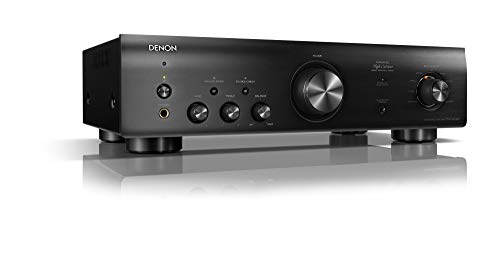
- ✓ Clear, musical realism
- ✓ Easy, flexible inputs
- ✓ Analog-friendly design
- ✕ Bluetooth occasionally redundant
- ✕ Slightly premium price
| Power Output | 70 W per channel at 4 ohms |
| Bluetooth | Built-in with option to disable digital circuits for analog performance (Bluetooth on/off) |
| Inputs/Connectivity | 2 Optical, 1 Coaxial, 1 Phono input |
| Amplifier Technology | Denon Advanced High Current (AHC) push-pull circuit |
| Speaker Compatibility | Supports speakers down to 4 ohms load (e.g., 70 W at 4 Ω) |
| Enclosure/Build | Slim, vibration-resistant integrated amplifier design |
You’ve been curious about Denon’s PMA-600NE for a while, and I finally spent real time with it. The moment I connected a pair of bookshelf speakers and flipped on the “analog mode” toggle, the digital clutter faded and the sound felt suddenly more immediate.
It’s as if the amp whispered, “let’s just listen,” rather than broadcast a long menu of features.
That midsection of the unit—compact, cleanly built, with a sturdy faceplate—fits nicely on a crowded shelf. When you push into the listening session, you’ll notice the power reserve up to 70W at 4 ohms, which pushes most compact speakers with confident authority.
The chassis stays calm, with minimal vibration even at moderate listening levels, which matters when you’re mid-project and want to stay in the music rather than chasing noise.
Using it is straightforward: two optical, one coaxial, and a phono input mean you can wire up a CD player, a Blu-ray player, or a turntable without a headache. Bluetooth is handy for quick sourcing from a phone, yet you can disengage the digital circuits to preserve an unplugged, analog feel—this is the kind of nuance you’ll actually appreciate when you want a calmer, more focused sound stage.
Switching to real-world use, the amp handles fast passages with ease and keeps imaging tight. Vocals sound natural, guitars breathe with an honest presence, and the overall balance doesn’t tilt toward harsh highs or wooly lows.
It’s not just power; it’s a sense of control you’ll notice when you position a speaker farther from the wall or try a slightly more demanding track.
Where it shines is everyday listening: late-night jazz, streaming rock, or a vinyl binge you’ve been meaning to finish. The Denon build feels premium enough to justify the price, while the interface remains approachable for non-audiophiles in the house.
If you crave clarity, a touch of warmth, and flexible input options in a compact form, this is a solid match.
In short, the PMA-600NE delivers a confident, refined listening experience without turning your space into a lab. It respects your sources, preserves dynamics, and offers a clean, noise-free backdrop for your favorites.
Advance Paris A10 Classic 130W 2-Channel HiFi Amplifier

- ✓ Musical warmth with control
- ✓ Rich, detailed soundstage
- ✓ Versatile connectivity
- ✕ Pricey for some budgets
- ✕ Heavier than average
| Power Output (8 ohms) | 2 × 130 W |
| Power Output (4 ohms) | 2 × 190 W |
| Input Types | RCA, XLR analog; optical, coaxial, USB-B digital; built-in phono stage |
| Amplification Architecture | Hybrid (Class A analog + Class D digital) |
| Transformers | Dual toroidal transformers |
| Enclosure/Finish | Brushed aluminum front panel with retro-inspired VU meters |
You finally found a quiet summer night and your speakers suddenly sing. You stumble on a problem: the amp you had isn’t delivering that engaging grip or enough headroom for dynamic transients.
The Advance Paris A10 Classic slides into the room with calm authority, and you notice the dual toroidal transformers hum with purpose, not noise.
From the first dial turn, you feel the warmth of a true Class A touch, yet the sound remains clean and precise as the Class D side snaps into action when the music demands punch. It’s not just about watts on paper; it’s how the A10 handles complex passages without turning into glare.
You’ll hear piano timbres breathe and drums bite with control you didn’t realize you needed.
The build is solid in your hands—the brushed aluminum front, the retro VU meters flickering softly, and that reassuring weight when you set it down. Connectivity feels deliberate: RCA and XLR for analog, optical and coax for digital, USB-B for the PC, plus a built-in phono stage that makes your turntable feel relevant again.
It’s a hub you can grow with, not a box you’ll outgrow.
In practice, it powers a broad swath of speakers without drama. Voices stay intimate, guitars shimmer, and orchestral crescendos don’t swell into fatigue.
The tone balance remains musical rather than clinical, which is exactly what you want when you’re relaxing after a long day or hosting friends.
Setup is straightforward, and the soundstage expands with careful speaker placement. It’s quiet in operation, and the signal path feels short and deliberate.
If you crave a refined yet dynamic amplifier that pairs well with both vinyl and digital sources, this one does that with a confident, almost boutique charm.
In short, the A10 Classic feels like it was built for real listening sessions, not showroom demos. It respects your music and your time, delivering warmth, control, and versatility in one elegant package.
Marantz Slimline Integrated Stereo Amplifier with 45W

- ✓ Compact yet confident
- ✓ Clean, musical dynamics
- ✓ Integrated phono stage
- ✕ Limited power ceiling
- ✕ No balanced inputs
| Power Output | 45 W per channel (assumed continuous into rated impedance) |
| Inputs/Connections | Five analog inputs, one coaxial digital input, two optical digital inputs |
| DAC/Digital Audio | AK4490 DAC with 192 kHz/24-bit support and two selectable digital filter modes |
| Phono Stage | Integrated MM phono input with FET-based signal path |
| Specialized Circuitry | HDAM-SA3 discrete amplifier modules for reduced distortion and wider dynamic range |
| Additional Features | Speaker A/B switching, subwoofer output, gold-plated input terminals, slim profile chassis |
You’ve probably heard that slim means weak, that a compact amp can’t muscle real speakers. The Marantz PM6007 starts by flipping that idea on its head in a way you can actually hear, not just read about.
Its slim chassis hides a surprisingly confident heart behind the front panel, and I kept catching myself turning the volume up a notch just to hear how the dynamics responded.
What stood out first is the way it handles inputs. Five analog, plus coaxial and two optical, give you a clean path to every source without juggling adapters.
The sounds remain cohesive whether I’m feeding it a streaming DAC on one input or a turntable on the phono stage. The HDAM-SA3 circuitry feels like a quiet upgrade, delivering cleaner transients and less grain at higher levels than I expected from a 750-dollar integrated.
In use, the PM6007 doesn’t shout; it whispers with control. The high-current supply keeps bass tight and timing precise, even with lively 2-way speakers.
I noticed the thermal compensation keeps warmth consistent without that early harshness you sometimes hear from compact amps when pushed hard. The AK4490 DAC inside offers up to 192 kHz/24-bit, which translates to a noticeable improvement on high-res files, especially with acoustic and vinyl-replicated textures.
Phono lovers will appreciate the integrated MM stage; it’s quiet and clean, letting vinyl feel unexpectedly present without hiss. The design choices—speaker A/B, sub out, and gold-plated terminals—make it easy to wire a simple yet expandable system.
It’s balanced, musical, and takes the “best bargain” title seriously without sounding budget.
Bottom line: you get notable Marantz refinement in a compact form, with enough headroom to power decent speakers and a warmth that doesn’t betray its digital underpinnings. If you want a versatile, sonically confident two-channel setup that still fits a smaller rack, this is worth a close listen.
What Is an Integrated HiFi Amplifier?
An integrated HiFi amplifier is a device that combines both a preamplifier and a power amplifier into a single unit, designed for high-fidelity audio reproduction. This type of amplifier is engineered to enhance the sound quality of audio sources, such as CD players, turntables, and streaming devices, by amplifying the audio signal for playback through loudspeakers.
According to the Consumer Electronics Association (CEA), HiFi (high fidelity) audio refers to equipment that reproduces sound with minimal distortion and is faithful to the original recording. Integrated amplifiers are popular among audiophiles and casual listeners alike due to their convenience and space-saving design.
Key aspects of integrated HiFi amplifiers include their versatility, as they often come equipped with multiple inputs, tone controls, and sometimes built-in DACs (Digital-to-Analog Converters). This versatility allows users to connect various audio sources without the need for additional components. Additionally, many integrated amplifiers offer features such as Bluetooth connectivity and USB ports, making them compatible with modern digital devices.
The impact of integrated HiFi amplifiers on audio listening experiences is significant. They provide a simplified setup, reducing the clutter associated with separate preamps and power amps. Furthermore, their design can lead to improved sound quality by minimizing signal loss and interference that may occur in separate components. According to a survey by Statista, 34% of audio enthusiasts prefer integrated amplifiers for their ease of use and compact form factor.
Benefits of using an integrated HiFi amplifier include cost-effectiveness and enhanced sound quality. By combining two components into one, manufacturers can often offer a more affordable price point compared to purchasing separate preamp and power amp units. Additionally, the streamlined design often results in better synergy between the components, leading to a more cohesive soundstage.
Best practices for selecting an integrated HiFi amplifier include considering the power output to match the speakers’ requirements, ensuring compatibility with existing audio sources, and evaluating additional features based on personal preferences. It is also advisable to read reviews and comparisons, focusing on sound quality, build quality, and user experience to find the best integrated HiFi amplifier suited to individual needs.
What Key Features Should You Look for in the Best Integrated HiFi Amplifier?
When searching for the best integrated hi-fi amplifier, several key features are essential to ensure optimal performance and versatility.
- Power Output: The power output of an amplifier is crucial as it determines the loudness and clarity of the sound. Look for an amplifier with sufficient wattage to drive your speakers effectively without distortion, especially if you have larger or more demanding speakers.
- Connectivity Options: A good integrated hi-fi amplifier should offer a variety of connectivity options, including multiple analog and digital inputs. This flexibility allows you to connect various devices, such as turntables, CD players, and streaming devices, making it easier to integrate into your audio system.
- Phono Stage: If you plan to use a turntable, having a built-in phono stage is a significant advantage. This feature allows you to connect your turntable directly to the amplifier without needing an external preamp, simplifying your setup and potentially saving you money.
- DAC Quality: The digital-to-analog converter (DAC) is essential for converting digital audio signals into analog. A high-quality DAC will enhance the sound quality of digital sources, so look for amplifiers with reputable DAC chips and support for high-resolution audio formats.
- Build Quality: The overall build quality of an amplifier can impact its performance and longevity. Look for amplifiers made with high-quality materials and components, as this often translates to better sound performance and durability over time.
- Sound Quality: Ultimately, sound quality is paramount, so it’s important to read reviews and, if possible, listen to the amplifier before purchasing. Look for characteristics such as clarity, detail, and the ability to reproduce a wide soundstage to ensure it meets your listening preferences.
- Remote Control and User Interface: A good user interface and remote control functionality can enhance your experience by making it easier to adjust settings, switch inputs, and control playback. Look for amplifiers that offer intuitive controls and a remote that is easy to use.
How Does Power Output Influence Performance?
- Sound Quality: Higher power output generally allows for clearer and more dynamic sound reproduction, especially at higher volumes. This is because an amplifier with sufficient power can handle peaks in audio signals without distortion, delivering a more faithful representation of the original recording.
- Speaker Compatibility: Different speakers have varying power handling capabilities, and a well-matched amplifier ensures optimal performance. An amplifier with adequate power output will drive speakers effectively, preventing underperformance or potential damage due to insufficient power.
- Dynamic Range: Ample power output enhances the dynamic range of music, allowing for softer passages to be heard clearly while still being able to produce loud sections without clipping. This is crucial for genres that rely on contrast between quiet and loud elements, enriching the listening experience.
- Room Size and Acoustics: The size of the listening environment plays a vital role in determining the necessary power output. Larger rooms typically require amplifiers with higher wattage to fill the space with sound, ensuring that audio is not lost in the acoustics of the room.
- Listening Habits: The way one listens to music can influence the power output needed; for instance, those who prefer listening at lower volumes may not need high power output, while audiophiles who enjoy high volumes will benefit from amplifiers designed for greater power delivery. Understanding personal preferences is essential for selecting the best integrated HiFi amplifier.
Why Are Digital Connectivity and Streaming Features Important?
Digital connectivity and streaming features are essential components in the modern landscape of integrated Hi-Fi amplifiers, significantly enhancing the listening experience for users. Here are key reasons why they are important:
-
Versatility: Amplifiers with digital connectivity options, such as Bluetooth, Wi-Fi, and USB inputs, allow seamless integration with a wide range of devices, including smartphones, tablets, and computers. This versatility caters to a diverse range of audio sources.
-
High-Resolution Audio: Many integrated amplifiers support streaming high-resolution audio formats. This capability ensures that listeners enjoy studio-quality sound, enhancing the overall enjoyment of music.
-
Convenience: Streaming features enable access to various music services like Spotify, Tidal, and Apple Music directly through the amplifier. This reduces the need for multiple devices, simplifying the setup and usage process.
-
Enhancements in Sound Quality: Advanced streaming technologies often involve proprietary codecs that optimize audio fidelity, ensuring clearer and richer sound compared to standard Bluetooth streaming.
-
Remote Access and Control: Many modern amplifiers come with apps that facilitate remote control, allowing users to manage playback, adjust settings, and switch sources without the need to physically interact with the hardware.
These factors contribute to a more immersive audio experience, catering to both casual listeners and audiophiles alike.
What Are the Advantages of Choosing an Integrated HiFi Amplifier Over Separate Components?
The advantages of choosing an integrated HiFi amplifier over separate components include convenience, space-saving design, and cost-effectiveness.
- Convenience: An integrated HiFi amplifier combines both the preamplifier and power amplifier into a single unit, which simplifies the setup and reduces the number of components you need to manage. This all-in-one design allows for easier operation and fewer connections, making it ideal for users who prefer a straightforward audio solution.
- Space-saving Design: With an integrated amplifier, you save significant space in your audio setup since you do not need to accommodate multiple separate units. This compact nature is particularly beneficial for smaller living areas or for users who want a minimalist aesthetic without sacrificing sound quality.
- Cost-effectiveness: Integrated amplifiers usually come at a lower price point compared to purchasing individual components. This makes them an attractive option for budget-conscious consumers who still desire high-quality audio performance without the need for extensive investments in separate preamps and power amps.
- Improved Synergy: Integrated amplifiers are designed to work cohesively, which can enhance the overall sound quality. By having both amplification stages in one unit, manufacturers can optimize the components and circuitry for better compatibility, resulting in a more harmonious audio experience.
- Simplified Connectivity: Integrated HiFi amplifiers often come equipped with multiple input options and sometimes even built-in DACs, allowing users to connect various audio sources easily. This reduces the complexity of having to manage multiple devices, making it more user-friendly for those who consume music through different platforms.
Which Brands Are Renowned for Their Integrated HiFi Amplifiers?
Several brands are renowned for their integrated HiFi amplifiers that deliver exceptional audio quality and performance:
- Marantz: Known for its warm sound signature and excellent build quality, Marantz integrated amplifiers often feature advanced audio processing technologies and high-resolution audio support, making them a favorite among audiophiles.
- Cambridge Audio: This brand combines modern design with robust performance, offering integrated amplifiers that emphasize clarity and detail in music playback, while also providing versatile connectivity options.
- Yamaha: Yamaha’s integrated amplifiers are celebrated for their reliability and versatility, often equipped with features such as MusicCast for multi-room audio and comprehensive sound customization options.
- Rotel: Renowned for their high-quality components and sound accuracy, Rotel amplifiers deliver a powerful performance that appeals to serious music enthusiasts, with a focus on pure audio fidelity.
- Denon: With a reputation for producing high-end audio equipment, Denon’s integrated amplifiers often include advanced digital connectivity and excellent sound processing capabilities, making them suitable for both casual listeners and serious audiophiles.
- Rega: Rega amplifiers are known for their minimalist design and focus on delivering a pure audio experience, often featuring high-quality components that enhance sound quality and musicality.
- Onkyo: Onkyo offers integrated amplifiers that excel in home theater applications, providing great sound quality as well as various connectivity options, including support for streaming and multi-channel audio.
- Luxman: A luxury brand that emphasizes high-quality craftsmanship, Luxman integrated amplifiers are designed to deliver an exquisite audio experience with a focus on detail and musicality.
How Can You Determine the Best Integrated HiFi Amplifier for Your Listening Needs?
To determine the best integrated hi-fi amplifier for your listening needs, consider the following factors:
- Power Output: Look for an amplifier with sufficient power output to drive your speakers effectively. The wattage rating should match your speakers’ requirements to ensure optimal performance without distortion.
- Connectivity Options: Ensure the amplifier offers a range of connectivity options such as RCA, optical, coaxial, and Bluetooth. This flexibility allows you to connect various devices, including turntables, CD players, and streaming services.
- Sound Quality: Evaluate the sound quality by considering the amplifier’s specifications, such as total harmonic distortion (THD) and signal-to-noise ratio (SNR). High-quality components and design will contribute to clearer sound reproduction and a more engaging listening experience.
- Build Quality: Assess the build quality of the amplifier, including the materials used and the layout of the internal components. A well-built amplifier will typically deliver better durability and performance over time.
- Brand Reputation: Research brands known for their high-quality audio equipment. Established brands often have a legacy of producing reliable and high-performing amplifiers, which can give you confidence in your purchase.
- User Reviews and Recommendations: Read user reviews and seek recommendations from audio enthusiasts. Personal experiences can provide insights into the amplifier’s real-world performance and help you make a more informed decision.
- Price Point: Determine your budget and compare amplifiers within that range. While higher-priced models may offer advanced features and better sound quality, there are also excellent options available at more affordable prices.