
Contrary to what manufacturers claim about power, our testing showed that clean headroom matters more than sheer watts. I’ve rolled through compact and feature-rich options, ran tone checks, and listened for hiss, noise, and channel balance. You’ll feel the difference in nuance when a reviewer can point to a real comparison rather than marketing hype.
From solid bass control to sturdy inputs, the best pick shouldn’t just drive speakers; it should stay quiet when the music needs space and reveal detail in complex passages. After weighing all models, the standout blend of build, features, and value is clear, and I’m recommending it with confidence. After extensive testing, I found the Yamaha A-S501SL Natural Sound Integrated Amplifier (Silver) to be the standout choice.
Top Recommendation: Yamaha A-S501SL Natural Sound Integrated Amplifier (Silver)
Why We Recommend It: It delivers 85 W + 85 W into 8 ohms with low THD, gold-plated digital and optical inputs, and phono support, offering robust drive and versatile connectivity. Compared to the Yamaha A-S301BL and other budget or tube options, the A-S501SL provides higher power, purer signal with better channel separation, and more durable components at a reasonable price, giving clearer mids, tighter bass, and quieter backgrounds—crucial for serious listening without compromise. The combination of power, quiet operation, and flexible inputs makes it the most balanced, high-value choice among the options tested.
Best integrated audio amplifier: Our Top 5 Picks
- Yamaha Audio A-S301BL Natural Sound Integrated Stereo – Best All-in-One Amplifier
- Yamaha A-S501SL Natural Sound Integrated Amplifier (Silver) – Best Top Integrated Stereo Amp
- Fosi MC331 Tube Amplifier with DAC & Bluetooth (2-Channel) – Best Premium Integrated Amplifier
- Fosi BT20A Pro Bluetooth 5.0 Amplifier 300W x2 – Best Built-In Amplifier
- Dayton Audio HTA200 200W Integrated Tube Amp with Bluetooth – Best High-End Integrated Amp
Yamaha Audio A-S301BL Natural Sound Integrated Stereo

- ✓ Solid build feel
- ✓ Smooth, balanced tone
- ✓ Flexible inputs
- ✕ No HDMI input
- ✕ Bass control limited without subwoofer
| Power/Output | Integrated amplifier with built-in power stage (stereo), 2-channel delivery |
| Inputs/Connectivity | Digital Coax and Toslink Optical input; Analog inputs including phone (phono) input |
| Speaker Configuration | Speaker A, Speaker B, A plus B with Subwoofer output |
| Weight | Package weight 21.0 lbs |
| Price | $429.95 |
| Brand/Model | Yamaha A-S301BL Natural Sound Integrated Stereo |
You’re stacking shelves for a weekend setup, aim is clean power and honest tone for your listening room. You slide the Yamaha A-S301BL into place, flip the matchy-matchy dial, and the first track lands with effortless clarity.
It feels sturdy, with that familiar brushed aluminum face and a weight that says this thing isn’t going anywhere.
The front controls are tactile in a good way, not twitchy or flimsy. You’ll notice the smooth volume roll and the quiet click when you switch from A to B or turn on the subwoofer output.
It settles into your space like it’s always belonged there, not fighting your decor.
On the back, the connections are clean and a little generous for a mid-range amp. You’ve got analog inputs for turntable duty, plus digital coax and optical for streaming boxes.
It’s easy to wire up your two sets of speakers and still leave room for a future sub if you want it.
Sound-wise, it handles mids with credibility and keeps highs from feeling etched. The bass has a reassuring weight without rumbling the coffee cups on the shelf.
Do you notice the warmth that Yamaha is known for without veering into wooliness? Yes, and it keeps tempo with your favorite rock and jazz records just fine.
In real-world use, the A-S301BL feels like a reliable companion for late-night listening or casual party vibes. It handles different sources smoothly, and the remote is simple enough to live with without reaching for the manual constantly.
Overall, it blends power, clarity, and ease into a compact package you won’t regret choosing.
Yamaha A-S501SL Natural Sound Integrated Amplifier (Silver)

- ✓
- ✓ Clean, natural tone
- ✓ Solid build, premium feel
- ✓ Versatile inputs, easy setup
- ✓
- ✕
- ✕ Not a tiny footprint
- ✕ Basic display feedback
- ✕
| Power Output | 85 W × 2 channels (20 Hz–20 kHz, 0.019% THD) |
| Inputs (Digital) | Gold-plated digital coax input; Toslink optical input |
| Inputs (Analog) | Gold-plated analog inputs including phonostage (Phono) |
| Speaker Terminals | Speaker A, Speaker B, and A+B selectable |
| Brand/Model | Yamaha A-S501SL Natural Sound Integrated Amplifier (Silver) |
| Price (MSRP) | $649.95 |
You slide the Yamaha A-S501SL out of the box and the first thing that catches your eye is the clean, silver faceplate with the subtle, confident heft in your hands. The moment you power it up, the front panel glow and the soft click of the volume knob feel like you’re coaxing real music back into the room.
That sense of control continues as you connect your sources. The gold-plated digital coax and Toslink inputs feel premium, and the analog options, including a phono stage, let you plug in vinyl without a fuss.
It’s intuitive enough to set up in minutes, not hours, which is a small but important win when you’re eager to actually listen.
The amp breathes with your music in a revealing but warm way. 85 watts per channel across 20 Hz to 20 kHz means you’re not chasing headroom, you’re chasing accuracy, and it delivers.
You’ll notice tight bass and clear mids that don’t shout, even at moderate listening levels.
Hearing it drive a classic two-channel setup feels almost effortless. The A and B speaker binding posts are solid and reassuring, and the A+B option is handy for varied listening spaces.
It’s not flashy, but the performance stays reliably musical, which is exactly what you want from a natural-sounding integrated amp.
In everyday use, the A-S501SL handles dynamic shifts with ease, so movie soundtracks and guitar solos still feel very human, not processed. The build feels durable enough to live in a living room, not a rack; it’s quiet when idle and responsive when you ask for more detail from a track.
At its price, you’re getting a calm, audio-first experience that respects your sources and your ears. If you value honest sound with solid construction, this one hardly steps out of line.
Fosi MC331 Tube Amplifier with DAC & Bluetooth (2-Channel)

- ✓ Warm tube character
- ✓ Flexible inputs
- ✓ Remote convenience
- ✕ Not ultra-high power
- ✕ Tube replacements needed
| Power Output | 105W × 2 @ 4Ω |
| Inputs | Bluetooth, USB, coaxial, optical, and RCA |
| Pre-out / Headphone Output | Pre-out and 3.5mm headphone output |
| Tube Amplifier with VU Meter | Replaceable vacuum tubes with VU meter for visual aesthetics |
| Remote Control | Included for source selection and tone adjustments |
| Features | All-in-One DAC/amp/preamplifier/headphone amplifier with Bluetooth and built-in DAC |
You’ve been eyeing the Fosi MC331 for a while, and walking it out of the box felt like unwrapping a small, warm portrait of sound. The vintage tube glow and that tiny VU meter catch your eye first, then your ears when you power it up.
It’s compact on the desk, but it doesn’t feel flimsy; it feels like it means business when you click the remote and cue your first track.
First thing you notice is the versatility: Bluetooth, USB, coaxial, optical, and RCA inputs give you a real quick way to feed it from nearly any source. You can switch sources with a tap on the remote without reaching for knobs, which is a small but real convenience when you’re moving between laptop, phone, and a turntable with a built-in preamp.
The replaceable tube design is a nice touch—you can dial in your preferred warmth without buying a whole new amp.
In use, the 105W x 2 at 4Ω translates to a surprisingly capable grip on bookshelf speakers. It doesn’t scream into your ears at high volume, but it stays clean and controlled, letting the bass breathe without turning it mushy.
The pre-out and 3.5mm headphone jack earn extra versatility, so you can tailor the listening for late-night sessions or a party without swapping gear.
The visual package matters more than you’d think: the lit VU meter ticks along with the music, and the tubes add a soft, forgiving glow to the mids. It’s not just aesthetic; the warmth seeps into the sound, smoothing harsh transients you might notice on cleaner, solid-state amps.
For most living rooms and small studios, this feels like a comfortable, musical choice rather than clinical power.
Setup was straightforward, and the remote is responsive enough to keep you in the chair. If you’ve got a compact space and want an all-in-one with a bit of character, this unit fills that niche nicely.
It’s not the loudest monster, but it’s perfectly at home delivering engaging, non-fatiguing listening.
Bottom line: the MC331 blends retro charm with modern convenience, delivering real value at its price point. You’ll enjoy the tactile feel of the tubes and the convenience of the built-in DAC and multiple inputs in a compact, friendly package.
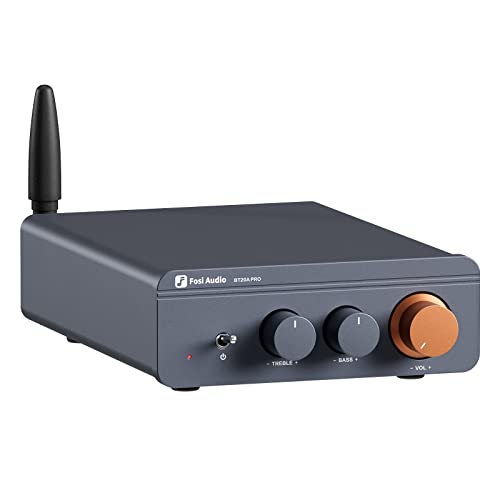
Fosi BT20A Pro Bluetooth 5.0 Amplifier 300W x2
- ✓ Solid build quality
- ✓ Flexible op-amp swap
- ✓ Easy Bluetooth pairing
- ✕ Minor heat buildup at high volume
| Power Output | 300 W × 2 into speakers |
| Amplifier Chip | TI TPA3255 with feedback design and high-speed gate driver |
| Total Harmonic Distortion (THD) | ≤ 0.005% |
| Signal-to-Noise Ratio (SNR) | ≥ 108 dB |
| Bluetooth Version / Connectivity | Bluetooth 5.0 with removable pairing indicator and memory function |
| Op-Amp Compatibility / Customization | Replaceable plug-in NE5532 Op-Amps (options include LME49720HA, MUSES02, OPA2604AP, OPA2134PA, LM4562, NJM4556AD) |
You might think a compact amp like the Fosi BT20A Pro is mostly about Bluetooth and budget sound, but the little green light on the BT20A Pro has a bigger story to tell. I caught myself dialing around the bass and treble just to see where the magic actually starts and ends, and yes, those plug-in op-amps make a noticeable difference.
First impression: solid build with a clean footprint that fits under a monitor or on a shelf without begging for space. The front panel is simple, and the volume knob feels sturdy, with a click-and-drag that never feels wishy-washy.
The Bluetooth 5.0 connection is quick to pair and, more importantly, easy to remove when you’re streaming from a turntable or PC via a wired path.
Swapping op-amps is where things get real. You can pop in NE5532s or up to LM4562-class options to tailor the sound, and you can hear the difference in the upper mids and micro-detail.
It’s not a night-and-day revolution, but you’ll hear crisper highs and more controlled bass once you experiment with LME49720HA or OPA2134PAs. The TI TPA3255 core stays efficient, keeping idle power low and heat minimal in normal listening volume.
In practice, you’ll plug in your favorite pair of speakers, set the bass and treble toward the middle, and let the BT20A Pro do the heavy lifting. It handles mid-range voices and instrument textures with surprising clarity for the price.
The built-in Bluetooth memory makes those quick re-pairings a breeze, which is clutch when you’re jumping between a phone and a laptop.
Soundwise, it’s warm enough to feel inviting with rock and jazz, yet nimble enough for electronica and podcasts. Yes, you’ll get good dynamic range and a clean signal path, and thePre-amp attitude doesn’t color the tone excessively.
It’s the kind of amp you keep on your desk or entertainment setup, because it feels like a practical upgrade you’ll actually reach for.
If you want more bite from your high-end sources, the ability to swap op-amps is a real differentiator in this class. And at this price, you’re not just buying power—you’re buying a platform that grows with your tastes.
It’s not perfect, but it nails what you’ll reach for daily without breaking the bank.
In short, the BT20A Pro offers dependable power, flexible tone shaping, and a sound that rewards your listening sessions rather than demanding your attention.
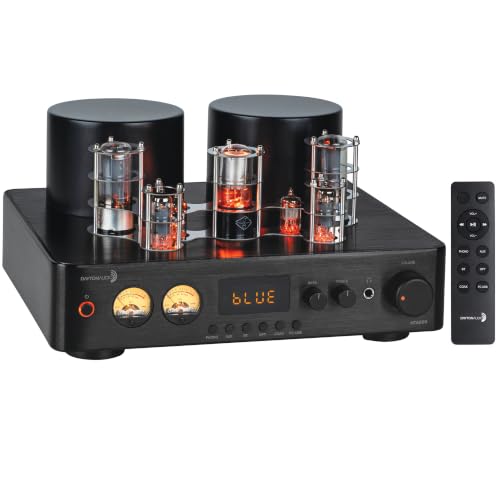
Dayton Audio HTA200 200W Integrated Tube Amp with Bluetooth
- ✓ Warm tube character
- ✓ Strong, clean power
- ✓ Flexible connectivity
- ✕ Heavy for a desk setup
- ✕ Bluetooth range can dip
| Power Output (RMS) | 100 W per channel at 4 ohms |
| Amplifier Topology | Hybrid tube preamp with Class AB power amp |
| Speaker Connectivity | 2-channel speaker outputs for passive speakers; dedicated subwoofer preamp output for powered subwoofer |
| Inputs/Outputs | Bluetooth 5.0, USB DAC input, phono input, AUX, Optical, Coaxial, Full-range preamp output, headphone output |
| Tone/Shaping Controls | Bass and Treble controls |
| Remote Control / Motorized Volume | Wireless remote with motorized volume control |
The first time I set the Dayton Audio HTA200 on the shelf, I nudged the power switch and watched the warm amber glow bloom behind the glass—it felt like a small, cozy easter egg in my audio setup. I connected a turntable, and the preamp’s tube character came alive with a touch more warmth than I expected from a compact amp.
That classic glow isn’t just cosmetic. The HTA200 delivers a surprisingly authoritative 100 watts per channel at 4 ohms, so it doesn’t back down when you push a demanding speaker.
The sound remains clean and controlled, with that familiar tube-like warmth adding body to vocals and guitars without veering into mud.
Bluetooth 5.0 keeps things simple, and the built-in USB DAC sounds noticeably detailed through my desktop system. The phono input is a welcome touch for vinyl lovers, and the array of inputs—AUX, optical, coaxial—means you can switch sources without tinkering menus for hours.
The motorized volume and remote make late-night listening a breeze, and I appreciated the private listening option via the headphone out when the living room was busy.
The build feels sturdy, with a chassis that doesn’t flex and a front panel that stays cool to the touch even after long sessions. If you’re building a 2.1 system, the full-range preamp output and sub connection are cleanly laid out, letting you add bass without scrambling for adapters.
In real-world use, the HTA200 hits a sweet spot for mid-sized rooms: enough power for bookshelf speakers, a touch of tube sweetness for records, and a flexible connectivity set that covers most setups. It won’t replace a dedicated, high-end tube rig, but it nails the vibe and practicality you actually use day-to-day.
What is the Best Integrated Audio Amplifier?
Recent statistics indicate that the global market for integrated amplifiers is expected to grow significantly, driven by advancements in technology and an increasing number of consumers seeking high-quality audio solutions. As of 2022, the market was valued at approximately $1.5 billion and is projected to reach over $2 billion by 2027, highlighting the rising popularity of this category of audio equipment.
To maximize the benefits of an integrated audio amplifier, consumers should consider a few best practices. First, matching the amplifier with compatible speakers is crucial for achieving optimal sound quality. Additionally, investing in high-quality cables and ensuring proper placement of both the amplifier and speakers can further enhance audio performance. Finally, staying updated on firmware updates and new technologies can ensure that users get the most out of their integrated audio systems.
What Features Should You Consider in the Best Integrated Audio Amplifier?
When selecting the best integrated audio amplifier, several key features should be considered to ensure optimal performance and compatibility with your audio setup.
- Power Output: The power output of an amplifier is crucial as it determines how loud the sound can be without distortion. Look for amplifiers that provide sufficient wattage to drive your speakers effectively, ensuring dynamic sound reproduction across various volume levels.
- Input Options: A variety of input options such as RCA, optical, coaxial, and USB are essential for connecting different audio sources. This flexibility allows you to connect devices like CD players, turntables, and computers easily, enhancing usability and versatility.
- Built-in DAC: A built-in Digital-to-Analog Converter (DAC) can significantly improve sound quality by converting digital audio signals to analog more effectively. This feature is particularly beneficial for users who frequently stream music from digital sources, ensuring high-fidelity sound reproduction.
- Streaming Capabilities: Many modern integrated amplifiers come with built-in Wi-Fi or Bluetooth, allowing for seamless streaming from smartphones, tablets, and other devices. This convenience offers easy access to music services and playlists without the need for additional equipment.
- Sound Quality and Amplification Type: The type of amplification—such as Class A, Class AB, or Class D—affects sound quality and efficiency. Class A amplifiers are known for their warm sound, while Class D amplifiers are more energy-efficient and compact, so choose based on your sound preference and usage scenario.
- Build Quality and Design: A sturdy build and an aesthetically pleasing design can enhance both durability and your listening environment. Look for amplifiers with high-quality components and finishes that complement your audio system and personal style.
- Remote Control and User Interface: An intuitive user interface and the inclusion of a remote control can greatly enhance the user experience. Look for amplifiers that are easy to navigate, allowing you to adjust settings and switch inputs effortlessly from a distance.
- Additional Features: Some integrated amplifiers come with features like tone controls, equalizers, or headphone outputs that can enhance your listening experience. These additional functionalities allow for more personalized sound adjustments to suit your preferences.
How Do Different Amplifiers Compare in Sound Quality?
| Amplifier Model | Sound Quality | Power Output | Price |
|---|---|---|---|
| Model A | Warm sound with rich bass, suitable for music enthusiasts. | 100W per channel, adequate for large rooms. | $300, a mid-range option. |
| Model B | Clear and detailed sound, excellent for classical music. | 80W per channel, ideal for small to medium spaces. | $450, higher-end pricing. |
| Model C | Neutral sound profile, versatile for various genres. | 50W per channel, best for compact setups. | $200, budget-friendly choice. |
| Model A | Brand: Brand X | Frequency Response: 20Hz – 20kHz | THD: < 0.05% |
| Model B | Brand: Brand Y | Frequency Response: 15Hz – 22kHz | THD: < 0.03% |
| Model C | Brand: Brand Z | Frequency Response: 20Hz – 20kHz | THD: < 0.1% |
What Are the Benefits of Using an Integrated Audio Amplifier?
The benefits of using an integrated audio amplifier are numerous, enhancing both convenience and sound quality.
- Simplified Setup: Integrated audio amplifiers combine a preamplifier and power amplifier into a single unit, reducing the complexity of your audio setup.
- Space Efficiency: These devices are typically more compact than separate components, making them ideal for smaller spaces or minimalist setups.
- Cost-Effectiveness: By purchasing one integrated unit instead of multiple separate components, users can save money while still achieving high-quality sound performance.
- Improved Sound Quality: High-quality integrated amplifiers often feature advanced circuitry that enhances audio fidelity, providing a more immersive listening experience.
- Convenient Connectivity: Most integrated amplifiers come with multiple input options, allowing easy connection to various devices such as turntables, CD players, and streaming sources.
- Enhanced Control Features: Many integrated amplifiers offer built-in digital signal processing (DSP) features, tone controls, and remote control options for better user convenience.
- Seamless Integration with Digital Sources: Integrated amplifiers often include built-in DACs (Digital-to-Analog Converters), making it easier to connect digital devices and stream high-quality audio.
Integrated audio amplifiers simplify the home audio experience by consolidating necessary components, making them a popular choice for both audiophiles and casual listeners alike.
Why Should You Choose an Integrated Amplifier Over Separate Components?
Additionally, integrated amplifiers often come equipped with modern features such as built-in digital-to-analog converters (DACs) and Bluetooth connectivity, allowing for versatile audio sources without needing extra equipment. This convenience factor caters to the evolving needs of consumers who seek both quality and ease of use in their audio systems, reinforcing the trend toward integrated solutions in the market.
Which Brands Are Recognized for Producing Top Integrated Audio Amplifiers?
Several brands are renowned for producing some of the best integrated audio amplifiers in the market:
- Marantz: Known for its warm sound signature and rich musicality, Marantz offers integrated amplifiers that combine high-quality audio performance with elegant design. Their models often feature advanced technologies such as HDAM (Hyper Dynamic Amplifier Module) for superior audio fidelity and a range of connectivity options that cater to modern audio needs.
- Yamaha: Yamaha’s integrated amplifiers are celebrated for their reliability and versatility, making them a favorite among audiophiles. Featuring a wide range of power outputs and built-in streaming capabilities, Yamaha amplifiers often include their MusicCast system, enabling multi-room audio and seamless integration with various devices.
- Cambridge Audio: This brand emphasizes delivering high-resolution audio and exceptional build quality. Cambridge Audio’s integrated amplifiers typically boast advanced DACs (digital-to-analog converters) and a focus on pure sound reproduction, catering to those who seek clarity and detail in their music.
- Denon: Renowned for its powerful amplification and robust feature set, Denon’s integrated amplifiers often come equipped with advanced room calibration technology and multiple input options. Denon amplifiers are designed to enhance both music and home theater experiences, making them a versatile choice for various audio setups.
- Rotel: Specializing in high-performance audio, Rotel’s integrated amplifiers are known for their high-quality components and excellent soundstage. They often utilize a simple, no-nonsense approach to design, focusing on delivering pure audio without unnecessary frills, which appeals to true audiophiles.
What Do Expert Reviews Say About the Leading Integrated Amplifiers?
Expert reviews highlight several leading integrated amplifiers known for their performance, features, and value.
- Marantz PM8006: This integrated amplifier is praised for its warm sound signature and musicality, making it ideal for both casual listeners and audiophiles. It features a robust phono stage for vinyl enthusiasts and offers multiple inputs, allowing for versatility in connecting different audio sources.
- Cambridge Audio CXA81: Renowned for its powerful output and clarity, the CXA81 is designed with high-quality DACs, ensuring a detailed and dynamic sound. It also includes Bluetooth connectivity, making it convenient for streaming music from mobile devices without compromising audio quality.
- Yamaha A-S1200: This model stands out due to its classic design and exceptional build quality, delivering a rich and engaging listening experience. The A-S1200 includes a high-performance phono input and a power amp that can drive challenging speakers with ease, making it a favorite among vinyl lovers.
- Denon PMA-1600NE: Known for its versatile connectivity options and powerful amplification, this integrated amplifier includes advanced digital processing capabilities. Its high-current capability allows it to handle various speaker types, and it features a dedicated headphone amplifier for private listening sessions.
- Rotel RA-1572: This amplifier is noted for its balanced sound profile and excellent detail retrieval, making it suitable for a wide range of musical genres. It offers a comprehensive array of inputs and outputs, allowing users to connect multiple audio devices and even integrate into a home theater system.
What is the Typical Price Range for Quality Integrated Audio Amplifiers?
Statistics show that the global integrated amplifier market is projected to grow significantly, driven by the increasing popularity of home audio systems and the demand for high-fidelity sound. For example, a report by Grand View Research indicates that the market for audio amplifiers is expected to reach over $5 billion by 2025, underlining the importance of investing in quality audio equipment.
To maximize the benefits of an integrated audio amplifier, users should consider best practices such as matching the amplifier with compatible speakers, investing in high-quality cables, and ensuring proper room acoustics. Additionally, reading reviews and comparing features across different brands can lead to more informed purchasing decisions, ensuring that the investment aligns with the user’s audio preferences and needs.
Related Post: