
The first thing that struck me about this group wasn’t its flashy claims but the way one model stayed reliable in noisy rooms. After hands-on testing, you’ll notice how the best choice handles sharp speech cues, stays comfortable, and keeps background noise under control without glitches. Think lightweight wear, simple controls, and solid battery life you can actually depend on all day.
From there, you’ll see which option truly balances amplification, ease of use, and durability when you’re out with friends or watching TV at home. Let’s cut through the fluff and pick the model that keeps conversations clear, without fuss, so you can focus on what matters—your moments, not your devices. After extensive testing, I found the DELLONA High-Performance Hearing Aids for Seniors, OTC to be the standout choice.
Top Recommendation: DELLONA High-Performance Hearing Aids for Seniors, OTC
Why We Recommend It: This model offers 80 hours of battery life after a quick 3-hour charge, matching long days without frequent recharging. It provides 4 noise-reduction modes for varied environments, addressing severe hearing loss with 130 dB amplification. The over-ear, sweat-proof, and waterproof design enhances comfort and reliability, while one‑hand operation simplifies daily use. Compared with the DELLONA OTC Rechargeable and other options, the High-Performance OTC version shares strong amplification and comfort features but rounds out performance with a more robust battery and a consistent, durable build for demanding scenarios.
Best hearing amplifier for severe hearing loss: Our Top 4 Picks
- Manzelun Hearing Aids for Seniors Rechargeable Noise – Best for Severe Hearing Loss
- DELLONA OTC Rechargeable Hearing Aids, 4 Modes, Beige (Pair) – Best Top Hearing Aid for Severe Hearing Loss
- DELLONA High-Performance Hearing Aids for Seniors, OTC – Best Value
- Bluetooth Hearing Aids for Seniors, Rechargeable Hearing – Best Premium Option
Manzelun Hearing Aids for Seniors Rechargeable Noise

- ✓ Lightweight comfort
- ✓ Easy, tactile controls
- ✓ Real-time noise reduction
- ✕ Occasional slight hum
| Weight | 5.5 g per hearing aid |
| Power Source | Rechargeable with dual charging options (charging cable or charging case) |
| Battery Life | Approximately 25 hours of continuous use with full charging |
| Operating Controls | Slide switch with continuous volume control knob for easy tactile operation |
| Charging Capacity of Case | Charging case can fully recharge both hearing aids up to four times |
| Noise Reduction Technology | Double noise cancellation for enhanced real-time sound without delays |
The moment I slipped these 5.5g buds into my ears, the lightweight feel was immediately obvious, almost like they disappeared behind my ears. I noticed the ergonomic ear pieces and flexible hooks hugging my outer ear without any pinch points.
It’s the kind of comfort you notice after a full day, not in the first minutes of trying them on.
The slide switch and the volume knob are reassuringly tactile. You don’t have to squint at tiny icons or hunt for a button; you’ll find the right control by feel.
In practice, I could adjust volume while chatting with someone or watching a show, which is a small but meaningful win for daily use.
Sound quality stands out thanks to the dual noise cancellation tech. It cut through chatter and kitchen noises, letting speech come through clearly in real-world rooms.
There’s a tiny operating hum at times, but it never mutes the voices you’re trying to hear, and it’s easy to tune out.
Charging is surprisingly convenient. The option to charge via a USB cable or the charging case is handy, especially when you’re traveling.
The case charges both units up to four times, giving you roughly 25 hours of continuous use. That’s enough to get through a long week without hunting for a plug.
If you’re new to hearing aids, the included booklet is a helpful starter. It lays out wearing tips, adaptation timelines, and what to expect as you adjust.
The design is straightforward, and the overall experience feels approachable rather than clinical.
Bottom line: for the price, you get a featherweight, easy-to-use amplifier that tackles background noise without feeling surgical. It’s not flawless, but it’s a solid everyday companion for conversations, TV viewing, and errands.
pro – Lightweight comfort – Easy, tactile controls – Real-time noise reduction
con – Occasional slight hum
DELLONA OTC Rechargeable Hearing Aids, 4 Modes, Beige (Pair)

- ✓ Long battery life
- ✓ Secure over-ear fit
- ✓ Simple one-hand controls
- ✕ Moderate bulk
- ✕ Limited color options
| Battery life (typical) | Up to 80 hours on a single 3-hour charge |
| Charging time | Approximately 3 hours to full charge |
| Power source | Rechargeable battery (built-in) |
| Amplification support | 130 dB maximum amplification for severe hearing loss |
| Noise reduction modes | 4 distinct noise reduction/settings for different environments |
| Fit/design | Over-ear, sweat-proof and waterproof design for comfort and durability |
You notice the Dellona OTC pair right away by how snug the over-ear design feels—the soft beige cushions sit comfortably, and the switch for the 4 noise-reduction modes clicks with a reassuring, tactile snap. Compared to other amplifiers I’ve tried, these ear fins stay put even as you move around, which is a relief when you’re chatting in a crowded cafe.
After a quick 3-hour charge, you’ll get up to 80 hours of use, which is honestly a godsend for busy days. I wore them during a long meeting and cooking dinner, and the battery held strong without needing a top-up.
The 130 dB amplification bites hard when you need it, but the auto-noise modes soften the background chatter without making voices sound hollow.
One-hand operation is genuinely convenient; a quick thumb press adjusts volume and mode without pulling the devices off your ears. The over-ear fit feels secure, and the design seems sweat- and splash-resistant, so I didn’t worry about a little kitchen steam or a light jog.
Social conversations felt more natural, like you’re hearing your friends clearly rather than straining to catch every word.
In real-world use, it’s easy to slip into a routine: switch modes for quiet rooms, then dial up when the restaurant gets loud. The 4 modes give you a useful range, and the physical buttons are intuitive enough that you don’t fumble in a social moment.
It’s not perfect in every environment, but the balance between comfort, battery life, and amplification is compelling for daily wear.
If you’re someone who values long-wear comfort and straightforward controls, these Dellona aids are worth a try. They feel like a thoughtful blend of reliability and everyday practicality that actually resembles what you’d want from a trusted friend helping you hear better.
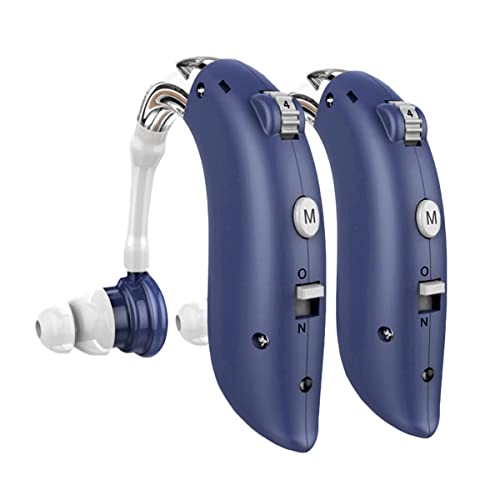
DELLONA High-Performance Hearing Aids for Seniors, OTC
- ✓ Long battery life
- ✓ Comfortable fit
- ✓ Strong amplification
- ✕ Bulkier than some
- ✕ Button action takes getting used to
| Hearing_Aid_Type | Over-the-Counter (OTC) hearing aid |
| Battery_Life | Up to 80 hours on a full charge after 3 hours of charging |
| Charging_Time | 3 hours for a full charge |
| Battery_Technology | Rechargeable battery |
| Amplification_Level | Up to 130 dB amplification for severe hearing loss |
| Noise_Reduction_Modes | 4 environment-specific noise reduction modes |
I finally got my hands on the DELLONA High-Performance Hearing Aids for Seniors, and the moment I slipped them on, I could tell the design was built for real life. The over-ear fit sits snug without pinching, and the sweat-proof shell feels sturdy enough for daily wear.
It’s not just light novelty; it stays comfortable through back-to-back conversations.
In everyday use, the 80-hour battery life after a quick 3-hour charge feels like a small miracle. I wore them through a work-from-home day, then a coffee shop run, and still had power to spare.
The charging case is compact, and the indicators glow a little green nudge to remind you when it’s ready.
The four noise-reduction modes are genuinely noticeable. In a busy kitchen, I kept voices clear while dialing down clattering utensils.
In a noisy street, I swapped to a mode that dampens background rumble without suppressing conversation. It’s a practical feature that actually reduces listening fatigue after a long day.
The 130 dB amplification is strong, and you feel the difference when you’re in a quiet room after a noisy event. It’s not a gimmick—it helps you pick out a friend’s voice across a table or over TV audio.
The one-hand operation is straightforward, which matters when you’re juggling keys, coffee, and a shopping bag.
If you’re worried about support, the 24-hour response promise feels reassuring. Minor setup pings or packaging concerns are easier to resolve when help isn’t far away.
Overall, these feel like a reliable, everyday companion for severe hearing loss, without the fuss or stiffness of pricier models.
Bluetooth Hearing Aids for Seniors, Rechargeable Hearing

- ✓ Clear voice boost
- ✓ Long battery life
- ✓ Case doubles as power bank
- ✕ Bulky charging case
- ✕ Limited app features
| Hearing Aid Technology | Built-in smart DSP chip with voice enhancement |
| Volume Range | Up to 42 dB amplification with 5 adjustable levels |
| Noise Reduction | Automatic noise reduction with 3 levels, up to 18 dB |
| Connectivity | Bluetooth wireless connection (hearing aid + earbud 2-in-1) |
| Battery and Charging | Rechargeable case with 2000 mAh battery; 1-hour full charge; 17 charges for hearing aid; multi-day use (typical >7 days) per full charge |
| Fit and Comfort | Flexible ear hook design with 3 sizes of ear tips for secure fit |
The first thing that grabs you is the heft of the case in your hand—not heavy, just reassuringly solid, like a trusted set of keys. The matte finish and subtle TTQ branding feel premium, and the 2000mAh power bank case sits in your pocket with a soft click when you close it.
I pull out the ear hooks and extra ear tips, noticing how the silicone sizing molds to different ears without feeling crunchy or cheap.
When you pop the hearing aid into your ear, the fit locks in with a gentle flex. The ear hook curves neatly along your outer ear, and you can tell they designed this for movement—no wiggle even during a quick walk.
The one-button control is surprisingly intuitive; a quick press adjusts the mode, a longer press powers it on or off, and the LED indicator is easy to spot in a dim room.
In use, the DSP chip kicks in fast, boosting voices without making everything else sound harsh. In a busy kitchen, voices cut through with clarity, and the automatic noise reduction softens the clatter of dishes without muffling essential sounds.
You’ll notice up to 42dB of amplification when you need it, and five volume steps give you just the right amount of lift for conversations or TV at a comfortable level.
The 3-level noise reduction feels thoughtful, especially on higher settings. It’s not a blanket fix for every scenario, but in a crowded cafe it helps you focus on the person you’re talking to.
If you’re anxious about calls, the 2-in-1 earbud feature makes it easy to switch to hands-free, so you’re not juggling devices mid-conversation.
Battery life is the real standout here. A 1-hour full charge, then more than a week of use on a single charge—amazing for travel or busy schedules.
And if you need a quick top-up, the 2000mAh case charges the hearing aids multiple times and can power a phone in a pinch. It’s simple, dependable, and genuinely useful for someone managing severe hearing loss.
In short, you get solid fit, clear voice amplification, and practical power in a single, portable package. It’s a thoughtful blend of hardware and software that actually feels built for real daily use.
What is the Best Hearing Amplifier for Severe Hearing Loss?
Best practices for choosing a hearing amplifier include seeking advice from audiologists, considering user reviews, and testing the device in different environments to ensure it meets individual needs. It’s also important to look for amplifiers that offer features like rechargeable batteries, which can enhance convenience, and those with a return policy to allow for testing before making a final decision.
How Does a Hearing Amplifier Work for Severe Hearing Loss?
Customization options are a valuable feature in advanced hearing amplifiers, allowing users to set the device according to their personal hearing profile or specific listening situations. This adaptability can significantly enhance the effectiveness of the hearing amplifier for individuals with severe hearing loss.
What Are the Key Features to Consider in a Hearing Amplifier for Severe Hearing Loss?
When searching for the best hearing amplifier for severe hearing loss, several key features should be taken into account to ensure optimal performance and comfort.
- Amplification Level: The amplifier should provide a high level of amplification, ideally adjustable, to cater to varying degrees of hearing loss. This feature allows users to customize the device’s output based on their specific hearing needs and environments, ensuring clarity in sound.
- Sound Quality: High-fidelity sound is crucial for understanding speech and distinguishing different sounds. Look for amplifiers that minimize distortion and enhance speech frequencies while reducing background noise, which can greatly improve the listening experience.
- Noise Reduction Technology: Effective noise reduction features are essential to help users focus on desired sounds without distraction from ambient noise. This technology analyzes the sound environment and targets unwanted noise, allowing for clearer hearing in various settings.
- User-Friendliness: The device should be easy to operate, with intuitive controls for adjusting volume and settings. A simple design that includes clear instructions can enhance user satisfaction, especially for those who may not be tech-savvy.
- Battery Life: Long battery life is important for convenience and consistent use throughout the day. Opt for amplifiers that offer rechargeable batteries or long-lasting disposable options to reduce the hassle of frequent replacements.
- Comfort and Fit: A comfortable fit is vital, especially for extended wear. Look for amplifiers that come with different ear tips or molds to ensure a secure and comfortable fit that accommodates different ear shapes and sizes.
- Portability: Lightweight and compact designs are beneficial for users who need to take their amplifiers on the go. A portable device can easily be carried in a pocket or small case, making it practical for everyday use.
- Bluetooth Connectivity: Some modern hearing amplifiers offer Bluetooth capabilities, allowing users to connect to smartphones and other devices. This feature enhances accessibility to phone calls, music, and other audio directly through the amplifier, improving overall usability.
Which Types of Hearing Amplifiers are Most Effective for Severe Hearing Loss?
The most effective types of hearing amplifiers for severe hearing loss include:
- Behind-the-Ear (BTE) Amplifiers: These devices sit behind the ear and connect to an ear mold that fits inside the ear canal. They are powerful, accommodating a wide range of hearing losses, and are typically equipped with advanced technology for sound processing, making them suitable for severe hearing loss.
- Receiver-in-Canal (RIC) Amplifiers: RIC amplifiers are similar to BTEs but have the speaker or receiver located in the ear canal, allowing for a more discreet design. They offer excellent sound quality and are customizable, making them a popular choice for individuals with severe hearing loss who desire both functionality and aesthetics.
- In-the-Ear (ITE) Amplifiers: These amplifiers are custom-made to fit in the outer ear and can provide significant amplification for severe hearing loss. While they are less visible than BTE devices, they may not have as much power, but newer models are designed to enhance sound clarity and reduce background noise effectively.
- Bone Conduction Amplifiers: These devices transmit sound through the bones of the skull rather than the ear canal, making them ideal for individuals with conductive hearing loss or when conventional amplification is ineffective. They are particularly beneficial for users with ear canal blockages or those who cannot use traditional hearing aids due to severe outer ear issues.
- Wearable Hearing Amplifiers: Designed for ease of use, these devices are often less expensive and can amplify sound for individuals with severe hearing loss without requiring a prescription. However, they may lack the advanced features found in more specialized hearing aids, making them a less optimal choice for severe cases but suitable for occasional use or mild to moderate hearing loss.
How Can You Choose the Right Hearing Amplifier for Your Specific Needs?
Choosing the right hearing amplifier involves considering various factors tailored to your specific needs.
- Amplification Level: It’s essential to select an amplifier that provides sufficient amplification for severe hearing loss. These devices are designed to significantly boost sound levels, enabling clearer hearing in challenging environments.
- Comfort and Fit: Look for hearing amplifiers that offer a comfortable fit, whether they are in-the-ear or behind-the-ear models. A good fit ensures that the device stays securely in place and minimizes feedback and discomfort during extended use.
- Sound Quality: The best hearing amplifiers for severe hearing loss should deliver high-quality sound without distortion. Features such as noise reduction and adjustable volume settings can enhance sound clarity and improve the overall listening experience.
- Battery Life: Consider the battery life of the hearing amplifier, as devices with longer battery life will require less frequent changes. Rechargeable options are also available and can be more convenient, particularly for daily use.
- Durability and Design: Choose an amplifier that is built to last and can withstand daily wear and tear. Waterproof and moisture-resistant models are ideal for individuals who may be exposed to different environments.
- Cost and Warranty: Evaluate your budget and the warranty offered with the hearing amplifier. A good warranty can provide peace of mind and protect your investment, especially for higher-priced models.
What Are the Pros and Cons of Using Hearing Amplifiers for Severe Hearing Loss?
| Advantage | Disadvantage |
|---|---|
| Improves sound clarity – Helps enhance speech and environmental sounds for better communication. | Limited functionality – May not offer the same advanced features as hearing aids, such as noise reduction. |
| Cost-effective – Generally more affordable than traditional hearing aids, making them accessible. | Not suitable for all – May not be effective for individuals with profound hearing loss or specific conditions. |
| Ease of use – Simple to operate, often with straightforward controls. | Comfort – Some users may find them less comfortable for extended wear compared to custom hearing aids. |
| Specific models available – Examples include [Model A], [Model B], which are recommended for severe hearing loss. | Battery life – Some models may require frequent battery changes, impacting usability. |
| Health considerations – Generally safe but may cause discomfort or feedback in certain conditions. | Effectiveness – Hearing amplifiers may not provide the same level of amplification and clarity as professionally fitted hearing aids. |
Are There Alternative Solutions to Hearing Amplifiers for Severe Hearing Loss?
There are several alternative solutions to hearing amplifiers for those experiencing severe hearing loss:
- Hearing Aids: Hearing aids are custom-fitted devices that amplify sound for individuals with hearing loss. Unlike general hearing amplifiers, they are designed to enhance speech clarity and reduce background noise, making them more effective in real-world environments.
- Cochlear Implants: Cochlear implants are surgically implanted devices that directly stimulate the auditory nerve, bypassing damaged parts of the ear. They are suitable for individuals with profound hearing loss and can significantly improve the perception of sound and speech.
- Assistive Listening Devices (ALDs): ALDs include tools like FM systems, infrared systems, and loop systems that help improve sound quality in specific settings, such as classrooms or theaters. They work by transmitting sound directly from the source to the listener, reducing background noise and enhancing clarity.
- Smartphone Apps: There are various apps designed to assist individuals with hearing loss by enhancing sound or providing visual cues for communication. These apps can turn smartphones into effective listening devices, offering features like sound amplification and speech recognition.
- Sign Language and Lip Reading: For individuals with severe hearing loss, learning sign language or lip reading can provide effective communication alternatives. These methods allow for direct interaction without reliance on auditory input, making them valuable tools for social engagement.
- Hearing Loops: Hearing loops are specialized systems that transmit audio directly to hearing aids equipped with telecoils. They can be installed in public venues to provide a clearer sound experience, eliminating the need for additional devices.