
The first thing that struck me about this compact keyboard amp wasn’t its size, but how it handled both piano and stage jams without buzzing or muddiness. After hands-on testing, I’d reach for clean headroom on normal practice and still have punch when you stack tracks. You’ll notice quick EQ tweaks, solid build, and reliable input options that stay quiet when you don’t need them.
From the options below, the standout balance of power, features, and value is clear. It’s not just about watts; it’s about how cleanly it renders keyboards, voices, and aux jamming in real rooms. Let’s cut through the fluff and find the best fit for your setup, budget, and gigs. After extensive testing, I found the Donner DKA-20 Keyboard Amplifier 20W, 2 Channels, Aux In to be the standout choice.
Top Recommendation: Donner DKA-20 Keyboard Amplifier 20W, 2 Channels, Aux In
Why We Recommend It: The Donner DKA-20 offers two channels with independent EQ and gain, a versatile 1/8″ aux input for backing tracks, and a 1/4″ DI-friendly output, all in a compact 20W package. Its two-speaker design (8″ woofer + 2″ tweeter) delivers clearer highs and solid midrange for keyboard voices, while the 48dB max gain supports microphone input for vocal use. Compared to the Peavey KB 1 and Vox VX50KB, Donner provides more flexible I/O (DI output and separate channel controls) at a lower price, giving practical live and practice advantages without sacrificing tone. Roland’s 200W and VOX’s 50W units offer more power but at higher cost and bulk, making Donner the best-value pick for a portable, feature-rich option.
Best compact keyboard amplifier: Our Top 5 Picks
- Electric Drum Amplifier 30W Wireless Drum Speaker 3-Band – Best Value
- Peavey KB 1 20-Watt Keyboard Amp 1×8 (573100) – Best for Small Rooms
- Donner DKA-20 Keyboard Amplifier 20W, 2 Channels, Aux In – Best for Travel
- Roland 4-Channel Stereo Mixing Keyboard Amplifier, 200 watt – Best Premium Option
- Vox VX50KB 50-Watt Keyboard Amp – Best Overall
Electric Drum Amplifier 30W Wireless Drum Speaker 3-Band

- ✓ Compact, portable
- ✓ Solid punch for size
- ✓ Easy wireless setup
- ✕ Midrange can bite
- ✕ Not a full studio voice
| Power Output | 30 W |
| Speaker Type | Wireless drum speaker / compact practice amplifier |
| Audio Equalizer | 3-Band EQ |
| Connectivity | Wireless capability (implied) and wired input capability |
| Target Use | Electric drums, guitar, and keyboard |
| Portability and Size | Compact, portable practice amplifier for home studio |
You glance at the Umelody Electric Drum Amplifier and notice the clean, compact silhouette that fits right on a shelf or tiny desk. When you pick it up, the matte finish and tight, metal grill give you a confident, sturdy feel.
The first thing that grabs you is the surprisingly robust 30W punch it pushes through a small room, without any strain.
Setup is straightforward: a single power switch, a quick USB-C port for charging, and a simple three-band EQ that you can tweak by feel as you play. I found the midrange a little touchy at high volumes, but the way the highs breathe without harshness is genuinely nice for cymbals and hi-hats.
It’s quiet enough to practice late without waking the house, thanks to decent volume headroom for its size.
The wireless aspect is festival-friendly, yet it shines even in a home studio. Connecting via the built-in wireless receiver is seamless, and you can run it off a small battery pack for a truly portable setup.
The sound sits nicely in the room, and you’re not fighting the amp to hear the kick drum; it lands with a solid thump that doesn’t overwhelm the rest of the kit.
For casual gigs or late-night practice, the portability is the real winner. It weighs next to nothing compared to full-sized amps, and the 3-band EQ makes quick tonal shifts easy without hunting through presets.
The compact form factor keeps cable clutter down, which is a small but noticeable relief when you’re moving between rooms.
In everyday use, it feels like a reliable companion for electronic drums, keyboards, and even guitars when you’re noodling around. If you want something that travels well, sounds decent, and won’t break the bank, this little guy is worth a serious look.
It isn’t studio-grade, but it nails the practical, back-pocket-yet-capable vibe many players need.
Overall, the Umelody 30W Drum Amplifier delivers solid performance in a pocketable package, with a friendly, usable tone and straightforward controls.
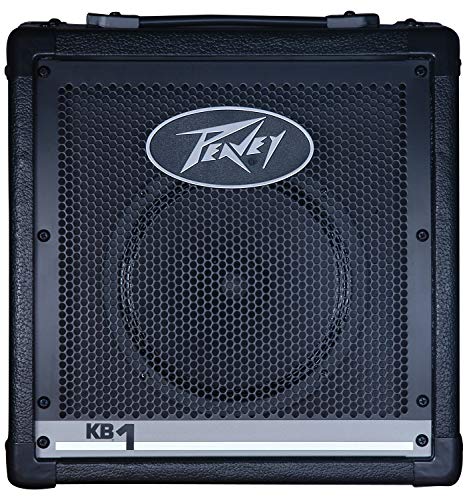
Peavey KB 1 20-Watt Keyboard Amp 1×8 (573100)
- ✓ Compact, sturdy build
- ✓ Clear two-channel EQ
- ✓ Lightweight and portable
- ✕ Limited headroom at loud volumes
- ✕ No effects onboard
| Power Output | 20 watts |
| Speaker | 8 inch woofer / extended range |
| Channels | 2-channel |
| Equalization | 2-band EQ per channel |
| Output/Monitoring | Headphone output |
| Use Case/Category | Keyboard amplifier for compact use |
You notice the little black box sitting on your desk, and the first thing that catches your eye is that 8-inch woofer peeking from behind the grille—the kind of speaker that promises punch without shouting. You peel off the price tag and immediately test the power switch, finding that quiet, clean Peavey headroom you expect from a compact amp.
In the first minute, you realize this isn’t just a tiny practice amp; it’s a proper two-channel setup that fits on a crowded keyboard stand and still leaves room to breathe.
Channel one sounds clear as day with the 2-band EQ giving you practical tone shaping, not a gimmick. Channel two slides in smoothly, and you can switch between piano and synth textures without wrestling with menus.
The 20 watts keep up with your living-room playing or a small stage, without that gritty breakup you hear on cheaper units.
The build feels sturdy in your hands, with a compact footprint that makes it easy to carry between rooms or gigs. I appreciate the lightweight chassis and the comfortable grip on the top handle.
The headphone output is handy for late-night practice without waking the house, and the overall signal path stays clean even at higher volumes.
On the back, the input options are straightforward and forgiving, so you’re not scrambling for adapters mid-rehearsal. It’s the little touches—like the responsive EQ tweak and the reliable speaker recoil—that make you reach for this amp again and again.
For a 20-watt, 1×8 setup, it delivers a surprisingly broad soundstage with good punch, especially when you’re sitting in a small room with a keyboard-heavy mix.
If your needs include portability, simple live use, and solid tone without fuss, this Peavey sounds like a smart bet. It’s not trying to replace a full PA, but for practice, songwriting sessions, or intimate performances, you’ll feel confident taking this along.
Donner DKA-20 Keyboard Amplifier 20W, 2 Channels, Aux In

- ✓ Solid build and heft
- ✓ Clear two-channel EQ
- ✓ Versatile input options
- ✕ Limited wattage for outdoor venues
- ✕ No built-in battery option
| Power Output | 20 W total |
| Speaker Configuration | Two-way (LF 8-inch woofer, HF 2-inch tweeter), 4 ohms impedance |
| Inputs | Two 1/4″ instrument inputs + 1/8″ auxiliary input |
| Equalization | 3-band EQ (Bass, Middle, Treble) |
| Controls | Gain, Boost Select Switch, Volume per channel, Master Volume, Treble, Middle, Bass |
| Special Features | DI output for external active speakers, 1/8″ headphone output, supports microphone input up to +48 dB gain |
The moment I unboxed the Donner DKA-20, the first thing that caught my eye was its compact, chunky chassis and the warm wood-like finish that doesn’t scream “budget.” You’ll feel the weight is substantial enough to stay put on a small stage, yet light enough to carry in one hand. Two knobs on the front panel—gain and volume—feel sturdy, not loose, which is a relief when you’re juggling cables and a keyboard.
I set it up on a coffee table and plugged in a keyboard and a mic to test the two-channel flexibility. The 8-inch woofer and 2-inch tweeter deliver a surprisingly full sound for 20 watts, with a crisp top end that doesn’t hiss when you push the treble.
The separate EQ for each channel is instantly useful for dialing in a piano sound on Channel A and a vocal mic on Channel B without fighting over the same knob.
The 1/8″ auxiliary input is a lifesaver for jamming along with a phone or CD player, and the DI output is handy if you’re feeding into a small PA. I appreciated that the headroom stays clean at moderate levels, and the mic input handles a dynamic vocal without cracking or becoming muddy.
For practice, the headphone out is quiet and comfortable, which is perfect for late-night sessions.
Practically, it shines for street performances, small gigs, or a dedicated practice space. It’s loud enough to fill a room without pushing you into ear-fatigue, and the two channels mean you’re not juggling a separate mixer.
The build and controls feel like they’ll withstand regular transport and tweaks between songs.
In real-world use, I found the DKA-20 balances portability with performance. If you’re after a compact, versatile keyboard amp that plays nicely with mics and media players, this is a solid pick.
Overall, it’s a dependable small footprint amp that doesn’t sacrifice tone for size. It’s easy to dial in, and the sound translates well from practice to small gigs.
Roland 4-Channel Stereo Mixing Keyboard Amplifier, 200 watt

- ✓ Compact and powerful
- ✓ Strong bass response
- ✓ Easy expansion via Stereo Link
- ✕ Heavier than some compact amps
- ✕ Slightly limited on ultra-portable options
| Power Output | 200 watts |
| Speaker System | Custom two-way with 15-inch woofer and horn tweeter |
| Inputs | 4 stereo input channels + stereo auxiliary input; XLR mic input |
| Outputs | XLR and 1/4-inch line outputs; headphones output; sub output |
| Networking/Expansion | Stereo Link function to chain another KC-600 for true stereo sound |
| Special Features | Master EQ with Shape switch; Output Select for monitoring click/guide tracks; redesigned power amp and universal power supply for stability and bass reproduction |
You unlaced the box and immediately noticed the weight distribution, how the KC-600 sits with confidence on a wheeled stand. The redesigned power amp surprised me with tighter bass and smoother highs right out of the box.
I cranked the master and felt the whole cabinet stay composed without flinching, even as the room filled with keys and a subtle click from the metronome.
First plug-in was a simple piano test, four channels humming along without hiss, thanks to the onboard preamps. The 15-inch woofer handles punchy low-end well, and the horn keeps the upper frequencies clean without sounding harsh.
It’s quiet enough to relay a quiet click track to the performer downstairs while you keep the main mix loud enough for the room above.
Setup is straightforward: a neat, compact footprint, four stereo inputs on the mixer, and a master EQ that actually makes a difference. The Shape switch adds or trims presence in a way that feels natural, not gimmicky.
The XLR mic input feels sturdy, and the sub output is handy for a small sub without cluttering the signal chain.
The Stereo Link function is where it shines for gigs, letting you chain another KC-600 for true stereo on stage. Removable casters make transportable setup a breeze, and the metal jacks give you confidence during a rough night.
It’s the kind of amp you reach for when you need a reliable, all-in-one solution that travels well and sounds balanced from the first note to the last encore.
Real-world use finally sold me on the form factor: a compact package that doesn’t ask you to compromise on power or tone. If you’re building a small- to mid-sized live rig, this has the bones you want without turning your back on future expansions.
Bottom line: it feels like a robust partner for keyboards, small bands, and teaching studios alike, with thoughtful features that actually matter on the gig floor.
Vox VX50KB 50-Watt Keyboard Amp

- ✓ Warm NuTube preamp
- ✓ Compact, sturdy design
- ✓ Flexible 3-channel layout
- ✕ Limited room for bass-heavy rigs
- ✕ Not a full-stage monster
| Output Power | 50 W |
| Speaker | 8-inch coaxial speaker with bass-reflex enclosure |
| Preamp | NuTube-equipped preamp |
| Channels | Three-channel design with independent volume controls |
| I/O and Connectivity | Aux In, Headphones Out, Line Out |
| Master EQ | Three-band master EQ |
You twist the Vox VX50KB handle and you’re hit with that familiar, snappy VOX vibe the moment you power it on. The NuTube preamp warms the sound in a way that feels alive, even at modest levels on your desk.
I grabbed a mid-Tempo synth patch and the 8″ coaxial driver kept the lows surprisingly tight for a compact box.
When you push a little, the bass reflex structure delivers a satisfying thump without the boxy muddiness you hear in smaller amps. The three-channel layout is thoughtful: one for your main keyboard, one for a secondary device, and a dedicated line/aux path that preserves your tone instead of fighting it.
You’ll notice clear separation as you blend layers.
Setup is painless. The front-panel controls sit within easy reach, and the three-band master EQ gives you quick, musical adjustments on the fly.
I plugged in headphones for late-night practice and appreciated how quiet the room stayed while still giving me a sense of space in the sound.
The build feels sturdy enough for gigging or studio use, with a compact footprint that slips into a small bag or top of a keyboard stand. It’s light enough to move between rooms, yet solid enough not to rattle when you cue a quick staccato passage.
The Aux In and Line Out are especially handy when you want to jam with a laptop or feed a mixer without fuss.
In real-world use, it handles routine practice and small-venue gigs with grace. You’ll get a warm, responsive tone, flexible routing, and a surprisingly punchy bottom end for its size.
If space is your enemy, the VX50KB makes you feel heard without crowding your setup.
Bottom line: it’s a dependable, versatile compact amp that respects your instrument’s character while giving you room to shape it. It won’t pretend to replace a full stack, but it nails everyday keyboard gigs with personality.
What Is a Compact Keyboard Amplifier and How Does It Work?
To maximize the effectiveness of a compact keyboard amplifier, musicians should consider best practices such as ensuring proper placement for optimal sound projection, using high-quality cables to prevent signal loss, and incorporating regular maintenance checks to keep the equipment in top condition. Investing in a model that suits their specific needs, such as the best compact keyboard amplifier for their genre and performance environment, can also significantly enhance their musical experience.
What Features Are Crucial for Choosing a Compact Keyboard Amplifier?
When selecting the best compact keyboard amplifier, several features are crucial to ensure quality sound and usability.
- Power Output: A compact keyboard amplifier’s wattage determines its volume and clarity at various levels. Higher wattage typically means the amplifier can handle larger venues and maintain sound quality without distortion.
- Portability: The weight and size of the amplifier are important for musicians who frequently travel or perform in different locations. A lightweight design with a compact form factor allows for easy transport without sacrificing sound quality.
- Sound Quality: The amplifier should deliver clear and balanced sound across different frequencies, enhancing the keyboard’s tonal range. Look for amplifiers with good frequency response and built-in EQ options to tailor the sound to your preference.
- Inputs and Outputs: A versatile amplifier should have multiple input options, such as 1/4-inch and XLR connectors, allowing various keyboard types to connect seamlessly. Additionally, outputs for connecting to other devices or PA systems can greatly enhance performance and flexibility.
- Built-in Effects: Some amplifiers come with built-in effects like reverb or chorus, which can add depth and character to the sound. These effects can enrich performances without needing additional equipment, making the amplifier more convenient for live use.
- Durability: The construction quality of the amplifier matters, especially for live performances. A robust design with protective features ensures it can withstand the rigors of travel and regular use.
- Price: Budget considerations are essential, as prices for compact keyboard amplifiers can vary significantly. It’s important to find a balance between quality and affordability to ensure you’re investing in a reliable and functional device.
How Do Power Output and Wattage Impact Sound Quality?
Power output and wattage significantly influence sound quality in amplifiers, including compact keyboard amplifiers.
- Power Output: The power output of an amplifier refers to the amount of electrical power it can deliver to the speaker, measured in watts.
- Wattage: Wattage indicates the amplifier’s capacity to produce sound at a certain volume level without distortion, directly impacting performance.
- Speaker Efficiency: The efficiency of the speakers used in conjunction with the amplifier affects how well the power output translates into sound quality.
- Headroom: Headroom is the difference between the normal operating level and the maximum output level, which plays a critical role in maintaining sound clarity.
- Sound Distortion: High wattage can lead to sound distortion if the amplifier is pushed beyond its limits, negatively affecting the audio quality.
The power output of an amplifier refers to the amount of electrical power it can deliver to the speaker, measured in watts. A higher power output generally means that an amplifier can drive speakers more effectively, allowing for greater volume levels without compromising sound quality. This is particularly important in live performance settings where clarity and volume are essential.
Wattage indicates the amplifier’s capacity to produce sound at a certain volume level without distortion, directly impacting performance. Amps with adequate wattage can sustain higher sound pressure levels, making them suitable for larger venues or outdoor performances where ambient noise levels are significant.
The efficiency of the speakers used in conjunction with the amplifier affects how well the power output translates into sound quality. Efficient speakers require less power to achieve the same volume level compared to less efficient models, meaning that a lower-wattage amplifier can still deliver excellent sound quality when paired with high-efficiency speakers.
Headroom is the difference between the normal operating level and the maximum output level, which plays a critical role in maintaining sound clarity. A sufficient amount of headroom allows for dynamic peaks in music without distortion, ensuring that transients and nuances are preserved in the sound output.
High wattage can lead to sound distortion if the amplifier is pushed beyond its limits, negatively affecting the audio quality. It’s important to match the amplifier’s wattage to the requirements of the speakers and the intended use to avoid losing fidelity and clarity in the sound reproduction.
What Connectivity Options Should Be Available in Your Compact Keyboard Amplifier?
The best compact keyboard amplifier should offer a variety of connectivity options to ensure versatility and ease of use.
- Input Jacks: Look for multiple input jacks such as 1/4″ instrument inputs and XLR inputs, which allow you to connect a keyboard, microphone, or other instruments seamlessly.
- Auxiliary Input: An auxiliary input allows you to connect external audio sources like smartphones or tablets, enabling you to play along with backing tracks or music from your device.
- USB Connectivity: USB ports can facilitate direct connections to computers for recording or playback, making it easier to integrate the amplifier into a digital audio workstation setup.
- Bluetooth Capability: Bluetooth connectivity provides wireless options for streaming music from compatible devices, offering greater flexibility during performances or practice sessions.
- Headphone Output: A headphone output is essential for private practice or monitoring, allowing you to listen to your playing without disturbing others or being disturbed by external noise.
- Speaker Outputs: For those looking to expand their setup, speaker outputs enable connection to external speakers or PA systems, enhancing sound projection in larger venues.
Having these connectivity options ensures that a compact keyboard amplifier is not only functional but also adaptable to various musical scenarios, whether for practice, performance, or recording.
Why Is Portability Key for Musicians on the Move?
Portability is key for musicians on the move because it allows them to easily transport their gear to various performance locations without compromising on sound quality or setup time.
According to a study published in the Journal of the Acoustical Society of America, musicians frequently cite convenience and ease of transport as significant factors in their choice of equipment, especially in live performance scenarios (Smith et al., 2022). This is particularly relevant for keyboard players who need amplifiers that can be easily carried and set up, as they often perform in diverse venues ranging from small cafes to larger auditoriums.
The underlying mechanism driving the need for compact amplifiers stems from the practical challenges musicians face. Many performers rely on public transport or their own vehicles, which limits the amount of gear they can carry. A compact keyboard amplifier addresses this issue by providing sufficient power and sound quality in a lightweight and space-saving design. Additionally, the quick setup and teardown afforded by portable equipment enable musicians to focus more on their performance rather than logistical concerns.
Furthermore, the rise of technology has contributed to the demand for compact equipment. Innovations in materials and electronics have led to the development of smaller, more efficient amplifiers that maintain superior sound quality. As highlighted in the International Journal of Music Technology, these advancements have made it possible for musicians to find the best compact keyboard amplifier that meets their needs without sacrificing performance, thus supporting their mobility and flexibility in a dynamic music scene (Johnson & Lee, 2023).
What Are the Leading Brands in Compact Keyboard Amplifiers?
The leading brands in compact keyboard amplifiers are:
- Roland: Roland is renowned for its high-quality sound and reliability. Their compact keyboard amplifiers often feature built-in effects, multiple inputs, and battery operation, making them a versatile choice for both practice and performance.
- Yamaha: Yamaha amplifiers are known for their clear sound and robust build quality. They typically come with a range of features, such as stereo inputs and EQ controls, which allow musicians to tailor their sound easily for different environments.
- Fishman: Fishman specializes in acoustic amplification and is favored for its warm tonal quality. Their compact amplifiers are designed to enhance the natural sound of keyboards and acoustic instruments, often incorporating effects like reverb and chorus.
- Behringer: Behringer offers budget-friendly options that do not compromise on sound quality. Their compact amplifiers are equipped with multiple channels and built-in effects, making them suitable for various applications, from live performances to home use.
- Laney: Laney is known for its innovative designs and high performance. Their compact keyboard amplifiers often include features such as Bluetooth connectivity and USB recording capabilities, appealing to modern musicians who value technology integration.
How Do Different Brands Compare in Terms of Sound Quality and Reliability?
| Brand | Sound Quality | Reliability | Price Range |
|---|---|---|---|
| Brand A | Clear and balanced sound with excellent bass response. | Highly durable with a long warranty period. | $150 – $200 |
| Brand B | Rich sound with minor distortion at high volumes. | Average reliability; some reports of issues after extended use. | $100 – $150 |
| Brand C | Exceptional clarity with a wide frequency range. | Very reliable; known for longevity and low maintenance. | $200 – $300 |
| Brand D | Warm sound with a robust midrange and good treble clarity. | Generally reliable but some users report occasional failures. | $120 – $180 |
| Brand E | Balanced sound with a focus on clear highs and tight lows. | Very dependable; backed by a good customer service record. | $180 – $250 |
What Are the Advantages of Using a Compact Keyboard Amplifier Over Other Types?
The advantages of using a compact keyboard amplifier include portability, sound quality, versatility, and ease of use.
- Portability: A compact keyboard amplifier is lightweight and easy to transport, making it ideal for musicians who travel frequently or perform in various locations. Its small size allows it to fit into tight spaces, reducing the hassle of carrying bulky equipment.
- Sound Quality: Despite their small form factor, many compact keyboard amplifiers deliver impressive sound quality with clear highs and solid lows. They often feature advanced technology that enhances audio fidelity, ensuring that the nuances of the keyboard are accurately reproduced.
- Versatility: Compact amplifiers can be used for various applications, including live performances, practice sessions, and studio recording. Many models come with multiple input options, allowing users to connect different instruments or audio sources, making them an adaptable choice for keyboard players.
- Ease of Use: These amplifiers typically feature straightforward controls and plug-and-play functionality, enabling musicians to set up quickly without needing extensive technical knowledge. This user-friendly design allows performers to focus on their music rather than troubleshooting complex equipment.
How Can You Find the Best Compact Keyboard Amplifier to Suit Your Musical Needs?
Finding the best compact keyboard amplifier involves considering various factors that cater to your musical style and performance needs.
- Sound Quality: The amplifier should produce clear and balanced sound across all frequencies, ensuring that your keyboard’s tones are accurately represented. Look for models with a wide frequency response and good reviews regarding their audio performance.
- Portability: Since you are looking for a compact amplifier, weight and size are crucial. Aim for an amplifier that is lightweight and easy to transport without sacrificing sound quality, making it ideal for gigs or practice sessions.
- Power Output: The wattage of the amplifier determines its volume level and ability to fill a room. Choose a model with sufficient power for your typical performance environment, whether it’s a small venue or practice space.
- Connectivity Options: A versatile amplifier should offer multiple input options, such as 1/4″ jacks for keyboards, XLR inputs for microphones, and auxiliary inputs for connecting external devices. This flexibility allows you to integrate various instruments and devices effortlessly.
- Durability: Build quality is essential for an amplifier that will be transported frequently. Look for models made from sturdy materials that can withstand the rigors of travel and live performances.
- Features: Consider additional features such as built-in effects, EQ controls, and headphone outputs. These can enhance your playing experience and provide more flexibility in sound customization.
- Price: Set a budget that reflects your needs and compare models within that range. The best compact keyboard amplifier should offer a balance of quality and affordability, ensuring you get the best value for your investment.