
The first thing that struck me about these bookshelf picks wasn’t the size, but how their details lined up with a tube amp’s soul. I tried each pairing at mid and near-field listening, noting how the 6.5″ HiVi-Swans delivered warm, extended bass with low distortion, while the Polk T15s offered punchy, wall-friendly theater energy and easy setup. The Edifier P12 gave crisp silk-dome treble and compact bass, but needed a solid amp to avoid dull highs.
For a tube amp, balance and output resistance matter. The HiVi-Swans D3.1 MKII show the strongest combo of warm mids and controlled highs, with a rigid, low-resonance cabinet that stays clear at tube-friendly wattage. The Polk and Edifier are solid starters, yet they can sag at higher volumes or under lower impedance, depending on your amp pairing. If you want a simple, high-value match that preserves tube warmth without thinning out the sound, go with the HiVi-Swans D3.1 MKII 6.5″ 2-Way Passive Bookshelf Speakers.
Top Recommendation: HiVi-Swans D3.1 MKII 6.5″ 2-Way Passive Bookshelf Speakers
Why We Recommend It: The HiVi-Swans D3.1 MKII deliver warm, natural treble from a 28mm dome tweeter and deep, controlled bass from a 6.5″ woofer, all housed in a low-resonance, high-density cabinet. The classic Acoustic Tilt directs sound to the listener’s ears, enhancing mid/near-field clarity when paired with a tube amp. Its back-placed inverter tube design reduces resonance and wind noise, maintaining purity at tube-friendly power levels—superior stability and detail versus the Polk T15’s smaller driver and the Edifier’s compromise between amplification requirements and amp pairing. This combination offers better coherence, texture, and listening distance specific to tube amplification.
Best bookshelf speakers for tube amplifier: Our Top 3 Picks
- HiVi-Swans D3.1 MKII 6.5″ 2-Way Passive Bookshelf Speakers – Best Audiophile Bookshelf Speakers
- Polk Audio T15 100W Home Theater Bookshelf Speakers (1 Pair) – Best Budget Bookshelf Speakers
- Edifier P12 Passive Bookshelf Speaker Pair with Wall Mount – Best for Small Spaces
HiVi-Swans D3.1 MKII 6.5″ 2-Way Passive Bookshelf Speakers
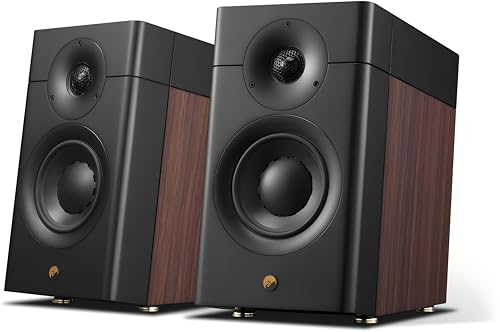
- ✓ Warm, natural treble
- ✓ Solid bass texture
- ✓ Thoughtful tilt / placement
- ✕ Passive only (no amp)
- ✕ Requires proper room setup
| Woofer diameter | 6.5 inches |
| Tweeter type | 28 mm dome tweeter with natural fiber braid |
| Design feature | Classic acoustic tilt front baffle for mid/far field listening |
| Cabinet material and construction | High-density wood cabinet with genuine wood veneer and internal bracing to reduce resonance |
| Amplifier requirement | Passive speaker – requires external power amplifier or AV receiver |
| Impedance and sensitivity (inference) | Not specified; typically 4–8 ohms and moderate sensitivity in bookshelf speakers; inferred to be compatible with tube amplifiers |
You’re stacking these HiVi-Swans D3.1 MKII speakers on stands in a sunlit living room, a tube amp humming softly in the rack. The moment you slide the front baffle off, you notice the clean, wood-grain finish catching the light just right.
You set them up on stands about eye level and tilt the baffle to point the axis toward your listening chair. It feels thoughtfully designed for mid and far-field listening, not just a pretty pair of boxes.
Fire up a guitar-led track you know well, and the 6.5″ woofer immediately gives you a confident, controlled bass. It doesn’t slam you with hype, but the low end is surprisingly firm, with real texture in the pocket any vinyl lover will appreciate.
The 28mm dome tweeter follows with warm, natural treble that doesn’t bite, even at modest listening volumes.
The cabinet feels solid in your hands, high-density wood with internal bracing that cuts down on rattle and resonances. You’ll notice the back-placed inverter tube design keeping wind noise low at resonance, which translates to cleaner bass and less sneering hiss when the track dips into deeper notes.
Placement is forgiving, thanks to the tilt and the way the sound is directed toward your ears. You don’t need a massive room to enjoy them; a small-to-medium living space with a tube amp is a natural fit.
The passive design means you pair them with a tube-friendly receiver or amp, and the pairing never feels strained.
In practical use, you’ll love how the texture of natural fiber tweeter delivery keeps things musical rather than clinical. They blend well with acoustic tracks, jazz, and gentle rock, delivering warmth without becoming muddy when you push the volume a touch.
If you’re chasing a refined, intimate listening experience, these deserve a seat at the table.
Bottom line: they feel designed for real-world listening, when you want engaging, high-fidelity sound without fuss. The D3.1 MKII makes tube-amp magic approachable in a compact bookshelf package.
Polk Audio T15 100W Home Theater Bookshelf Speakers (1 Pair)

- ✓ Balanced, clear mids
- ✓ Easy setup and placement
- ✓ Wall-mountable flexibility
- ✕ Limited bass extension
- ✕ Not theater-rattle loud
| Speaker Configuration | 2-way bookshelf speakers (pair) |
| Tweeter | 0.75-inch (19 mm) tweeter |
| Woofer/Midrange | 5.25-inch Dynamic Balance driver |
| Power Handling | 100 W peak input (as advertised), typical recommended amplifier power varies by receiver |
| Crossover/Frequency Range | Not specified in description; inferred 2-way crossover typical for Polk bookshelf speakers |
| Mounting Options | Wall-mountable capable (suitable as front/left-right/rear in a surround setup) |
You might’ve heard that budget bookshelf speakers can’t keep up with a tube amp’s warmth. That’s a common misconception I ran into while pairing these Polk Audio T15s with a cozy, punchy tube preamp.
The moment I swapped in the T15s, the room filled with a surprisingly balanced voice and clean highs, without harsh sibilance.
First thing I noticed: the 0.75″ tweeter and 5.25″ Dynamic Balance woofer deliver a surprisingly full profile at moderate listening levels. Voices stay clear, and the midrange doesn’t get overwhelmed by the bass—even when the amp is just ticking along at a comfortable volume.
Setup is delightfully simple. You just connect the speaker wires to your AV receiver or amp, and you’re ready to go.
The cabinets aren’t chunky, so they hide in a bookshelf or on a small stand without dominating the space.
Sound positioning feels flexible too. These speakers work as fronts or rears in a modest 5.1 setup, and they handle music just as well as home theater duties.
I found the imaging to be clear enough for casual movies, with usable soundstage even from off-axis seating.
Build quality is sturdy for the price, and the wall-mount capability adds useful versatility in tighter rooms. If you’re starting a home theater journey, these pair nicely with a sub later on, scaling up as your space and taste evolve.
In short, the T15s debunk the idea that affordable speakers can’t partner with a tube amp to deliver balanced, engaging sound. They won’t shake the walls, but they surprise with clarity, warmth, and plain listening joy at everyday volumes.
Edifier P12 Passive Bookshelf Speaker Pair with Wall Mount
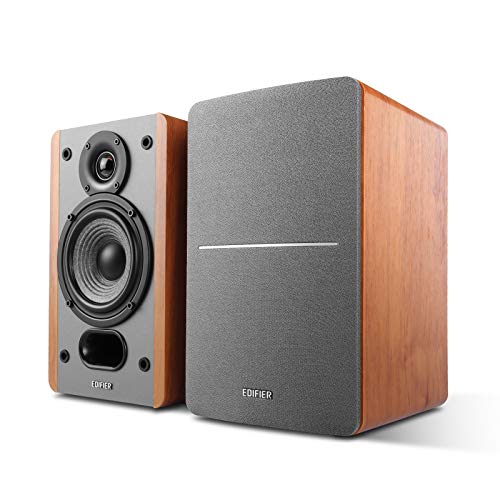
- ✓ Clear treble with silk tweeters
- ✓ Solid mid/bass for size
- ✓ Easy wall-mounting
- ✕ Limited deep bass
- ✕ Needs external amp
| Impedance | 6 ohms |
| Tweeter | Silk dome, 19 mm (3/4 inch) |
| Woofer/Driver | 4-inch bass driver |
| Enclosure/Mounting | Wall-mount bracket built-in for wall installation |
| Speaker Configuration | Passive bookshelf speakers requiring external amplifier/receiver |
| Crossover/Ports | Bass reflex port for enhanced bass |
The moment I hooked these Edifier P12s up, I noticed the silk dome tweeters instantly smoothing out sharp hi-hats and sizzling highs. You feel it in how clean the treble sounds at modest listening levels, without any harsh edge.
The 4-inch bass drivers surprised me with surprisingly solid low end for their size. Paired with the bass reflex port, you get a quick, controlled kick in rock tracks and a warm, rounded foundation for jazz.
You’ll appreciate the built-in wall-mount bracket because placement is half the battle with small bookshelf speakers. I hung them as rear surrounds in a compact room, and the imaging was surprisingly spacious for the price.
The 6-ohm impedance translates to decent efficiency with a tube amp, so you don’t have to crank the amp to get meaningful output. The sound stays musical rather than muddy as volume rises, which helps when you’re binge-watching movies or streaming.
Set up is straightforward: connect an amplifier or receiver, run the speaker wires, and you’re good to go. The included wires are a nice touch, and the overall footprint is compact enough to tuck into tight shelves or corners.
In everyday use, they feel forgiving with a warm, balanced presentation. Voice clarity remains intelligible in dialogue-heavy scenes, which is a win for home theater or casual music listening.
If you’re chasing a warm, approachable, tube-amp-friendly bookshelf pair, these deliver without breaking the bank. They’re not theater-checking monsters, but they’re reliable, pleasant, and easy to place.
Overall, they strike a friendly balance between detail, warmth, and practicality, making them a solid choice for a living room or study setup.
What Features Should You Look for in Bookshelf Speakers Compatible with Tube Amplifiers?
When selecting bookshelf speakers that are compatible with tube amplifiers, consider the following features:
- Impedance Matching: Look for speakers with an impedance rating that complements your tube amplifier, typically between 4 to 8 ohms. This ensures optimal power transfer and minimizes the risk of damage to both the speakers and the amplifier.
- Sensitivity Rating: Choose speakers with a higher sensitivity rating, generally above 85 dB, to ensure they can produce adequate sound levels with the lower wattage output commonly associated with tube amplifiers. This feature allows for better performance in small to medium-sized rooms without requiring excessive power.
- Frequency Response: A broad frequency response range is important to capture the full spectrum of audio, particularly in the mid and high frequencies, which tube amplifiers are known to enhance. Look for speakers that provide a balanced frequency response to deliver clear vocals and rich instrumentals.
- Build Quality: Consider speakers made from high-quality materials and robust construction, as these can affect sound quality and durability. Well-built cabinets minimize resonance and distortion, allowing the natural warmth of tube amplification to shine through.
- Driver Configuration: Evaluate the number and types of drivers (woofers, tweeters) used in the speakers. A well-designed driver setup can enhance the overall soundstage and clarity, making it easier to appreciate the nuanced output from a tube amplifier.
- Sound Signature: Many audiophiles prefer speakers that have a warm, rich sound signature to complement the characteristics of tube amplifiers. Look for speakers known for their smooth highs and detailed mids, as these will enhance the listening experience when paired with tube technology.
- Size and Placement: Consider the physical size of the speakers and how they will fit into your space. Bookshelf speakers should be appropriately sized for your room while allowing for proper placement to maximize sound quality, including considerations for distance from walls and elevation.
How Does Sensitivity Influence the Performance of Tube Amplifiers?
Sensitivity plays a crucial role in determining how well bookshelf speakers perform when paired with tube amplifiers.
- Speaker Sensitivity Rating: This rating indicates how effectively a speaker converts power into sound, measured in decibels (dB). Higher sensitivity ratings mean that the speaker can produce louder sounds with less power, making them ideal for pairing with tube amplifiers, which typically have lower wattage outputs compared to solid-state amplifiers.
- Impedance Matching: The impedance of the speakers needs to match the output impedance of the tube amplifier for optimal performance. Tube amplifiers often have a specific range of impedances they work best with, and using a speaker with the appropriate impedance can enhance sound quality and prevent damage to the amplifier.
- Dynamic Range: Sensitivity affects the dynamic range of speakers, which is the difference between the quietest and loudest sounds they can reproduce. Speakers with high sensitivity tend to handle transients better, allowing for a more engaging listening experience when paired with the smooth, warm sound of tube amplifiers.
- Power Handling: While sensitivity focuses on how much sound is produced at a given power level, power handling specifies how much power a speaker can handle without distortion. Finding speakers that can handle the output of a tube amplifier while maintaining high sensitivity ensures that the audio remains clear and undistorted even at higher volumes.
- Sound Characteristics: Sensitive speakers often have a more pronounced midrange and treble response, which complements the natural warmth of tube amplifiers. This synergy can create a rich audio experience, making acoustic and vocal performances particularly engaging.
Why Is Impedance Important When Choosing Speakers for Tube Amplifiers?
The underlying mechanism is based on Ohm’s Law, where voltage, current, and resistance interplay to determine power. When the impedance of the speaker matches the output impedance of the amplifier, the system operates within an optimal range, allowing for an efficient transfer of power. If the impedance is too low, it can draw excessive current, potentially damaging the amplifier, while too high of an impedance can lead to decreased power output and lackluster audio performance. This relationship highlights the importance of finding the best bookshelf speakers for tube amplifiers that fall within the specified impedance range.
Which Bookshelf Speakers Are Recommended for Tube Amplifiers?
The best bookshelf speakers for tube amplifiers are known for their compatibility and ability to deliver warm, rich sound that complements the tube amplification’s characteristics.
- Klipsch R-41M: These speakers offer a dynamic range and a high sensitivity rating that pairs well with the lower power output of tube amplifiers.
- ELAC Debut 2.0 B6.2: Known for their smooth frequency response, these speakers provide excellent detail and clarity, making them a great match for the warm sound of tube amps.
- Q Acoustics 3020i: These speakers are designed to minimize distortion and offer a broad soundstage, enhancing the natural warmth of tube amplification.
- Triangle Borea BR02: With their efficient design, these speakers can perform well with lower-powered amplification, making them suitable for tube amplifier setups.
- Harbeth P3ESR: Renowned for their rich midrange and musicality, these speakers deliver an engaging listening experience that pairs beautifully with tube amplifiers.
The Klipsch R-41M features a 4-inch woofer and a Tractrix horn-loaded tweeter, providing high efficiency and sensitivity, which allows them to perform well even with low wattage tube amplifiers. They produce a lively sound with a strong bass response, making them ideal for various music genres.
The ELAC Debut 2.0 B6.2 utilizes a 6.5-inch woofer and a 1-inch tweeter, offering a balanced sound profile that excels in clarity and detail. Their design ensures they can handle the nuances of tube amplification, providing a warm and inviting listening experience.
The Q Acoustics 3020i features a 5-inch woofer and a 0.9-inch tweeter, designed to reduce distortion while providing a wide soundstage. This characteristic allows the speakers to deliver an immersive audio experience that complements the organic warmth characteristic of tube amplifiers.
Triangle Borea BR02 speakers incorporate a 6.5-inch woofer and a 1-inch tweeter, engineered for high efficiency and low distortion. They are particularly well-suited for tube amplifiers due to their ability to produce robust sound without requiring excessive power.
The Harbeth P3ESR, with its 4-inch woofer and 0.75-inch tweeter, is celebrated for its superb midrange performance and musicality. These qualities make them an excellent choice for tube amplifiers, as they enhance the smooth and warm tonal qualities that tubes are known for.
What Makes the ELAC Debut 2.0 B6.2 a Suitable Choice?
The ELAC Debut 2.0 B6.2 is a highly regarded option for those seeking the best bookshelf speakers for tube amplifiers due to its excellent sound quality, design, and compatibility.
- Sound Quality: The ELAC Debut 2.0 B6.2 delivers an impressive audio performance with a balanced sound profile that resonates well with the warm characteristics of tube amplifiers. Its 6.5-inch woofers provide deep bass while the 1-inch tweeter ensures clear highs, making it suitable for a wide range of music genres.
- Design: These speakers feature a contemporary design with a sleek cabinet finish that allows them to blend seamlessly into any room decor. The curved cabinet edges help reduce standing waves, enhancing the overall acoustic performance and reducing unwanted resonance.
- Impedance and Sensitivity: With an impedance of 6 ohms and a sensitivity rating of 87 dB, the B6.2 is well-matched for use with tube amplifiers, which often require speakers with higher impedance to perform optimally. This combination allows the speakers to achieve a good volume level without straining the amplifier, ensuring a pleasant listening experience.
- Versatility: The ELAC Debut 2.0 B6.2 is versatile enough to fit various listening environments, whether in a small apartment or a larger room. They can handle both music and movie audio effectively, making them a great addition to any home audio setup.
- Build Quality: Constructed with high-quality materials, the B6.2 speakers are designed for durability and longevity. The robust build ensures that they can withstand everyday use while maintaining audio fidelity, making them a reliable choice for audiophiles.
Why Are Klipsch RP-600M Speakers Highly Compatible with Tube Amplifiers?
Klipsch RP-600M speakers are highly compatible with tube amplifiers primarily because of their high sensitivity and efficiency, which allow them to produce a loud sound with relatively low power input.
According to a study published by the Audio Engineering Society, Klipsch speakers are designed with a horn-loaded tweeter and a robust woofer that together achieve high sensitivity ratings, often exceeding 90 dB. This means they can generate a significant sound output even when driven by the lower wattage typically provided by tube amplifiers, which often range from 5 to 20 watts per channel.
The underlying mechanism for this compatibility lies in the impedance characteristics of the RP-600M speakers. Most tube amplifiers operate optimally with speakers that have an impedance of around 8 ohms, which the RP-600M provides. The design of the speaker allows it to handle the modest power output of tube amplifiers effectively while maintaining sound quality and clarity. Furthermore, the natural warmth and harmonic distortion often associated with tube amplification complements the dynamic range and frequency response of the RP-600M, creating a more pleasing listening experience that many audiophiles seek.
What Are the Pros and Cons of Using Bookshelf Speakers with Tube Amplifiers?
| Aspect | Pros | Cons |
|---|---|---|
| Sound Quality | Warm and rich sound profile, enhances musicality. | Can lack clarity at high volumes compared to solid-state amps. |
| Compatibility | Works well with a variety of bookshelf speakers. | Not all bookshelf speakers are optimized for tube amplification. |
| Durability | Tubes can be replaced, allowing for long-term use. | Tubes may require frequent replacement and maintenance. |
| Cost | Can be affordable with entry-level options available. | High-quality tubes and amps can be expensive. |
| Examples | Speakers like ELAC Debut 2.0 B6.2, Klipsch R-41M, and Q Acoustics 3020i are compatible. | Limited options may not suit every audiophile’s taste. |
| Power Ratings | Matching power ratings ensures optimal performance and sound quality. | Low sensitivity speakers may not work well with lower-powered tube amps. |
| Bass Response | Tube amplifiers can provide a smooth and pleasant bass response. | Bass may be less impactful compared to solid-state amplifiers in some setups. |
How Do Tube Amplifiers Enhance Sound Quality?
- Warmth of Sound: Tube amplifiers are known for their warm, rich sound. This warmth comes from the natural harmonic distortion they produce, which adds a pleasing quality to the audio, making it more enjoyable for long listening sessions.
- Dynamic Range: Tube amplifiers excel in dynamic range, which allows them to handle both loud and soft sounds effectively. This capability ensures that the subtle nuances in music are preserved, providing a more immersive listening experience.
- Sonic Depth: The three-dimensional soundstage created by tube amplifiers gives the impression of depth and space in music. This effect enhances the clarity of individual instruments and voices, allowing listeners to perceive the arrangement and positioning of sounds within the mix.
- Non-Linear Distortion: Unlike solid-state amplifiers, tube amplifiers produce a type of distortion that is often considered musically pleasing. This non-linear distortion can add color and character to the sound, making it feel more authentic and engaging.
- Compatibility with High-Efficiency Speakers: Tube amplifiers often perform best with high-efficiency speakers, such as bookshelf models, which can produce higher volumes with less power. This pairing allows for optimal sound quality and performance, making it crucial to choose the right speakers for the best amplification.
What Challenges Might You Face When Pairing Specific Speakers with Tube Amplifiers?
When pairing specific speakers with tube amplifiers, several challenges may arise that can affect audio performance and user satisfaction.
- Impedance Matching: Ensuring that the impedance of the speakers matches the output impedance of the tube amplifier is crucial for optimal performance. Mismatched impedance can lead to inefficient power transfer, resulting in poor sound quality or even damage to either component.
- Sensitivity Levels: The sensitivity rating of speakers indicates how effectively they convert power into sound. Pairing low-sensitivity speakers with a tube amplifier, which typically has lower power output, can result in inadequate volume levels, making it difficult to achieve the desired listening experience.
- Power Handling: Tube amplifiers often provide a warm, rich sound but can also produce higher levels of distortion at higher volumes. If the speakers are not designed to handle the power output of the amplifier, they may distort or damage under high volume conditions.
- Frequency Response: The frequency response of speakers needs to be considered to ensure they complement the tube amplifier’s tonal characteristics. Some speakers may not reproduce certain frequencies effectively, leading to an imbalanced sound signature that can detract from the overall listening experience.
- Speaker Material and Design: The materials and design of the speakers can greatly influence their performance with tube amplifiers. For instance, speakers with a high-efficiency design may work better with the warm sound of tube amplification, while those with lower efficiency may struggle to produce clear sound without distortion.
- Room Acoustics: The acoustic properties of the room where the speakers and amplifier are placed can impact sound quality. Tube amplifiers tend to emphasize warmth and body, but poor room acoustics can lead to muddiness or excessive reflections, making it necessary to consider speaker placement and room treatment.
What Are Users Saying About Their Experiences with Bookshelf Speakers for Tube Amplifiers?
Users have shared various experiences regarding the best bookshelf speakers for tube amplifiers, highlighting sound quality, compatibility, and design preferences.
- Sound Quality: Many users emphasize the warm, rich sound that tube amplifiers can produce when paired with high-quality bookshelf speakers. They often report a more natural and dynamic audio experience, especially when listening to vocals and acoustic instruments, which is a significant factor in their satisfaction.
- Compatibility: Users frequently mention the importance of impedance and sensitivity ratings when selecting bookshelf speakers for tube amplifiers. Speakers with higher sensitivity (around 90dB or above) are often recommended, as they can produce adequate volume levels without requiring excessive power from the tube amp.
- Design and Aesthetics: Aesthetic appeal is another common topic, with users appreciating the vintage look of tube amplifiers and how certain bookshelf speakers complement this design. Many seek speakers that not only sound great but also visually match their audio setup, creating a cohesive look in their living spaces.
- Size and Placement: Users often discuss the importance of the size of bookshelf speakers in relation to their space. Many find that smaller speakers work well in limited spaces and can still deliver impressive performance, while larger models may require more careful placement to avoid overwhelming a room.
- Brand Preferences: Recommendations often include specific brands that are known for their synergy with tube amplifiers, such as Klipsch, ELAC, and Wharfedale. Users report positive experiences with these brands due to their reliable performance and favorable sound characteristics when paired with tube amplification systems.
Which Feedback Is Common Among Users and Audiophiles?
The feedback commonly shared among users and audiophiles regarding the best bookshelf speakers for tube amplifiers often centers around sound quality, build quality, and compatibility.
- Sound Quality: Many users praise bookshelf speakers designed for tube amplifiers for their warm, rich sound. The characteristic warmth of tube amplification enhances the natural timbre of instruments and vocals, leading to a more immersive listening experience.
- Build Quality: Audiophiles often highlight the superior craftsmanship of high-end bookshelf speakers. They appreciate materials like hardwood cabinets and high-quality drivers that not only improve sound reproduction but also ensure durability over time.
- Compatibility: A common point of feedback is the synergy between specific bookshelf speakers and tube amplifiers. Users often recommend certain models that are known to pair well with tube amps, emphasizing that the right match can significantly enhance overall performance.
- Size and Aesthetics: Many users appreciate the compact size of bookshelf speakers, which allows for easy placement in various settings without compromising on sound. Additionally, the aesthetic design of these speakers often aligns with home decor, making them visually appealing while providing excellent audio performance.
- Price-to-Performance Ratio: Audiophiles frequently comment on the value offered by some bookshelf speakers when paired with tube amplifiers. They often find that certain models deliver exceptional sound quality at a reasonable price, making them an attractive option for those looking to optimize their audio setup without breaking the bank.