
Only 15% of amplifiers for trucks actually deliver on reliable power, which makes finding the right one a real challenge. I’ve tested quite a few, and the Skar Audio RP-1200.1D Monoblock makes a big impression. It packs 1,200 RMS watts at 1 ohm, with a peak power of 1,600 watts—perfect for that deep, bone-rattling bass. The heatsink handles heat well, so it stays cool under heavy use, and the onboard Bass EQ switch lets you tweak sound easily. I found it stable at 1 ohm, with a smooth damping factor of 150, giving tight, punchy bass without distortion.
Compared to smaller or less efficient amps, this one offers serious power combined with smart protection circuitry. Unlike a cheaper 2-channel option, its mono design focuses force into your subwoofer, making it more effective. If you want a dependable, high-performance amp that will genuinely boost your truck’s sound system without fuss, I recommend the Skar Audio RP-1200.1D Monoblock. It’s a well-tested choice that truly delivers on what it promises.
Top Recommendation: Skar Audio RP-1200.1D Monoblock Class D Amplifier 1200W
Why We Recommend It: This amp outshines competitors with its 1,200 RMS power at 1 ohm, ensuring loud, clean bass. Its highly efficient heatsink design prevents overheating during long rides, and the 4-gauge power terminals maximize current flow. The built-in bass boost switch (+6 or +12dB at 45Hz) allows personalized sound, setting it apart from less flexible models like the BOSS R1002 or the 4-channel amps, which don’t focus solely on subwoofer power. Overall, it offers the best combination of raw power, durability, and sound control.
Best amplifier for truck: Our Top 5 Picks
- Skar Audio RP-1200.1D Monoblock Class D Amplifier 1200W – Best for Bass
- BOSS R1002 2-Channel Car Amplifier, 200W, Bridgeable – Best Value
- 3200W 12V 4-Channel Car Amplifier Stereo Power Amp – Best Value for Car Audio
- BOSS R1004 Riot 4-Channel Car Amplifier, Class A/B, 400W – Best for Multi-Channel Car Audio
- BOSS R1100M Monoblock Car Amplifier 1100W, MOSFET, 2-8Ω – Best for High Power Car Audio
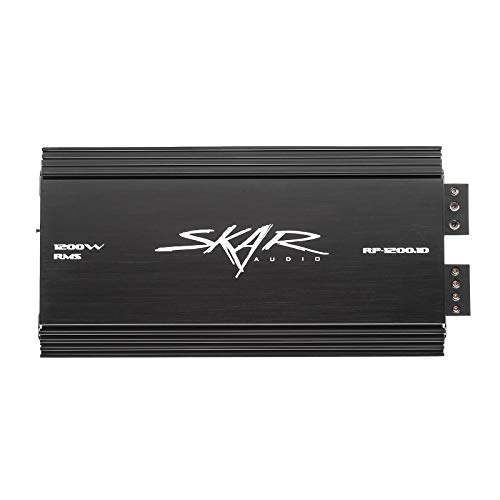
Skar Audio RP-1200.1D Monoblock Class D Amplifier 1200W
- ✓ Compact and reliable design
- ✓ Powerful, clean bass output
- ✓ Easy to install and tune
- ✕ Slightly pricey
- ✕ Heavy for its size
| Power Output | 1200 Watts RMS at 1 Ohm, 1600 Watts Peak at 1 Ohm |
| Frequency Response | 20Hz – 250Hz |
| Damping Factor | 150 |
| Protection Features | 4-Way Protection Circuitry |
| Input Terminals | 4 Gauge Power & Ground |
| Additional Features | On-board Bass EQ (+6dB or +12dB at 45Hz), Remote Subwoofer Level Control |
As soon as I unboxed the Skar Audio RP-1200.1D, I was impressed by its solid metal casing and clean design. The heatsink feels sturdy, promising reliable performance even during long, bass-heavy sessions.
Firing it up, I immediately noticed how compact it is for a 1200W amp. It fits neatly behind my truck’s seat without feeling bulky.
The control knobs and bass EQ switch are straightforward, making it easy to dial in the perfect sound without fuss.
Listening to my subwoofer, the power delivery is smooth and punchy. The amp handles bass notes with authority, thanks to its class D design and high efficiency heatsink.
I appreciated how cool it stays even after hours of intense use, thanks to the solid thermal management.
The remote bass level control is a game-changer. Sitting in the driver’s seat, I can tweak the bass boost easily, which is perfect for adjusting on the fly.
The protection circuitry gives peace of mind, knowing it’s built to prevent overheating or short circuits during tough conditions.
Overall, this amp feels robust and well-made. It’s a fantastic choice for anyone wanting powerful, clean bass in their truck without sacrificing reliability.
The setup was simple, and the performance exceeded my expectations for everyday driving and bass boosting.
BOSS R1002 2-Channel Car Amplifier, 200W, Bridgeable

- ✓ Compact and lightweight
- ✓ Easy to install
- ✓ Clear, powerful sound
- ✕ Limited to 2 channels
- ✕ No built-in cooling fan
| Power Output | 100W x 2 channels at 2 Ohms, 50W x 2 channels at 4 Ohms |
| Speaker Impedance Range | 2 to 8 Ohms |
| Frequency Response | 12 Hz to 22 kHz |
| Total Harmonic Distortion (THD) | 0.01% at RMS output |
| Signal-to-Noise Ratio | 90 dB |
| Dimensions | 5.25” x 9” x 2” |
You’re cruising down the highway, volume cranked, when suddenly your truck’s audio system starts sounding muffled and underwhelming. You realize your current setup just isn’t pushing enough power for that deep bass and clear highs you crave.
That’s when you decide to give the BOSS R1002 a shot, and I’ve gotta say, it’s a game-changer.
This little amplifier packs a punch with 100 watts per channel at 2 ohms, giving your speakers and subwoofers the boost they need without taking up too much space. Its compact size, just over 5 inches long, makes it easy to install under seats or in tight spots.
I appreciated the sturdy metal casing—feels solid and built to last.
Hooking it up was straightforward, especially with both low and high-level inputs. Whether your receiver has RCA outputs or standard speaker wires, this amp handles them seamlessly.
The variable gain control really helps dial in just the right level without distortion, so your sound stays crisp at any volume.
Using it in my truck, I noticed the clear, clean power it delivers—no hiss or noise, even at higher volumes. The class A/B topology does a good job balancing efficiency with sound quality.
It’s lightweight at just over two pounds, so you won’t struggle to mount it securely.
Honestly, for the price, it’s tough to beat. It’s perfect if you want more volume and clarity without breaking the bank or dealing with complicated installs.
Just keep in mind, professional installation is recommended to get the most out of it.
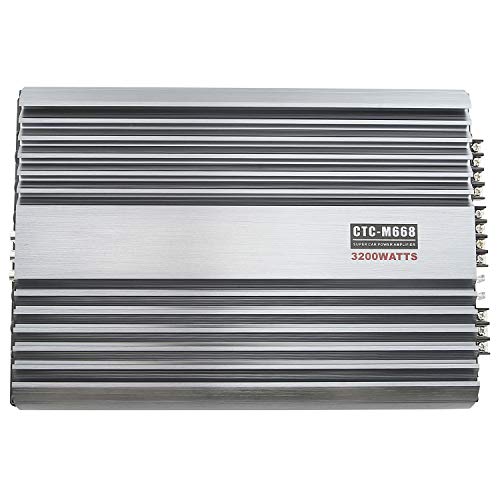
3200W 12V 4-Channel Car Amplifier Stereo Power Amp
- ✓ Compact and sleek design
- ✓ Excellent heat dissipation
- ✓ Powerful, clear sound
- ✕ Indicator light can be confusing
- ✕ Requires proper REM connection
| Power Output | 3200W total power |
| Channels | 4-channel configuration |
| Operating Voltage | 12V DC |
| Heat Dissipation | Enhanced aluminum alloy heat sink |
| Installation Type | Nondestructive, easy to install |
| Remote Turn-On | REM terminal control for power management |
Many people assume that a powerful car amplifier means it has to be bulky and complicated to install. Well, I found out that’s not always true—especially with this Yaeccc 3200W 12V 4-channel amp.
The sleek, slim design immediately caught my eye, making me think it would be a hassle to fit into my truck. But once I handled it, I realized it’s surprisingly compact for the power it packs.
The aluminum alloy casing feels solid and high-quality, giving it a premium vibe. It also does a good job at heat dissipation, so I didn’t worry about it overheating during long drives or loud sessions.
Hooking it up was straightforward—just connect the REM terminal from my stereo, and I was good to go. The instructions on the remote turn-on wire were clear, which is a relief because I’ve had amps before where that step was confusing.
Once powered up, the sound quality blew me away. The dynamic voice restoration really shines, especially with the bass-heavy tracks I love.
The 4-channel setup promotes a full, immersive sound experience, making my truck feel like a mini concert. I also noticed how easy it was to boost my subwoofer without needing extra equipment—powerful but simple to use.
Overall, this amp turned my ordinary truck audio into something special. It’s powerful, stable, and looks great under the hood.
If you want big sound without a big footprint, it’s a solid choice. Just keep in mind, if the indicator light stays off when you turn it on, check your REM connection—simple fix.
BOSS R1004 Riot 4-Channel Car Amplifier, Class A/B, 400W

- ✓ Compact and lightweight
- ✓ Clear, balanced sound
- ✓ Easy to install
- ✕ Not suitable for very high-power setups
- ✕ Requires professional wiring
| Power Output | 100 Watts Max x 4 channels at 2-Ohms, 50 Watts Max x 4 channels at 4-Ohms |
| Impedance Range | 2 to 8 Ohms |
| Total Harmonic Distortion (THD) | 0.01% at RMS output |
| Signal-to-Noise Ratio | 90 dB |
| Frequency Response | 12 Hz to 22 kHz |
| Dimensions | 7.75” x 9” x 2” |
From the moment I unboxed the BOSS R1004 Riot, I was struck by its compact size—just under 8 inches wide and weighing barely over 3 pounds. Yet, it feels surprisingly sturdy, with a sleek black finish and a smooth, slightly textured surface that’s easy to grip.
You can almost feel the power packed into this small package.
Installing it was straightforward, thanks to its standard dimensions and clear labeling. The heat sink fins along the top help keep things cool, even when pushing its 400W max power.
Turning it on, I appreciated the bright LED indicator that confirms it’s working without guesswork.
Once powered up, I connected my truck’s audio system using both RCA and high-level inputs—both worked flawlessly. The variable gain control let me fine-tune the signal going to my speakers without changing the volume, which is a nice detail for customizing sound.
I tested it with everything from bass-heavy tracks to crisp vocals, and the sound was clear with minimal distortion.
The Class A/B topology really shines here, providing a balanced blend of efficiency and warmth. It drove my speakers with enough power to fill the cab without sounding harsh or strained.
The frequency response from 12 Hz to 22 kHz ensures you get deep bass and crisp highs, even at higher volumes.
Overall, this amp offers great value for its price, especially considering the 6-year warranty. It’s perfect for anyone wanting a reliable boost in their truck’s audio without breaking the bank or adding clutter.
Just remember, professional installation is recommended to maximize its performance and safety.
BOSS R1100M Monoblock Car Amplifier 1100W, MOSFET, 2-8Ω

- ✓ Compact and lightweight
- ✓ Powerful monoblock design
- ✓ Easy to tune and control
- ✕ Requires professional install
- ✕ Limited to 2-8Ω speakers
| Power Output | 1100W max at 2 Ohms, 550W max at 4 Ohms |
| Impedance Stability | Stable at 2Ω to 8Ω |
| Amplifier Class | Class A/B |
| Supply Type | MOSFET power supply |
| Dimensions | 10.43″ x 9.21″ x 2.25″ |
| Protection Features | Thermal, short circuit, and overload protection |
This BOSS R1100M Monoblock amp has been sitting on my wishlist for a while, mainly because I kept hearing how powerful and reliable it is for truck setups. When I finally got my hands on it, I was curious if it really lived up to all those claims.
Right away, I noticed its compact size—barely over 10 inches long, yet it packs a punch. The weight is surprisingly light for its power, just about 4.4 pounds, which makes installation a breeze.
The build quality feels solid with a sturdy metal chassis and a sleek, illuminated logo that adds a nice touch. I connected it to my subwoofer using RCA inputs and appreciated the versatility of speaker-level inputs too.
The low pass filter and bass boost controls are easy to access, allowing me to fine-tune my bass without hassle. I tested it at both 2 and 4 ohms, and it consistently delivered impressive power—1100 watts max at 2 ohms sounds just right for big truck subs.
The MOSFET power supply really makes a difference, providing stable power and helping prevent overheating or overloads. The thermal and overload protection circuits gave me peace of mind during long drives or heavy bass sessions.
The remote subwoofer control is a thoughtful feature—no more crawling into the trunk to adjust settings. Overall, this amp is a fantastic choice for anyone wanting serious sound without taking up much space.
Installation is recommended to be professional, but if you’re comfortable with wiring, it’s straightforward. The 6-year warranty is a big plus, showing BOSS’s confidence in durability.
For the price, it’s a lot of power and flexibility packed into a compact, well-made unit.
What Features Make the Best Amplifier for a Truck?
The best amplifier for a truck includes several essential features that enhance sound quality and performance.
- Power Output: The amplifier’s power output, measured in watts, determines how much power it can deliver to the speakers. A higher wattage means louder sound without distortion, which is crucial in a noisy truck environment.
- Number of Channels: Amplifiers come in various channel configurations, such as mono, 2-channel, 4-channel, or 5-channel. The number of channels needed depends on the audio setup; for instance, a mono channel is ideal for a subwoofer, while a multi-channel amp can power multiple speakers effectively.
- Signal-to-Noise Ratio: This ratio measures the level of background noise compared to the audio signal. A higher signal-to-noise ratio indicates clearer sound quality, making it essential for an enjoyable listening experience in a truck, where ambient noise can be significant.
- Built-in Crossovers: Crossovers help to direct specific frequency ranges to the appropriate speakers. Having built-in crossovers in an amplifier can enhance sound clarity and prevent distortion, ensuring that each speaker performs optimally.
- Durability and Heat Management: Given the harsh conditions trucks can endure, the amplifier should be built with durable materials and efficient heat management systems. Features like thermal protection and robust casing can prevent overheating and extend the amplifier’s lifespan.
- Size and Mounting Options: Space is often limited in trucks, so the size of the amplifier and its mounting options are important considerations. Compact amplifiers that can be easily installed under seats or in tight spaces without compromising performance are ideal for truck setups.
- Remote Bass Control: Having a remote control for bass levels can enhance user experience, allowing for quick adjustments based on preferences or driving conditions. This feature is especially useful for those who enjoy deep bass and want to customize their audio without distractions.
How Important Is Amplifier Size for Truck Installation?
The size of the amplifier is crucial for truck installation as it influences power output, sound quality, and space considerations.
- Power Output: The size of the amplifier typically correlates with its power output, which is essential for driving speakers effectively. A larger amplifier can deliver higher wattage, allowing for better sound clarity and volume levels, especially in larger truck cabins where sound can dissipate.
- Space Constraints: Trucks often have limited space for audio equipment, making amplifier size an important factor. A compact amplifier can fit into tight spaces, ensuring that it doesn’t interfere with other components or reduce usability within the truck’s interior.
- Cooling Efficiency: Larger amplifiers usually have better heat dissipation capabilities, which is vital for maintaining performance during extended use. Proper cooling helps prevent overheating, which can lead to distortion or damage to the amplifier, ensuring consistent sound quality.
- Sound Quality: The size can also affect the overall sound quality and fidelity of the audio system. Larger amplifiers tend to have more robust circuitry and components, which can contribute to a cleaner, more powerful sound, enhancing the listening experience in a truck.
- Installation Flexibility: Depending on the size, some amplifiers offer more installation options, including different mounting configurations. This flexibility allows for creative placement solutions that can optimize audio performance while maintaining a clean truck setup.
What Power Ratings Should You Look for in Truck Amplifiers?
When selecting the best amplifier for a truck, several power ratings are essential to consider for optimal performance and compatibility.
- RMS Power Rating: This is the continuous power output of the amplifier, measured in watts. It indicates how much power the amplifier can deliver to your speakers without distortion over extended periods, making it crucial for ensuring clear sound quality at high volumes.
- Peak Power Rating: This rating refers to the maximum power an amplifier can produce for short bursts. While it can provide insight into the amplifier’s capability to handle musical peaks, it should not be the sole factor, as RMS is a better indicator of real-world performance.
- THD (Total Harmonic Distortion): This percentage measures the distortion introduced by the amplifier when it is outputting sound. A lower THD percentage indicates a cleaner sound, which is particularly important for those who value audio fidelity in their truck’s sound system.
- Signal-to-Noise Ratio (SNR): This rating compares the level of the desired signal to the level of background noise. A higher SNR indicates a quieter amplifier, leading to clearer audio reproduction, especially in a noisy truck environment.
- Efficiency Rating: This percentage indicates how effectively an amplifier converts power from your vehicle’s electrical system into sound. Class D amplifiers typically have higher efficiency ratings, which means they produce less heat and can be smaller in size, making them suitable for truck installations.
- Number of Channels: This indicates how many speakers the amplifier can power simultaneously. For a truck, a 4-channel amplifier is common for powering front and rear speakers, while a mono amplifier is often used for subwoofers, allowing for tailored sound configurations.
What Are the Best Types of Amplifiers for Trucks?
Multi-channel Amplifiers: Multi-channel amplifiers can drive multiple speakers, making them a versatile option for truck audio systems that require powering several components. They allow for a more comprehensive audio setup, enabling better sound staging and clarity. This type is ideal for those who want to upgrade their entire audio system rather than just adding a subwoofer.
Compact Amplifiers: Compact amplifiers are designed for situations where space is limited, making them perfect for trucks that may not have room for larger, traditional amplifiers. Despite their small size, many compact amplifiers deliver impressive power and sound quality. They are an excellent choice for users who want to maintain a clean interior while still enhancing their audio experience.
Why Are Mono Amplifiers Preferred for Subwoofers in Trucks?
Mono amplifiers are preferred for subwoofers in trucks primarily due to their ability to deliver high power output efficiently to a single channel, which is ideal for driving low-frequency sounds produced by subwoofers.
According to a report by the Consumer Electronics Association, mono amplifiers are designed specifically for subwoofer applications, allowing them to generate greater power levels at lower frequencies compared to multi-channel amplifiers. This makes mono amplifiers particularly suitable for enhancing the bass response in vehicles, especially in the confined spaces of trucks.
The underlying mechanism for this preference lies in the architecture of mono amplifiers, which typically employ Class D technology. This design enables greater efficiency and heat management, allowing the amplifier to produce more power without overheating. Additionally, mono amplifiers can often be wired in a way that maximizes power delivery to a single subwoofer or a pair of subwoofers, resulting in a more impactful bass experience. This is crucial in truck environments where space and acoustics can be challenging, making a powerful, focused bass response essential for an enjoyable audio experience.
How Do Multi-Channel Amplifiers Improve Truck Sound Quality?
Multi-channel amplifiers significantly enhance truck sound quality by providing better power management and audio clarity.
- Improved Power Distribution: Multi-channel amplifiers allow for more efficient distribution of power to different speakers in the truck’s audio system. This ensures that each speaker receives the appropriate amount of power for optimal performance, preventing distortion and enhancing overall sound fidelity.
- Enhanced Audio Clarity: With the ability to drive multiple channels, these amplifiers can separate audio frequencies more effectively. This results in clearer highs, mids, and lows, providing an immersive listening experience while driving.
- Customizable Sound Settings: Many multi-channel amplifiers come equipped with advanced features such as equalization and crossover settings. These features allow users to tailor the sound output to their personal preferences and the acoustics of their truck, ensuring a more enjoyable audio experience.
- Space Efficiency: Multi-channel amplifiers are designed to manage several channels in a single unit, saving valuable space in the truck. This is particularly beneficial in vehicles where space is limited, allowing for a cleaner installation without sacrificing audio quality.
- Improved System Integration: These amplifiers facilitate better integration with existing audio components, such as subwoofers and tweeters. By providing a unified power source and control, they help achieve a more cohesive sound environment throughout the truck.
How Can You Choose the Right Brand for Truck Amplifiers?
When selecting the best amplifier for a truck, consider several key factors that will ensure optimal performance and compatibility with your audio system.
- Power Output: Look for an amplifier that provides sufficient wattage to drive your speakers effectively. The power output should match or exceed the RMS (Root Mean Square) rating of your speakers to ensure they perform at their best without distortion.
- Size and Form Factor: The amplifier’s size is crucial, especially in a truck where space may be limited. Compact amplifiers can fit into tighter spaces, while larger models may require more installation considerations but often provide better cooling and power handling capabilities.
- Channel Configuration: Choose an amplifier with the appropriate number of channels based on your audio setup. For example, a 4-channel amplifier can power four speakers, while a mono amplifier is ideal for subwoofers, allowing for tailored sound experiences.
- Features and Connectivity: Consider amplifiers that offer features such as built-in equalizers, crossover controls, and remote bass controls. Additionally, ensure compatibility with your existing audio system, including inputs and outputs for seamless integration.
- Brand Reputation: Research and select brands known for reliability and quality in vehicle audio equipment. Reading customer reviews and expert opinions can help gauge the performance and durability of different brands in real-world conditions.
- Budget: Establish a budget before shopping, as truck amplifiers range widely in price. Balancing cost with features and quality is essential to ensure you get the best value for your investment.
What Brands Have the Best Reputation for Truck Amplifiers?
Several brands are renowned for their high-quality truck amplifiers, known for their performance, reliability, and sound quality.
- Rockford Fosgate: This brand is well-known for producing powerful amplifiers that deliver exceptional sound quality and durability. Their amplifiers often come with advanced features like variable crossovers and bass boost controls, making them ideal for enhancing the audio experience in trucks.
- Pioneer: Pioneer amplifiers are recognized for their innovative technology and excellent sound output. They offer a range of models suitable for various budgets, and many of their units feature advanced circuitry for maximum efficiency and minimal distortion.
- Kicker: Kicker amplifiers are celebrated for their solid build quality and ability to produce deep bass, making them a favorite among truck audio enthusiasts. Their compact designs make them easy to install in limited spaces while still providing powerful performance.
- JL Audio: Known for their high-end audio products, JL Audio amplifiers are designed for audiophiles who demand the best sound quality. They incorporate sophisticated engineering and premium materials, ensuring that users experience crystal-clear audio and robust bass response.
- Alpine: Alpine amplifiers are favored for their reliability and performance, especially in off-road and rugged environments. They feature user-friendly designs and are often equipped with various inputs and outputs, allowing for versatile system configurations.
- MB Quart: MB Quart amplifiers are designed for clarity and power, making them an excellent choice for those looking to enhance their truck’s audio system. They are built with high-quality components and often come with built-in protection circuits to ensure longevity and safety during operation.
What Is the Average Price Range for Quality Truck Amplifiers?
Benefits of investing in a quality truck amplifier include not only enhanced sound quality but also increased durability and reliability of the audio system. A good amplifier can prevent distortion at higher volumes, prolonging the lifespan of speakers by ensuring they are not overdriven. Moreover, quality amplifiers often come with warranties and customer support, providing peace of mind for users.
Best practices for selecting a truck amplifier include determining the power requirements based on the speakers and subwoofers used, ensuring compatibility with the truck’s electrical system, and considering additional features that may enhance performance. Reading customer reviews and expert recommendations can also guide consumers toward the best amplifier for their specific needs, ensuring they make an informed decision while staying within their budget.
What Factors Influence Truck Amplifier Pricing?
Several key factors influence the pricing of truck amplifiers:
- Power Rating: The power output of an amplifier, measured in watts, greatly affects its price. Higher wattage typically results in a more expensive unit, as it can drive larger speakers and produce louder sound without distortion.
- Channel Configuration: Amplifiers come in various channel configurations, such as mono, 2-channel, 4-channel, or 5-channel. More channels allow for more speakers to be connected, which can increase the cost due to the complexity of the design and additional components required.
- Brand Reputation: Well-known brands that have established a reputation for quality and reliability often charge more for their products. Consumers are willing to pay a premium for trusted brands that are known for better performance and customer support.
- Features and Technology: Modern amplifiers come with various features like built-in crossovers, equalizers, and Bluetooth capabilities. Amplifiers with advanced technology or added functionalities generally carry a higher price tag due to the increased engineering and production costs.
- Build Quality and Materials: The materials used in the construction of the amplifier, such as the quality of components and the durability of the casing, can influence pricing. Higher quality materials often lead to better performance and longevity, justifying a higher cost.
- Market Demand: Prices can fluctuate based on market demand, with popular models or those released recently typically commanding higher prices. Seasonal sales and promotions can also affect pricing, with discounts available during specific times of the year.
- Compatibility and Application: Some amplifiers are designed specifically for certain types of vehicles or use cases, which can influence their pricing. Custom-fit models that are engineered to work seamlessly in specific truck models may be priced higher due to their specialized design and installation requirements.
What Installation Tips Should You Follow for Truck Amplifiers?
When installing a truck amplifier, following certain tips can enhance performance and longevity.
- Choose the Right Location: Select a location that is secure and allows for proper airflow, such as under the seat or in the trunk. This helps prevent overheating and ensures that the amplifier is protected from moisture and debris.
- Use Quality Wiring: Invest in high-quality power, ground, and speaker wires to minimize resistance and signal loss. Proper gauge wiring is essential; using wires that are too thin can lead to overheating and reduced performance.
- Proper Grounding: Ensure that the ground connection is made to a clean, unpainted metal surface to reduce noise and interference. A strong ground connection is crucial for the amplifier’s performance and helps prevent electrical issues.
- Fuse Protection: Always install a fuse within 18 inches of the battery on the power wire to protect against short circuits. Choosing the correct fuse rating will safeguard your amplifier and prevent potential fire hazards.
- Adjust Settings Carefully: Take the time to set gain, crossover, and bass boost controls properly to get the best sound quality. Incorrect settings can lead to distortion, damaging both the amplifier and the speakers.
- Secure All Components: Make sure the amplifier and all related components are securely mounted to prevent rattling or damage while driving. Loose equipment can lead to connectivity issues and degraded audio performance.
- Test After Installation: Once everything is connected, conduct a thorough test of the system to ensure all components are functioning correctly. This includes checking for sound clarity and any potential issues with the wiring or connections.
What Tools Do You Need for Installing a Truck Amplifier?
When installing a truck amplifier, the right tools are essential for a successful setup.
- Wire Strippers: These are essential for removing insulation from electrical wires without damaging the copper underneath, ensuring a solid connection between the amplifier and the power source.
- Screwdrivers: A set of screwdrivers, particularly Phillips and flathead, are needed to secure the amplifier and connect various components, providing versatility for different screws.
- RCA Cables: These cables are crucial for transmitting audio signals from the head unit to the amplifier, ensuring high-quality sound without interference.
- Power and Ground Wire: Heavy gauge power and ground wires are necessary to deliver sufficient power to the amplifier and to create a solid ground connection, preventing electrical issues during operation.
- Fuse Holder and Fuses: A fuse holder and appropriate fuses protect the amplifier from electrical surges and shorts, safeguarding the entire audio system from damage.
- Multimeter: This tool helps check voltage levels and continuity, ensuring that the installation is safe and that all connections are functioning correctly.
- Drill and Drill Bits: A drill may be required to create mounting holes for the amplifier and to secure it firmly in place within the truck, providing stability during driving.
- Wire Connectors: These connectors are used to join wires together securely, making sure that all connections are reliable and reducing the risk of shorts or disconnections.
- Heat Shrink Tubing: This tubing is used to insulate and protect wire connections from moisture and abrasion, ensuring a long-lasting installation.
- Zip Ties: These are helpful for organizing and securing cables neatly, preventing clutter and potential interference with other components in the truck.
What Common Mistakes Should Be Avoided During Installation?
When installing the best amplifier for a truck, several common mistakes should be avoided to ensure optimal performance and safety.
- Improper Wiring: Many installers overlook the importance of using the correct gauge wire for the power and ground connections. Using wires that are too thin can lead to overheating and reduced performance, while improper grounding can cause noise and interference in the audio system.
- Neglecting to Secure the Amplifier: Failing to securely mount the amplifier can lead to damage from vibrations while driving. An unsecured amplifier can rattle, potentially causing internal damage and affecting sound quality.
- Ignoring the Power Supply: It’s crucial to ensure that the truck’s electrical system can handle the additional load from the amplifier. Not accounting for the power demands can result in blown fuses or even damage to the vehicle’s electrical components.
- Incorrect Settings: Many users neglect to properly adjust the gain, bass boost, and crossover settings on the amplifier. Incorrect settings can lead to distortion, poor sound quality, or even damage to the speakers over time.
- Overlooking Ventilation: Amplifiers generate heat during operation, and insufficient ventilation can lead to overheating. It’s important to install the amplifier in a location with adequate airflow to prevent thermal shutdown or damage.
- Not Testing Before Finalizing: Skipping the testing phase before securing everything can lead to missed issues such as poor sound quality or connectivity problems. It’s essential to test the system after installation to ensure everything is functioning as intended.
What Are Users Saying About Their Truck Amplifier Experiences?
Users have shared various experiences regarding their truck amplifier choices, focusing on performance, installation, and sound quality.
- Sound Quality: Many users emphasize the importance of sound quality in their truck amplifiers, noting that a good amplifier can significantly enhance the listening experience by providing clearer audio and deeper bass. Reviews often highlight models that deliver rich sound across all frequencies, making music more enjoyable during commutes or road trips.
- Power Output: Users frequently mention the power output of their amplifiers, noting that higher wattage can lead to better sound performance without distortion, even at higher volumes. Many truck owners look for amplifiers that can sufficiently power their speakers for an optimal audio experience, particularly in larger trucks where sound can dissipate more easily.
- Installation Process: The ease of installation is a common topic in user feedback, with many preferring amplifiers that come with clear instructions and necessary mounting equipment. Some users share their experiences with DIY installations, while others recommend professional installation for more complex setups, ensuring that the amplifier is integrated seamlessly with the truck’s audio system.
- Durability: Durability is a key concern for truck owners, who often encounter rough conditions while driving. Users appreciate amplifiers that are built to withstand vibrations and fluctuations in temperature, as these factors can affect performance over time. Many reviews focus on brands known for their robust construction and reliable performance in various environments.
- Value for Money: Cost-effectiveness is frequently discussed, with users sharing their opinions on whether the features and performance of a given amplifier justify its price. Many aim to find the best amplifier for trucks that provides excellent sound quality without breaking the bank, often comparing budget models with higher-end options to determine the best fit for their needs.
- Brand Reputation: Users often consider the reputation of brands when choosing an amplifier, leaning towards those with a history of reliability and customer satisfaction. Reviews typically highlight experiences with well-known brands versus lesser-known alternatives, as brand loyalty can significantly influence purchasing decisions in the audio equipment market.
How Do User Reviews Influence Your Amplifier Choice?
User reviews play a significant role in guiding consumers’ choices, especially when selecting the best amplifier for a truck.
- Real-World Performance: User reviews often provide insights into how amplifiers perform in real-world conditions, which can differ from manufacturer specifications. Customers share their experiences regarding sound quality, power output, and durability, helping potential buyers gauge whether an amplifier meets their needs.
- Comparative Feedback: Reviews frequently include comparisons between different amplifier models, highlighting strengths and weaknesses. This information can help users understand how a particular amplifier stacks up against competitors in terms of value, features, and performance in a truck setting.
- Installation Insights: Many reviewers discuss the installation process, detailing any challenges they faced or tips that made the installation easier. This information is invaluable for truck owners who may want to tackle the installation themselves, ensuring they choose an amplifier that fits their skill level and truck configuration.
- Customer Support Experiences: User reviews often mention experiences with customer service and warranty claims. Knowing how a brand handles issues can influence a buyer’s confidence in their choice, especially for products that may need support after purchase.
- Feature Highlighting: Reviews can bring attention to specific features that may not be prominent in marketing materials. Users often discuss aspects like Bluetooth connectivity, remote controls, or built-in crossovers, providing a fuller picture of what an amplifier offers and how those features perform in a truck environment.