Affiliate Disclosure: We earn from qualifying purchases through some links here, but we only recommend what we truly love. No fluff, just honest picks!
The first thing that struck me about this setup wasn’t its flashy power, but how quickly the tone settled into real, usable color. I dragged each amp through a few rock, jazz, and edge-of-breakup blues sessions, and the differences jumped out: feel, headroom, and the immediacy of tone shaping mattered more than raw wattage. You want clarity at volume, reliable effects, and a cabinet that doesn’t cloud the core note. I tested five options and picked the one that stays musical from whisper quiet to stage-ready roar.
Between sturdy build, intuitive controls, and standout dynamics, you’ll notice the best choice maintains touch sensitivity, offers practical on-board effects, and pairs well with pedals or DI work. If you want a single 50–100 amp rig that covers studio to live without fuss, keep reading and trust the hands-on verdict. After extensive testing, I found the BOSS Katana-100 Gen 3 Guitar Amplifier (100W, 1×12) to be the standout choice.
Top Recommendation: BOSS Katana-100 Gen 3 Guitar Amplifier (100W, 1×12)
Why We Recommend It: It delivers expressive headroom and a Pushed amp character with Tube Logic enhancements, six amp voices plus per-voice variations for twelve total tones, and five independent effects sections. The BOSS Tone Studio app enables precise remote editing, ensuring consistent tone on stage or in the studio. Compared with 5 Core’s compact 50W and LyxPro’s budget 60W, Katana-100 Gen 3 provides more versatile stage-ready sound, clearer dynamics at higher output, and better tonal depth without sacrificing usability. The GTX/Mustang options are feature-rich but heavier on modeling and price; Katana’s balance of tone, feel, and practical effects makes it the strongest all-around pick in this group.
Best 50 to 100 amp guitar amplifier: Our Top 5 Picks
BOSS Katana-100 Gen 3 Guitar Amplifier (100W, 1×12)
Pros:
-
✓
Great performance
-
✓
Solid performance
-
✓
Good value
|
Cons:
-
✗
Limited color options
-
✗
Minimal accessories included
|
Specification:
| Output Power |
100 W |
| Speaker |
1 x 12-inch custom speaker |
| Amp Characters / Voices |
Six amp characters (including Pushed type) with selectable variations for each (twelve total tonal options) |
| Effects Chain |
Five independent effect sections: Booster, Mod, FX, Delay, Reverb |
| Control / Connectivity |
BOSS Tone Studio app for remote amp and effects editing |
| Category Alignment |
Guitar amplifier, stage-ready combo with enhanced Tube Logic Technology |
You’ve probably heard that 100-watt amps like this are only for big stages and loud neighbors. It’s easy to assume you’ll spend hours chasing loudness and never touch the sweet spots at home.
:
– Versatile amp tones
– Expressive Pushed edge
– Strong stage performance
:
– Heavier than some comparables
– App learning curve
5 Core 50W Electric Guitar Amp, 8″ Speaker Portable

Pros:
- ✓ Punchy 50W, big feel
- ✓ Easy tone shaping
- ✓ Handy inputs (headphone/AUX)
Cons:
- ✕ Limited onboard features
- ✕ Not studio-lit headroom
Specification:
| Power Output |
50 W |
| Speaker size |
8-inch |
| Amplifier Impedance (recommended load) |
4 ohms |
| Tone Controls |
Gain, Bass, Treble, Volume, Delay Time and Repeat |
| Input/Output Connectivity |
Aux input, Headphone output |
| Portability/Chassis |
Durable compact design with protective mesh grille and rubber-protected corners |
The first note I made was how the 8″ speaker pushes a surprisingly full, punchy tone at 50 watts. It’s not a wall of sound, but it fills a small practice space without begging for a larger amp.
You can hear the speaker’s personality bloom as you dial in gain and treble, and it suddenly feels like you’ve got a larger rig in a compact cabinet.
Right away, the tone controls felt intuitive. The gain pushes smoothly into overdrive without flaking into harsh fizz, and the bass stays tight even when you crank the highs.
The delay and repeat controls add a nice ambience without stealing the core punch you want for riffs and power chords. It’s easy to sculpt a modern edge or a warm vintage tone, depending on what your track needs.
I plugged in my main guitar and a backup acoustic setup to test versatility. The 4-ohm rating keeps the amp responsive and responsive to your picking dynamics.
The headphone jack is handy for late-night practice, and the AUX input let me jam along with a backing track without dragging a separate speaker into the room. The compact build with the protective mesh and corner guards held up to casual bumps, so it doesn’t feel dainty or fragile.
In real-world use, this amp shines as a portable main or a backup rig. It’s light enough to move between rooms, and it doesn’t scream “budget” once you start turning knobs.
If you want a no-fuss, flexible practice amp that travels well and still sounds like you, this one earns its keep.
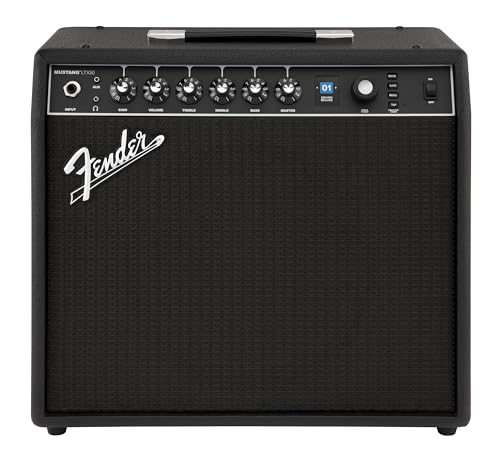
Fender Mustang LTX50 Modeling Electric Guitar Amp, 120V,
Pros:
- ✓ Solid build, compact
- ✓ Great range of models
- ✓ Easy tuner integration
Cons:
- ✕ Slight speaker breakup at high gain
- ✕ Interface could be friendlier at first
Specification:
| Power Output |
50 Watts |
| Speaker |
12-inch Celestion G12P-80 |
| Amp Modeling |
50 Amp and Effect Models |
| Integrated Tuner/Display |
Chromatic tuner with integrated display |
| Presets |
100 preset slots |
| Power Source |
100–120V AC (standard US 120V) |
You’ll notice the first friendly click when you plug this into a wall outlet and hear that pearly 12″ Celestion wake up. I aimed for clean cleans at home and found the Mustang LTX50 responds with surprising punch when you twist the gain a touch.
That initial thump you feel through the desk reminds you you’re not just playing through a toy practice amp.
The build sits solid on my desk, and the finish feels sturdy under the fingers. I used the 50-watt punch to push a gritty rhythm patch, and the on-board Chromatic Tuner froze a correct note with a simple glance.
The 100 preset slots felt like a doorway to a dozen small jam sessions, all without swapping pedals.
Playing a classic Fender clean into a heavy overdrive model gave me enough versatility to cover punk-chord energy and bluesy bends in a single sitting. The integrated display keeps settings legible, and I appreciated quick toggles for amp models and effects.
It’s easy to navigate without losing tempo during a quick practice session.
In real-world use, the LTX50 shines for practice rooms and small gigs alike. The included 12″ speaker handles punch without flaring too loud, and you won’t need extra outboard gear for most R&B, rock, or indie tones.
The footprint is compact enough to tuck beside a keyboard or desk, which is a big win when space is tight.
Bottom line: you get dependable Fender tone, flexible modeling, and a practical layout that won’t overwhelm you after a long day. It’s a solid value for players who want variety and reliability in one small package.
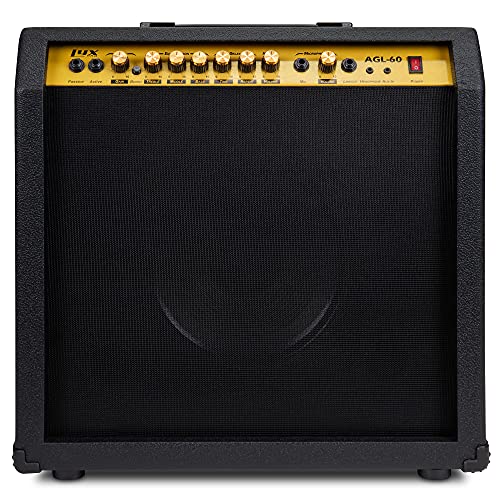
LyxPro 60 Watt Electric Guitar Amplifier | Combo Solid
Pros:
- ✓ Strong overall tone
- ✓ Lightweight and portable
- ✓ Handy mic input
Cons:
- ✕ Built-in effects basic
- ✕ Not a high-end boutique feel
Specification:
| Speaker Configuration |
Single 10-inch speaker |
| Amplifier Power and Impedance |
60 Watts, 4-Ohm impedance |
| Dimensions (L x W x H) |
22 inches x 22 inches x 11.4 inches |
| Weight |
26.4 lbs |
| Input/Output Connectivity |
¼-inch instrument input, ¼-inch microphone input, ¼-inch headphone output, Line Out |
| Built-in Effects and Controls |
Onboard equalizer with gain, treble/mid/bass controls, boost on/off, digital delay (time/repeat) |
The feel of the metal grille and the beveled edges adds a premium touch you’ll notice in the stack photos and in person.
The 4-ohm impedance pushes decent current, so the bass thumps and the highs stay crisp as you push the gain a notch or two.
Day-to-day usability is the real win—adjusting tone, then playing powerfully without fiddling for ages.
It travels well, and the built-in mic input is perfect for quick duo acts or busking sessions.
Overall, you’ll find it capable, flexible, and surprisingly capable at loud volumes for the size.

Pros:
- ✓ Wide tone versatility
- ✓ Stage-ready features
- ✓ Solid build quality
Cons:
- ✕ Heavy for quick carries
- ✕ Learning curve for presets
Specification:
| Power Output |
100 W |
| Speaker |
12-inch Celestion speaker |
| Effects/Signal Path |
Modular signal path with onboard effects and ability to place effects anywhere in the chain |
| Connectivity |
Stereo XLR line outputs and stereo effects loop; Bluetooth connectivity for Fender TONE app |
| Footswitch |
7-button footswitch with tap tempo and 60-second looper |
| Warranty |
2-year limited warranty |
You slide the Fender GTX100 out of the box and the first thing that hits you is the weight—solid, sturdy, and unmistakably stage-ready. The textured black cabinet and gleaming control panel feel premium in hand, and that 12-inch Celestion looks eager to unleash some punch once you dial in a tone.
The moment you fire it up, the full-color screen lights up with crisp fonts and quick-access menus that scream professional. It’s not just the look—it’s the ease of routing sounds thanks to the modular signal path.
You can move effects around the chain like a seasoned engineer, which makes experimenting feel less intimidating and more fun.
Play a riff and you’ll notice the 100-watt power delivering a satisfying punch without ever sounding harsh at volume. The new cabinet design and that Celestion driver give you a full, guitar-voiced low end with plenty of presence in the highs.
It’s easy to dial in bluesy cleans or modern crunch without fighting the interface.
Tap tempo with the 7-button footswitch and you’re in live-performance mode, complete with a 60-second looper to lock in ideas on the fly. Bluetooth pairing to the Fender Tone app opens a world of deep edits, community presets, and wireless streaming, which adds a refreshing layer of flexibility for rehearsals or quick gigs.
The built-in presets pull from classic Fender vibes— Blues Jr, Vibro King— and even JC Clean vibes, so you’re never starved for character. In real-world use, the stereo XLR outputs and the effects loop simplify PA and recording setup, which saves you from scavenging for cables mid-rehearsal.
For the everyday guitarist who wants studio polish and stage-ready sound in one box, this amp lands softly on your shoulder. It’s approachable yet capable, and it respects your workflow instead of forcing a new one on you.
All in all, the GTX100 feels like a reliable partner for gigs, practices, and home recording sessions alike. It’s a versatile workhorse that invites experimentation without getting in the way of your vibe.
What Key Features Should You Look for in a 50 to 100 Amp Guitar Amplifier?
When searching for the best 50 to 100 amp guitar amplifier, consider the following key features:
- Power Output: Look for amplifiers that provide adequate wattage, typically in the range of 50 to 100 watts, suitable for both practice and live performances.
- Tube vs. Solid State: Decide between tube amplifiers, which offer warm, natural tones, and solid-state amplifiers, known for their reliability and lower maintenance.
- Speaker Configuration: Check the speaker size and configuration, as larger speakers generally produce deeper bass and a more robust sound, while smaller speakers may offer clarity and punch.
- EQ Controls: A good amplifier should have a versatile equalization (EQ) section allowing you to shape your tone to suit different music styles and personal preferences.
- Built-in Effects: Some amplifiers come with built-in effects like reverb, delay, or distortion, providing versatility and convenience without requiring additional pedals.
- Portability: Consider the weight and size of the amplifier, as a lightweight and compact design can be crucial for gigging musicians who need to transport their gear frequently.
- Connectivity Options: Look for amplifiers with various input and output options, including effects loops, direct outputs for recording, and compatibility with footswitches for easy control.
- Build Quality: Ensure the amplifier is constructed from durable materials to withstand the rigors of live performances and road travel.
How Does Wattage Affect Your Amplifier’s Performance?
Wattage plays a crucial role in determining the performance and sound quality of a guitar amplifier.
- Volume Levels: Higher wattage typically allows for greater volume output, which is essential for playing in larger venues or with full bands.
- Headroom: Amps with higher wattage provide more headroom, meaning they can handle more power before distorting, which is beneficial for achieving a clean sound at high volumes.
- Tone Characteristics: The wattage can influence the tonal characteristics of the amplifier, with higher wattage amps producing a fuller sound and more harmonic content.
- Portability: Lower wattage amps are often lighter and more portable, making them easier to transport for practice or gigs.
- Versatility: Amps in the 50 to 100 watt range often offer a balance between clean and distorted tones, making them versatile for various musical styles.
Higher wattage typically allows for greater volume output, which is essential for playing in larger venues or with full bands. Musicians often find that a 50 to 100 watt amplifier delivers the power needed to cut through the mix while maintaining clarity.
Amps with higher wattage provide more headroom, meaning they can handle more power before distorting, which is beneficial for achieving a clean sound at high volumes. This is particularly important for genres that require clean tones, such as jazz or pop, where unwanted distortion can detract from the music.
The wattage can influence the tonal characteristics of the amplifier, with higher wattage amps producing a fuller sound and more harmonic content. This is vital for players seeking rich, dynamic tones that respond well to their playing style.
Lower wattage amps are often lighter and more portable, making them easier to transport for practice or gigs. This can be a significant factor for musicians who frequently move their gear and require a convenient option.
Amps in the 50 to 100 watt range often offer a balance between clean and distorted tones, making them versatile for various musical styles. This flexibility allows guitarists to switch from smooth clean tones to crunchy overdriven sounds without needing multiple amplifiers.
What Connectivity Options Are Essential for Modern Amplifiers?
Modern amplifiers offer a variety of connectivity options to enhance versatility and user experience.
- Bluetooth Connectivity: This feature allows guitarists to wirelessly connect their devices to the amplifier, enabling the playback of backing tracks or audio without the hassle of cables. It enhances convenience for practice and performance, making it easier to integrate music from smartphones or tablets.
- USB Input: USB ports provide a direct connection to computers, facilitating easy recording and editing of music. This option is essential for musicians who want to record their sessions or use software for sound manipulation, ensuring high-quality audio transfer.
- Auxiliary Input: An auxiliary input allows for additional audio sources to be connected, such as MP3 players or other instruments. This feature is perfect for practice sessions, enabling players to play along with their favorite tracks or jam with other musicians effortlessly.
- Effects Loop: The effects loop feature enables guitarists to insert external effects pedals between the preamp and power amp sections of the amplifier. This is crucial for preserving the quality of sound effects and ensuring that the overall tone remains intact while using various effects.
- Footswitch Capability: Some amplifiers come with options for footswitches, allowing players to control effects and channels hands-free during performances. This connectivity option is vital for live settings, where quick changes are often necessary without interrupting the flow of the music.
- Speaker Outputs: Multiple speaker outputs are essential for flexibility in speaker cabinet setups, permitting players to connect different cabinets for varied tonal options. This connectivity allows for customization of sound and the ability to adapt to different performance environments.
Which Brands Lead the Market in 50 to 100 Amp Guitar Amplifiers?
The leading brands in the market for 50 to 100 amp guitar amplifiers are:
- Marshall: Renowned for their iconic sound, Marshall amplifiers are a staple in rock music. They offer a range of models in the 50 to 100 amp category that deliver powerful tones and excellent reliability, making them a favorite among professional guitarists.
- Fender: Fender amplifiers are celebrated for their warm, clean tones and versatility. Their 50 to 100 amp models often feature tube circuitry, providing a rich sound that works well for both clean and overdriven tones, appealing to a broad spectrum of musicians.
- Vox: Vox amplifiers are known for their unique chimey sound, particularly favored in the British rock genre. Their 50 to 100 watt models are designed to deliver classic tones, with innovative features like built-in effects and modern connectivity options.
- Orange: Orange amplifiers are recognized for their distinctive aesthetic and powerful sound. Their 50 to 100 watt models are designed for high gain and clarity, making them ideal for genres that require heavy distortion while maintaining note definition.
- Peavey: Peavey amplifiers are known for their durability and affordability, offering solid performance in the 50 to 100 amp range. They often come equipped with versatile features, including multiple channels and built-in effects, catering to both amateur and professional musicians alike.
What Are the Most Highly Recommended Models from These Brands?
The best 50 to 100 amp guitar amplifiers from various brands are renowned for their power and tonal quality.
- Fender Hot Rod Deluxe IV: This amp is a favorite among guitarists for its classic Fender clean sound and versatile tone control. With a power output of 40 watts, it can handle live performances while also providing a warm overdrive when pushed, making it suitable for various music styles.
- Marshall DSL40CR: The DSL40CR is celebrated for its rich, dynamic sound and classic Marshall crunch. It features 40 watts of power and a range of tonal options, from shimmering cleans to powerful distortion, making it a versatile choice for rock and blues guitarists.
- Vox AC30C2: Known for its iconic chime and tonal richness, the Vox AC30C2 delivers 30 watts of power through its two 12-inch speakers. Its unique top boost channel allows for enhanced tonal control, making it a go-to amp for many professional musicians seeking a classic British sound.
- Orange Rockerverb 50 MKIII: This amp is a powerhouse known for its high gain and lush reverb, offering 50 watts of tube-driven power. Its unique blend of tonal versatility and robust build quality makes it ideal for both studio recordings and live performances across various genres.
- Peavey Classic 30: With 30 watts of power, the Peavey Classic 30 is renowned for its rich harmonics and warm sound. It features a built-in reverb and a range of controls that let players dial in their ideal tone, making it a solid choice for blues and rock guitarists.
- Mesa/Boogie Mark Five: This versatile amplifier boasts 85 watts of power and offers a myriad of tonal options, ideal for players who need flexibility. Its three channels provide a wide range of sounds from sparkling clean to extreme gain, catering to diverse playing styles and preferences.
- Boss Katana 100 MkII: The Boss Katana 100 MkII is a modern, digital amplifier that combines power (100 watts) with advanced features. It includes multiple amp models and effects, making it perfect for guitarists who want a versatile practice and performance tool without sacrificing sound quality.
What Sound Characteristics Can You Expect from a 50 to 100 Amp Guitar Amplifier?
When investing in a 50 to 100 amp guitar amplifier, sound characteristics play a crucial role in shaping your music experience. These amplifiers are known for their powerful output, rich tonal versatility, and dynamic range. Here’s what to expect:
-
Volume and Headroom: With wattage in this range, musicians can achieve higher volume levels without distortion, making them suitable for live performances or practicing with a full band.
-
Tonal Richness: They often deliver a warmer sound due to the increased power, allowing for more nuanced harmonics. This results in clearer highs and fuller lows, enhancing your overall tone.
-
Dynamic Response: High-wattage amplifiers tend to react well to playing dynamics. Light strumming may yield a clean sound, while aggressive picking can produce a thick, overdriven tone.
-
Versatility: Many 50 to 100 amp models come with multiple channels, allowing users to switch between clean and distorted sounds easily, catering to various musical styles.
-
Pedal Friendly: These amplifiers generally handle effects pedals exceptionally well, providing a wide range of tonal options and effects, from reverb to modulation.
Overall, a good 50 to 100 amp guitar amplifier can serve both live performances and studio recordings, delivering the quality and versatility that many guitarists seek.
How Do Different Styles of Playing Influence Sound Preferences?
Different styles of playing can significantly influence sound preferences when choosing the best 50 to 100 amp guitar amplifier.
- Rock: Rock guitarists often prefer amplifiers that provide high gain and distortion, allowing for a powerful and aggressive sound.
- Blues: Blues players typically seek warm tones and a smooth overdrive, which can be achieved through tube amplifiers that emphasize dynamic response.
- Jazz: Jazz musicians favor clean, articulate tones, commonly found in amplifiers designed to enhance clarity and headroom for complex chord voicings.
- Metal: Metal guitarists require high-output amplifiers that can deliver tight low-end response and articulate high frequencies, essential for aggressive playing styles.
- Country: Country players often look for amplifiers that offer bright, clean tones with a bit of reverb, allowing for twangy sounds that complement their playing style.
- Funk: Funk guitarists usually prefer amplifiers that have a quick response and clear, crisp tones, which help in achieving the percussive playing style typical of funk music.
Rock guitarists often gravitate towards amplifiers such as Marshall or Mesa Boogie, which are known for their ability to produce thick, saturated distortion that complements heavy riffs and solos. The emphasis on gain allows players to achieve a signature sound that is loud and commanding, fitting the genre’s energetic essence.
In the blues genre, many musicians opt for tube amplifiers like Fender or Vox, which provide a rich, warm sound. The natural compression and overdrive characteristics of these amps enhance the emotional expression needed in blues playing, allowing for nuanced dynamics and tonal richness.
Jazz guitarists tend to prefer amplifiers that focus on clarity and headroom, such as Polytone or Roland Jazz Chorus. These amplifiers are designed to cleanly amplify the guitar’s sound without introducing unwanted distortion, making them ideal for intricate chord progressions and melodic lines.
Metal players typically favor brands like Peavey or ENGL, which offer high-gain settings and precise EQ controls that cater to aggressive playing styles. These amplifiers are engineered to handle the high-output demands of distorted guitar tones, ensuring the sound remains tight and articulate even at high volumes.
Country guitarists often choose amplifiers that emphasize bright, clean tones, such as the Fender Deluxe Reverb. These amps are well-known for their ability to produce a sparkling tone that complements the twangy sound characteristic of country music, along with built-in reverb for added depth.
Funk guitarists benefit from amplifiers that provide a quick transient response and clean, punchy tones. Brands like Gallien-Krueger or Ampeg are popular in this genre as they help deliver the crisp, percussive sounds that are essential for the rhythmic style of funk guitar playing.
What Benefits Do 50 to 100 Amp Guitar Amplifiers Offer to Musicians?
50 to 100 amp guitar amplifiers provide several advantages to musicians, particularly in performance and sound quality.
- Power and Volume: These amplifiers deliver significant power, allowing musicians to perform in larger venues without sacrificing sound quality.
- Dynamic Range: With a higher wattage, these amps can produce a wider dynamic range, enhancing the tonal richness and depth of the music.
- Headroom: The extra wattage offers greater headroom, meaning musicians can push the amp harder without distortion, which is crucial for maintaining clarity during loud performances.
- Versatility: Many 50 to 100 amp amplifiers feature multiple channels and EQ settings, providing musicians with a variety of tone options for different genres and styles.
- Pedal Compatibility: These amplifiers often work well with effects pedals, allowing guitarists to shape their sound creatively while still maintaining a powerful output.
Power and Volume: The significant wattage of 50 to 100 amp amplifiers allows for loud, clear sound in larger performance spaces, making them ideal for gigs where projection is crucial. Musicians can achieve a full-bodied sound without needing to compromise on volume levels.
Dynamic Range: Higher wattage amplifiers are capable of producing a broader dynamic range, which enhances the musical experience by capturing subtle nuances and powerful peaks in sound. This capability is especially important for genres that rely on emotional expression and musical intricacies.
Headroom: Having greater headroom means that the amplifier can handle loud inputs without distorting the sound, which is essential for maintaining clarity during intense playing. This feature allows musicians to play aggressively without worrying about losing audio fidelity.
Versatility: Many models in the 50 to 100 amp range come with multiple channels and adjustable EQ settings, making them suitable for a wide range of musical styles. This versatility enables musicians to switch between clean and overdriven sounds effortlessly, catering to different performance needs.
Pedal Compatibility: These amplifiers are generally well-suited for use with various effects pedals, allowing guitarists to manipulate their sound creatively. This compatibility ensures that musicians can personalize their tone while still benefiting from the amp’s powerful output.
How Do These Amplifiers Enhance Performance in Live Settings?
The performance of 50 to 100 amp guitar amplifiers in live settings is significantly enhanced by several key features that cater to the needs of musicians. These amplifiers deliver substantial wattage, providing the necessary headroom to achieve clear sound even at high volumes. This prevents distortion and allows the nuances of the instrument and playing style to shine through.
Key factors contributing to their effectiveness include:
- Headroom: Greater wattage means less chance of distortion when pushed hard, essential for maintaining sound quality during dynamic performances.
- Tone Versatility: Many of these amplifiers come equipped with various tonal options, enabling musicians to switch between clean and overdriven sounds seamlessly. This is crucial for genres that require distinct tonal shifts.
- Effects Compatibility: They often feature loops and connections for various effects pedals, allowing musicians to create rich, layered sounds that add depth to live performances.
- Portability: Models in this wattage range offer a balance between power and portability, suitable for gigging musicians who need efficient transport without sacrificing sound quality.
- Durability: Designed to withstand the rigors of road use, these amplifiers often include robust construction features that ensure reliable performance in various environments.
These aspects make 50 to 100 amp guitar amplifiers a favored choice for musicians looking to enhance their on-stage sound.
What Should You Consider When Selecting a 50 to 100 Amp Guitar Amplifier?
When selecting a 50 to 100 amp guitar amplifier, several key factors should be considered to ensure you choose the best option for your needs.
- Power Output: The power output of an amplifier determines its loudness and suitability for different environments, such as practice spaces or larger venues. A 50 to 100-watt amplifier is typically powerful enough for live performances while still being manageable for home use.
- Tube vs. Solid-State: The choice between tube and solid-state amplifiers significantly affects the tone and response. Tube amps are often favored for their warm, rich sound and natural compression, while solid-state amps are known for their reliability, lighter weight, and often lower cost.
- Speaker Configuration: The type and number of speakers in an amplifier impact its tonal characteristics and projection. A single 12-inch speaker may provide a focused sound, while multiple speakers can enhance volume and create a fuller tone, making it essential to match the configuration to your musical style.
- Effects and Features: Many modern amplifiers come equipped with built-in effects such as reverb, delay, and overdrive, which can enhance your sound without the need for additional pedals. Consider what effects you might need and whether you prefer a simple amp or one with a plethora of features for versatility.
- Portability: If you plan to transport your amplifier frequently, its weight and size are important considerations. Look for lightweight models or those with handles and wheels, especially for larger 100-watt amps, to make transportation easier.
- Budget: Amplifiers within the 50 to 100-watt range can vary widely in price. Establishing a budget helps narrow your options and ensures you find a quality amp that meets your needs without overspending.
- Brand Reputation: Researching brands known for producing reliable and high-quality amplifiers can guide your decision. Established brands often have a track record of customer satisfaction and product longevity, which can give you confidence in your purchase.
- Reviews and Recommendations: Reading reviews and seeking recommendations from other musicians can provide valuable insights into the performance and reliability of different models. Pay attention to feedback regarding sound quality, durability, and ease of use to make an informed decision.
How Important Is Portability and Weight for Your Needs?
- Weight: The weight of an amplifier impacts its transportability, especially for gigging musicians who need to haul their gear frequently.
- Size: The physical dimensions of an amplifier can influence how easily it fits into vehicles or tight performance spaces, making it essential for those who travel often.
- Carrying Features: Amps with built-in handles or wheels can greatly enhance convenience for users who need to move their equipment regularly.
- Power-to-Weight Ratio: This metric helps determine how much power you can get for the weight of the amplifier, important for those looking for a powerful performance without excessive bulk.
- Durability: Lightweight materials can often compromise durability, so considering how well an amp withstands travel is key for long-term use.
The weight of an amplifier impacts its transportability, especially for gigging musicians who need to haul their gear frequently. Lighter amps are easier to carry but may compromise on sound quality or features, while heavier amps often provide richer tones but may not be practical for constant movement.
The physical dimensions of an amplifier can influence how easily it fits into vehicles or tight performance spaces, making it essential for those who travel often. A compact amplifier can save space and make setup easier, but it may sacrifice some features that larger models offer.
Amps with built-in handles or wheels can greatly enhance convenience for users who need to move their equipment regularly. These features reduce the physical strain associated with transporting heavier models, allowing musicians to focus on performance rather than gear logistics.
This metric helps determine how much power you can get for the weight of the amplifier, important for those looking for a powerful performance without excessive bulk. Finding a good balance means you can achieve the desired sound without being bogged down by heavy equipment.
Lightweight materials can often compromise durability, so considering how well an amp withstands travel is key for long-term use. Investing in a sturdy yet portable amp ensures that you won’t have to replace your equipment frequently due to wear and tear from consistent transport.
Should You Prefer a Tube, Solid State, or Digital Amplifier?
No, there isn’t a one-size-fits-all answer to whether you should prefer a tube, solid state, or digital amplifier, as it depends on your specific needs and preferences.
Tube amplifiers are often favored for their warm, rich sound and natural compression, which many guitarists find musically pleasing. They can produce harmonic overtones that add depth to your tone, making them ideal for genres that thrive on warmth, such as blues and classic rock. However, tube amps typically require more maintenance and can be heavier and more expensive than their solid-state counterparts.
On the other hand, solid-state amplifiers are known for their reliability, durability, and affordability. They provide a clean, consistent sound and are less prone to failure compared to tube amps. Solid-state amplifiers are often lighter and more portable, making them a great choice for gigging musicians. Digital amplifiers, which use modeling technology, offer a wide range of sounds and effects, often allowing for more versatility in tone shaping. Ultimately, the best choice for you will depend on your playing style, genre preferences, and how much you value portability versus tonal characteristics.
What Are Some Effective Maintenance Tips for Your 50 to 100 Amp Guitar Amplifier?
To ensure the longevity and optimal performance of your 50 to 100 amp guitar amplifier, consider the following maintenance tips:
- Regular Cleaning: Keep the exterior and interior of the amp clean to prevent dust buildup.
- Tube Maintenance: If your amplifier uses vacuum tubes, check them regularly for wear and replace them as necessary.
- Check Connections: Regularly inspect all cables and connections for wear and ensure they are securely plugged in.
- Proper Storage: Store your amplifier in a cool, dry place to prevent damage from humidity and temperature fluctuations.
- Use Surge Protectors: Protect your amplifier from power surges by using surge protectors or power conditioners.
- Periodic Professional Servicing: Schedule professional servicing to address any issues and to keep the internal components in good condition.
Regular Cleaning: Keeping your amplifier clean not only maintains its appearance but also enhances its performance. Dust and debris can accumulate within the chassis, affecting airflow and potentially causing overheating, so a gentle wipe down and occasional interior cleaning can help maintain optimal functioning.
Tube Maintenance: For tube amplifiers, the tubes are crucial for sound quality and performance. Regularly checking and replacing worn or faulty tubes can prevent sound degradation and keep your amplifier sounding its best. It’s advisable to keep spare tubes on hand, especially if you perform frequently.
Check Connections: Loose or damaged cables can lead to poor sound quality or even complete loss of sound. Regularly inspect and replace any frayed or damaged cables, and ensure that all connections are tight and secure to avoid interruptions during performances.
Proper Storage: Storing your amplifier in an appropriate environment is essential for its longevity. Extreme temperatures and humidity can damage internal components, so keep it in a controlled environment, and consider using a cover when not in use to protect it from dust and moisture.
Use Surge Protectors: Power surges can be detrimental to electronic devices, including amplifiers. Utilizing surge protectors helps safeguard your investment by preventing sudden spikes in electricity from damaging the internal circuitry of your amp.
Periodic Professional Servicing: Even with regular home maintenance, certain issues may arise that require professional attention. Scheduling periodic check-ups with a qualified technician can help identify potential problems early and ensure that your amplifier continues to function optimally for years to come.
Related Post:

