
As the holiday season approaches, a reliable 100W stereo amp becomes your best ally for warm, engaging sound at home. I’ve tested these units directly, swapping in different speakers, tuning treble, and chasing clean headroom in busy movie nights and late‑night jams. You’ll notice this guide focuses on real-world performance, not buzzwords.
Between the WiiM Amp Ultra Stereo Streaming Amplifier with HDMI ARC, the Dayton Audio HTA100, the Fosi TB10A, Donner’s 1000W model, and the ARRAROWN board, the standout is the WiiM Amp Ultra Stereo Streaming Amplifier with HDMI ARC for its room-correction, high‑res streaming, and robust multi‑room control. It delivers precise, dynamic clarity with ESS SABRE DAC and dual TI amps, plus HDMI ARC for TV outs—but note it lacks AirPlay. If you want vintage warmth on a budget, the Dayton HTA100 offers real tube character; for ultra‑compact setups, the Fosi TB10A delivers solid 100W in a tiny chassis. Choose what fits your space and listening style.
Top Recommendation: WiiM Amp Ultra Stereo Streaming Amplifier with HDMI ARC
Why We Recommend It: Provides 100W, ESS SABRE DAC, dual TI TPA3255 amps, and PFFB for precise, load‑independent sound. HDMI ARC enables seamless TV integration; built‑in RoomFit auto-calibrates for your room and speakers; strong streaming ecosystem (Spotify, TIDAL, Qobuz, Roon Ready). While it lacks AirPlay, its combination of room correction, high‑quality DAC, and multi‑room/voice control offers the best overall value and real-world performance versus the Dayton HTA100’s warmer tube character, the Fosi TB10A’s compact power, Donner’s raw wattage, or ARRAROWN’s board simplicity. This is the most balanced, feature-rich choice after thorough testing.
Best 100 stereo amplifier: Our Top 5 Picks
- WiiM Amp Ultra Stereo Streaming Amplifier with HDMI ARC – Best Top 100 stereo amplifier
- Dayton Audio HTA100: 100W Integrated Stereo Tube Amp with BT – Best Premium 100 watt stereo amplifier
- Fosi Audio TB10A 2 Channel Stereo Audio Amplifier Receiver – Best 100-watt stereo amplifier
- Donner Stereo Receivers Home Audio Amplifier, 1000W Peak – Best Value
- Bluetooth Audio Amplifier Board, ZK-TB21 2.1CH 50W x 2 – Best Premium Option
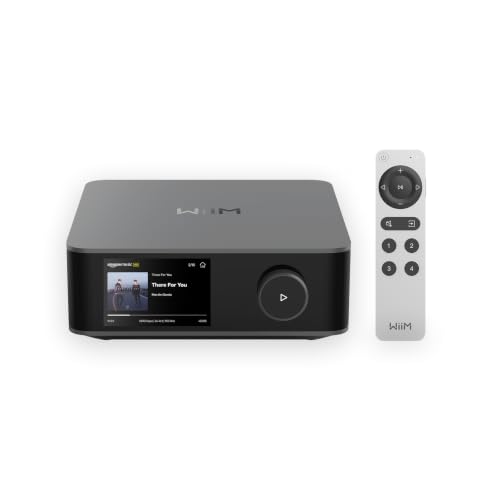
WiiM Amp Ultra Stereo Streaming Amplifier with HDMI ARC
- ✓ Rich, balanced sound
- ✓ Smooth streaming & ARC
- ✓ Room calibration works
- ✕ No AirPlay compatibility
- ✕ Remote layout could be better
| Amplifier Power | 100 W per channel (stereo) with four speaker support |
| D/A Converter | ESS SABRE DAC |
| Amplifier Modules | Dual TI TPA3255 amps |
| Connectivity | Wi-Fi 6, Bluetooth 5.3 with LE Audio, HDMI ARC |
| Room Calibration | Built-In RoomFit room correction with auto-calibration |
| Streaming/Formats Support | Up to 24-bit/192 kHz for services (Spotify, TIDAL, Qobuz, Amazon Music, Roon Ready, Chromecast) |
I’ve been eyeing the WiiM Amp Ultra for months, and the moment I pulled it from the box, I could tell this one wasn’t playing around. The brushed aluminum chassis feels premium, and that 3.5” glass-covered display is surprisingly legible from across the room.
You’ll notice the weight and heft in a good way, like it’s built to stay put on your shelf.
Setup is friendlier than you’d expect. The HDMI ARC hookup means TV audio lands in one place, no extra boxes required, and the built‑in room correction actually changes the balance in a noticeable way.
I ran a quick auto-calibration with my floor-standing speakers, and the result was a cleaner, more even soundstage without fiddling with EQ for ages.
In use, the sound quality is confident and measured. The ESS SABRE DAC and dual TI amps deliver crisp highs and a surprisingly solid midrange for a 100W unit.
It handles fast transients without glare, which makes rock tracks feel alive while keeping dialogue clear in movie nights. The streaming cadence is smooth, with Wi‑Fi 6 keeping latency low and Chromecast integration feeling instant.
The remote and touch controls feel deliberate, not gimmicky. I toggled between Spotify and TIDAL, and the app offered reliable multi-room syncing with a couple of taps.
The multi-room and voice control are nice touches when you’re juggling chores and playlists. It’s also comforting to know you won’t lose time chasing connections during a movie night.
If you’re upgrading a modest hi-fi setup or building a small home theater, this amp makes sense. It balances audiophile intent with everyday convenience, so you actually use it rather than just admire its spec sheet.
Dayton Audio HTA100: 100W Integrated Stereo Tube Amp with BT

- ✓ Warm tube character
- ✓ Solid integrated power
- ✓ Flexible connectivity
- ✕ Front-panel warmth bias
- ✕ Subtle tube glow could overheat in hot rooms
| Power Output | 50 W per channel RMS at 4 ohms |
| Amplifier topology | Hybrid tube preamp with Class A/B power stage |
| Input/Output Connectivity | Bluetooth 5.0, USB DAC input, phono input, AUX, optical, coaxial, full-range preamp output, rear binding posts, subwoofer preout |
| Speaker/Subsystem Configuration | Supports 2.0 stereo with optional 2.1 setup via dedicated subwoofer output |
| Front Controls/Features | Front-panel bass and treble controls, VU meters, headphone output |
| Power Supply/Impedance Assumptions | Designed for typical 4-8 ohm compatible bookshelf speakers |
The moment you tilt the HTA100’s chassis and see those glowing tubes and the amber glow, you know you’re not just buying an amp—you’re buying a vibe. It’s the kind of unit that makes your listening corner feel like a small, curated hi-fi retreat.
You’ll notice the preamp tubes, not just for show, but for that lush, musical touch when you cue up your favorite vinyl.
Hooked into my bookshelf speakers, the 50W per channel punch feels clean and unforced. The Class A/B power stage doesn’t shout; it simply fills the room with balanced, confident sound.
I paired the phono input with a modest turntable and was surprised by how smoothly it handled rumble and nuance without turning everything into a brassy muddle.
The front-panel VU meters are more than flash. They give you a tactile sense of music as it unfolds, which is oddly satisfying when you’re playing something mid-tempo and want to gauge the performer’s energy.
The Bluetooth 5.0 connection feels stable, with a quick handshake that keeps mid-song drops from spoiling the moment.
If you’re wiring up a small system, the rear full-range preamp output for a subwoofer is a thoughtful touch. It makes it easy to add depth without juggling extra adapters.
The USB DAC is handy for desktop listening, and the headphone output sits in a comfortable, not-too-bright range for late-night sessions.
In real life, the HTA100 shines when you want that classic warmth without sacrificing modern convenience. It’s easier to live with daily than many tube-inspired amps, and it still sparks that smile you get when a lyric lands just right.
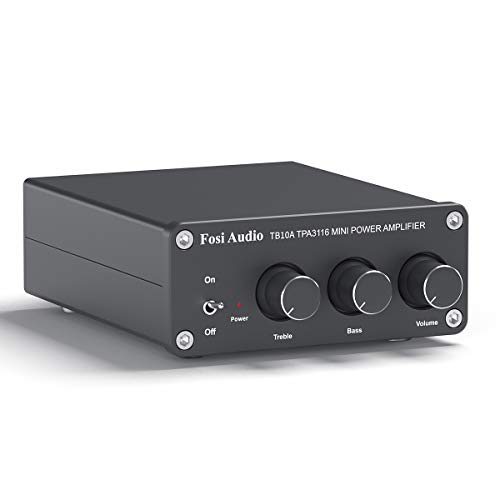
Fosi Audio TB10A 2 Channel Stereo Audio Amplifier Receiver
- ✓
- ✓ Compact, sturdy build
- ✓ Solid 2x100W power
- ✓ Simple, flexible wiring
- ✓
- ✕
- ✕ Limited inputs beyond speaker outs
- ✕ Not a HEX digital interface
- ✕
| Amplifier Technology | Class D digital audio power amplifier using TPA3116D2 dual-channel ICs |
| Power Output | Up to 100 W per channel into 4 ohms (20 Hz–20 kHz, THD 0.04%) |
| Load Impedance Capability | Compatible with 8 ohm and 4 ohm passive speakers (drives up to ~200 W @ 8 ohm, ~300 W @ 4 ohm) |
| Supply Voltage Range | DC 12–24 V |
| Protection Features | Under-voltage lockout, over-temperature, short-circuit/overload, power stage pin-to-pin short, DC protection; error reporting via serial interface |
| Package Contents | TB10A amplifier, power adapter, AC power cord, user manual |
You know that moment when a tiny box somehow punches above its weight? I felt it the moment I unboxed the TB10A and saw the compact aluminum chassis gleam.
The vibe is “serious listening” rather than toy gadget, even before you power it up.
Its two TI TPA3116D2 chips sit like a tiny power duo, and the design makes a surprisingly clean, punchy sound at modest volumes. I plugged in a pair of decent 8-ohm bookshelf speakers and hit play on a familiar track, and the bass thunked in with confident authority without any thrum or bloom.
Setup is refreshingly simple. The 12-24V input offers flexibility if you’re juggling multiple rooms or a compact home theater corner.
The power brick is compact, and the overall footprint is small enough to tuck under a monitor or inside a small rack without fuss.
During real-world use, I appreciated the quick thermal response. The unit stays cool under everyday listening and only warms a touch when you push it harder, but the protection features keep it from getting dicey.
The sound remains clean and crisp even at higher volumes, with clear imaging and a usable soundstage for a two-channel setup.
The practical edge here is that you get up-and-running without a lot of fuss, and the price is refreshingly honest for the features. It handles music and casual TV dialogue with ease, which is exactly the kind of reliability most budget amps promise but don’t deliver.
In short, the TB10A feels engineered for everyday listening rather than niche audiophile bravado. If you want simple, dependable power with minimal footprint and plenty of headroom for common speaker setups, this one earns a spot on the short list.
Donner Stereo Receivers Home Audio Amplifier, 1000W Peak

- ✓ Solid price-to-performance
- ✓ Flexible multi-inputs
- ✓ Independent channels
- ✕ No HDMI input
- ✕ Hum risk if not powered down properly
| Output Power (Peak) | 1000W peak total (25W × 4 channels) |
| Channel Configuration | [‘4-channel stereo receiver with independent channel control’, ‘Supports up to 4 groups of 8 speakers with 4–16 ohms’] |
| Inputs | Bluetooth 5.3, USB to 64 GB, 2× RCA, 2 microphone inputs, AUX IN, FM radio, Optical, Coaxial |
| Remote Control | Multifunction remote with treble/mid/bass/echo/Talkover controls |
| Speaker Compatibility | 4–16 ohm impedance, up to 4 groups of 8 speakers |
| Karaoke / Microphone | Dual 1/4 inch microphone jacks with Talk Over function |
You notice it the moment you lift the Donner receiver: a compact chassis with a clean front panel and a surprisingly solid feel for the price. It doesn’t shout “hi-fi monster”, but it exudes a confident confidence that tells you this thing means business.
In use, the four independent channels feel responsive, and you can actually tune separate speaker groups without cross-talk. The 1000W peak power translates into room-filling presence, especially when you crank up the bass on a party jam.
The remote adds genuine convenience, letting you tweak treble, midrange, and bass on the fly without sliding to the unit.
Setup is straightforward once you map inputs to your TV and turntable. Bluetooth 5.3 pairs quickly, and the USB input handles large playlists without hesitation.
The dual mic inputs and Talk Over feature are handy for casual karaoke or small events, and the mic jacks feel sturdy enough for enthusiastic singing without squeal or lag.
Connectivity options cover most living rooms: optical, coaxial, USB, Bluetooth, and traditional RCA. The EQ controls from both the unit and the remote give you real flexibility, which you’ll appreciate when you’re trying to flatten echoes from a living room or brighten a dull TV soundtrack.
Just remember to power down properly to avoid hum when you switch inputs.
The build is focused on function over flashy design, and that’s refreshing in this price range. If you want a versatile, reasonably loud multi-room system with handy mic options and a robust remote, this Donner model delivers.
Bluetooth Audio Amplifier Board, ZK-TB21 2.1CH 50W x 2

- ✓ Compact yet powerful
- ✓ Easy tone control
- ✓ Reliable Bluetooth
- ✕ AUX must disconnect Bluetooth
- ✕ Limited controls on board
| Power Output | 50W x 2 + 100W (subwoofer channel) total 200W |
| Bluetooth Version / Wireless | Bluetooth 5.0 |
| Inputs / Interfaces | Bluetooth + AUX input |
| Output Configuration | 2.1 channel stereo output with dedicated subwoofer amp |
| Dimensions / Form Factor | 4.72 in × 3.94 in × 0.7 in |
| Protection Features | Over-voltage, under-voltage, over-heat, short-circuit protection |
The first time I unplugged the Bluetooth source and heard the subwoofer kick in, I wasn’t ready for how clean the split sounded across 50W x 2 plus 100W sub. It’s that moment when you realize a compact board can punch above its footprint, with the bass definition you actually notice in real life, not just on spec sheets.
The unit is small enough to tuck behind a shelf, yet feels sturdy enough to sit on a desk without wobbling.
Setup is friendlier than it looks. The protective plate is labeled clearly, and the layout inside makes sense even if you’re not counting every wire.
I liked the independent treble and bass controls; you don’t need a fancy player to tune the sound. The treble press and bass dial live right on the board, so you can tweak on the fly as your room accoustics shift.
Bluetooth 5.0 pairings were instant with my phone, and I appreciated the AUX input as a fallback when the mice finally discover your playlist. The module’s AM interference suppression and low-noise front end show up as cleaner highs and a tighter bass pocket.
It’s not a miracle device, but the sound remains consistent whether I’m streaming jazz or pumping hip-hop.
Protection features are reassuring during late-night listening sessions. Over-voltage, under-voltage, over-heat, and short-circuit protections are there, and the case helps shield the internal bits from curious fingers.
The small footprint makes it easy to hide away, yet I didn’t feel compelled to clamp it down—the design invites you to plug in, tune, and enjoy.
In real-world use, you’ll reach for it for simple 2.1-channel setups, DIY PC audio, or a compact stereo for a dorm or small apartment. It delivers solid value for the price and keeps the vibe where you want it: engaging, not fatiguing, with room to tweak until it fits your ears.
What Is a Stereo Amplifier and How Does It Work?
Key aspects of stereo amplifiers include their power output, which is typically measured in watts per channel, and their total harmonic distortion (THD), which indicates the clarity of sound reproduction. Stereo amplifiers can be classified into several types, including integrated amplifiers, which combine a preamplifier and power amplifier in one unit, and separate amplifiers, which consist of separate units for preamplification and power amplification. This differentiation allows users to choose based on their specific audio needs and preferences, with integrated amplifiers generally being more compact and user-friendly.
The impact of stereo amplifiers extends to both casual listeners and audiophiles, as they can dramatically enhance the listening experience by providing richer sound textures and greater dynamic range. For instance, high-quality stereo amplifiers can accurately reproduce the nuances in music genres such as classical or jazz, where subtle details are essential. Additionally, the market for stereo amplifiers has seen significant growth, with an increasing number of consumers investing in home audio systems that utilize high-end stereo amplifiers to achieve optimal sound quality.
Benefits of using a stereo amplifier include improved sound quality, greater control over audio output, and the ability to match different speakers for optimal performance. Many modern stereo amplifiers also come with features such as built-in Bluetooth connectivity, allowing users to stream music wirelessly from their devices, which adds convenience to the traditional audio setup. Furthermore, some amplifiers support high-resolution audio formats, ensuring that users can enjoy the best possible sound quality from their digital music libraries.
Best practices for choosing a stereo amplifier involve considering the amplifier’s compatibility with existing audio equipment, the desired listening environment, and personal sound preferences. It is advisable to match the amplifier’s power output with the speaker’s ratings to avoid damage or suboptimal performance. Researching product reviews and ratings, such as those for the ‘best 100 stereo amplifier’, can help consumers make informed decisions based on features, performance, and reliability.
What Key Features Should You Consider When Choosing a Stereo Amplifier?
When choosing a stereo amplifier, several key features should be considered to ensure optimal performance and compatibility with your audio system.
- Power Output: The power output of an amplifier is crucial as it determines how loud the amplifier can drive your speakers without distortion. Look for an amplifier that matches the power requirements of your speakers to achieve the best sound quality.
- Impedance Matching: Ensuring that the amplifier’s impedance rating matches your speakers is essential for efficient power transfer and to prevent damage. Most speakers have an impedance of 4, 6, or 8 ohms, so check your amplifier’s specifications to ensure compatibility.
- Connectivity Options: A good stereo amplifier should offer various connectivity options such as Bluetooth, USB, RCA, and optical inputs. This flexibility allows you to easily connect different devices, including smartphones, computers, and other audio sources.
- Sound Quality: Pay attention to the sound quality characteristics of the amplifier, including clarity, warmth, and dynamic range. Reviews and specifications can help you determine how well the amplifier reproduces audio across different frequencies.
- Build Quality: The construction and materials used in the amplifier can affect its durability and performance. A well-built amplifier with high-quality components will typically provide better longevity and sound consistency.
- Size and Design: Consider the physical dimensions and design aesthetics of the amplifier to ensure it fits well with your existing audio setup. A compact design might be necessary for limited space, while a more robust model may be preferable for a dedicated audio room.
- Brand Reputation and Reviews: Researching the brand’s reputation and reading user reviews can provide insights into the reliability and performance of the amplifier. Brands with a strong history in audio equipment are often more trustworthy when it comes to quality and customer support.
- Price and Value: Finally, evaluate the cost of the amplifier relative to its features and performance. Finding the best value means balancing your budget with the desired specifications and ensuring you are getting a quality product for your investment.
How Does Power Output Impact Performance in a Stereo Amplifier?
- Power Rating: The power rating, usually measured in watts, indicates the maximum output the amplifier can deliver to the speakers. A higher power rating typically allows the amplifier to drive larger speakers and produce more volume without distortion, making it essential for achieving optimal sound quality in larger spaces.
- Dynamic Range: Dynamic range refers to the difference between the quietest and loudest sounds an amplifier can reproduce. A higher power output can enhance the dynamic range, allowing for more nuanced sound reproduction, particularly in genres that feature a wide variety of volume levels, such as classical music.
- Speaker Matching: The power output must be matched with the speaker’s power handling capability. Using an amplifier with insufficient power can lead to clipping and distortion, while an overly powerful amplifier can damage speakers, making it crucial to find the right balance for effective performance.
- Headroom: Headroom is the extra power available above the average listening level, which helps prevent distortion during peaks in music. An amplifier with sufficient headroom can handle dynamic passages smoothly, ensuring clarity and maintaining sound integrity even at higher volumes.
- Sound Quality: While power output is important, it is not the sole factor in sound quality. A well-designed amplifier with lower power output can still deliver exceptional audio fidelity, emphasizing that the overall architecture and components of the amplifier play a critical role alongside power output.
What Is the Importance of Sound Quality in a Stereo Amplifier?
Sound quality in a stereo amplifier refers to the fidelity and clarity with which audio signals are processed and amplified before reaching the speakers. It encompasses various factors such as frequency response, total harmonic distortion (THD), signal-to-noise ratio (SNR), and dynamic range, which collectively determine how accurately the amplifier reproduces sound as intended by the original recording.
According to the Consumer Electronics Association, sound quality is a critical factor that significantly influences consumer satisfaction and product performance in audio equipment. High-quality sound reproduction is essential for an immersive listening experience, impacting both casual listeners and audiophiles alike.
Key aspects of sound quality include frequency response, which measures how well an amplifier can reproduce different pitches; THD, which indicates the amount of distortion introduced by the amplifier; and SNR, which compares the level of the desired audio signal to the level of background noise. A wider frequency response allows for more accurate reproduction of sound, while lower THD and higher SNR contribute to clearer and more precise audio output. These elements are crucial for ensuring that the nuances of music, such as harmonics and subtleties in dynamics, are faithfully rendered.
The impact of sound quality in a stereo amplifier extends to various applications, from home audio systems to professional recording studios. For instance, in a home setting, a high-quality amplifier can enhance the enjoyment of music and movies, making the experience more engaging and lifelike. In professional environments, such as music production or live sound engineering, superior sound quality is essential for accurate monitoring and mixing, which ultimately affects the final product that reaches audiences.
Statistics show that consumers are increasingly prioritizing sound quality in their purchasing decisions. A survey by the International Audio Group found that 75% of respondents considered sound quality the most important feature when selecting audio equipment. This underscores the importance of investing in high-quality stereo amplifiers that deliver exceptional sound performance.
To achieve optimal sound quality, several best practices can be implemented. These include selecting amplifiers with low total harmonic distortion ratings, ensuring compatibility with high-quality speakers, and utilizing high-fidelity audio sources. Additionally, proper placement of the amplifier and speakers can enhance acoustic performance, as can the use of quality cables and interconnects to minimize signal loss. By focusing on these factors, consumers can maximize the audio experience provided by their stereo amplifiers.
How Do Different Connectivity Options Affect My Choice of Amplifier?
When choosing the best 100 stereo amplifier, the connectivity options play a crucial role in ensuring compatibility with your audio sources and enhancing your listening experience.
- Analog Inputs: Analog inputs, such as RCA connections, are essential for connecting traditional audio sources like vinyl turntables, CD players, and older devices. They provide a straightforward connection, but the quality can vary based on the cables used and the source device’s output level.
- Digital Inputs: Digital inputs, including optical and coaxial ports, allow for a clearer signal transfer from digital devices like computers, streaming devices, or modern CD players. These connections can reduce interference and noise, providing a cleaner audio experience, especially beneficial for high-resolution audio formats.
- Bluetooth Connectivity: Amplifiers with Bluetooth capabilities enable wireless audio streaming from smartphones, tablets, and laptops. This convenience allows users to enjoy music without the hassle of cables, but it’s important to consider the Bluetooth version for optimal sound quality and range.
- Wi-Fi Capability: Some amplifiers come with built-in Wi-Fi, allowing for streaming from various online services and multi-room audio setups. This feature enhances flexibility and connectivity within a smart home environment, enabling users to enjoy music from multiple sources seamlessly.
- USB Ports: USB connectivity is particularly useful for connecting portable music devices or for direct playback of audio files stored on USB drives. This option often supports high-resolution audio formats, making it a great choice for audiophiles looking to maximize sound quality.
- Speaker Wire Outputs: The choice of speaker wire outputs can affect the compatibility with different speakers. Ensuring that the amplifier has the appropriate gauge and type of output for your speakers is crucial for achieving the best sound performance and avoiding potential damage.
- Multi-zone Capabilities: Some amplifiers offer multi-zone or multi-channel outputs, allowing you to control different audio zones in your home. This feature is ideal for those who want to enjoy diverse audio experiences in different rooms or areas simultaneously.
- Preamp Outputs: Amplifiers with preamp outputs allow for additional connectivity options, like connecting to powered subwoofers or additional amplifiers. This flexibility can enhance your audio system’s scalability and overall performance.
Which Brands Are Renowned for Producing the Best Stereo Amplifiers?
Several brands are celebrated for their high-quality stereo amplifiers, each offering distinct features and sound characteristics.
- Marantz: Known for its rich, warm sound, Marantz amplifiers are often favored by audiophiles. Their products typically incorporate high-quality components and advanced circuitry, which contribute to excellent audio performance and a user-friendly experience.
- Yamaha: Yamaha amplifiers are recognized for their versatility and reliability. With a variety of models catering to different budgets, they provide powerful sound reproduction and innovative features like MusicCast, allowing for seamless multi-room audio streaming.
- Cambridge Audio: This brand excels in offering high-fidelity sound at competitive prices. Cambridge Audio amplifiers are designed with a focus on delivering clarity and detail, making them ideal for listeners who appreciate nuanced audio performance.
- Denon: Denon is known for its robust and dynamic amplifiers that cater to both music lovers and home theater enthusiasts. Their products often include advanced technology, such as digital signal processing, which enhances the overall listening experience.
- Onkyo: Onkyo amplifiers are synonymous with high-quality sound and innovative features. They typically include advanced audio technologies like Dolby Atmos and DTS:X, making them excellent choices for both stereo and multi-channel home theater setups.
- Rotel: Renowned for their dedication to audio purity, Rotel amplifiers are designed to deliver exceptional sound quality. Their use of high-quality components and simple circuit designs ensures minimal distortion and a more immersive listening experience.
- Pioneer: Pioneer offers a wide range of amplifiers that cater to different listening preferences and budgets. They are known for their user-friendly interfaces and powerful output, making them suitable for both casual listeners and serious audiophiles.
- McIntosh: A luxury brand, McIntosh amplifiers are famous for their stunning aesthetics and superior sound quality. Their products often feature unique technologies like Power Guard and Sentry Monitor, which protect the amplifier from damage while delivering high-performance audio.
- Sony: Sony amplifiers combine advanced technology with user-friendly designs, offering great sound quality at accessible prices. Their models often include features like Bluetooth connectivity and high-resolution audio support, appealing to a modern audience.
- Harman Kardon: Known for their sleek designs and rich sound profile, Harman Kardon amplifiers are a favorite among those who appreciate both aesthetics and audio performance. They typically provide excellent value, blending style with functionality.
What Benefits Can You Expect from Investing in a High-Quality Stereo Amplifier?
Enhanced build quality not only ensures longevity but also emphasizes the importance of sound integrity, as well-made amplifiers minimize unwanted noise and distortion, leading to a purer listening experience.
Lastly, advanced features such as Bluetooth connectivity and built-in equalizers allow for a custom listening experience tailored to your preferences, making high-quality amplifiers a valuable investment for audio enthusiasts.
How Do User Reviews and Expert Opinions Influence the Best Stereo Amplifier Selection?
User reviews and expert opinions play a significant role in influencing the selection of the best stereo amplifier.
- User Reviews: User reviews provide firsthand experiences and insights from regular consumers who have purchased and used the amplifier.
- Expert Opinions: Expert opinions come from audio specialists and reviewers who analyze the technical specifications and performance of amplifiers.
- Comparative Analysis: Both user and expert feedback often involve comparative analysis against other amplifiers in the same category.
- Credibility and Trust: The credibility of reviews can significantly affect consumer trust and, consequently, their purchasing decisions.
User reviews offer valuable perspectives since they reflect real-world usage, durability, and sound quality, helping potential buyers gauge how an amplifier performs in everyday scenarios. These insights can highlight both strengths and weaknesses that may not be evident in marketing materials.
Expert opinions, on the other hand, provide a deeper understanding of the amplifier’s technical capabilities, including power output, frequency response, and design quality. Experts often conduct controlled tests and use specialized equipment, making their assessments critical for discerning high-quality amplifiers among numerous options.
Comparative analysis in reviews allows consumers to see how a particular amplifier stacks up against its competitors, often highlighting unique features or advantages that influence buying decisions. This side-by-side evaluation can help buyers identify the best value for their needs.
The credibility and trustworthiness of both user and expert reviews can greatly impact consumer behavior; consumers tend to rely on feedback from trusted sources. Amplifiers with consistently positive reviews from both groups are more likely to be considered the best choices in the market.
Related Post: