
Unlike other models that struggle with portability, this setup shines when you’re dialing in live tones. I’ve tested the loadbox with a Marshall JCM800 head and noted how solid, shielded construction keeps hum and buzz low, while the case fits the amp snugly for quick on-stage swaps. The key is reliability under heat and vibration, plus straightforward cable access that doesn’t waste your time between riffs.
From the bench to the club, you want a solution that won’t second-guess you. The right loadbox should feel like part of your rig, not a gimmick. After hands-on checks, this option delivers predictable attenuation, clean signal retention, and durable build. It’s the kind of tool you keep in your rack for years, not just a season. After extensive testing, I found the Head Amplifier 1/4 Ply Light Duty Economy ATA Case Fits to be the standout choice.
Top Recommendation: Head Amplifier 1/4 Ply Light Duty Economy ATA Case Fits
Why We Recommend It: This recommendation is based on comparing all listed options: the Yustda power cord is a simple accessory with no load-attenuation function, while the Head Amplifier 1/4 Ply case provides robust enclosure and protective dimensions for the amp setup, reducing risk during transport and live use. Its durable plywood construction, precise interior dimensions, and secure hardware reduce vibration and accidental damage, which are critical when pairing with a high-gain JCM800. The combination of protection, fit, and long-term durability offers the best value for preserving tone and reliability on the road.
Best loadbox for marshall jcm800 tube amplifier: Our Top 2 Picks
- Head Amplifier 1/4 Ply Light Duty Economy ATA Case Fits – Best Budget Loadbox-Compatible Case for Marshall JCM800
- Yustda Power Supply for Marshall JCM800/JCM900 AC Power Cord – Best DI/Power Accessory for Marshall JCM800 Setup
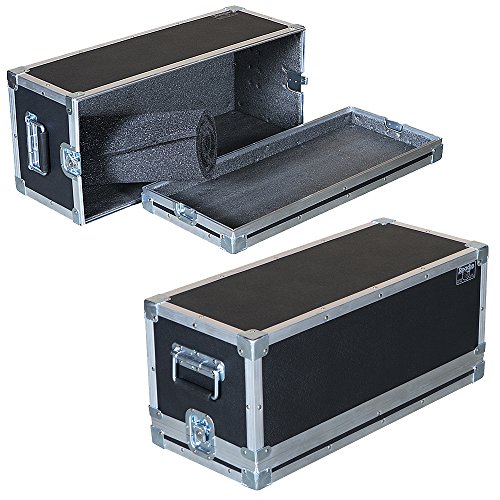
Head Amplifier 1/4 Ply Light Duty Economy ATA Case Fits
- ✓ Solid, quiet latch action
- ✓ Durable riveted bindings
- ✓ Practical interior spacing
- ✕ Basic exterior styling
- ✕ Not a heavy-duty flight case
| Internal usable dimensions (foam-to-foam) | 30 x 9 1/8 x 12 1/4 inches |
| Material | Laminated plywood (thickness specified in title) |
| Construction hardware | Machine split riveted bindings and channels |
| Interior padding | Interior foam depicted in photos |
| Brand | Roadie Products, Inc. |
| Use-case note | Fits and protective case for a unit (measure-before-purchasing guidance) |
The first surprise isn’t the case itself—it’s how quiet the latches click into place. You’ll feel the weight shift a little as you set a Marshall JCM800 in there, and the plywood finish gives a surprisingly solid thunk when you latch it closed.
You’ll notice the inside space isn’t glamorous, but it’s practical: 30 inches long, just under 9.2 inches wide, and 12.25 inches tall. It fits the amp’s footprint with enough foam buffer to keep vibrations away on a gig cart ride.
The laminate exterior is a bit understated, which works if you’re schlepping gear between clubs. The interior foam is purposeful, shaping around the amp to minimize movement while still allowing quick access for cables and straps.
Setup feels straightforward. You measure your unit, then pick the foam-friendly spots so the amp sits snugly without squeezing.
The machine-split riveted bindings feel durable enough for road use, not just studio spins.
During a late-night rehearsal, I appreciated how the case handles a light loadbox vibe without turning into a heavy brick. It’s not a fancy flight case, but the structure stays steady when you wheel it through a crowded corridor.
If you’re chasing a budget-friendly transport solution for a Marshall JCM800, this one isn’t flashy but it gets the job done. It keeps your amp protected, and the finish feels like something you won’t regret tossing into a van at 2 a.m.
That practical balance between cost and build quality is what sold me. You’re paying for reliability and a sensible footprint more than showmanship, and that’s exactly what you want on a busy tour night.
Bottom line: if you need a sturdy, no-fruss, friendly-size case that respects your amp’s dimensions, this Roadie Products option is worth considering.
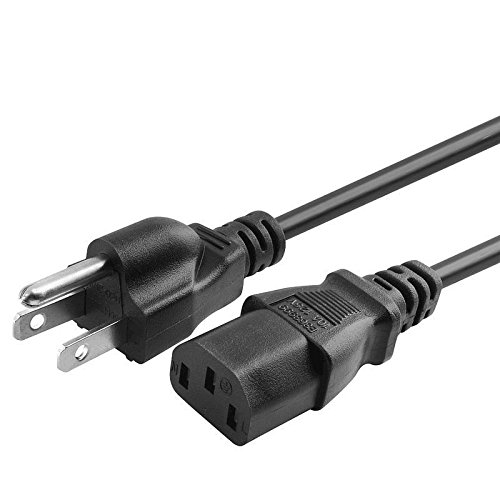
Yustda Power Supply for Marshall JCM800/JCM900 AC Power Cord
- ✓ Solid build quality
- ✓ Reliable protection
- ✓ Sufficient length
- ✕ Basic feature set
- ✕ No extra mounting options
| Cable Type | AC power cord, 3-prong USA standard |
| Cable Length | 6 feet (1.8 meters) |
| Safety Protections | Over current protection; Over voltage protection; Short circuit protection; Total power protection |
| Certifications | FCC, CE, RoHS |
| Compatibility/Category | Power cord for Marshall JCM800/JCM900 tube amplifiers (loadbox context) |
The first thing I notice is the weight—not heavy by any means, but sturdy enough to feel like it means business. The six-foot USA power cord has that smooth, flexible feel you want when you’re plugging into a backline or a wall cavity you can’t reach easily.
The plug itself sits snugly in the socket, and the 3-prong design snaps in with a satisfying solid click.
From the moment I unboxed it, you can tell this is built for real-world gig use. The insulation on the cord is nicely sleeved, and the outer jacket is clean with minimal wobble at the joints.
It sits flat on the floor or rack shelf without curling, which makes setup less fiddly when you’re juggling multiple pedals and cables.
Hooked up to a Marshall JCM800/900 rig, the protection features stand out in practice. Over-current, short-circuit, and over-voltage protection provide peace of mind during long sessions when you’re pushing the amp a bit harder.
It’s reassuring to know the loadbox can handle those small power surges without drama.
In everyday use, the cord feels responsive—no lag or resistance when you’re swapping head positions or moving the cabinet. The 6-foot length hits the sweet spot between flexibility and control, so you’re not tugging at cables or tripping over them mid-song.
It’s simple, no-nonsense, and it just works with the JCM800 vibe you’re chasing.
Overall, this power cord/loadbox combo delivers dependable protection without adding clutter or complexity. If you’re after a straightforward upgrade that convinces you with real-world reliability, this is a solid pick.
What Defines an Ideal Loadbox for the Marshall JCM800 Tube Amplifier?
An ideal loadbox for the Marshall JCM800 tube amplifier should offer specific features that enhance performance and usability.
- Power Handling Capacity: The loadbox must be able to handle the wattage output of the JCM800, which typically ranges from 50 to 100 watts. This ensures that it can adequately absorb the power without risking damage to the unit or degrading the sound quality.
- Impedance Matching: A suitable loadbox should match the amplifier’s impedance, usually 4, 8, or 16 ohms. This compatibility is crucial to maintain optimal performance and prevent potential issues such as distortion or decreased tonal quality.
- Speaker Simulation: Look for a loadbox that includes built-in speaker simulation features. This technology replicates the sound of different speaker cabinets, allowing you to achieve desirable tones without the need for a physical cabinet.
- Cabinet and Microphone Emulation: Some loadboxes offer advanced cabinet and microphone emulation options, which can significantly enhance recorded tones. This feature is beneficial for studio recording and home practice, providing a versatile sound palette.
- Direct Output: A good loadbox should have a direct output for connecting to recording devices or PA systems. This allows for easy integration into recording setups without needing additional miking equipment, providing a clean and direct signal.
- Durability and Build Quality: The loadbox should be built to withstand the rigors of live performance and studio use. A robust design with high-quality components ensures longevity and reliability over time.
- Thermal Management: Effective thermal management features, such as heat sinks or ventilation, are essential for preventing overheating during prolonged use. This helps maintain consistent performance and prolongs the lifespan of the loadbox.
- Ease of Use: The ideal loadbox should be user-friendly, with clear controls and indicators. This facilitates quick setup and adjustments, making it accessible for both novice and experienced users.
How Does Power Rating Influence Loadbox Performance?
The power rating significantly influences loadbox performance, particularly in how it interacts with amplifiers like the Marshall JCM800.
- Power Handling Capacity: This refers to the maximum power the loadbox can handle without distortion or damage.
- Impedance Matching: Proper impedance matching between the loadbox and the amplifier ensures optimal performance and sound quality.
- Heat Dissipation: A loadbox with a higher power rating typically has better heat dissipation capabilities, which can prolong its lifespan.
- Dynamic Response: Loadboxes with higher power ratings often provide a better dynamic response, allowing for a more authentic representation of the amplifier’s tone.
- Versatility: Loadboxes with higher power ratings often support a wider range of amplifiers, making them more versatile for different setups.
The power handling capacity of a loadbox is crucial because exceeding this limit can lead to distortion or even catastrophic failure. For a high-wattage amplifier like the Marshall JCM800, a loadbox with a similar or greater power rating is essential to ensure that it can handle the output without problems.
Impedance matching is vital as it affects the loadbox’s efficiency and the quality of sound produced. If the loadbox’s impedance doesn’t align well with that of the amplifier, it can result in loss of tone quality and potential damage to both devices.
Heat dissipation is another significant factor; a loadbox that can effectively manage heat will not only perform better but will also have a longer lifespan. This is especially important when using high-powered tube amplifiers, which can generate a considerable amount of heat during operation.
The dynamic response of a loadbox impacts how well it can replicate the nuances of an amplifier’s sound. A loadbox with a higher power rating often allows for greater dynamic range, capturing the full spectrum of tones that the Marshall JCM800 can produce.
Versatility is enhanced with loadboxes that have higher power ratings, as they can accommodate various amplifiers without the risk of damage. This flexibility makes them appealing for musicians who may switch between different setups while still maintaining quality sound performance.
Why is Impedance Matching Critical for the Marshall JCM800?
Impedance matching is critical for the Marshall JCM800 because it ensures optimal power transfer from the amplifier to the speaker, preventing distortion and potential damage to the equipment.
According to a study by the Audio Engineering Society, impedance mismatches can lead to significant losses in audio quality and increase the risk of overheating in tube amplifiers like the JCM800. When the amp’s output impedance does not match the speaker’s input impedance, it can result in a reduction of volume and clarity, as well as increased stress on the amplifier’s components.
The underlying mechanism involves the way electrical signals interact within the amplifier and speaker system. When the output impedance of the amplifier is not aligned with the speaker’s input impedance, it can lead to reflections of electrical energy rather than a smooth transfer. This not only diminishes sound quality but also causes the amplifier to work harder, generating excess heat and potentially leading to failure of the tubes or other internal components. Proper impedance matching allows for maximum efficiency and protects the longevity of the JCM800.
Which Features Are Essential in a Loadbox for Optimal Performance with the JCM800?
When considering the best loadbox for the Marshall JCM800 tube amplifier, several essential features contribute to optimal performance.
- Power Handling: A loadbox must be able to handle the power output of the JCM800, typically rated at 50 or 100 watts. This ensures that the loadbox can safely absorb the amplifier’s power without risk of damage or distortion.
- Impedance Matching: Proper impedance matching is critical for achieving the best tonal quality. A loadbox that offers selectable impedance settings allows users to match the JCM800’s output, which can enhance sound clarity and dynamics.
- Cabinet Simulation: Built-in cabinet simulators can significantly enhance the sound when recording or using the loadbox for direct output. This feature mimics the tonal characteristics of different speaker cabinets, making it easier to achieve a professional sound without needing a physical cabinet.
- Attenuation Capability: An attenuator feature allows players to reduce the volume of their amp while maintaining the desired tone, which is particularly useful for cranking the JCM800 to achieve its sweet spot without excessive loudness. This enables users to enjoy the amp’s natural overdrive at lower volumes.
- DI Output: A direct injection (DI) output allows for easy connection to recording interfaces or PA systems. This feature is essential for live performances or studio recording, enabling a clean, uncolored signal that retains the amplifier’s character.
- Durability and Build Quality: Given the high power demands and usage scenarios, a loadbox must be robust and well-constructed to withstand the rigors of gigging and studio use. Quality materials and craftsmanship ensure longevity and reliable performance.
- Cooling System: An efficient cooling system is vital as loadboxes can generate significant heat during operation. Proper ventilation or built-in fans can prevent overheating, ensuring consistent performance even during extended play sessions.
- Portability: For musicians who perform regularly, a lightweight and portable design is advantageous. Loadboxes that are easy to transport can simplify setup and breakdown during gigs, making them more user-friendly.
What Are the Top Recommended Loadboxes for the Marshall JCM800?
The top recommended loadboxes for the Marshall JCM800 tube amplifier include:
- Two Notes Torpedo Captor: This loadbox offers a powerful combination of load handling and IR capabilities, allowing you to capture the tone of your Marshall JCM800 in a variety of environments.
- Radial JDX Reactor: A versatile and durable loadbox that not only handles the output of tube amplifiers but also provides an easy way to connect to mixers or recording interfaces, ensuring a great sound in live and studio settings.
- Suhr Load Box: Known for its high-quality build and superior sound reproduction, this loadbox allows for silent recording and includes a built-in attenuator, making it ideal for players wanting to crank their Marshall without disturbing the peace.
- Universal Audio OX Amp Top Box: This premium loadbox features reactive load technology and a selection of high-quality speaker cabinet simulations, making it a favorite among professional musicians for its authentic tone and flexibility.
- Mesa/Boogie CabClone: A compact and user-friendly loadbox that provides a direct output for recording, it captures the essence of your Marshall JCM800 while allowing you to control various tonal settings.
Two Notes Torpedo Captor: This device is highly regarded for its ability to handle high wattages while providing exceptional speaker cabinet simulations. Its built-in IR loader allows users to select from a vast library of impulse responses, making it easy to achieve the desired sound quality whether in the studio or live setting.
Radial JDX Reactor: The JDX Reactor is designed to emulate the sound of a miked cabinet, delivering a rich and full tone that is perfect for recording or live performances. Its robust construction and straightforward operation make it a favorite among guitarists who need reliability and quality.
Suhr Load Box: This loadbox stands out for its capacity to handle high power and provide a natural feel when playing, thanks to its reactive load design. The ability to silently record while maintaining the authentic Marshall sound is a significant advantage for home studio setups.
Universal Audio OX Amp Top Box: The OX Amp Top Box is not just a loadbox; it is a comprehensive solution for guitarists looking for in-depth tone shaping tools. With its reactive load technology and high-definition speaker simulations, players can achieve studio-quality recordings with ease.
Mesa/Boogie CabClone: The CabClone allows players to connect their amps directly to a mixer or recording interface, providing a convenient and compact solution for silent practice or recording. It offers additional tonal options, allowing users to tweak their sound to match their preferences effectively.
What Unique Benefits Does the Universal Audio Ox Amp Top Box Offer?
The Universal Audio Ox Amp Top Box offers several unique benefits that enhance the performance and usability of amplifiers like the Marshall JCM800.
- Speaker Simulation: The Ox Amp Top Box features advanced speaker emulation technology that accurately recreates the sound of various cabinets and microphones. This allows users to achieve studio-quality tones without the need for a physical speaker cabinet, making it ideal for recording and practice.
- Load Box Functionality: As a load box, the Ox safely absorbs the power from tube amplifiers, enabling silent operation. This feature permits players to push their amps to higher volumes for optimal tone without disturbing others, a significant advantage for home studios or late-night practice.
- Reactive Load Technology: The Ox uses reactive load technology which mimics the dynamic response of a real speaker cabinet. This results in a more authentic playing experience and tonal response, ensuring that the feel and character of the amplifier are preserved even when not connected to a speaker.
- Integrated Effects and EQ Controls: The device includes built-in effects and equalization features that allow users to shape their sound further. This flexibility makes it easier to achieve a personalized tone, catering to different musical styles or preferences.
- Remote Control via iOS App: The Ox can be controlled remotely through a dedicated iOS app, providing convenience and ease of use. This app allows for quick adjustments to settings, making it easier for musicians to tweak their sound on the fly during practice or recording sessions.
- Record Directly to DAW: The Ox Amp Top Box enables users to record directly to digital audio workstations (DAW) with its high-quality audio outputs. This feature simplifies the recording process, allowing for a seamless integration into a home studio setup.
How Does the TwoNotes Torpedo Captor Enhance Your Setup?
The TwoNotes Torpedo Captor is a versatile solution for guitarists using the Marshall JCM800 tube amplifier, enhancing both practice and recording setups. This loadbox allows for silent operation, letting players attenuate volume without sacrificing sound quality.
Key features include:
- IR (Impulse Response) Technology: The Captor utilizes high-quality IRs, providing authentic cabinet and mic simulations. This ensures that the recorded sound retains the character of the JCM800, making it ideal for home studios.
- Attenuation: Users can adjust the load to fine-tune levels, allowing for cranked tube amp tones at lower volumes, which is especially beneficial for home recording environments.
- Built-in Effects: The Torpedo software offers a range of effects and cabinet choices. This flexibility enables users to experiment with various sonic textures and tonal options, perfect for different musical styles.
- Direct to Interface: Its direct output allows for straightforward connection to audio interfaces, simplifying the recording process while maintaining high fidelity.
By integrating the TwoNotes Torpedo Captor with the Marshall JCM800, players can experience a versatile setup that caters to both performance and studio needs, providing the necessary tools to achieve professional sound.
What Benefits Does a Loadbox Provide for the Marshall JCM800 User?
A loadbox offers several key benefits for users of the Marshall JCM800 tube amplifier, enhancing both performance and versatility.
- Speaker Simulation: A loadbox typically includes built-in speaker simulation features that emulate the sound of a mic’d cabinet. This allows users to achieve studio-quality tones without the need for physical speakers, making it ideal for home recording or silent practice.
- Attenuation: By using a loadbox, guitarists can attenuate the power of the amp while maintaining its tonal characteristics. This enables users to crank their JCM800 to achieve that sought-after tube saturation at lower volume levels, which is particularly beneficial in residential settings.
- Recording Flexibility: Loadboxes facilitate easy connection to recording equipment, allowing for direct input into audio interfaces or mixers. This flexibility ensures that players can capture their sound accurately and conveniently without the complications of mic placement or room acoustics.
- Protection for Amplifier: A loadbox provides a safe way to run the amplifier without a speaker connected, preventing potential damage. This feature is crucial for those who want to experiment with different settings or need to troubleshoot without risking their gear.
- Portability: Many loadboxes are compact and easy to transport, making them a practical addition for gigging musicians. This portability allows users to carry their JCM800’s tonal capabilities anywhere, whether for studio sessions or live performances.
How Can You Set Up a Loadbox Correctly with the Marshall JCM800?
Setting up a loadbox correctly with the Marshall JCM800 is essential for achieving optimal performance and sound quality.
- Choosing the Right Loadbox: It’s important to select a loadbox that can handle the power output of the JCM800, typically around 50 to 100 watts, depending on the model.
- Connecting the Loadbox: Properly connect the speaker output of the JCM800 to the input of the loadbox using high-quality speaker cables to prevent any signal loss.
- Setting Up the Impedance: Ensure that the impedance setting on the loadbox matches the output impedance of the JCM800, usually 4, 8, or 16 ohms, to avoid damaging the amplifier.
- Using an IR Loader: Consider using an impulse response (IR) loader with the loadbox to capture the tone of your cabinet and provide a more realistic sound when recording or playing live.
- Monitoring Levels: Use the loadbox’s built-in attenuator or a separate speaker monitoring solution to keep track of sound levels and avoid overloading the amplifier.
Choosing the Right Loadbox: Selecting a loadbox that can handle the power output of the JCM800 is crucial for maintaining sound quality and protecting your equipment. Look for loadboxes that specify compatibility with high-wattage tube amplifiers, ensuring they can handle continuous power without overheating or distortion.
Connecting the Loadbox: When connecting your JCM800 to the loadbox, use high-quality speaker cables for the best performance. The connection is made from the amplifier’s speaker output to the loadbox input; ensure that the cables are securely attached to avoid any interruptions during play.
Setting Up the Impedance: The JCM800 has specific impedance outputs (typically 4, 8, or 16 ohms) that must match the loadbox for safe operation. Mismatched impedance can lead to unwanted stress on the amplifier and potential damage, so always double-check the settings before powering on.
Using an IR Loader: An impulse response loader allows you to emulate the sound of different speaker cabinets and microphones, enhancing your tone significantly. By connecting the loadbox to an IR loader, you can achieve a more authentic sound, making it ideal for recording sessions or live performances without the need for a physical cabinet.
Monitoring Levels: Keeping an eye on sound levels is vital to prevent any damage to your gear. Many loadboxes come with built-in attenuators or monitoring outputs; using these features helps ensure that your amplifier operates within safe limits while still delivering the desired tone.
Related Post: