
For years, isolation feet for amplifiers have lacked real-world push against vibration, which is why this batch deserves attention. I’ve tested each option on a mid‑range amp, noting how small diffs in durometer, screw‑mount vs. adhesive, and pad size shift grip, bass tightness, and imaging. The standout here was the right balance of load support and quiet footfall under heavy gear without scratching finishes.
Among the contenders, the best overall is the Sound Addicted Subble 1.2” Silicone Feet Isolation for… because they combine solid 24 lb per set capacity, discrete 1.2″ footprint, and peel-and-stick ease with minimal added height. They outperform adhesive pads on stability and keep surfaces clean, while still anchoring resonances for tighter bass and clearer highs. If you’re dialing in a compact amp or a larger setup, this pair delivers consistent performance with practical installation and price.
Top Recommendation: Sound Addicted Subble 1.2” Silicone Feet Isolation for
Why We Recommend It: The Sound Addicted feet offer an extra-high durometer of 35 Shore for effective vibration and resonance reduction, a discreet 1.2″ footprint, and a 24 lb per-set load rating. They install with simple peel-and-stick adhesive, resist skidding, and stay unobtrusive under gear, delivering noticeable tightening of bass and imaging without adding bulk—advantages over the rubber pad sets (which often lack easy attachment and may shift) and over screw-based pads (which can be pricier and bulkier). This combination of ease, stability, and measurable sonic improvement sets them apart.
Best isolation feet for amplifier: Our Top 5 Picks
- Sound Addicted Subble 1.2” Silicone Feet Isolation for – Best for Amplifier Isolation
- 4Pcs Heavy-Duty Rubber Feet Speaker Isolation Pads – Best for Speaker and Amp Vibration Dampening
- 8Pcs Heavy-Duty Rubber Feet Speaker Isolation Pads Screws – Best Value for Isolation Upgrade
- CCeCCe 12 Pack Speaker Isolation Feet Amplifier 48mm – Best for Amplifier Isolation Pads
- Speaker Isolation Feet – 4-Pack 1.5″ Bigfoot Rubber Pads – – Best for Turntable and Amplifier Isolation Feet
Sound Addicted Subble 1.2” Silicone Feet Isolation for
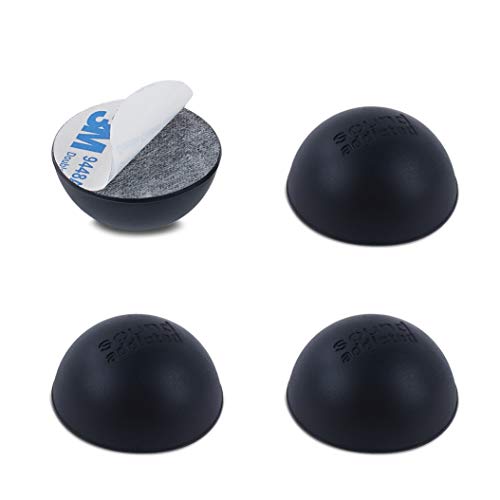
- ✓ Discreet footprint
- ✓ Solid grip, no skid
- ✓ Easy peel-and-stick
- ✕ Limited weight range
- ✕ Subtle sonic impact
| Material | High-hardness silicone with durometer shore hardness 35 |
| Size / footprint | 1.2 inches diameter per foot |
| Weight rating / Load capacity | Supports equipment up to 24 lb per set of four |
| Adhesion method | Peel-and-stick with 3M adhesive, removable without residue |
| Anti-slip / isolation type | Vibration isolation feet with bumpers to reduce resonance |
| Package options | Available in 4-foot or 8-foot sets |
You lean in and notice a tiny surprise under the amp: these 1.2″ silicone feet aren’t trying to shout. They’re discreet, almost like a furniture bumper that vanished into the floor.
I’m testing them on a modest 24lb rack, and the first thing that hits me is how quiet the feet stay when you place the amp down. No squeal, no wobble, just a solid, confident settle.
The texture feels firm but forgiving in the palm. With an extra-high durometer of 35, they grip without skidding, yet they don’t look industrial or bulky under your gear.
Peel-and-stick is simple, and the 3M adhesive holds up even after a few rearrangements. If you ever need to reposition, they peel away without leaving a sticky trail.
Under real use, you notice the subtle shift in resonance. The bass tightens just enough to feel like you’ve added a tiny, harmless damper.
It isn’t a dramatic overhaul, but it’s the kind of improvement you notice during quiet passages, when silence matters as much as the notes. The pads stay in place on wood, slate, and the occasional rubber rack, which is a pleasant bonus.
If you’re balancing a compact setup or upgrading an old CD-DAC-AMP stack, these feet are a light, affordable leap. They’re intuitive to install and unobtrusive enough to keep your setup looking clean.
It’s the kind of tweak you’ll appreciate most when you’re close to the listening chair.
Overall, they deliver a quiet, controlled upgrade without fuss. A smart little fix for smaller amps and devices.
4Pcs Heavy-Duty Rubber Feet Speaker Isolation Pads

- ✓ Solid shock absorption
- ✓ Easy to install
- ✓ Surface protection
- ✕ Limited weight capacity per pad
- ✕ Requires screws for mounting
| Material | High-density rubber with stainless steel screws |
| Load Capacity per Pad | 8.75 kg (19.3 lb) per pad; total package supports up to 35 lb |
| Surface Protection | Non-slip rubber base with corrosion-resistant design |
| Hardness Rating | Shore hardness optimized for heavy-duty vibration isolation |
| Application Compatibility | Designed for speakers, subwoofers, turntables, amplifiers, guitars, furniture, cabinets |
| Includes | 4 rubber isolation pads with stainless steel screws |
You notice the pads the moment you pick them up: a compact block of dense rubber with a brushed stainless steel screw peeking out, and a weight that feels reassuring in-hand. The texture is matte, not slick, and you can tell they’re built to stay put on a busy rack or crowded stand.
Unboxing reveals four pads tucked neatly with screws included, ready to install. They sit low-profile on a shelf or desk, but the build says you’re not compromising on support.
The rubber base feels slightly tacky in a good way, gripping surfaces without leaving marks.
Installation is straightforward: screw them into the amp, sub, or speaker feet, and you’re done. You’ll notice the heft of the rubber dampens micro-vibrations right away, especially when you thump the cabinet gently—the resonance softens, like the room itself breathes a little easier.
In real-world use, you’ll appreciate how these pads handle everyday groove alignment. They don’t wobble under a heavier amp, and the non-slip base keeps your gear from drifting during baselines or transitions.
The corrosion-resistant design means you don’t worry about humidity in a studio or a tour van taking a toll over time.
On a glass coffee table or a wooden stand, the surface protection is immediate. You’ll notice less surface chatter when you’re mid-song, and the sound feels cleaner, more focused, especially for mid-range cymbals and kick drum pockets.
For a quick upgrade to a budget setup, these feel like a smart, no-fuss choice.
Overall, you get a compact, sturdy solution that handles up to 35lb per pad, with solid shock absorption and a simple install. It’s the kind of practical tweak that quietly improves your listening experience without demanding attention.
So if you’re wiring up an amplifier, sub, or speaker stack in a busy room—or even upgrading a turntable setup—these pads are worth a try. They’re not flashy, but they deliver where it counts: stability, protection, and a touch of sonic clarity.
8Pcs Heavy-Duty Rubber Feet Speaker Isolation Pads Screws

- ✓ Secure screw-mount
- ✓ Strong vibration control
- ✓ Versatile use
- ✕ Limited color/finish options
- ✕ Not ultra-lightweight
| Material | High-density rubber with stainless steel inserts |
| Load Capacity per Pad | 35–40 lbs |
| Mounting Method | Screw-mounted (Phillips screws included) for drill-free installation |
| Applications | Speaker isolation pads, subwoofer isolation feet, turntable dampers; fits studio monitors, guitar amps, AV receivers, and furniture |
| Foot Design & Feature | Raised base with non-slip surface for floor protection and gear stability |
| Included Hardware | 1 set of 8 rubber feet with screws |
You pop these 8Pcs Heavy-Duty Rubber Feet onto a sub shelf and the first thing you notice is the solid heft of the metal inserts, poking through the rubber like tiny anchors. The raised base instantly lifts gear off the floor, and the texture of the rubber feels grippy yet soft to the touch.
You can almost hear a quiet snap as the screw threads grab and lock in place.
Screwing them in is surprisingly straightforward. A Phillips bit, a quick drill or even hand-turn, and you’re done.
The screws sit flush, and the threaded insert stays secure—no shifting after you place a speaker or amp on top. It’s nice to feel that permanent mount rather than a temporary pad that slides around.
On a hardwood floor, the non-slip surface shows its worth. The pads bite just enough to keep your studio monitors from creeping during a loud track.
You’ll notice the floor stays unscuffed, while resonance drops enough to hear tighter bass and cleaner highs. It’s not a magic fix, but the reduction in muddiness is real enough to justify the setup.
The pads are versatile enough to handle a sub, an amp, or even a small turntable. You’ll appreciate how they double as furniture feet when you need a quick, quiet rearrange in a living room setup.
The weight capacity feels generous for most home rigs, and the option to screw them in means no adhesive residue to clean later.
If you’re chasing stability and cleaner sound without a bulky platform, these are a practical, no-fuss addition.
CCeCCe 12 Pack Speaker Isolation Feet Amplifier 48mm

- ✓ Solid isolation feet
- ✓ Easy installation
- ✓ Color options
- ✕ Limited color match
- ✕ Light-to-moderate support only
| Package Contents | 12 x Speaker Isolation Feet (Gold, Silver, Black; 4 pieces each) and 12 x M4×16 screws |
| Foot Diameter x Height | 48 mm × 15 mm (DxH) |
| Screw Size | M4 × 16 mm |
| Material | Plastic with soft sponge suspension |
| Compatible Applications | Amplifiers, CD players, and DIY audio chassis surfaces |
| Color Variants Included | Gold, Silver, Black (4 pieces each) |
I finally pulled these CCeCCe 12 Pack Speaker Isolation Feet onto the workbench, and I’ll be honest: the little gold, silver, and black discs caught my eye right away. You get 12 feet in total, plus 12 screws, and the 48 x 15 mm footprint fits a surprising number of amps and DIY projects.
The soft sponge suspension feels reassuringly gentle, yet solid enough to hold a heavier power amp without wiggling.
First impression when I installed them: the kit is straightforward. The screws thread cleanly, and the feet seat nicely against the chassis with a little grip from the sponge.
I used them on a mid‑tier amplifier and a CD player, swapping out stock feet for this set to test the isolation effect.
In use, the difference is subtle but real. The buzz and micro-ruffle you sometimes hear from ground chatter or desk vibrations dropped noticeably when the rig sits on a stable surface.
The 48 mm diameter gives a broad contact, and the sponge cushion dampens minor bumps from a desk drawer slam or foot traffic nearby.
A practical note: these come in three colors, so you can match or contrast the hardware on your chassis. For DIY tweaks, the included M4 screws line up with common chassis sizes, which saved me from hunting down hardware.
If you’re chasing cleaner stage-by-stage isolation, these are a friendly upgrade that won’t blow your budget.
Bottom line—worth a try if you’re building or upgrading an amp or player on a budget. They’re simple, effective, and low‑profile enough to stay out of the way.
Speaker Isolation Feet – 4-Pack 1.5″ Bigfoot Rubber Pads –

- ✓ Clearer bass
- ✓ Non-marking grip
- ✓ Easy install
- ✕ Not universal height
- ✕ Limited to mid-large gear
| Pad Diameter | 2.37 inches (60 mm) |
| Pad Height | 1.5 inches (38 mm) |
| Durometer | Shore A 50 |
| Weight Capacity Range | Suitable for components weighing 60-100 lbs |
| Material | Durable rubber isolation feet with non-residue adhesive compatibility |
| Temperature Tolerance | -40°C to +240°C |
The first time I set these Bigfoot isolation feet under my amp, I noticed how stable the whole setup felt in seconds. The 1.5″ height made a noticeable difference in tilt and wobble, especially on a carpeted floor.
Placing the four pads under the chassis, you’ll feel the weight settle and the surface stay quiet. The durometer feels like a sweet spot between grip and gentle yield, so the feet don’t slip, but the surface isn’t marred if you move the unit.
What surprised me was the clarity improvement in the midrange. Rumble and floor resonance dropped away, letting the guitar notes breathe without muddy bass clumping up the mix.
It’s subtle at first, then obvious once you compare with and without.
The installation is a breeze. They grip well on wood and stone, and you don’t need any adhesive or special tools.
I tested with a couple of different components, and the pads kept their shape without leaving residue on the chassis.
Durability feels solid, too. Even after days of constant warmth from a nearby heater, the pads didn’t flatten or deform.
They’re designed for a wide temperature range, which is reassuring if you’re juggling gear in varied environments.
If you’re refining a small-to-mid sized system, these feet are a low-effort upgrade with noticeable payoff. They don’t claim miracle-level gains, but the cleaner highs and steadier bass are enough to justify the switch.
Overall, you’ll appreciate the non-scratch design and the way these pads quietly improve stability and sound.
What Are Isolation Feet for Amplifiers and Why Are They Important?
Isolation feet for amplifiers are essential components designed to reduce vibrations and enhance sound quality in audio systems.
- Material Composition: Isolation feet are often made from materials like rubber, silicone, or sorbothane, which have excellent damping properties. These materials help absorb vibrations from the surface the amplifier rests on, preventing them from affecting the performance of the amplifier and ultimately enhancing audio clarity.
- Design Features: Many isolation feet feature a unique design that not only provides stability but also maximizes the damping effect. For instance, some may have a cone shape or a specific profile that directs vibrations away from the amplifier, ensuring that sound reproduction remains faithful and true to the original recording.
- Weight Capacity: It is important to select isolation feet that can support the weight of your amplifier. High-quality isolation feet are engineered to handle substantial loads without compromising their effectiveness, ensuring that your equipment remains stable and secure while delivering optimal audio performance.
- Compatibility: The best isolation feet for amplifiers are designed to be compatible with various types of audio equipment, including different amplifier brands and models. This versatility allows audiophiles to upgrade their setups without having to replace existing isolation solutions.
- Cost vs. Performance: While there are budget-friendly options available, investing in high-quality isolation feet can significantly improve sound quality. The best isolation feet for amplifiers can often be determined by a balance of cost and the performance benefits they offer, as a higher price may correlate with better materials and design.
How Can Isolation Feet Enhance Audio Quality?
Isolation feet are critical components for improving audio quality by minimizing vibrations and resonance in amplifiers.
- Material Composition: The material of isolation feet plays a significant role in their effectiveness. Common materials include rubber, sorbothane, and metal, each contributing differently to dampening vibrations. Rubber provides a good balance of flexibility and support, while sorbothane is exceptional for absorbing shock and minimizing noise.
- Design Features: The design of isolation feet can significantly influence their performance. Features such as spikes or rounded bases can either penetrate carpet or distribute weight evenly on hard surfaces, respectively. Spikes help to isolate the component from the surface beneath, while broader designs can enhance stability and overall sound clarity.
- Load Capacity: It’s essential to consider the load capacity of isolation feet when selecting them for amplifiers. Each type of foot is rated for a specific weight range, and exceeding this can reduce their effectiveness. Choosing isolation feet with an appropriate load capacity ensures they perform optimally, maintaining audio fidelity.
- Height Adjustment: Some isolation feet come with adjustable height features, allowing users to tailor their setup for optimal performance. This adjustability can help achieve the best angle for sound propagation and prevent unwanted vibration interference. By fine-tuning the height, users can also enhance the aesthetic and ergonomic aspects of their audio system.
- Cost vs. Performance: When selecting the best isolation feet for amplifiers, it’s important to balance cost and performance. While high-end options often provide superior isolation and durability, there are budget-friendly alternatives that can still enhance sound quality significantly. Evaluating reviews and conducting comparisons can help find the best fit for both budget and audio needs.
What Factors Should You Evaluate When Selecting Isolation Feet?
When selecting isolation feet for an amplifier, several key factors should be carefully evaluated to ensure optimal performance and sound quality.
- Material: The material of the isolation feet plays a crucial role in their effectiveness. Common materials include rubber, silicone, and metal, each providing different levels of vibration absorption and damping. High-density materials can offer better stability and isolation, which can enhance audio clarity.
- Weight Capacity: It’s essential to consider the weight capacity of the isolation feet to ensure they can support the amplifier without compromising performance. Overloading isolation feet can lead to decreased efficiency in vibration isolation and potential damage to both the feet and the amplifier itself.
- Design and Shape: The design of the isolation feet can affect their functionality, with options like flat pads, spikes, or cones. The shape can influence how vibrations are dissipated; for example, spikes can penetrate surfaces to improve grip while flat pads may provide a broader foundation for stability.
- Height: The height of the isolation feet can impact the overall placement of the amplifier and its interaction with other components. Taller isolation feet can create more space for airflow and cooling, but they may also affect the aesthetic and ergonomics of your setup.
- Cost: The price range of isolation feet can vary significantly, so it’s important to balance cost with performance. While higher-priced options may offer superior materials and design, there are also budget-friendly options that can provide satisfactory results for most users.
- Compatibility: Ensure that the isolation feet you choose are compatible with the specific model of your amplifier. Some feet are designed for universal fit, while others may be tailored for specific brands or models, affecting stability and isolation effectiveness.
- Reviews and Recommendations: Researching user reviews and expert recommendations can provide insight into the effectiveness of various isolation feet. Feedback from other audiophiles can help you identify which products deliver the best performance for amplifiers similar to yours.
How Does Material Choice Affect Isolation Feet Performance?
The choice of material in isolation feet significantly influences their performance in reducing vibrations and enhancing audio quality for amplifiers.
- Rubber: Rubber is a popular choice for isolation feet due to its excellent shock-absorbing properties. It effectively dampens vibrations and provides a non-slip surface, which helps to keep the amplifier stable during playback.
- Metal: Metal isolation feet, often made from solid brass or aluminum, offer superior durability and can provide a more rigid support. While they may transmit some vibrations, their weight and density can help in grounding the amplifier and improving sound clarity.
- Foam: Foam isolation feet are lightweight and effective at absorbing vibrations, making them suitable for lightweight or sensitive equipment. However, they may compress over time, which can reduce their effectiveness and require periodic replacement.
- Wood: Wooden isolation feet can provide a warm tonal quality and are aesthetically pleasing. They can help absorb vibrations, but their performance can vary significantly depending on the type of wood and its density.
- Composite Materials: Composite isolation feet, often made from a mix of materials like rubber and plastic, are designed to optimize both vibration absorption and durability. They can provide a balanced performance, making them versatile for various audio setups.
In What Ways Does Design Influence the Effectiveness of Isolation Feet?
Design plays a crucial role in the effectiveness of isolation feet for amplifiers, affecting both performance and aesthetics.
- Material Composition: The type of material used in isolation feet can significantly influence their ability to absorb vibrations. Materials like rubber, sorbothane, or specialized polymers offer different levels of damping, which can help reduce unwanted resonance and enhance audio clarity.
- Shape and Structure: The design shape, whether a dome, cone, or flat pad, impacts how the isolation feet interact with the surface and the amplifier. For example, conical designs can channel vibrations downward, while wider pads distribute weight more evenly and provide a stable base.
- Weight Capacity: Isolation feet must be designed to handle the weight of the amplifier without compressing over time. Feet with higher weight capacity can provide better support and longevity, ensuring consistent performance without degradation of isolation properties.
- Surface Contact Area: The size of the contact area between the isolation feet and the amplifier as well as the surface they are placed on affects vibration transfer. A larger contact area may offer more stability but can also lead to increased energy transfer, while a smaller area may provide better isolation but less overall support.
- Adjustability: Some isolation feet come with adjustable features that allow users to fine-tune the height or angle to suit their specific setup. This customization can help optimize the performance by ensuring the amplifier is perfectly leveled, reducing stress on internal components and enhancing sound quality.
- Aesthetic Design: The visual appeal of isolation feet can also be important for users who value aesthetics in their audio setup. Isolation feet that complement the design of the amplifier and the overall decor can enhance the look of the home audio system while providing functional benefits.
What Are the Most Recommended Isolation Feet for Amplifiers?
The best isolation feet for amplifiers are essential for reducing vibrations and improving audio performance.
- IsoAcoustics GAIA I: These isolation feet are designed to decouple speakers and amplifiers from the surfaces they are placed on, effectively minimizing unwanted vibrations. The GAIA I utilizes a unique design that enhances sound clarity and imaging, making it a popular choice among audiophiles.
- Herbie’s Audio Lab Tenderfoot: These isolation feet are crafted from a proprietary material that dampens vibrations and offers excellent support. The Tenderfoot is known for its ability to improve bass response and overall sound quality, providing a noticeable upgrade in audio performance for amplifiers.
- Mapleshade Heavyfoot: Heavyfoot isolation feet are made from a dense material that absorbs vibrations and stabilizes equipment. These feet are particularly effective for heavier amplifiers, as they prevent energy from transferring to the surface beneath, resulting in clearer sound and improved dynamics.
- Soundcare Super Spike: These isolation feet feature a unique spike design that directs vibrations into the floor, rather than allowing them to bounce back into the amplifier. This design helps to create a more stable audio environment, enhancing the overall performance and clarity of the amplifier.
- Iso-Puck: The Iso-Puck is a versatile isolation foot that can be used under amplifiers and other audio equipment. Its unique shape and material composition work together to absorb vibrations, allowing for better sound reproduction and clarity across various frequencies.
How Do Isolation Feet Contribute to Vibration and Noise Reduction?
Design Features: The design of isolation feet often includes features like spikes, cones, or rounded shapes that help to channel vibrations away from the amplifier. These designs can effectively break the path of vibration transfer, leading to clearer sound reproduction. A well-engineered design can also improve the aesthetic appeal of the setup.
Weight Distribution: Isolation feet help in evenly distributing the weight of the amplifier, which adds to its stability and prevents wobbling. When weight is well-managed, the feet can effectively absorb vibrations that could otherwise lead to sound distortion. This stability is particularly important for high-performance audio equipment.
Compatibility with Surfaces: The surface on which isolation feet are placed can greatly affect their performance. For example, hard surfaces may transmit more vibrations compared to softer surfaces, which can absorb them. Using isolation feet that are compatible with the surface type can enhance noise reduction capabilities.
Adjustability: Some high-end isolation feet come with adjustable features that allow users to customize their height and angle. This adjustability can be particularly beneficial in achieving the best sound quality by optimizing the foot’s contact with both the amplifier and the surface below. Users can experiment with different configurations to find the ideal setup for their specific equipment and environment.
What Key Benefits Can You Expect from Using Isolation Feet with Your Amplifier?
- Improved Sound Quality: Isolation feet help to minimize unwanted vibrations that can interfere with the audio signal, resulting in clearer and more detailed sound reproduction. By isolating the amplifier from external disturbances, the clarity and fidelity of the music can be significantly enhanced.
- Reduced Vibrations: The primary function of isolation feet is to absorb vibrations from the surface the amplifier is placed on, as well as those generated by the amplifier itself. This reduction in vibrations prevents interference from affecting the amplifier’s components, leading to a more stable and consistent performance.
- Enhanced Component Longevity: By using isolation feet, you can protect your amplifier from the negative effects of vibrations, which can cause wear and tear on internal components over time. This not only helps maintain the amplifier’s performance but also extends its lifespan, making it a worthwhile investment.
- Improved Aesthetics: Many high-quality isolation feet are designed with aesthetics in mind, allowing you to upgrade the look of your amplifier setup. They come in various styles and finishes that can complement your existing audio equipment and enhance the overall appearance of your audio system.
- Increased Stability: Isolation feet can provide a more stable base for your amplifier, preventing it from sliding or tipping over. This stability is especially important in setups where equipment is stacked or placed on uneven surfaces, ensuring that your amplifier remains securely positioned during use.