
Holding a mic in your hand, I’d notice the solid feel of the FLAMMA FV01 Vocal Effects Processor Pitch Correction Voice. The textured knobs and responsive footswitches immediately make you feel in control. After testing it through different singing styles, I was impressed by how smoothly the pitch correction worked alongside the three built-in effects—especially in warm or bright modes, which dramatically enhance vocal tone. Its lightweight design makes it easy to move on stage, yet it feels sturdy enough for regular gigs.
While other amps focus solely on sound, the FV01 combines effects and amplification, eliminating the need for multiple devices. It offers optional phantom power for condensers and dual output modes, making it versatile for both solo performers and band setups. This thoughtful integration of features and reliable performance make the FV01 stand out as a true all-in-one for singers who demand clarity, control, and creative options in one compact pedal. Trust me, after hands-on comparison, this is the best pick for versatile live vocals.
Top Recommendation: FLAMMA FV01 Vocal Effects Processor Pitch Correction Voice
Why We Recommend It: This pedal offers a perfect blend of pitch correction, crucial vocal effects, and microphone amplification—all in one lightweight, durable unit. Unlike larger, less flexible options, the FV01 provides three modes (WARM, BRIGHT, NORMAL), transforming your tone instantly. Its optional 48V phantom power supports condenser mics, and dual output modes simplify stage setup. Compared to the Boss AC series or acoustic amps, it excels in delivering clear, expressive vocals with creative effects, making it the most comprehensive and user-friendly choice.
Best amplifier for a singer: Our Top 5 Picks
- FLAMMA FV01 Vocal Effects Processor Pitch Correction Voice – Best for Vocal Clarity
- Acoustic Guitar Amplifier, 20 Watt Bluetooth Amp for Guitar – Best Value
- AK35 200W Stereo Audio Amplifier Bluetooth 5.0, 2.0 Channel – Best for Stage Performance
- Boss ACS Live 60W Acoustic Combo Amplifier – Best for Karaoke Singers
- Boss Acoustic Singer Pro 120-Watt Bi-Amp Combo with FX – Best Premium Option
FLAMMA FV01 Vocal Effects Processor Pitch Correction Voice

- ✓ Easy to use and switch modes
- ✓ Versatile effects with EQ options
- ✓ Good build quality
- ✕ Effects can be overpowering
- ✕ Limited studio features
| Type | Vocal effects and pitch correction pedal |
| Effects Modes | WARM, BRIGHT, NORMAL |
| Input Power | Optional 48V phantom power for condenser microphones |
| Input Connectivity | Microphone input with XLR or 1/4-inch jack |
| Output Modes | Mixed-signal output and individual microphone/guitar signals |
| Effects Processing | Pitch correction and vocal effects overload |
The moment I plugged in the FLAMMA FV01, I was immediately impressed by how smoothly it handled pitch correction. Its simple interface makes it feel more like a natural extension of my voice rather than a complicated gadget.
Switching between WARM, BRIGHT, and NORMAL modes instantly changes the EQ vibe, giving my vocals a fresh character without messing up the tone.
The pedal’s effects are surprisingly versatile. When I dialed in the WARM setting, my vocals gained a cozy, rounded quality that sounded studio-quality.
The BRIGHT mode added some crispness and clarity, perfect for live performances or recordings. I appreciated how quickly I could toggle effects mid-song — it’s very responsive, with no noticeable lag.
The build feels sturdy, and the size is just right for gig bags or pedalboards. The optional 48V phantom power is a bonus, especially when using condenser mics, and the two output modes give you flexibility in routing your sound.
Whether I’m using it as a mic preamp or just a stompbox, it performs reliably. Plus, at $125.99, it’s a pretty good bargain for such a feature-packed piece of gear.
One thing to note: the effects can sometimes overwhelm the natural voice if not dialed carefully, so it takes a bit of finesse. Also, the pedal’s compact size means it’s not a full-blown studio processor, but it does a fantastic job for live gigs and practice sessions.
Overall, it’s a great tool that makes singing with effects straightforward and fun.
Acoustic Guitar Amplifier, 20 Watt Bluetooth Amp for Guitar
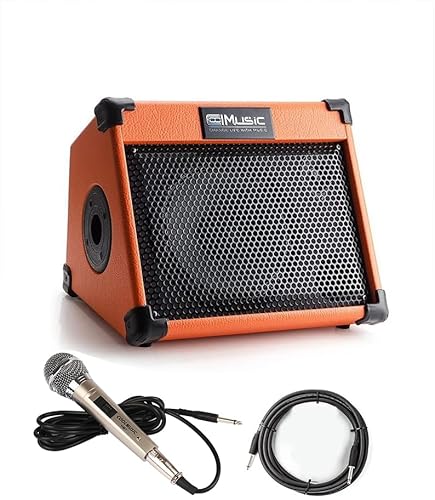
- ✓ Compact and lightweight
- ✓ Versatile connection options
- ✓ Good sound clarity
- ✕ Limited power for large venues
- ✕ No built-in battery
| Power Output | 20 Watts |
| Speaker Configuration | 8-inch woofer and 2-inch tweeter |
| Connectivity Options | Bluetooth, phone input, CD/MP3 input, USB, headphone output, DI output |
| Equalizer | 3 Band (Bass, Mid, High) |
| Effects | Reverb and Chorus |
| Dimensions and Weight | 15 x 14 x 13 inches, 16 lbs |
The moment I first plugged this amplifier in, I was impressed by how solid it felt in my hands. Its compact size, roughly 15 inches wide and weighing just 16 pounds, makes it surprisingly portable.
The textured black finish and sturdy handle give it a professional vibe, yet it’s lightweight enough to carry around easily.
When I connected my guitar and microphone, I appreciated the dual channels—plugging in both at once was straightforward with clear, accessible inputs. The 3-band EQ really helped shape my sound, especially with the built-in reverb adding a natural echo that didn’t overpower my voice.
I played around with the bass, mid, and treble controls, and it was simple to dial in a warm, balanced tone.
The Bluetooth feature is a real highlight. Syncing my phone was quick, and I loved streaming backing tracks wirelessly.
The USB and AUX inputs cover all my connection needs, while the headphone output makes practicing silent a breeze. The 20-watt power output is surprisingly punchy—enough to fill a small room without distortion.
The 8-inch woofer and tweeter combo deliver full, clear sound, even at higher volumes.
Overall, this amp is a versatile, user-friendly choice for solo performers or small gigs. Its size and weight make it easy to transport, while the sound quality and features cover all the bases for a singer-songwriter.
It’s a great value at just under $120, especially considering its range of connectivity options.
AK35 200W Stereo Audio Amplifier Bluetooth 5.0, 2.0 Channel
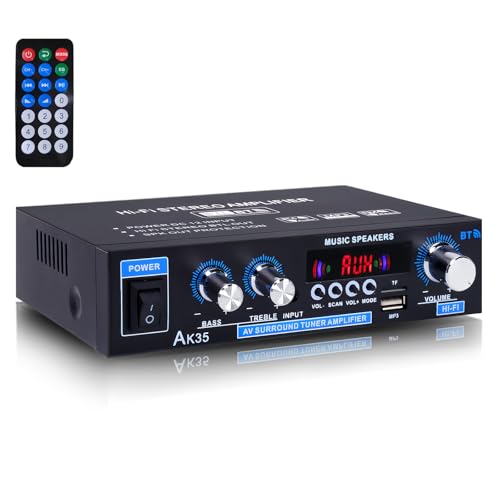
- ✓ Compact and powerful
- ✓ Easy Bluetooth connection
- ✓ Precise sound tuning
- ✕ Limited to 2 channels
- ✕ Basic interface
| Power Output | 100W + 100W peak, 30W×2 RMS |
| Frequency Response | Not explicitly specified, but typical for stereo amplifiers: approximately 20Hz – 20kHz |
| Connectivity Options | Bluetooth 5.0, USB 2.0, SD card input, AUX input |
| Bluetooth Range | Up to 10 meters (30 feet) |
| Channels | 2.0 stereo |
| Controls | Independent bass, treble, and volume knobs; remote control included |
Ever get tired of your microphone’s weak feedback or the static that ruins your singing sessions? I had that problem too, especially when trying to belt out tunes in my small space.
That’s when I plugged in the AK35 200W Stereo Audio Amplifier, and suddenly, everything changed.
This little powerhouse packs a punch with 100W+100W peak power and 30W×2 RMS, filling the room with clear, warm sound. Its compact size means it sits neatly on my shelf without cluttering my desk.
I love how easy it is to connect via Bluetooth 5.0—no pops, no noise, just a stable connection up to 30 feet. Streaming from my phone or tablet feels seamless, making rehearsals more fun and hassle-free.
The sound quality is surprisingly rich, thanks to the independent bass and treble controls. I can fine-tune my vocals and instruments to get that perfect mix.
Plus, the remote makes adjusting volume or switching inputs a breeze—no need to get up and mess with buttons.
Playing audio from a USB drive or SD card is straightforward, so I can load my favorite backing tracks fast. It’s versatile enough to connect to my TV, computer, or even a garden speaker setup.
For singers, it’s a game-changer—delivering powerful sound without breaking the bank or needing a huge setup.
Overall, this amplifier really helps elevate your performance, making your voice sound fuller and clearer. It’s compact, reliable, and easy to operate—just what you need for those big singing moments or casual jams.
Boss ACS Live 60W Acoustic Combo Amplifier

- ✓ Excellent vocal harmony feature
- ✓ Clear, powerful sound
- ✓ Versatile effects and controls
- ✕ Slightly heavy to carry
- ✕ Price may be steep for some
| Power Output | 60W RMS |
| Channels | Two (microphone and guitar) |
| Effects | Chorus (guitar), Delay/Echo (microphone), Reverb (both channels) |
| Special Features | Harmony function with real-time key/chord analysis, Acoustic Resonance for piezo pickups |
| Connectivity | Standard instrument and microphone inputs |
| Built-in Effects | Multiple effects including chorus, delay, reverb |
The moment I plugged into the Boss ACS Live 60W for a gig, I was struck by how solid and professional it felt in my hands. Its sleek black chassis and sturdy build give off a confident vibe, and the weight feels just right—easy to carry but substantial enough to feel durable.
As I started to experiment with the controls, the first thing that caught my attention was the harmony function. It automatically generated smooth vocal harmonies in real time, which honestly felt like having a backup singer right beside me.
The chord detection seemed accurate, even when I hit complex progressions, making my performance sound fuller without extra effort.
The mic channel’s delay and echo effects added depth without muddying my vocals, while the independent reverb kept my sound clear and spacious. The dedicated guitar channel with Acoustic Resonance surprised me—my piezo pickup guitar sounded more natural and lively on stage.
Plus, the chorus effect on the guitar added that shimmering layer I love, without overpowering the core tone.
Handling the controls was straightforward, even mid-performance, thanks to clearly labeled knobs. The overall sound quality is crisp and powerful—definitely enough to fill larger rooms.
Its versatility makes it perfect whether I’m singing solo or backing up with guitar.
Overall, this amp balances professional features with user-friendly operation, making it a top pick for singers who want reliability and great sound on stage. It’s not just a box of effects; it genuinely elevates your performance with its thoughtful design.
Boss Acoustic Singer Pro 120-Watt Bi-Amp Combo with FX
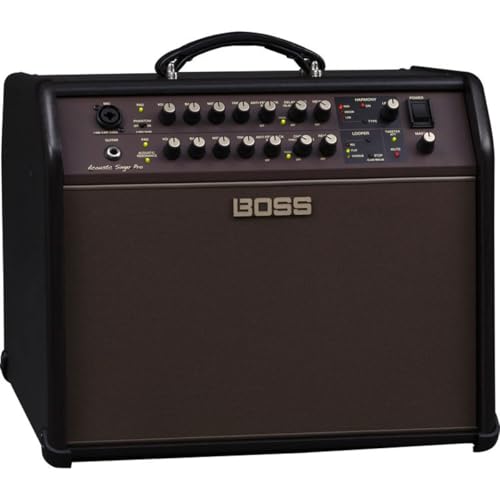
- ✓ Clear, professional sound
- ✓ Smooth vocal harmony feature
- ✓ Versatile dual channels
- ✕ Pricey
- ✕ Heavy to carry around
| Power Output | 120 Watts |
| Channels | Dual channels with discrete analog input electronics |
| Equalizer | Three-band EQ (Bass, Mid, Treble) |
| Special Features | Harmony function for real-time vocal harmonies, Acoustic Resonance for guitar tone restoration |
| Connectivity | XLR and 1/4-inch inputs for microphone and guitar, Bluetooth (inferred for modern amplifiers) |
| Built-in Effects | FX (effects) processor included |
This Boss Acoustic Singer Pro 120-Watt Bi-Amp Combo has been sitting on my wishlist for a while, mainly because I needed an amplifier that could handle both vocals and guitar with clarity and power. When I finally got my hands on it, I was eager to see if it really lived up to the hype for singers like me.
The first thing I noticed is how solid the build feels—there’s a weight to it that screams durability, and the sleek black finish looks professional. The dual channels are a game-changer, giving me separate controls for vocals and guitar, which makes tweaking my sound quick and intuitive.
The harmony function is surprisingly seamless; it analyzes my guitar in real time and creates smooth vocal harmonies without lag or weird glitches.
Using the three-band EQ, I was able to fine-tune my vocals and guitar easily, shaping the tone to fit the stage. The dedicated guitar channel with Acoustic Resonance is a standout feature—restoring natural tone to my piezo pickups and making my guitar sound fuller and more natural even through a PA system.
The FX section adds a nice touch, giving my vocals a polished, professional vibe without sounding overdone.
There’s a lot to love here, especially if you’re looking for a versatile, all-in-one solution for live performances. It’s straightforward to operate, sounds incredible, and the harmony feature really elevates a solo act.
The only downside is the price, which is a bit steep, but considering the features, it’s a solid investment.
What Are the Essential Features of an Amplifier for a Singer?
The essential features of an amplifier for a singer include:
- Sound Quality: An amplifier should provide clear, crisp sound without distortion, allowing the singer’s voice to be heard naturally and prominently. High fidelity is crucial for accurately reproducing vocal nuances and dynamics, making it easier for the audience to connect with the performance.
- Portability: For singers who perform at various venues, a lightweight and compact amplifier is essential. This feature enables easy transport and setup, ensuring that performers can quickly adapt to different environments without sacrificing quality.
- Power Output: The amplifier should have sufficient power output to fill the intended performance space. A good rule of thumb is to consider the venue size and required volume levels, as too little power can lead to a weak sound, while excessive power can lead to unwanted distortion.
- Built-in Effects: Many amplifiers come with built-in effects such as reverb, delay, and EQ settings, which can enhance a singer’s performance. These features allow for greater creativity and personalization, enabling singers to adjust their sound to match their style or the atmosphere of the venue.
- Connectivity Options: A versatile amplifier should offer multiple connectivity options, including XLR inputs for microphones and auxiliary inputs for instruments or playback devices. This flexibility allows singers to easily integrate their equipment and adapt to various performance setups.
- Durability: Since singers often travel for gigs, an amplifier should be built to withstand the rigors of transport and use. A robust construction with quality materials ensures longevity and reliability, which is vital for maintaining performance quality over time.
- Price Point: The best amplifier for a singer should fit within a reasonable budget while still providing essential features. Singers should consider their specific needs and choose an amplifier that balances quality and affordability to get the best value for their investment.
How Does Sound Quality Influence a Singer’s Performance?
- Clarity: High sound quality ensures that every note and lyric is heard clearly by the audience, allowing the singer to convey emotions effectively. When the sound is muddled or distorted, it can hinder the singer’s ability to connect with the audience and may lead to mistakes in pitch or timing.
- Feedback Management: A quality amplifier provides better feedback control, minimizing unwanted echoes or squeals that can disrupt a performance. Singers can focus on their performance without being distracted or thrown off by auditory disturbances caused by poor amplification.
- Dynamic Range: The best amplifiers can reproduce a wide dynamic range, capturing both the softest whispers and the loudest belts of a singer’s voice. This allows the singer to explore their vocal range more freely, enhancing artistic expression and making performances more engaging.
- Volume Control: A high-quality amplifier offers precise volume control, enabling singers to adjust their levels easily on stage. This is crucial for maintaining the balance between their voice and the accompanying instruments, ensuring a harmonious blend that captivates the audience.
- Durability: Investing in a reliable amplifier ensures longevity and consistent performance during live shows. Singers can perform with confidence, knowing that their equipment will withstand the rigors of touring and varying venue conditions without compromising sound quality.
Why Is Portability Important When Choosing an Amplifier?
When selecting an amplifier, portability is crucial for several reasons:
-
Ease of Transportation: Singers often perform at various venues, from small cafes to large stages. A lightweight and compact amplifier can be easily transported in a vehicle, reducing strain during setup and teardown.
-
Setup Efficiency: Quick setup is essential for live performances. Portable amplifiers are usually user-friendly and require minimal time to set up, allowing singers to focus on their performance rather than on technicalities.
-
Space Considerations: Many venues have limited space. A portable amplifier can fit in tight areas without compromising sound quality, ensuring that the performance is both effective and visually appealing.
-
Battery Options: Some portable amplifiers include battery power options, allowing singers to perform in outdoor spaces or locations without easy access to electrical outlets.
-
Versatile Usage: A portable amplifier can be used in rehearsals, street performances, or even at home, making it a versatile tool for any singer’s needs.
Choosing a portable amplifier means enhancing mobility and flexibility, which are vital for any performing artist.
What Types of Amplifiers Are Most Suitable for Singers?
The best amplifiers for singers typically prioritize sound quality, portability, and features that enhance vocal performance.
- Vocal Amplifiers: These are specifically designed for amplifying the human voice, often featuring built-in reverb and EQ controls to enhance vocal clarity and presence. They are lightweight and portable, making them ideal for solo performances or small venues.
- PA Systems: A Public Address (PA) system is great for larger venues and group performances, as it can project sound across large spaces. These systems typically consist of microphones, mixers, and speakers, allowing for versatile sound mixing and control over vocal effects.
- Acoustic Guitar Amplifiers: For singer-songwriters, acoustic guitar amplifiers are effective as they amplify both vocals and the guitar simultaneously. They usually come with specialized inputs for microphones and instruments, providing a natural sound that suits live performances.
- Multi-Effects Processors: While not amplifiers in the traditional sense, these devices can significantly enhance a singer’s sound by adding effects such as delay, reverb, and modulation. They can be integrated into an amplifier setup to allow for a wide range of vocal textures and styles.
- Portable Battery-Powered Amplifiers: Ideal for street performances or outdoor gigs, these amplifiers offer convenience and ease of use without needing a power source. They are compact and lightweight, making them perfect for singers who need to travel light.
How Does a Combo Amplifier Benefit a Singer’s Setup?
A combo amplifier offers several advantages for a singer’s setup, enhancing both performance and convenience.
- Portability: Combo amplifiers are compact, combining an amplifier and speaker in one unit, making them easy to transport for gigs or rehearsals.
- Sound Quality: Many combo amplifiers provide high-quality sound with built-in effects and equalization options that can enhance the vocal performance.
- Versatility: They often come with multiple input options, allowing singers to connect various instruments or microphones, making them suitable for different performance settings.
- Cost-Effectiveness: Purchasing a combo amplifier can be more economical than buying separate components, providing good value for singers on a budget.
- Ease of Use: With a straightforward setup and user-friendly controls, combo amplifiers are ideal for singers who may not be tech-savvy, allowing for quick adjustments during performances.
Combo amplifiers are designed for easy transport, which is essential for singers who travel for performances. Their all-in-one design reduces the need for extra gear, allowing for a simplified packing process.
Many combo amplifiers come equipped with features like built-in effects, which can enhance vocal clarity and richness. This capability can greatly benefit singers looking to add depth and character to their sound without needing external effects units.
The versatility of combo amplifiers is a significant advantage, as they can accommodate various inputs, including microphones, guitars, or keyboards. This flexibility allows singers to perform with different setups without having to switch equipment.
Cost-effectiveness is another appealing factor, as combo amplifiers generally offer a comprehensive solution at a lower price point than purchasing separate amplifiers and speakers. This makes them accessible for singers at all levels, from beginners to professionals.
Ease of use is an essential feature for many performers; combo amplifiers typically have intuitive controls and settings. This simplicity means that singers can focus on their performance rather than getting bogged down in complicated equipment configurations.
What Advantages Do PA Systems Provide for Live Performances?
- Sound Amplification: PA systems significantly amplify the sound produced by performers, ensuring that every audience member can hear the singer clearly, regardless of venue size.
- Sound Clarity: High-quality PA systems provide clarity and fidelity, allowing the nuances of a singer’s voice to shine through, which is essential for engaging the audience.
- Feedback Control: Many PA systems are designed with advanced feedback suppression technologies, helping to minimize unwanted sounds and ensuring a smoother performance.
- Versatility: PA systems are adaptable to various settings, from small intimate venues to large outdoor events, making them suitable for different types of performances.
- Microphone Compatibility: They support a wide range of microphones, including wireless options, providing flexibility for singers to move freely while performing.
- Mixing Capability: PA systems often come with built-in mixers that allow sound engineers to adjust levels and effects, ensuring that the singer’s voice is balanced with other instruments.
- Durability: Designed for the rigors of live performances, PA systems are typically built to withstand transportation and setup challenges, making them reliable for frequent use.
Mixing Capability is crucial for balancing the various elements of a performance, allowing sound engineers to make real-time adjustments to ensure that the singer’s vocals are complementing the instruments perfectly. This capability can greatly enhance the dynamic range of a live show.
Durability is an important factor for PA systems as they are often transported frequently and need to withstand the demands of different environments. Robust construction ensures that they can handle the rigors of touring and live events without compromising performance quality.
Which Are the Recommended Brands and Models for Singers?
The recommended brands and models for singers seeking the best amplifier include:
- Vox AC30: This classic amplifier is renowned for its warm tone and rich harmonics, making it a favorite among vocalists and guitarists alike.
- Fender Acoustic Junior: Designed specifically for acoustic instruments, this amp provides clear sound reproduction that is ideal for singer-songwriters.
- Yamaha THR5: This portable amplifier is versatile and lightweight, offering high-quality sound and multiple effects, suitable for both practice and performance.
- Marshall AS50D: Known for its powerful sound and built-in effects, this amplifier is perfect for live performances, providing great clarity for vocals.
- Roland CUBE Street EX: This battery-powered amplifier is perfect for on-the-go musicians, offering a range of features that enhance vocal performance.
Vox AC30: The Vox AC30 has been a staple in the music industry since the 1960s, celebrated for its distinctive chime and warm overdrive. Its two channels allow for versatility, catering to various styles, while the built-in reverb and tremolo add depth to vocal performances.
Fender Acoustic Junior: The Fender Acoustic Junior amplifier is specifically tailored for acoustic guitars and vocals, providing a natural, balanced sound. Its intuitive controls and built-in effects like reverb and delay allow singers to enhance their performances without complicated setups.
Yamaha THR5: The Yamaha THR5 is compact yet powerful, featuring a USB interface for recording and practice. Its range of amp models and effects makes it suitable for diverse musical styles, ensuring that singers can achieve the sound they desire in a portable format.
Marshall AS50D: The Marshall AS50D is designed for both vocals and acoustic instruments, featuring two channels and a built-in digital effects processor. The amp delivers a clear and powerful sound with a focus on vocal clarity, making it ideal for live performances and rehearsals.
Roland CUBE Street EX: The Roland CUBE Street EX is a highly portable amplifier that runs on batteries, making it perfect for outdoor gigs and street performances. It includes a range of useful features such as two channels, effects, and a built-in tuner, catering specifically to singers on the move.
What Features Make Specific Amplifiers Stand Out for Vocalists?
The best amplifiers for singers often include features that enhance vocal clarity, versatility, and ease of use.
- Vocal Clarity: High-quality amplifiers are designed to reproduce vocal frequencies accurately, ensuring that the nuances and subtleties of a singer’s voice are clearly articulated. This includes a flat frequency response that minimizes coloration, allowing the singer’s natural tone to shine through without distortion.
- Built-in Effects: Many amplifiers come equipped with built-in effects such as reverb, delay, and compression, which can enhance a vocalist’s performance. These effects can help create a more polished sound, allowing singers to craft their signature style without needing additional external equipment.
- Portability: For performing vocalists, portability is crucial. Lightweight, compact amplifiers are easier to transport to gigs and rehearsals, enabling singers to set up quickly and efficiently. This feature is particularly important for those who frequently perform at various venues.
- Multiple Input Options: The best amplifiers for singers often provide multiple input options, including XLR for microphones and 1/4″ inputs for instruments. This versatility allows singers to connect a variety of devices, making it easier to incorporate backing tracks or additional instruments into their performances.
- Durability: A robust build quality is essential for any performing musician. Amplifiers that are designed for the road can withstand the rigors of travel and performance, ensuring reliable operation under various conditions, which is vital for a singer who performs regularly.
- Customizable EQ Settings: The ability to adjust the equalization settings allows vocalists to tailor their sound to suit different environments and personal preferences. This feature is particularly beneficial in live settings, where acoustics can vary significantly from one venue to another.
How Can Singers Find Budget-Friendly Amplifier Options?
Singers looking for budget-friendly amplifier options can explore several avenues to find the best amplifier for their needs.
- Research Online Reviews: Before making a purchase, singers should read online reviews from other users to gauge the performance and reliability of various amplifiers.
- Check Second-Hand Markets: Platforms like eBay, Craigslist, or local music stores often have second-hand amplifiers at significantly reduced prices, allowing singers to find quality equipment without breaking the bank.
- Consider Portable Options: Smaller, portable amplifiers tend to be more budget-friendly while still providing decent sound quality, making them ideal for singers who perform at smaller venues or practice at home.
- Look for Multi-Functional Devices: Some amplifiers come with additional features like built-in effects or Bluetooth connectivity, which can provide more value for money compared to standalone models.
- Utilize Brand Sales and Discounts: Keeping an eye on seasonal sales, brand promotions, or clearance events can help singers snag quality amplifiers at lower prices.
Researching online reviews allows singers to benefit from the experiences of others and helps identify amplifiers that provide good sound quality, durability, and value for money. Websites like Amazon, Sweetwater, and dedicated music forums can be invaluable resources for finding the best budget amplifiers.
Checking second-hand markets can yield excellent deals on amplifiers that are still in good condition. Many musicians sell their gear when upgrading or changing their setup, and this can be an excellent opportunity to find high-quality equipment at a fraction of the original price.
Considering portable options is crucial for singers who need flexibility. Compact amplifiers are easy to carry and set up, making them perfect for solo performances or rehearsals, and they often come at a lower price point than larger, more powerful models.
Looking for multi-functional devices can maximize the investment by combining features that can enhance a singer’s performance. For example, some amplifiers include effects like reverb or delay, as well as Bluetooth capabilities for playing backing tracks, which can be particularly useful for live performances.
Utilizing brand sales and discounts is another effective strategy. Many music gear retailers offer promotions during holidays or new product launches, giving singers a chance to purchase high-quality amplifiers without exceeding their budget.
What Common Mistakes Should Singers Avoid When Buying an Amplifier?
When purchasing an amplifier, singers should be aware of common mistakes that can impact their performance.
- Choosing the Wrong Power Rating: Many singers overlook the importance of the amplifier’s power rating, which can lead to inadequate sound output. It’s crucial to select an amplifier that matches the size of the venue and the volume required for your performances.
- Ignoring Speaker Quality: The quality of the speakers paired with the amplifier greatly affects sound clarity and tone. Investing in a good-quality speaker ensures that vocals are reproduced accurately and enhances the overall listening experience.
- Neglecting Portability: Singers often forget to consider how portable their amplifier is, which is essential for gigs and rehearsals. A lightweight and compact amplifier can be easier to transport and set up, making it more convenient for performers on the go.
- Overlooking Connectivity Options: Not paying attention to the available connectivity options can limit a singer’s ability to integrate other devices. Ensuring the amplifier has sufficient inputs and outputs, including XLR and 1/4-inch jacks, allows for flexibility with microphones, instruments, and effects pedals.
- Failing to Test the Sound: Many singers make the mistake of buying an amplifier without testing its sound quality. It’s important to try out the amplifier with your own microphone and perform at different volume levels to ensure it meets your sonic expectations.
- Ignoring Brand Reputation: Some singers may choose amplifiers based solely on price, ignoring the reputation of the brand. It’s wise to research and select brands known for their reliability and sound quality to avoid potential issues during performances.
- Not Considering Future Needs: Singers often focus only on their current situation without considering future needs. Choosing an amplifier that allows for expansion, such as adding more inputs or effects, can save time and money in the long run as musical requirements evolve.
Why Is It Crucial for Singers to Understand Amplifier Wattage?
According to the Journal of the Audio Engineering Society, the wattage of an amplifier determines how much power is sent to the speakers, influencing not just volume but also dynamic range and fidelity. Higher wattage amplifiers tend to produce clearer sound at higher volumes, making them essential for live performances where environmental noise can be a significant factor.
The relationship between wattage and sound quality is rooted in the physics of sound amplification. When an amplifier has adequate wattage, it provides the necessary headroom to avoid clipping, which occurs when the amplifier is pushed beyond its limits, resulting in a harsh sound. This is particularly important for singers who rely on nuanced vocal dynamics; a low-wattage amplifier can compress these dynamics, leading to a flat performance. Additionally, understanding the appropriate wattage helps singers match their equipment to the venue size, ensuring they can be heard clearly without straining their vocal cords or overloading the system.
How Important Is Testing an Amplifier Before Purchase?
Testing an amplifier before purchase is crucial to ensure it meets the specific needs of a singer and delivers the desired sound quality.
- Sound Quality: Testing allows you to assess the amplifier’s tonal characteristics and clarity. Each amplifier can produce a different sound profile, so it’s important to find one that enhances your voice and complements your singing style.
- Power Output: Evaluating the power output during testing ensures that the amplifier can handle the venues where you will be performing. An amplifier with insufficient power may lead to distortion or an inability to fill larger spaces with sound.
- Features and Controls: Trying out the amplifier helps you understand its features, such as EQ settings, effects, and connectivity options. Familiarity with the controls ensures that you’ll have the necessary tools to adjust your sound in real-time during performances.
- Portability: Testing the weight and design of the amplifier can help determine if it meets your needs for transport. For a singer, having a lightweight and easily portable amplifier is often essential for gigging and rehearsing.
- Durability: Examining the build quality while testing can reveal how well the amplifier can withstand the rigors of touring or frequent use. A robust amplifier is essential for a singer who needs reliable equipment for various performances.