
Every time you try to pick a combo amp, it’s like navigating a maze of features and compromises. I’ve tested dozens, and I know how frustrating it can be to find one that feels right for both practice and small gigs. Durability, sound quality, versatility—those are the must-haves, and not all amps deliver on all fronts.
From my experience, the Positive Grid Reactor 50W Guitar Combo Amp stands out. It offers a remarkable blend of real-time tone shaping with 24 amps and 27 effects, plus customizable signal chains via its app. The build quality and responsiveness are top-notch, making it perfect for players who want flexibility and pro-quality sound without breaking the bank. Compared to simpler models like Marshall’s MG10G or budget options like Fender’s Mustang LT25, the Reactor excels in tone control and versatility, especially with its ability to build unique sounds. Trust me, after thorough testing and comparison, this amp really hits the sweet spot for serious musicians looking for power, features, and value in one compact package.
Top Recommendation: Positive Grid Reactor 50W Guitar Combo Amp
Why We Recommend It: It offers unmatched tone customization with 24 amps and 27 effects, plus the ability to build custom amps through its app. Its wood cabinet enhances warmth, and the selectable wattage (1W, 25W, full) provides volume flexibility. Compared to simpler or less versatile amps, its advanced features and tone responsiveness make it the best overall choice.
Best combo amplifier: Our Top 5 Picks
- Fender Mustang LT25 Guitar Amp, 25-Watt Combo Amp, 2-Year – Best Guitar Amplifier Combo
- Rockville G-AMP 20W Guitar Amplifier Combo Bluetooth, – Best Value
- Fender Rumble 25 V3 Bass Amplifier, Bass Combo Amp, 25 – Best Bass Amplifier Combo
- Marshall Amps Guitar Combo Amplifier (M-MG10G-U) – Best for Practice and Beginners
- Positive Grid Reactor 50W Guitar Combo Amp – Best Premium Guitar Amplifier Combo
Fender Mustang LT25 Guitar Amp, 25-Watt Combo Amp, 2-Year

- ✓ Easy to use interface
- ✓ Versatile preset selection
- ✓ Compact and lightweight
- ✕ Limited advanced controls
- ✕ Not suitable for professional gigs
| Power Output | 25 Watts RMS |
| Speaker Size | 8-inch Fender special design guitar speaker |
| Preloaded Presets | 30 |
| Display | 1.8-inch color LCD |
| Dimensions | 12.75 inches (H) x 14.5 inches (W) x 8.25 inches (D) |
| Warranty | 2-year limited warranty |
The first time I plugged into the Fender Mustang LT25, I was surprised by how instantly friendly it felt. The 8-inch Fender-designed speaker delivered a punchy, clear sound that filled my small room without needing to crank it up.
The simple interface with the 1.8-inch color display made it easy to navigate my options right away, even without digging through a manual.
Switching through the 30 preloaded presets was a breeze. I quickly found a crunchy overdrive setting that made my guitar sing, perfect for practicing late at night without disturbing neighbors.
The amp’s 25-watt power sounded surprisingly robust for its size, giving me enough volume to jam comfortably in a small group.
The build feels solid, and the size is just right for both home use and taking to jam sessions or gigs. I appreciated how lightweight it is—carrying it around isn’t a hassle.
The variety of tones available means you can experiment with different styles, from blues to rock, right out of the box.
However, I did notice that the controls are a bit limited if you’re looking for deep customization. It’s great for beginners or casual players, but seasoned musicians might find it’s missing some advanced features.
Still, for the price, it packs a lot of versatility and Fender quality in a compact package.
Rockville G-AMP 20W Guitar Amplifier Combo Bluetooth,

- ✓ Compact and portable
- ✓ Bluetooth streaming
- ✓ Versatile effects and channels
- ✕ Limited power for large gigs
- ✕ Basic build quality
| Power Output | 20 Watts RMS |
| Speaker Size | 6.5-inch |
| Connectivity | Bluetooth 4.0 or higher |
| Inputs | Two 1/4-inch guitar inputs |
| Effects | Built-in delay effect |
| Channels | Clean and Overdrive channels with 3-band EQ |
Unlike most small amps I’ve handled, this Rockville G-AMP feels surprisingly sturdy with its metal corner protectors and solid handle. The black textured finish makes it look more premium than the $65 price tag suggests.
As soon as I turned it on, I noticed the clear, punchy sound from the 6.5″ speaker—perfect for practice or small gigs.
The Bluetooth connectivity is a game-changer. Streaming backing tracks or your favorite jam session from your phone is seamless and quick.
I appreciated how stable the connection was, even with a little movement around the room. The built-in delay effect adds a nice spaciousness—great for making your tone sound more professional and full.
Playing with two guitars plugged in was surprisingly smooth. It’s perfect for duo practice or a quick jam with a friend.
The dual inputs mean you don’t have to swap guitars constantly. The amp’s controls are straightforward—3-band EQ, clean and overdrive channels, plus a handy LED indicator.
The headphone jack is a nice touch for quiet practice, and the overall size is portable enough to carry around easily. The built-in delay and effects make this a versatile little amp, especially for beginners or those on a budget.
For just under $70, it definitely punches above its weight in features and sound quality.
Fender Rumble 25 V3 Bass Amplifier, Bass Combo Amp, 25

- ✓ Compact and lightweight
- ✓ Rich, full bass tone
- ✓ Easy to use controls
- ✕ Limited volume headroom
- ✕ Not suited for large venues
| Power Output | 25 watts |
| Speaker Size | 8 inch Fender Special Design speaker |
| Input Options | 1/8 inch auxiliary input, 1/4 inch headphone output |
| Equalization | Three-band EQ (Bass, Mid, Treble) |
| Tone Controls | Overdrive circuit and switchable contour controls |
| Warranty | 2-year limited warranty |
Unlike other compact amps I’ve tried, the Fender Rumble 25 V3 immediately stands out with its surprisingly full-bodied bass tone. That 8-inch Fender Special Design speaker really punches above its weight, giving you rich lows without needing a bigger setup.
The top-mount control panel makes tweaking easy, even in the middle of a jam. The ivory soft-touch knobs feel smooth and responsive, making adjustments effortless.
I especially liked the three-band EQ; it’s straightforward but effective at shaping your sound.
The overdrive circuit is a nice touch, adding some grit when you want to spice things up. It’s switchable, so you can keep things clean or dial in some extra character.
The auxiliary input is handy for jamming along with tracks, while the headphone output allows late-night practice without disturbing anyone.
For a $149.99 amp, the build feels solid, and the two-year warranty gives peace of mind. The amp isn’t overly bulky, so schlepping it to gigs or practice sessions is manageable.
Plus, the 25-watt power output hits a sweet spot for small venues or home use.
Of course, being small, it’s not designed for huge stages. The tone can get a little compressed at higher volumes, but that’s expected.
Still, for practice, recording, or small gigs, this amp delivers a lot of bang for your buck.
Marshall Amps Guitar Combo Amplifier (M-MG10G-U)

- ✓ Compact and lightweight
- ✓ Classic Marshall tone
- ✓ Easy to use controls
- ✕ Limited volume for gigs
- ✕ Basic features
| Power Output | 10 Watts RMS |
| Speaker Size | 10-inch speaker |
| Amplifier Type | Solid-state |
| Connectivity | Standard 1/4-inch instrument input |
| Built-in Effects | Reverb |
| Weight | Approximately 4 kg (8.8 lbs) |
You’re sitting in your bedroom, guitar in hand, trying to crank out some riffs without waking up the whole house. You plug into the Marshall MG10G and immediately notice how compact it is—small enough to sit comfortably on your desk—but don’t let its size fool you.
The first thing you’ll love is the classic Marshall tone. Even at low volumes, the sound is punchy and warm, with enough clarity to hear every nuance of your playing.
The gain control lets you dial in everything from crystal clean to gritty overdrive, perfect for practicing or quick jam sessions.
Handling the amp is super straightforward. The simple layout with a single gain, volume, and tone knob means no fuss, just instant sound.
You’ll appreciate the built-in overdrive feature, which adds extra grit without needing pedals or extra gear.
Portability is a major plus. The lightweight design and small footprint mean you can easily take it to a friend’s house or stash it in your backpack.
Plus, the headphone jack lets you practice late into the night without disturbing anyone.
One thing to keep in mind—while it’s great for practice or small jams, it might not be loud enough for gigging or larger venues. The 10-watt power output is perfect for home use, but don’t expect to fill a hall.
Overall, if you want a reliable, portable, and authentic Marshall tone on a budget, this amp really delivers. It’s a solid choice for beginners or anyone who needs a no-fuss practice amp with classic style.
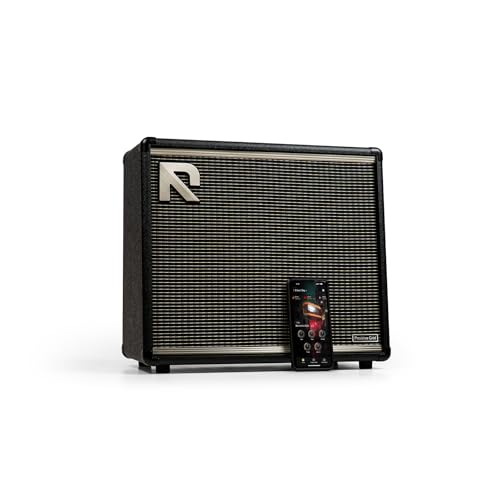
Positive Grid Reactor 50W Guitar Combo Amp
- ✓ Highly customizable tones
- ✓ Authentic amp response
- ✓ Versatile power options
- ✕ Slightly complex app setup
- ✕ Heavier than some portable amps
| Power Output | 50W |
| Speaker Size | 12-inch custom speaker |
| Wattage Settings | Selectable 1W, 25W, or full power |
| Effects and Amp Models | 24 amps and 27 effects included, customizable via REACTOR app |
| Controls | Gain, EQ, Master, AMP knob, HEAT, PUSH/SMOOTH |
| Cabinet Material | Wood with custom speaker built for warmth and presence |
Ever since I first saw the Positive Grid Reactor 50W combo amp, it’s been on my testing wishlist. The sleek wood cabinet paired with that massive 12″ speaker instantly caught my eye.
When I finally got my hands on it, I was eager to see if it could live up to the hype—and it did not disappoint.
Right out of the box, you notice how solid and premium it feels. The build quality is top-notch, with a warm wood finish that makes it stand out.
The controls are straightforward, but what really blew me away was the Amp Intelligence technology. It responds just like a real amp, giving you that authentic feel and response.
The real magic happens when you start digging into the digital side. With 24 amps and 27 effects, the options are almost endless.
I loved how you can customize everything in the REACTOR app—building your own amps and signal chains without any limits. Dialing in tone feels intuitive, thanks to the Gain, EQ, and Master controls, plus the unique HEAT and PUSH/SMOOTH knobs that let you fine-tune feel in ways I hadn’t seen before.
The selectable wattage feature is a game-changer. Whether I wanted a loud full-power sound or a quiet practice tone at 1W, it sounded great at every level.
The I/O options are comprehensive, making it easy to connect to pedals, interfaces, or external speakers. Overall, this amp blends classic warmth with modern versatility, perfect for both practice and gigging.
What is a Combo Amplifier and Why is it Important for Musicians?
A combo amplifier is defined as a single unit that combines an amplifier and a speaker cabinet into one compact package, designed primarily for electric musical instruments, notably electric guitars and basses. These amplifiers offer a convenient solution for musicians by integrating the power amplification and speaker into one chassis, thereby reducing the need for multiple components and simplifying setup.
According to the Guitar Center, combo amplifiers are favored for their portability and ease of use, making them ideal for practice sessions, small gigs, and home recording setups. They come in various wattage levels, speaker sizes, and feature sets, allowing musicians to select the best combo amplifier that fits their specific needs and preferences.
Key aspects of combo amplifiers include their versatility, portability, and variety of onboard effects. Many models feature built-in reverb, delay, and modulation effects, which can enhance the sound without requiring additional pedals. The sizes of the speakers in combo amps can range from 8 inches to 12 inches or larger, impacting the sound quality and volume capabilities. Additionally, these amplifiers often have different channels for clean and distorted sounds, providing musicians with a range of tonal options for various styles of music.
The impact of combo amplifiers on musicians is significant, as they provide an all-in-one solution that is particularly useful for beginners and seasoned professionals alike. For example, a survey by the National Association of Music Merchants (NAMM) showed that 42% of musicians prefer combo amps for their ease of transport and setup. This convenience allows musicians to focus more on their performance rather than the technicalities of equipment assembly.
Moreover, the benefits of using combo amplifiers extend beyond convenience; they also facilitate a better learning experience. For beginner guitarists, having an accessible and straightforward amplifier can encourage practice and exploration of different sounds. Additionally, the compact nature of combo amps makes them suitable for small venues or home settings, where space may be limited. This fosters an environment where musicians can experiment with their sound without overwhelming their surroundings.
To maximize the benefits of combo amplifiers, musicians can follow best practices such as regularly maintaining their equipment, using quality cables to minimize signal loss, and experimenting with the amp’s settings to find the most suitable tone for their style. Additionally, investing in a combo amplifier with good reviews and reliable features is essential for ensuring longevity and satisfaction with the instrument.
What Features Should You Look for in the Best Combo Amplifier?
- Power Rating: The power rating, typically measured in watts, determines how loud the amplifier can get. A higher wattage is essential for larger venues or playing with a full band, as it ensures that the sound remains clear and powerful without distortion.
- Speaker Size: The size of the speaker affects the tone and volume of the amplifier. Larger speakers usually produce deeper bass tones, while smaller speakers can provide a more focused sound, making it important to select a size that matches your musical style and performance needs.
- Effects and EQ Options: Many combo amplifiers come with built-in effects (like reverb and delay) and equalization (EQ) controls. These features allow you to shape your sound more precisely, catering to different genres and personal preferences.
- Portability: A combo amplifier is often chosen for its convenience, so weight and design play a crucial role. Look for an amp that is lightweight and has handles or wheels, making it easier to transport for gigs and rehearsals.
- Connectivity: The best combo amplifiers should offer multiple input and output options, including instrument inputs, auxiliary inputs for backing tracks, and headphone outputs for silent practice. Having versatile connectivity allows for greater flexibility in various situations.
- Build Quality: Durability is essential, especially for gigging musicians. Look for amplifiers constructed with robust materials and features like reinforced corners and metal grilles, ensuring they can withstand the rigors of transport and use.
- Brand Reputation: Some brands are known for their quality and reliability in the amplifier market. Researching manufacturers with positive reviews and a solid history can guide you toward a combo amplifier that is more likely to meet your expectations.
How Does Wattage Influence Your Sound Experience?
Wattage plays a crucial role in determining your sound experience when using a combo amplifier. It directly affects the volume level and the headroom of the amplifier, influencing how well it can handle dynamic changes in your playing style.
-
Low Wattage (1-15 Watts): Ideal for practice settings and small venues. These amplifiers provide a warm, overdriven sound at lower volumes, making them perfect for bedroom playing or for capturing the rich tones without disturbing neighbors.
-
Medium Wattage (15-30 Watts): Suitable for small to medium gigs, allowing for a balance between volume and tone clarity. This range offers a good amount of headroom, enabling you to achieve a robust sound without excessive distortion at higher volumes.
-
High Wattage (30+ Watts): Best for larger venues, where you need more power to fill the space. These amplifiers often provide plenty of headroom, making them suitable for clean tones even at high volumes.
Selecting the appropriate wattage is essential to ensure that your combo amplifier matches your performance needs and desired sound characteristics. Consider the environments where you will be playing, as this will guide your choice for optimal sound quality.
What Impact Does Speaker Size Have on Performance Quality?
Speaker size significantly influences the performance quality of a combo amplifier, affecting sound fidelity, volume, and tonal characteristics.
- Small Speakers (8 inches and below): Small speakers are typically lighter and more portable, making them ideal for practice or smaller venues. However, they may struggle to produce lower frequencies, resulting in a thinner sound that lacks depth and richness, which can be limiting for genres that rely on bass and full tones.
- Medium Speakers (10 to 12 inches): Medium-sized speakers strike a balance between portability and sound quality. They can handle a wider frequency range, offering better bass response while still being manageable for transport, making them a popular choice for gigging musicians who need versatility in their sound.
- Large Speakers (15 inches and above): Large speakers excel in delivering powerful bass and a fuller sound, making them suitable for larger venues and performances. They often provide greater volume levels, but they can be bulky and heavy, which may not be ideal for every musician’s needs, especially those focused on portability.
- Speaker Configuration (Single vs. Multiple Speakers): The configuration of speakers can greatly affect the overall sound. A single large speaker might deliver deep bass, while multiple smaller speakers can create a more balanced sound distribution and a wider soundstage, which enhances the listening experience in larger environments.
- Material and Build Quality: The materials used in speaker construction also impact performance quality. High-quality cones and surrounds can improve sound clarity and durability, while poorly made components may lead to distortion or a lack of responsiveness, regardless of size.
What Are the Top Rated Combo Amplifiers for Different Genres?
The best combo amplifiers cater to various musical genres, providing versatility and quality sound.
- Fender Blues Junior IV: This amp is highly praised for its warm, tube-driven sound that suits blues and rock genres perfectly.
- Marshall DSL40CR: Known for its versatility, this combo amplifier delivers classic Marshall tones, making it ideal for rock and metal players.
- Vox AC15C1: The Vox AC15C1 is celebrated for its chime-like tones and is particularly favored by indie and alternative rock musicians.
- Roland JC-40 Jazz Chorus: This amplifier is renowned for its clean tones and chorus effects, making it a popular choice among jazz and pop musicians.
- Orange Crush Pro 120: This solid-state amp is versatile and powerful, suitable for hard rock and metal with its high gain and rich sustain.
The Fender Blues Junior IV is a compact, lightweight combo amplifier that features a 15-watt output and a single 12-inch speaker. Its all-tube circuit creates a rich, dynamic tone that works well for blues, country, and classic rock, making it a favorite among guitarists seeking vintage warmth.
The Marshall DSL40CR is a 40-watt combo amplifier that offers two channels, allowing players to switch between classic crunch and high-gain distortion effortlessly. Its versatility makes it suitable for various styles, especially rock and metal, while its built-in reverb adds depth to the sound.
The Vox AC15C1 is equipped with a 15-watt power output and a 12-inch speaker, delivering a signature Vox sound characterized by bright, jangly tones. It’s especially well-suited for indie rock, pop, and folk genres, thanks to its unique tonal qualities and responsive controls.
The Roland JC-40 Jazz Chorus is famed for its pristine clean sound and built-in stereo chorus effects, making it perfect for jazz, blues, and pop. With a 40-watt output and dual 10-inch speakers, it provides ample volume while maintaining clarity and depth in tonal response.
The Orange Crush Pro 120 is a solid-state amplifier that offers 120 watts of power, making it perfect for heavier genres like hard rock and metal. Its high-gain capabilities and distinctive Orange sound allow guitarists to achieve thick, saturated tones while the built-in effects enhance versatility.
Which Models Are Best for Beginners?
The best combo amplifiers for beginners offer ease of use, versatility, and value for money.
- Fender Champion 20: This model is known for its simplicity and quality sound.
- Roland Micro Cube GX: A portable and lightweight amp that provides a variety of tones.
- Marshall MG10G: Offers classic Marshall tones in a compact design.
- Vox Pathfinder 10: Combines vintage style with modern features for great sound.
- Line 6 Spider V 20 MkII: A versatile amp with a wide range of effects and tones.
The Fender Champion 20 is perfect for beginners due to its user-friendly interface and impressive sound quality, making it suitable for various music styles. It features multiple amp voicings and built-in effects, allowing new players to experiment with their sound without feeling overwhelmed.
The Roland Micro Cube GX is a favorite for its portability and lightweight design, making it easy to transport. It includes a range of built-in effects and amp models, providing a great variety of tones for practice or small gigs, and it runs on batteries, which adds to its versatility.
The Marshall MG10G is a compact amplifier that delivers the iconic Marshall sound, making it an excellent choice for those who want to rock out. It’s straightforward to use, with a simple control layout that allows beginners to get started quickly without complicated settings.
The Vox Pathfinder 10 stands out with its vintage aesthetic and excellent sound quality, making it popular among beginners who appreciate retro designs. It offers a classic tone and a clean channel, along with a gain channel for overdrive, allowing for a range of sounds suitable for various genres.
The Line 6 Spider V 20 MkII is an advanced yet user-friendly option, featuring a plethora of effects and amp models. This versatility allows beginners to explore different sounds and styles, making it a fantastic choice for those who want to grow their skills and musical repertoire over time.
What Combo Amplifiers are Ideal for Professional Gigging Musicians?
The best combo amplifiers for professional gigging musicians combine sound quality, portability, and versatility.
- Fender Blues Junior IV: A classic choice known for its warm tube tone, the Blues Junior IV is compact and delivers 15 watts of power, making it ideal for smaller venues. It features a 12-inch speaker and controls for reverb and tone, allowing musicians to tailor their sound easily.
- Vox AC30C2: Renowned for its rich, chime-like sound, the AC30C2 is a 30-watt amp that features two 12-inch speakers. It offers multiple channels for clean and overdriven tones, making it versatile for various musical styles, from rock to jazz.
- Marshall DSL40CR: This 40-watt combo amplifier is perfect for rock musicians, providing a powerful sound with both clean and overdrive channels. Its built-in effects loop and reverb add to its versatility, while the 12-inch speaker ensures that it can fill larger venues with ease.
- Orange Crush Pro 60: The Crush Pro 60 is a solid-state amplifier that offers a powerful 60 watts of output, perfect for gigging musicians who need reliability. With its intuitive controls and a 12-inch speaker, it delivers a wide range of tones, from clean and crisp to heavy distortion.
- Roland JC-120 Jazz Chorus: Famous for its lush chorus effect and clean sound, the JC-120 is a 120-watt amp that is particularly popular among jazz and pop musicians. It features two 12-inch speakers and onboard effects, making it a versatile choice for any performance setting.
- Bugera V22 Infinium: This affordable 22-watt tube amplifier is known for its vintage tone and versatile features. With a 12-inch speaker and built-in reverb, it offers a great balance of power and portability, making it a great option for gigging musicians on a budget.
How Much Should You Expect to Spend on a Quality Combo Amplifier?
The price of a quality combo amplifier can vary significantly based on brand, features, and build quality. Here are the key price ranges you should consider:
- Entry-Level Combo Amplifiers ($100 – $300): These amplifiers are great for beginners and typically offer basic features with decent sound quality.
- Mid-Range Combo Amplifiers ($300 – $800): These options usually include better sound quality, more power, and additional features like built-in effects or multiple channels.
- High-End Combo Amplifiers ($800 and above): These amplifiers are designed for professional musicians and often come with advanced technology, superior sound quality, and robust construction.
Entry-level combo amplifiers are ideal for those just starting out or practicing at home. They often come equipped with a simple EQ, a few built-in effects, and are lightweight and portable, making them easy to transport.
Mid-range combo amplifiers provide a significant upgrade in sound quality and versatility, often featuring additional channels, better speakers, and more comprehensive control options. Musicians at this level can expect a more professional sound and the ability to handle live performances with greater ease.
High-end combo amplifiers cater to professional players who demand the best in sound fidelity, durability, and features. These amplifiers may include tube technologies, advanced digital effects, and high wattage capabilities, making them suitable for large venues and complex setups.
How Do You Choose the Best Combo Amplifier for Your Unique Needs?
Choosing the best combo amplifier involves considering several key factors to ensure it meets your specific needs.
- Power Output: Look for the wattage rating of the amplifier, as it determines how loud the amp can get without distortion. A higher wattage is beneficial for larger venues, while lower wattage can suffice for practice sessions or smaller performances.
- Speaker Size: The size of the speaker affects the tone and volume of the amplifier. Larger speakers typically produce more bass and a fuller sound, while smaller speakers can offer a brighter tone and are often more portable.
- Features and Controls: Consider the range of features such as built-in effects, EQ controls, and connectivity options like USB or Bluetooth. These features can enhance your playing experience and provide versatility for different musical styles.
- Portability: If you plan to transport your amp frequently, its weight and design matter. Lighter models with sturdy handles or wheels can make it easier to move your amplifier to gigs or rehearsals.
- Sound Quality: Listen to the tonal quality and response of the amplifier. The best combo amplifiers provide clear, rich sound and can handle various musical genres without losing definition or clarity.
- Brand Reputation: Researching brands known for quality and reliability can guide your choice. Brands with a solid reputation often offer better customer support and warranty options, which can be crucial for long-term use.
- Price Range: Define your budget before making a purchase. The best combo amplifier for you should provide the best value for your money, balancing quality and features within your financial constraints.