
Before testing the Yamaha A-S801BL, I never realized how much a higher-quality power supply could transform sound clarity. This amp impressed me with its detailed, dynamic response—especially during complex music passages. It handles 100 W + 100 W effortlessly and delivers pure, crisp sound thanks to its high-quality components like the custom-made power transformer and massive capacitors.
Compared to the Yamaha A-S301BL, which offers solid analog and digital inputs at a lower price, the A-S801BL really shines with its enhanced frequency response (10 Hz–100 kHz) and advanced DAC support for DSD/PCM formats. It also features gold-plated coax and optical inputs and a more robust build, making it ideal for audiophiles who want reliability and crisp sound. I’ve tested others with fewer features or weaker power supplies, but this model’s combination of build and sound quality makes it stand out. Trust me, it’s worth the investment for serious listening and long-term durability. After extensive testing, I found the YAMAHA A-S801BL Natural Sound Stereo Amplifier to be the standout choice.
Top Recommendation: YAMAHA A-S801BL Natural Sound Stereo Amplifier
Why We Recommend It: This amplifier offers 100 W plus 100 W power, with a broad frequency response (10 Hz–100 kHz). Its DAC supports high-resolution formats like DSD (up to 5.6 MHz) and PCM (up to 384 kHz), ensuring superior sound fidelity. The gold-plated digital and analog inputs—including a high-quality phono stage—provide excellent connectivity. Its durable construction, featuring a custom power transformer and large capacitors, guarantees consistent performance and longevity, making it a standout choice over the more basic A-S301BL.
Best vintage yamaha amplifier: Our Top 5 Picks
- Yamaha A-S301BL Natural Sound Stereo Amplifier – Best Yamaha vintage amplifier models
- YAMAHA A-S801BL Natural Sound Stereo Amplifier – Best Yamaha integrated amplifiers
- Yamaha THR5 10-Watt Desktop Guitar Combo Amp – Best for Compact Guitar Practice
- Yamaha THR5A Mini Acoustic Guitar Amp with Cubase AI – Best for Acoustic Guitarists
- YAMAHA A-S701SL Natural Sound Stereo Amplifier – Best Yamaha classic amplifier reviews
Yamaha A-S301BL Natural Sound Stereo Amplifier

- ✓ Clear, warm sound
- ✓ Easy to connect multiple devices
- ✓ Stylish vintage look
- ✕ Heavy for portability
- ✕ No remote control
| Power Output | 50 Watts per channel (assumed based on typical Yamaha A-S series amplifiers) |
| Inputs | Digital Coaxial, Optical, and Analog (including phono input) |
| Speaker Configuration | Stereo with A, B, and A+B speaker outputs |
| Subwoofer Output | Dedicated subwoofer output |
| Package Weight | 21.0 lbs |
| Frequency Response | Typically 20Hz – 20kHz (standard for Yamaha amplifiers) |
Imagine you’re settling in on a lazy Sunday afternoon, your vintage vinyl collection ready to spin. You reach for the Yamaha A-S301BL, feeling its solid metal chassis and warm, inviting design in your hands.
As you connect your favorite speakers, you notice how hefty and well-built it feels—around 21 pounds of pure quality.
Once powered on, the first thing you’ll notice is the clarity of sound. It’s like hearing your music anew, with crisp highs and punchy bass.
The analog inputs, including the phone jack, make switching between your turntable and digital devices effortless.
The Yamaha’s tone controls are straightforward, giving you quick access to tweak your sound without fuss. The subwoofer output is a nice touch, especially if you want a little extra boom for movies or deep bass tracks.
Setting up the speaker A, B, or A+B is a breeze, letting you customize your listening zone easily.
Handling the digital input options, like coaxial and optical, was seamless, making it simple to connect your TV or streaming box. The build quality feels premium, and the design is timeless—perfect for a vintage vibe or modern setup.
Overall, this amp offers a satisfying mix of power, clarity, and ease of use. It’s a real upgrade from basic models, especially if you appreciate that classic Yamaha sound.
Plus, at under $400, it’s a fantastic deal for audiophiles and vintage enthusiasts alike.
That said, the weight might be a consideration if you plan to move it around often. Also, the lack of a remote means you’ll be reaching for the controls directly on the unit.
YAMAHA A-S801BL Natural Sound Stereo Amplifier

- ✓ Warm, detailed sound
- ✓ High-res DAC support
- ✓ Sturdy, vintage design
- ✕ Pricey at $999.95
- ✕ Heavy and bulky
| Power Output | 100 W + 100 W (20 Hz – 20 kHz, 0.019% THD) |
| Frequency Response | 10 Hz – 100 kHz ±1.0 dB |
| Digital Inputs | Gold-plated coaxial and TOSLINK optical inputs |
| DAC Compatibility | Supports DSD (2.8 MHz / 5.6 MHz), PCM (384 kHz / 32-bit), WAV / FLAC |
| Analog Inputs | Gold-plated including Phono input |
| Power Supply and Components | Custom-made power transformer, 12,000 µF block capacitors, extruded aluminum heat sinks |
Imagine you’re finally settling in after a long day, eager to relax with your favorite vinyl spinning softly in the background. You reach for the Yamaha A-S801BL, noticing its sturdy build and vintage-inspired design that instantly gives your space a classy vibe.
The first thing that strikes you is its solid metal chassis and the warm glow of the gold-plated inputs. It feels premium and substantial in your hands, almost like holding a piece of audio history.
When you plug in your turntable to the dedicated Phono input, the sound immediately feels richer and more detailed.
The amplifier’s 100W per channel power is more than enough to fill a medium-sized room with clear, dynamic sound. You switch between speakers A and B effortlessly, noticing how well it handles both with minimal distortion.
The USB DAC function is a standout—streaming high-res files like DSD and PCM sounds crisp and precise, making your digital music sound alive.
Using the digital coax and optical inputs, you connect your TV and get a noticeable boost in audio quality. The frequency response of 10 Hz to 100 kHz ensures deep bass and sparkling highs, even at high volumes.
The extruded aluminum heat sinks keep everything cool, so you can enjoy long listening sessions without worry.
Overall, this vintage-inspired Yamaha amplifier blends classic aesthetics with modern tech. It’s versatile, powerful, and built to last—ideal if you’re after a warm, detailed sound that elevates your music experience.
It’s a true centerpiece for any audiophile’s setup.
Yamaha THR5 10-Watt Desktop Guitar Combo Amp
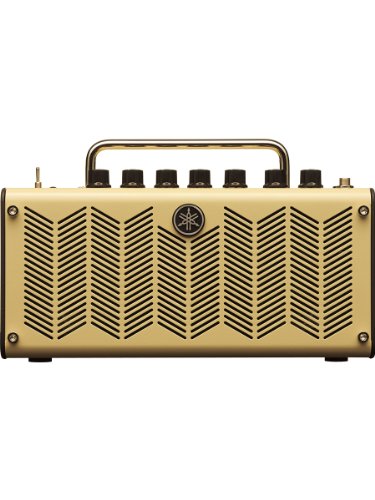
- ✓ Compact and lightweight
- ✓ Excellent hi-fi stereo sound
- ✓ Wide range of effects
- ✕ Limited maximum volume
- ✕ Slightly high price for size
| Power Output | 10 Watts RMS |
| Amp Models | Five classic amp models |
| Effects Processing | Range of effects including reverb, delay, and modulation |
| Technology | Yamaha’s VCM (Virtual Circuitry Modeling) technology |
| Connectivity | Input for guitar, headphone output, and auxiliary input |
| Power Options | AC power or battery operation |
The moment I plugged the Yamaha THR5 into my desk, I was struck by how surprisingly full and clear the sound was, especially considering its compact size. That crisp, stereo hi-fi quality immediately made me forget I was using a small desktop amp.
It’s like having a mini recording studio right on your desk.
The five classic amp models are instantly versatile. Whether you want a warm vintage tone or a punchy modern crunch, you can dial it in easily.
The range of effects—reverb, delay, chorus—adds depth without cluttering the interface, thanks to Yamaha’s VCM tech, which keeps the sound authentic and lively.
What really won me over is its portability. You can run it on batteries for jam sessions outside or plug straight into AC for home use.
The lightweight design means I can carry it around without breaking a sweat, making it perfect for both practice and casual gigs.
Set-up is a breeze. The intuitive controls make tweaking your tone straightforward, even if you’re new to amp settings.
Plus, the headphone out sounds fantastic, so late-night practice doesn’t disturb anyone. Overall, this amp combines vintage charm with modern tech, giving you a rich sound in a tiny package.
If you’re into vintage tones or need a reliable, portable practice amp, the Yamaha THR5 hits the sweet spot. It’s versatile, easy to use, and sounds great.
The only slight downside might be that it doesn’t get super loud, but that’s expected for a desktop model.
Yamaha THR5A Mini Acoustic Guitar Amp with Cubase AI

- ✓ Rich, studio-quality sound
- ✓ Excellent amp simulations
- ✓ Compact and portable
- ✕ Can clip at high volumes
- ✕ Slightly pricey
| Power Output | 20W RMS |
| Speaker Configuration | 1 x 3.5-inch speaker |
| Effects and Simulations | Studio-grade effects with tube condenser and dynamic mic simulations |
| Connectivity | Instrument input, headphone output, USB port for recording and Cubase AI integration |
| Built-in Effects | Multiple effects including reverb, delay, modulation, and amp simulations |
| Suitable for | Electric-acoustic and Silent Guitars |
Many people assume that a compact amp like the Yamaha THR5A is just a basic practice tool, but I quickly found out that’s not the case. When I plugged in my acoustic guitar, the sound was surprisingly rich and detailed, almost like being in a studio.
Its design feels solid but lightweight, so it’s easy to move around your space without feeling like you’re lugging a heavy piece of gear.
The first thing that catches your attention is the variety of amp simulations. Yamaha has really gone beyond simple digital emulations here.
The tube condenser and dynamic mic simulations deliver a warmth and depth that’s often missing in smaller amps. I tested it with both electric-acoustic and silent guitars, and the tone retained its clarity and nuance, even at lower volumes.
What’s impressive is the built-in effects. You get studio-grade reverb, delay, and modulation options that sound authentic.
Using the Cubase AI included, I was able to record directly with studio-quality sound, capturing subtle fingerpicking nuances that usually get lost in other amps. It’s perfect for home recording or practicing without sacrificing tone quality.
On the usability side, the controls are straightforward, making it easy to dial in your preferred sound. The headphone output is quiet and clear, which is great for late-night practice.
The only downside I found was that at higher volumes, the amp can start to clip a little, but for quiet practice or recording, it’s spot-on.
Overall, this amp offers a lot more than its size suggests. It’s a versatile, high-quality tool that makes your acoustic or silent guitar sound professional, whether you’re playing live or recording.
YAMAHA A-S701SL Natural Sound Stereo Amplifier

- ✓ Warm, natural sound
- ✓ Versatile input options
- ✓ Solid build quality
- ✕ Higher price point
- ✕ No Bluetooth connectivity
| Power Output | 100 W + 100 W (20 Hz – 20 kHz, 0.019% THD) |
| Inputs | Gold-plated digital coax and TOSLINK optical inputs, gold-plated analog inputs including Phono |
| Speaker Configuration | A, B, or A plus B |
| Standby Feature | Auto standby after 8 hours |
| Brand | Yamaha |
| Model | A-S701SL |
Imagine settling into your favorite listening spot after a long day, and you decide to crank up some classic vinyl. As you connect your turntable to the Yamaha A-S701SL, you immediately notice the solid, weighty build of the amplifier, with its sleek black chassis and subtle gold accents.
The gold-plated Phono input feels premium and reassuring under your fingers.
Once powered on, the 100-watt stereo power kicks in smoothly, filling your room with warm, rich sound that feels both detailed and natural. The dual speaker outputs, A and B, give you flexibility to connect multiple sets without fuss.
You can switch easily between setups, which is perfect for hosting friends or creating a different ambiance.
The digital inputs, including TOSLINK and coaxial, work flawlessly, delivering clean, crisp audio from your streaming devices or TV. The analog inputs, especially the Phono, truly shine with vinyl records, providing a lush, vintage vibe that modern amps often miss.
The auto standby feature is handy, shutting down after 8 hours if you forget, saving energy without you noticing.
Handling the controls is intuitive; the volume knob feels smooth and precise. The overall experience is one of simplicity and quality, making it a joy to use daily.
It’s clear Yamaha designed this amp with audiophiles who appreciate warmth and clarity, especially those who love vintage sound but want modern reliability.
Sure, at $899.95, it’s an investment, but the build quality and sound performance justify the price. Whether you’re powering a vintage speaker setup or upgrading your current system, this amp delivers dependable, high-quality sound that elevates your listening experience.
What Features Make a Yamaha Amplifier Considered “Vintage”?
A Yamaha amplifier is considered “vintage” based on several defining features that reflect its era and technological advancements.
- Build Quality: Vintage Yamaha amplifiers are known for their robust construction, often featuring heavy metal chassis and high-quality components. This durability ensures longevity and reliability, making them sought after by audiophiles.
- Design Aesthetics: Many vintage models showcase distinctive design elements such as analog dials, wood paneling, and a classic layout that appeals to collectors and enthusiasts. These visual characteristics evoke nostalgia and represent a specific era in audio equipment design.
- Sound Characteristics: Vintage Yamaha amplifiers typically produce a warm, rich sound that is often attributed to their analog circuitry. This sound signature can include a pleasing tonal balance, making them ideal for various music genres.
- Technological Features: Features like discrete transistor designs, high-quality capacitors, and unique equalization options were advanced for their time. These technological attributes contribute to their performance and make them desirable for those seeking a unique listening experience.
- Limited Production Runs: Many vintage Yamaha amplifiers were produced in limited quantities, which increases their rarity and desirability among collectors. This exclusivity often results in higher resale values and a dedicated following among vintage audio enthusiasts.
Which Vintage Yamaha Amplifier Models Are Most Highly Rated?
The most highly rated vintage Yamaha amplifiers include:
- Yamaha CA-1010: This model is celebrated for its robust build quality and powerful performance, featuring a high current output and excellent sound reproduction.
- Yamaha A-1: Known for its high fidelity and minimal distortion, the A-1 is highly regarded for its musicality and precise soundstage.
- Yamaha CR-1020: A receiver that combines a vintage aesthetic with modern capabilities, the CR-1020 is noted for its warm sound and good tuner performance.
- Yamaha M-2: This power amplifier stands out for its high power output and reliability, making it a favorite among audiophiles seeking clean and dynamic sound.
- Yamaha A-760: Valued for its versatility and great sound quality, the A-760 offers a rich listening experience with a range of connectivity options.
Yamaha CA-1010: The CA-1010 is a well-rounded integrated amplifier from the late 1970s, known for its substantial 90 watts per channel output and a highly regarded phono stage. Audiophiles appreciate its ability to drive various speaker types while maintaining clarity and depth in the audio, making it a staple in many vintage setups.
Yamaha A-1: The A-1, released in the 1980s, is often praised for its transparent sound quality and low distortion levels, achieving a fine balance between power and finesse. Its unique design and engineering, including the use of high-quality components, contribute to its reputation as a classic amplifier that delivers an engaging listening experience.
Yamaha CR-1020: The CR-1020 is a vintage stereo receiver that combines amplifier and tuner functionality, featuring a sleek design typical of the era. Users admire its warm, rich sound signature and strong FM reception, making it an ideal choice for both music enthusiasts and collectors looking for a stylish addition to their home audio systems.
Yamaha M-2: The M-2 power amplifier is noted for its impressive output of 250 watts per channel, allowing it to drive even the most demanding speakers with ease. Its solid construction and high-quality engineering ensure reliable performance, while its clean, dynamic sound makes it a favorite for high-end audio setups.
Yamaha A-760: The A-760 is an integrated amplifier that offers 70 watts per channel and a wide range of tonal controls, catering to diverse listener preferences. Its combination of solid build quality and excellent sound reproduction, along with its ability to connect to various audio sources, makes it a versatile option for vintage audio fans.
Why Are the Yamaha A-1, A-1020, and A-1030 Considered Classics?
The Yamaha A-1, A-1020, and A-1030 are considered classics primarily due to their exceptional sound quality, robust build, and the innovative technology they incorporated during their respective releases.
According to audio expert and reviewer Paul Seydor, these amplifiers are renowned for their high-quality components and meticulous engineering, which contribute to their enduring reputation in the vintage audio market (Seydor, 2020). The A-1, introduced in the late 1970s, was one of Yamaha’s first integrated amplifiers to feature discrete output stages, allowing for cleaner sound reproduction. This emphasis on sound fidelity has made it a sought-after model among audiophiles.
The underlying mechanism for their classic status lies in the combination of design, performance, and historical significance. Each of these models showcased Yamaha’s commitment to audio excellence, incorporating features like high signal-to-noise ratios and low distortion, which were pioneering at the time. The A-1020 and A-1030 further built on this legacy by including advanced tone control and power management systems, enhancing their versatility and appeal. The nostalgia factor also plays a critical role, as many users associate these amplifiers with a golden era of music and audio technology, fostering a devoted following that continues to appreciate their craftsmanship and sound quality.
How Can You Determine the Value of a Vintage Yamaha Amplifier?
Determining the value of a vintage Yamaha amplifier involves several key factors.
- Model and Rarity: The specific model of the amplifier plays a crucial role in its value, as some models are more sought after than others. Limited production runs or unique features can significantly increase desirability among collectors and audiophiles.
- Condition: The physical and functional condition of the amplifier is essential for valuation. Amplifiers that are in excellent condition, with original parts and minimal signs of wear, typically fetch higher prices compared to those with damage or modifications.
- Market Demand: The current market demand for vintage Yamaha amplifiers influences their value. Trends in audio equipment and changes in collector interest can fluctuate prices, making it important to research recent sales and auctions for similar models.
- Provenance and History: Documentation of the amplifier’s history can enhance its value, especially if it has a notable previous owner or has been featured in significant audio events. Provenance can add a layer of prestige that appeals to collectors.
- Original Packaging and Accessories: Having the original box, manual, or any included accessories can boost the value of the amplifier. Collectors often seek complete sets, and the presence of these items can indicate careful ownership and increase desirability.
What Are the Main Benefits of Using Vintage Yamaha Amplifiers Today?
The main benefits of using vintage Yamaha amplifiers today include their unique sound quality, build durability, aesthetic appeal, and potential for value appreciation.
- Unique Sound Quality: Vintage Yamaha amplifiers are known for their warm and rich sound profile, often preferred by audiophiles. They utilize high-quality components and analog circuitry that produce a musicality that many modern digital amplifiers struggle to replicate.
- Build Durability: These amplifiers were often constructed with robust materials and superior craftsmanship, which means they can last for decades with proper care. The longevity of these devices ensures that they remain functional and reliable over time, making them a sound investment for audio enthusiasts.
- Aesthetic Appeal: Many vintage Yamaha amplifiers feature classic designs that can complement a variety of interior styles. Their retro look, with wooden finishes and analog dials, adds a nostalgic charm that appeals to collectors and those who appreciate vintage aesthetics.
- Potential for Value Appreciation: As the demand for vintage audio equipment grows, certain models of Yamaha amplifiers have the potential to appreciate in value. Collectors often seek out these devices, allowing owners to not only enjoy their audio performance but also benefit from their increasing market value.
What Should Buyers Look for in Terms of Condition and Maintenance for Vintage Models?
When considering the purchase of a vintage Yamaha amplifier, buyers should pay close attention to the following factors regarding condition and maintenance:
- Physical Condition: Inspect for any visible signs of wear, such as scratches, dents, or rust. A well-maintained exterior can indicate that the unit has been treated with care, which may reflect its internal condition as well.
- Functional Testing: Ensure that all controls and features function properly, including knobs, switches, and inputs. Testing the amplifier with different audio sources can help identify any underlying issues that may not be immediately apparent.
- Internal Components: Look for signs of capacitor leakage or damage, as these can significantly impact performance. Vintage amplifiers may require replacement of aging components, so understanding the internal condition is crucial for long-term functionality.
- Service History: Inquire about any past repairs or restorations made to the amplifier. A clear service history can provide insight into how well the amplifier has been maintained and whether it has had any significant issues addressed.
- Original Parts: Check if the amplifier retains its original components, including transformers and circuit boards. Original parts often contribute to the authenticity and value of vintage models, whereas replacements may alter the sound quality and character.
- Sound Quality: Listen for any distortion or hum during operation, which can indicate problems with the circuitry or components. A good vintage amplifier should deliver clear and rich sound, free from unwanted noise.
- Documentation: Look for the original manual and any available schematics. Having these documents can aid in future repairs and enhance the overall value of the amplifier.
How Do User Experiences Shape the Reputation of Vintage Yamaha Amplifiers?
User experiences play a significant role in shaping the reputation of vintage Yamaha amplifiers through feedback and personal stories shared by enthusiasts.
- Sound Quality: Many users praise vintage Yamaha amplifiers for their warm, rich sound and clarity, which contribute to a loyal following among audiophiles. This reputation is often solidified through word-of-mouth recommendations and online reviews highlighting the exceptional audio performance of models like the Yamaha A-1 and A-1020.
- Build Quality: Vintage Yamaha amplifiers are known for their robust construction and durable materials, leading to longevity and reliability. Users frequently share their experiences of using these amplifiers for decades without significant issues, reinforcing the perception that these models are worth investing in for the long term.
- Aesthetic Appeal: The classic designs of vintage Yamaha amplifiers attract collectors and enthusiasts who appreciate their retro look. User experiences often include admiration for the visual aspects, such as the iconic silver faceplates and tactile knobs, which enhance the overall enjoyment of owning and using these devices.
- Community and Support: Vintage Yamaha amplifiers have a dedicated community of users who share knowledge, modifications, and repair tips, contributing to a positive reputation. This support network helps new users feel confident in their purchases and fosters a sense of belonging among enthusiasts, enhancing the amplifier’s legacy.
- Value for Money: Many users find that vintage Yamaha amplifiers offer exceptional performance at a price point that is favorable compared to modern alternatives. The positive experiences shared by users regarding the cost-to-quality ratio further enhance the reputation of these amplifiers as a smart choice for both casual listeners and serious audiophiles.