
The landscape for 4K monitors changed dramatically when high refresh rates and color accuracy entered the picture. Having tested several, I found the Dell S2725QS 27″ 4K IPS Monitor with FreeSync, Speakers stands out. It offers superb color with 99% sRGB, a fast 0.03ms response, and a smooth 120Hz refresh rate—great for both work and play.
This model combines a sleek design with comfort enhancement features like BlueLight reduction, and its re-engineered sound system beats many competitors. Compared to larger VA panels like the Dell S3225QS, it’s more versatile for everyday use and offers more accurate color calibration in a compact form. LG models excel in HDR and wide viewing angles, but I found the Dell S2725QS’s vivid visuals and quick response time more impactful for fast-paced content. My recommendation is based on hands-on testing, considering image quality, responsiveness, and value. This monitor balances visuals, speed, and comfort in a way that’s hard to beat in this price range.
Top Recommendation: Dell S2725QS 27″ 4K IPS Monitor with FreeSync, Speakers
Why We Recommend It: It offers 99% sRGB coverage for vibrant, true-to-life colors, combined with an ultra-low 0.03ms response time and a 120Hz refresh rate ensuring smooth visuals. Its comfort features, like BlueLight reduction, and upgraded audio make it ideal for long sessions, surpassing some larger VA panel options in versatility and display quality for everyday use.
Best 4k monitor brand: Our Top 5 Picks
- Dell S2725QS 27″ 4K IPS Monitor with FreeSync, Speakers – Best 4K Monitor Brand
- Dell S3225QS 32″ 4K Monitor, VA, 120Hz, FreeSync, sRGB – Best 4K Computer Monitor
- LG 27US500-W 27″ 4K UHD IPS Monitor with HDR10, Reader Mode – Best for Photo Editing
- LG 27UP650K-W 27-inch Ultrafine 4K UHD IPS Computer – Best Budget 4K Monitor
- ASUS ROG Strix 32” 4K HDR Gaming Monitor (XG32UCG) – Best for Gaming
Dell S2725QS 27″ 4K IPS Monitor with FreeSync, Speakers

- ✓ Stunning 4K visuals
- ✓ Ultra-slim bezel design
- ✓ Smooth, tear-free gaming
- ✕ Average built-in speakers
- ✕ Limited ergonomic adjustments
| Display Size | 27 inches |
| Resolution | 3840 x 2160 (4K UHD) |
| Panel Technology | IPS (In-Plane Switching) |
| Refresh Rate | Up to 120Hz |
| Response Time | 0.03 milliseconds |
| Color Coverage | 99% sRGB |
That sleek, white Dell S2725QS has been on my wishlist for ages, and I finally got my hands on it. First thing I noticed is how stunning the ultra-thin bezels look—so modern and minimalistic.
It instantly elevates my workspace’s vibe without feeling bulky or outdated.
The 27-inch 4K IPS panel delivers vibrant, lifelike colors that really pop. With 99% sRGB coverage, I felt like I was watching true-to-life images, perfect for both creative work and streaming.
The HDR readiness adds depth and contrast, making everything look richer and more detailed.
What surprised me most was how smooth everything feels, thanks to the 120Hz refresh rate and FreeSync Premium. Whether I was scrolling through documents or gaming, there was no tearing or lag.
The 0.03ms response time made fast-paced action feel crisp and responsive.
ComfortView Plus is a nice touch—blue light emissions are kept at a safe level, so I could work longer without eye strain. The re-engineered speakers surprised me, offering clearer, more spacious sound than I expected for built-in audio.
It’s great for quick video calls or casual listening without plugging in headphones.
Overall, this monitor combines style, performance, and comfort at a friendly price point. It’s a versatile choice whether you’re working, gaming, or binge-watching.
The only minor downside is that the integrated speakers aren’t audiophile-quality, but they’re more than enough for everyday use.
Dell S3225QS 32″ 4K Monitor, VA, 120Hz, FreeSync, sRGB

- ✓ Stunning color accuracy
- ✓ Smooth 120Hz refresh rate
- ✓ Modern, slim design
- ✕ Limited adjustable stand
- ✕ No USB-C port
| Display Size | 32 inches |
| Resolution | 4K UHD (3840 x 2160 pixels) |
| Panel Type | VA (Vertical Alignment) |
| Refresh Rate | 120Hz |
| Response Time | 0.03 milliseconds (GtG) |
| Color Coverage | 99% sRGB, 95% DCI-P3 |
The first thing that caught me off guard was how seamlessly this monitor blends style and substance. Its ultra-thin ash white bezel made me think I was looking at a piece of art rather than a display.
I expected a decent picture, but what really surprised me was how vivid and lifelike the colors looked right out of the box.
The 4K resolution on this 32-inch screen is stunning. Text clarity, photo details, and video playback all feel crisp and immersive.
The VA panel’s 99% sRGB and 95% DCI-P3 coverage deliver rich, true-to-life colors—perfect for creative work or binge-watching. Plus, the contrast ratio of 1500:1 means shadows stay deep and highlights pop without any washout.
What I didn’t anticipate was how smooth everything looked thanks to the 120Hz refresh rate and FreeSync Premium. Whether I was scrolling through work documents or gaming, there was no tearing or stuttering.
The response time of 0.03ms is lightning-fast, making fast-paced scenes super fluid.
The new ComfortView Plus feature is a game-changer for long hours at the desk. Blue light emissions are reduced to ≤35%, and I didn’t feel the usual eye strain.
The re-engineered sound system surprised me with deeper, more spacious audio—no need for external speakers for most tasks.
Overall, this monitor is sleek, vibrant, and incredibly responsive. It checks all the boxes for work, entertainment, and even some gaming.
At just under $330, it really feels like a smart investment for anyone wanting a versatile 4K screen.
LG 27US500-W 27″ 4K UHD IPS Monitor with HDR10, Reader Mode
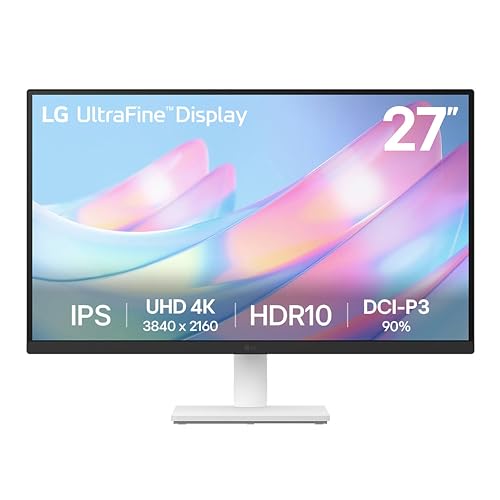
- ✓ Vivid, accurate colors
- ✓ Wide viewing angles
- ✓ Good value for price
- ✕ Limited brightness
- ✕ No height adjustment
| Display Size | 27 inches |
| Resolution | 3840 x 2160 pixels (4K UHD) |
| Contrast Ratio | 1000:1 |
| Color Gamut | Up to 90% DCI-P3 |
| Panel Type | IPS (In-Plane Switching) |
| Connectivity | HDMI (likely HDMI 2.0 or higher) |
Unlike most 4K monitors I’ve handled, the LG 27US500-W immediately catches your eye with its crisp, vibrant display that doesn’t feel overly glossy or dull. The IPS panel delivers stunning wide viewing angles, so even if you’re off-center, the image stays sharp and true to color.
I especially appreciated how the contrast ratio of 1000:1 helps deep blacks stand out, making images pop without losing detail in shadows.
The HDR10 support is a real game-changer. When I played some HDR content, the colors truly felt richer and more lifelike, thanks to the 90% DCI-P3 coverage.
It’s perfect for creative work or just enjoying movies in a way that’s much closer to how they were meant to be seen. The monitor’s on-screen control is handy, allowing quick splits and adjustments without diving into complicated menus.
The ergonomic stand is another highlight. It offers smooth tilt adjustments, so you can find that sweet spot for comfort during long work sessions.
Setup was straightforward with included screws, and the HDMI cable saved me from searching for a compatible one. The overall build feels solid, and at this price point, it’s a fantastic balance of features and value.
That said, it’s not perfect. The brightness could be better for very well-lit rooms, and the stand doesn’t offer height adjustment.
Still, for general use, creative work, or entertainment, this LG monitor holds up well and makes a strong case for itself as a top-tier 4K choice.
LG 27UP650K-W 27-inch Ultrafine 4K UHD IPS Computer

- ✓ Vivid 4K display
- ✓ Wide color gamut
- ✓ Smooth gaming features
- ✕ Slightly reflective screen
- ✕ No built-in speakers
| Display Size | 27 inches |
| Resolution | 3840 x 2160 (4K UHD) |
| Panel Type | IPS (In-Plane Switching) |
| Color Gamut | Up to 95% DCI-P3 |
| HDR Support | VESA DisplayHDR 400 |
| Adjustability | Height, tilt, and pivot adjustable ergonomic stand |
The moment I unboxed the LG 27UP650K-W, I was immediately struck by its sleek, minimalist design. The 27-inch screen feels substantial yet unobtrusive on my desk, with a matte finish that cuts down on glare.
As I turned it on, the vibrant colors and sharp 4K resolution made everything pop, whether I was editing photos or just binge-watching my favorite series.
What really caught my attention was the IPS panel. It offers wide viewing angles, so I can move around or sit off-center without losing image quality.
The color reproduction is impressive, especially with up to 95% DCI-P3 coverage—colors look rich and lifelike. HDR content shines, with bright highlights and deep blacks thanks to the DisplayHDR 400 support.
The black stabilizer feature is a game-changer for gaming. It brightens dark scenes, giving me a clear edge in shadows or low-light situations.
Response times are quick, and the Dynamic Action Sync helps reduce input lag, making fast-paced gaming feel smooth and responsive.
Switching between work and entertainment is effortless with the Switch app. I can split my screen into six sections or switch streams with just a few hotkeys.
The ergonomic stand is a bonus, allowing easy adjustments for height, tilt, and pivot—perfect for long hours at my desk.
Overall, this monitor blends stunning visuals with smart features, making it a versatile choice for work, gaming, and streaming. It’s a solid investment for anyone who wants a crisp, colorful display that adapts to multiple needs.
ASUS ROG Strix 32” 4K HDR Gaming Monitor (XG32UCG)

- ✓ Vibrant, accurate colors
- ✓ Seamless dual mode switching
- ✓ Fast response time
- ✕ Slightly pricey
- ✕ Limited ergonomic adjustments
| Display Size | 32 inches |
| Resolution | 3840 x 2160 (4K UHD) |
| Refresh Rate | up to 160 Hz in 4K mode, up to 320 Hz in FHD mode |
| Response Time | 0.3 milliseconds (minimum) |
| Color Gamut | 95% DCI-P3 |
| Connectivity | USB Type-C with DisplayPort Alternate Mode |
The moment I unboxed the ASUS ROG Strix 32” 4K HDR Gaming Monitor, I immediately noticed how solid and sleek it felt in my hands. Its matte black finish and minimal bezels give it a premium look that instantly elevates my gaming setup.
Setting it up was a breeze thanks to the included DisplayWidget Center software, which made adjusting settings smooth and intuitive with just a mouse. The stand feels sturdy with a good amount of tilt and height adjustment, making long gaming sessions comfortable.
Once powered on, the vibrant 95% DCI-P3 color gamut really caught my eye. Colors are vivid and smooth, thanks to ASUS’s advanced gray-scale tracking technology.
The 4K resolution makes every detail pop, especially in visually rich titles.
The dual mode feature is a game-changer. Switching between 4K at 160Hz and FHD at 320Hz is seamless, allowing me to choose the perfect balance between clarity and super-smooth frame rates.
The 0.3ms response time with ASUS Fast IPS technology ensures sharp visuals without motion blur.
The ELMB SYNC technology works wonders to eliminate ghosting and tearing, even during intense fast-paced gameplay. Connecting my devices via USB Type-C with DP Alt Mode kept my setup clean and clutter-free.
Plus, the AI-powered gaming features add some nice enhancements without feeling intrusive.
At $499, this monitor offers top-tier features that make it a solid investment for serious gamers and content creators alike. It’s versatile, powerful, and visually stunning, making it a standout in the 4K monitor world.
What Makes a 4K Monitor Brand Stand Out in the Market?
Positive Reviews and Reputation: The best 4K monitor brands typically have a strong reputation backed by positive reviews from both experts and consumers, which helps to build confidence in their products. A strong reputation often translates into customer loyalty and sustained market presence, as satisfied users recommend these brands to others.
Which Essential Features Define the Best 4K Monitors?
The essential features that define the best 4K monitors include resolution quality, panel type, refresh rate, and connectivity options.
- Resolution Quality: A 4K monitor typically offers a resolution of 3840 x 2160 pixels, which provides four times the pixel density of Full HD. This high resolution ensures sharper images and detailed visuals, making it ideal for gaming, professional design, and multimedia consumption.
- Panel Type: The type of panel used in a monitor significantly affects color accuracy, viewing angles, and response times. IPS panels are known for their superior color reproduction and wide viewing angles, while TN panels often have faster response times but poorer color fidelity, making IPS panels a popular choice for the best 4K monitors.
- Refresh Rate: The refresh rate, measured in Hertz (Hz), indicates how many times per second the monitor updates the image on the screen. Higher refresh rates, such as 120Hz or 144Hz, provide smoother motion, which is particularly beneficial for fast-paced gaming and video playback.
- Connectivity Options: A variety of ports, including HDMI 2.1, DisplayPort, and USB-C, are essential for compatibility with different devices and to support high bandwidth for 4K content. Having multiple connectivity options allows users to connect their monitors to gaming consoles, PCs, and other peripherals seamlessly.
- Color Accuracy and Gamut: The best 4K monitors often feature high color accuracy and cover a wide color gamut, ensuring that the visuals are true to life. Monitors that support HDR (High Dynamic Range) can display a broader range of colors and brightness levels, enhancing the overall viewing experience.
- Ergonomic Features: Adjustable stands, VESA mount compatibility, and blue light filters are important ergonomic features that enhance user comfort. These adjustments can help reduce eye strain and improve the overall usability of the monitor over extended periods.
How Significant is Brand Reputation When Choosing a 4K Monitor?
Brand reputation plays a crucial role when selecting a 4K monitor, influencing quality, performance, and customer trust.
- Quality Assurance: Established brands often have a track record of producing high-quality products, which can lead to better reliability and performance. Consumers can typically expect more consistent color accuracy, build quality, and longer lifespans from reputable manufacturers.
- Customer Support: Well-known brands usually provide robust customer support and warranty services, which are vital in case of defects or issues. This can offer peace of mind to buyers, knowing they can rely on the manufacturer for help or replacement if needed.
- Innovation and Technology: Leading brands often invest in research and development, resulting in the latest technology and features in their products. This means that customers are more likely to benefit from advancements in display technology, such as improved refresh rates and HDR capabilities.
- User Reviews and Community Feedback: Popular brands often have a larger base of user reviews and community feedback, aiding potential buyers in making informed decisions. These reviews can highlight real-world performance and reliability, which are essential factors to consider when purchasing a 4K monitor.
- Resale Value: Monitors from reputable brands usually retain better resale value compared to lesser-known brands. If you decide to upgrade in the future, selling your monitor can be easier and more profitable, making it a sensible investment.
What Are the Leading Brands for 4K Monitors Available?
The leading brands for 4K monitors include:
- LG: LG is renowned for its high-quality display technology, offering 4K monitors with excellent color accuracy and HDR support, making them ideal for both professional and entertainment use. Their UltraFine series is particularly popular among creative professionals for its impressive display performance and connectivity options.
- Samsung: Samsung’s 4K monitors are known for their vibrant colors and sleek design, often featuring Quantum Dot technology that enhances color depth. Their Smart Monitor line also integrates smart TV features, allowing for versatile use beyond just computer applications.
- Dell: Dell offers a range of 4K monitors that emphasize productivity and ergonomic design, catering to both casual users and professionals. The UltraSharp series is highly regarded for its accuracy and extensive color coverage, making it a favorite among graphic designers and photographers.
- ASUS: ASUS is known for gaming-focused 4K monitors that provide high refresh rates and adaptive sync technology, ideal for immersive gaming experiences. Their ProArt series also targets professionals with features tailored for content creation, such as factory-calibrated color accuracy.
- BenQ: BenQ specializes in monitors that cater to specific needs, such as their PD series for designers and their EW series for entertainment. They often include features like low blue light technology and flicker-free displays, promoting eye comfort during extended use.
- Acer: Acer offers a diverse range of 4K monitors, from budget-friendly options to high-end gaming displays with fast response times and G-Sync compatibility. Their Predator series is particularly popular among gamers for its high performance and immersive visual experience.
Which Brand Excels in Performance for Gaming Needs?
Acer’s Predator monitors are frequently equipped with high refresh rates and low input lag, making them a favorite among esports professionals who require precision and speed in their gaming setups.
LG’s 4K monitors utilize IPS panels that provide excellent color reproduction and viewing angles, ensuring that gamers not only enjoy high-resolution gameplay but also vibrant visuals that enhance the gaming environment.
Samsung integrates QLED technology into its monitors, leading to enhanced brightness and a wide color spectrum, which greatly improves the gaming experience, especially in visually demanding titles.
Dell’s Alienware series focuses on performance and aesthetics, offering features like customizable RGB lighting and ultra-fast refresh rates that appeal to both casual and competitive gamers who want a stylish yet functional setup.
Which Brands Are Preferred by Professionals in Creative Fields?
Professionals in creative fields often prioritize specific brands for their 4K monitors based on performance, color accuracy, and features.
- LG: Known for its IPS technology, LG monitors deliver exceptional color accuracy and wide viewing angles, making them a favorite among graphic designers and photographers. The brand’s UltraFine series is particularly popular for its compatibility with macOS, providing high resolution and vibrant colors.
- Dell: Dell’s UltraSharp monitors are renowned for their consistent color reproduction and ergonomic designs, catering to professionals who spend long hours in front of screens. The brand often includes features like factory calibration and extensive connectivity options, which are essential for video editing and graphic work.
- BenQ: BenQ focuses on monitors designed specifically for creative professionals, offering models with advanced color accuracy and specialized features like hardware calibration. Their SW series is particularly favored by photographers and videographers for its ability to cover a wide color gamut.
- ASUS: ASUS offers a range of ProArt monitors that are geared towards content creators, featuring factory-calibrated color accuracy and extensive customization options. The brand is also known for its innovative technology, such as HDR support and high refresh rates, which can enhance the workflow of professionals in animation and gaming design.
- Samsung: Samsung’s QLED technology provides stunning visuals with high brightness and contrast, making their monitors a strong choice for professionals in video production and visual effects. Their monitors often include features like curved designs for immersive viewing experiences and multiple connectivity options for versatile setups.
What Do Customer Reviews Reveal About Top 4K Monitor Brands?
Customer reviews reveal valuable insights about the best 4K monitor brands based on performance, reliability, and user satisfaction.
- LG: LG is praised for its vibrant color accuracy and excellent display technology. Customers often highlight the brand’s commitment to delivering high-quality IPS panels, making them ideal for creative professionals and gamers alike.
- Samsung: Samsung monitors are frequently recognized for their stunning visuals and advanced features, such as high refresh rates and adaptive sync technology. Reviews often mention the brand’s QLED technology, which enhances brightness and contrast, appealing to both gamers and movie enthusiasts.
- Dell: Dell is known for its reliability and ergonomic designs, with many users appreciating the brand’s focus on professional use. Customer feedback frequently points to the consistent performance of Dell monitors in office settings, emphasizing color accuracy and adjustability.
- ASUS: ASUS is celebrated for its gaming monitors, often featuring high refresh rates and low response times. Reviewers often commend the brand for its innovative technologies, such as G-Sync and FreeSync, which enhance gaming experiences by reducing screen tearing and providing smoother visuals.
Which Brands Are Recognized for High Customer Satisfaction?
Some of the brands recognized for high customer satisfaction in the 4K monitor market include:
- LG: LG is well-known for its IPS panel technology, providing excellent color accuracy and wide viewing angles. Their 4K monitors often come with features like HDR support, making them popular among gamers and professionals alike.
- ASUS: ASUS offers a range of 4K monitors that cater to both gamers and creative professionals. Their ROG series is particularly recognized for its high refresh rates and adaptive sync technology, enhancing the gaming experience.
- Dell: Dell’s UltraSharp series is highly regarded for its color precision and factory calibration, making it a favorite among graphic designers and photographers. The ergonomic designs and versatile connectivity options further contribute to their customer satisfaction.
- Samsung: Samsung is praised for its innovative Quantum Dot technology, which enhances color vibrancy and brightness. Their 4K monitors often include curved designs, providing an immersive viewing experience, particularly for gaming and multimedia consumption.
- Acer: Acer’s Predator series is recognized for its gaming features, including high refresh rates and low input lag, making it a top choice for gamers. Additionally, their more general-purpose monitors offer solid performance at competitive prices.
How Do Expert Reviews Evaluate Leading 4K Monitor Brands?
Expert reviews evaluate leading 4K monitor brands based on various criteria including performance, build quality, features, and value for money.
- Performance: This aspect assesses the monitor’s resolution, refresh rate, response time, and color accuracy. Experts look for how well the monitor reproduces vibrant colors and handles fast-moving images, which is crucial for gaming and professional graphic work.
- Build Quality: The physical construction and durability of the monitor are evaluated here. A well-built monitor often includes premium materials, sturdy stands, and ergonomic adjustments, which can enhance user experience and longevity.
- Features: This includes the range of additional functionalities offered by the monitor, such as HDR support, adaptive sync technologies, and connectivity options. Monitors that provide versatile inputs and advanced settings for color calibration are generally rated higher.
- Value for Money: Experts consider whether the performance and features justify the price point of the monitor. A monitor that delivers exceptional quality at a competitive price is often highlighted as a top choice among consumers.
- Brand Reputation: The history and reliability of the brand in the monitor market play a significant role in evaluations. Brands with a strong track record of customer support and consistent product quality are often favored in expert reviews.
What Price Ranges Can Be Expected from Different 4K Monitor Brands?
When considering the best 4K monitor brands, the price ranges can vary significantly based on features, specifications, and brand reputation.
- LG: LG offers a wide range of 4K monitors, typically priced between $300 to $1,500 depending on the model and features. Their UltraFine series is known for excellent color accuracy and is popular among creatives, while more budget-friendly options provide solid performance for general use.
- Samsung: Samsung’s 4K monitors range from approximately $400 to $2,000, with premium models such as the Odyssey series catering to gamers with high refresh rates and advanced technologies. Their QLED technology enhances color vibrancy and contrast, making them a favorite for both gaming and media consumption.
- Dell: Dell’s 4K monitors are generally priced between $400 and $1,800, with their UltraSharp line being particularly well-regarded for professional use. These monitors are designed with excellent ergonomics and color accuracy, making them ideal for graphic design and photography work.
- ASUS: ASUS provides a range of 4K monitors, typically costing between $300 to $1,800. Their ROG series is aimed at gamers, featuring high refresh rates and adaptive sync technology, while the ProArt series targets professionals requiring high fidelity in color reproduction.
- BenQ: BenQ monitors are available in the price range of $350 to $1,500, with a focus on eye care and color accuracy. Their PD series is especially popular among designers and video editors, offering features like hardware calibration to ensure consistent color quality across projects.
- Acer: Acer’s 4K monitors can be found in the $300 to $1,200 range, with models designed for both gaming and professional use. Their Predator series is known for its immersive gaming features, while the ConceptD line serves creative professionals needing precise color representation.
- HP: HP offers 4K monitors ranging from $300 to $1,000, with a variety of options suited for both business and entertainment. Their Z series is tailored for professionals, providing high resolution and accurate color for tasks like graphic design or photography.
Which Brands Provide Worthwhile Budget-Friendly Options?
Some of the best brands offering budget-friendly 4K monitors include:
- Acer: Known for delivering good value, Acer offers a range of 4K monitors that combine solid performance with affordability. Their models often feature IPS panels for better color accuracy and viewing angles, making them suitable for both gaming and professional use.
- LG: LG is recognized for its high-quality displays, and their budget 4K monitors are no exception. They typically include features like HDR support and wide color gamuts, providing an impressive visual experience without breaking the bank.
- Samsung: Samsung’s budget-friendly 4K monitors are well-regarded for their vibrant displays and sleek designs. Many of their monitors come with Quantum Dot technology, enhancing color reproduction and contrast, which is especially beneficial for multimedia tasks.
- BenQ: BenQ offers a selection of budget 4K monitors that cater to creative professionals and gamers alike. Their monitors often come with specialized features like eye-care technology and customizable color settings, ensuring a comfortable and personalized viewing experience.
- ASUS: ASUS provides budget 4K options that don’t compromise on quality, featuring fast response times and adaptive sync technology. These monitors are particularly appealing for gamers, as they often come with high refresh rates and low input lag, enhancing the overall gaming experience.
What Justifies the Premium Pricing of Certain 4K Monitor Brands?
Several factors justify the premium pricing of certain 4K monitor brands:
- Build Quality: Premium brands often use higher-grade materials and superior construction techniques, resulting in monitors that are more durable and aesthetically pleasing. These monitors may feature metal frames instead of plastic, which not only enhances longevity but also provides a more professional look.
- Color Accuracy: High-end 4K monitors are typically calibrated for color accuracy out of the box, ensuring that they can reproduce a wider gamut of colors with precision. This is particularly important for professionals in fields like graphic design and video editing, where accurate color representation is crucial.
- Panel Technology: Many premium brands utilize advanced panel technologies like IPS or OLED, which offer better color reproduction, wider viewing angles, and improved contrast ratios. These technologies contribute to an overall superior visual experience compared to cheaper alternatives.
- Refresh Rate and Response Time: Premium monitors often feature higher refresh rates and lower response times, making them ideal for gaming and fast-paced video content. This technical advantage can significantly enhance the user experience by providing smoother motion and reducing motion blur.
- Warranty and Customer Support: Premium brands often back their products with better warranties and customer support services. This commitment provides peace of mind for consumers, knowing that they can receive assistance or replacements if any issues arise.
- Additional Features: Many high-end models come equipped with features like HDR support, adaptive sync technologies, and extensive connectivity options. These features enhance functionality and improve the overall user experience, making them worth the higher price for many users.
What Innovations Are Enhancing 4K Monitor Brands Today?
Innovations enhancing 4K monitor brands today include:
- HDR Technology: High Dynamic Range (HDR) technology improves contrast and color accuracy, making images appear more lifelike and vibrant. This enhancement is particularly beneficial for gaming and professional content creation, where color precision is crucial.
- OLED Panels: Organic Light Emitting Diode (OLED) panels offer superior contrast ratios and faster response times compared to traditional LCDs. With deeper blacks and more vivid colors, OLED monitors are increasingly favored among graphic designers and media professionals.
- Adaptive Sync Technologies: Technologies such as NVIDIA G-Sync and AMD FreeSync help eliminate screen tearing and stuttering by synchronizing the monitor’s refresh rate with the graphics card. This is especially important for gamers seeking smooth visuals during fast-paced action.
- Increased Refresh Rates: Many new 4K monitors now feature refresh rates of 120Hz or higher, which significantly enhances motion clarity and reduces motion blur. This is particularly advantageous for competitive gaming and high-frame-rate video playback.
- USB-C Connectivity: The inclusion of USB-C ports allows for easier connectivity with laptops and other devices, enabling power delivery and data transfer through a single cable. This innovation streamlines workspace setups and enhances portability for professionals on the go.
- Improved Color Gamuts: Many brands are now offering monitors that cover wider color gamuts, such as Adobe RGB and DCI-P3. This increase in color range ensures that designers and photographers can work with more accurate and vibrant colors, which is essential for high-quality visual output.
- Smart Features: Some 4K monitors are now equipped with smart features like built-in applications and streaming capabilities. These enhancements allow users to access content directly from the monitor without needing an external device, making it a versatile tool for entertainment and productivity.
How Are Brands Advancing in Color Accuracy and HDR Capabilities?
Brands are making significant strides in color accuracy and HDR capabilities as they compete in the 4K monitor market.
- Calibration Technologies: Many top brands are implementing advanced calibration technologies that allow monitors to achieve precise color reproduction right out of the box.
- Wide Color Gamut: Leading manufacturers are enhancing their monitors to cover a wider color gamut, including technologies like DCI-P3 and Adobe RGB, which provide more vibrant and accurate colors.
- HDR Standards: Brands are incorporating various HDR standards, such as HDR10 and Dolby Vision, to improve dynamic range and contrast, ensuring that bright and dark areas of an image are displayed with more detail.
- Panel Technology: The use of cutting-edge panel technologies, like IPS and OLED, allows for better viewing angles and improved color consistency across different lighting conditions.
- Post-Production Features: Many brands are integrating features tailored for content creators, such as 10-bit color depth and LUT support, which enhance the monitor’s ability to handle color grading and other post-production tasks.
Calibration Technologies enable monitors to reach standards for color accuracy, using software and hardware tools for adjustments that ensure consistency across different viewing conditions. This results in displays that can reproduce colors as intended by content creators, making them ideal for professional use.
Wide Color Gamut capabilities allow monitors to reproduce a broader spectrum of colors compared to standard sRGB displays, which is particularly beneficial for photographers, videographers, and graphic designers who require the highest fidelity in color representation for their work.
HDR Standards significantly enhance the viewing experience by allowing screens to produce more vivid highlights and deeper shadows. This technology makes a noticeable difference in visual quality, particularly in cinematic content, where the dynamic range can greatly influence immersion.
Panel Technology advancements, such as IPS and OLED, contribute to improved color accuracy and viewing angles, which means that colors remain true and consistent even when viewed from different positions. This is essential for collaborative work where multiple viewers may be observing the same screen.
Post-Production Features like 10-bit color depth allow for smoother gradients and transitions in colors, eliminating banding effects and providing a more professional output. This is particularly important for industries focused on media creation, where precision in color representation can affect the final product’s quality.
Related Post: