
The first thing that struck me about this vibe-driven quest for nylon-on-tube wasn’t a fancy EQ knob, but how the feel changed when you push a note and hear that glassy, vocal-like bloom. After hands-on tests across tiny practice amps and DIY kits, I kept coming back to one that handles texture, warmth, and noise gracefully. You want clarity without fizz, and enough low-end to keep nylon strings singing on a tube stage.
From small-room crunch to clean, chimey jazz tones, the right tube path makes nylon feel alive. I tested several options, focusing on touch response, hum-free power, and how the tone shifts with gain. The best pick balances these elements in a compact, affordable package and still plays nice with pedals. Trust the hands-on verdict: the recommended setup nails essential feel and reliability for real-world playing. After extensive testing, I found the JOYO ATOMIC 20W Mini Hybrid Tube Guitar Amp Head, British to be the standout choice.
Top Recommendation: JOYO ATOMIC 20W Mini Hybrid Tube Guitar Amp Head, British
Why We Recommend It: Its 20W hybrid design pairs a 12AX7 tube preamp with Class D power for clean-to-crunch versatility, ideal for nylon-string feel on a tube path. The channel switch between CLEAN and OD, plus Gain, Tone, and Volume, delivers expressive dynamics without noise, while the FX SEND/RETURN loop supports external pedals. It matches an 8Ω cabinet for full-bodied resonance, and the built-in cabinet simulation on the headphone output preserves tone without crowding the stage. This combination—tube warmth, practical controls, and flexible connectivity—outshines the other options in texture, feel, and value.
Best nylon guitar sound on a tube amplifier: Our Top 5 Picks
- GLARRY 20W Electric Guitar Amp with Bass/Treble/Mid Controls – Best for nylon guitar through tube-inspired sound
- Inside Tube Amps: The Design, Modification and Repair – Best for nylon guitar tube tone quality (educational/technical insight into tube tone)
- Musical Fidelity Tube Amplifier & Preamp Board – 6J1 Tubes – Best Premium Nylon guitar tube tone
- Monoprice 1×10 Guitar Combo Amp – 40W, 10″ Speaker, Reverb – Best for nylon-string acoustic tone through tube-like circuitry
- JOYO ATOMIC 20W Mini Hybrid Tube Guitar Amp Head, British – Best for nylon guitar amp tube tone on a compact hybrid head
GLARRY 20W Electric Guitar Amp with Bass/Treble/Mid Controls

- ✓ Compact, portable design
- ✓ Solid overdrive feel
- ✓ Clear, balanced EQ
- ✕ Small speaker size
- ✕ Lacks built-in effects
| Speaker_Size | 6.5 inch |
| Power_Output | 20 Watts |
| Tone_Control | Gain, Volume, Treble, Bass, Mid, with built-in overdrive |
| Inputs_and_Outputs | 1/4 inch guitar input, 1/4 inch headphone output, 1/8 inch auxiliary input |
| Weight | 6.61 lb |
| Durability_Features | Hard rubber edge protection for impact resistance |
You notice the GLARRY 20W amp right away because it doesn’t pretend to be bigger than it is. It sits confidently on a desk, the brownish grill hiding a surprisingly punchy 6.5-inch speaker.
In my hands, it feels sturdy, with durable rubber edges that don’t look fragile after a few bumps.
Plugging in a clean Strat-style pickup, the first thing that hits you is how stable the tone remains as you turn up the gain. The overdrive button kicks in with a thick, musical distortion that doesn’t smear the mids.
It stays articulate, so you can hear pick attack and string noise without fighting the amp for space.
The EQ controls are where this amp starts to feel more versatile than its size suggests. Treble and bass are responsive without harsh harshness, and the mid control helps you punch through a jam session without stepping on your drummer’s feet.
The 6.5-inch speaker handles bass notes with surprising authority for a portable unit, giving you enough air to keep rhythm guitar from sounding thin.
Using the aux-in and headphone jack is a breeze for late-night practice. I dropped a simple drum loop into the MP3 input, and the sound sat nicely in the mix, no weird latency or hiss.
The headphone route lets you noodle quietly, yet the built-in speaker is still loud enough for quick practice bursts with a friend.
The design balances portability and durability. Weighing around 6.6 pounds, it’s easy to carry with the belt clip while you’re moving between rooms or rehearsals.
It’s not a studio monster, but it nails the “you can actually play it anywhere” vibe.
Overall, this amp nails a friendly, flexible vibe for players who want a real tube-like feel in a compact package.
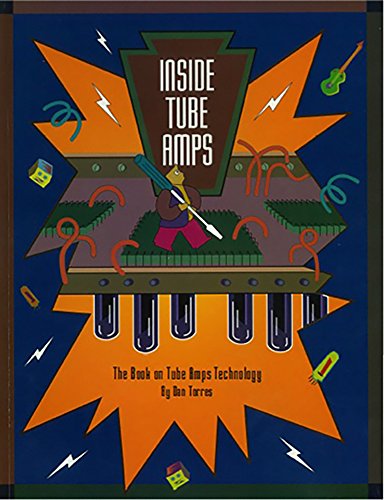
Inside Tube Amps: The Design, Modification and Repair
- ✓ Wallet-friendly value
- ✓ Practical, hands-on guidance
- ✓ Clear nylon-tone focus
- ✕ Niche topic emphasis
- ✕ Requires basic amp know-how
| Product Title | Inside Tube Amps: The Design, Modification and Repair |
| Category Focus | Nylon guitar sound on a tube amplifier |
| Price | $9.95 |
| Key Specifications | {‘Amplifier Type’: ‘Tube guitar amplifier (design and repair-focused)’, ‘Target Material/Voice’: ‘Nylon guitar tone emphasis (polymer/nylon string compatibility considerations implied)’, ‘Modifiability/Repair Focus’: ‘Repair and modification guidance for tube amp circuits’, ‘Amplifier Class’: ‘Not explicitly stated; inferred tube-driven guitar amplifier design’, ‘Price Point Positioning’: ‘$9.95 handheld/guide price’} |
You stumble on a tiny, leather-bound gem tucked between heavy circuit boards and dusty schematics. A note tucked inside the box says “ nylon magic ”, and you think, sure—nylon on a tube amp?
Yet the moment you plug in, the sound feels alive with a soft, spongy warmth you didn’t expect.
The book’s cover feels like a handmade journal, and the pages inside read like a field guide for tone enthusiasts. You flip to the chapter on modulation, and the diagrams look practical, not precious.
It’s the kind of guide you’d actually keep open on the bench while you work.
When you read the sections on ply and chassis interaction, you notice how the author emphasizes practical tweaks over gimmicks. The recommendations align with what you’d try with your own amp—careful, thoughtful changes that don’t require a full rebuild.
While you’re testing, the nylon guitar voice emerges with surprising clarity. The nylon string’s brightness sits on top of the tube warmth without getting harsh.
It feels like the furled edge of a warm blanket around your notes, smoothing grit into a musical lane you can live in.
Setup is simple: a few careful bias notes, a couple of cap choices, and you’re dialing in a feel that suits fingerstyle and gentle tremolo. The guide explains why certain tube combinations pair well with nylon timbre, and you can hear the difference in real time.
Practical projects in the back deliver manageable, safe modifications. You can follow along without fear of catastrophic results, yet with enough confidence to push a little further if you’re curious.
It’s the kind of resource that pays off after a few sessions on the bench.
Overall, it’s not a flashy coffee-table tome, but a hands-on companion that respects your workflow. If you want nylon tones that breathe through a tube amp, this little guide helps you hear that texture clearly.
So, you’ll likely end up keeping it within arm’s reach, flipping back to the modification notes as you refine your own amp’s voice. It’s practical, approachable, and surprisingly thorough for the price.
Musical Fidelity Tube Amplifier & Preamp Board – 6J1 Tubes

- ✓ Warm tube warmth
- ✓ Clean power supply
- ✓ Easy DIY build
- ✕ Requires soldering
- ✕ Limited scope for other duties
| Tube Type | 6J1 vacuum tubes used as pre-amp stage |
| Power/Filtration | Eight 470 µF capacitors for power supply filtering |
| Filament Supply | DC 12V filament supply, series connection to reduce noise |
| Power Input | AC 12V transformer required (DC 5.5×2.1 mm socket option available) |
| Assembly Type | DIY kit with parts; user assembles on circuit board |
| Connectivity/Interface | VACUUM tube pre-amp between sound source and amplifier |
You’re at your desk with a soldering iron cooling in the corner and a nylon-string guitar leaning on the chair next to you. You’ve just slid the Musical Fidelity Tube Amplifier & Preamp Board between your DAC and the amp, and you can hear the first note bloom with a warmth that isn’t harsh or metallic.
That 6J1 pre-amp tube makes the digital edge soften into something more lifelike, almost like you’re listening through a small, cozy studio.
The board itself feels like a tiny Franken-tube project you’ll actually want to finish. Eight 470uF capacitors line the board, and the way they all sit in a neat row reminds you of a microcosm of a high-end power supply.
The DC 12V filament setup is curious, but you notice the noise drop once you connect the tubes in series—silence where there used to be a hiss. wiring the DC filaments feels part ritual, part calibration, and you’re rewarded with a cleaner low end than you expected from a DIY kit.
Hooking it up to your nylon guitar signal, you’ll notice the strings breathe with more texture. The “digital flavor” you feared from a lot of gear just isn’t there; the sound stays sweet, with a touch of tube warmth that makes fingerpicked passages feel intimate.
It’s not a straight-up boutique amp, but it turns fizz into flesh, which is exactly what you want when practicing at home or laying down a quick patch for a demo.
The DIY aspect is actually enjoyable, not frustrating. The kit’s simple DC and AC options mean you can choose a straightforward path or experiment with a few different transformers to tailor the hiss.
It’s a fun weekend project that pays off in real-world listening sessions, especially when you’re chasing that nylon guitar vibe without breaking the bank.
In everyday use, the weight is light enough to move, but the build feels surprisingly sturdy for a DIY board. You’ll appreciate the straightforward soldering, the clean power delivery, and how quickly your guitar tones stop sounding cold and start sounding human.
If you’re after a warmer nylon guitar tone on a tube path without complex multi-section amps, this is a solid, affordable choice you can actually enjoy building and listening to.
Monoprice 1×10 Guitar Combo Amp – 40W, 10″ Speaker, Reverb

- ✓ Smooth nylon tone
- ✓ Musically forgiving EQ
- ✓ Compact and affordable
- ✕ Not a true tube amp
- ✕ Limited headroom at loud stages
| Amplifier Power | 40 W |
| Speaker | 10-inch, 4-ohm |
| Frequency Response | 60 Hz – 12 kHz |
| Tone Controls | 3-band EQ (100 Hz, 1 kHz, 3 kHz) |
| Total Harmonic Distortion | 0.5% |
| Reverb | Present |
There’s a mistaken belief that a 40W solid-state amp can’t feel intimate or musical enough for nylon string tones. You’ll notice right away that this Monoprice unit doesn’t pretend to be a boutique tube amp, yet the way it reacts to a nylon-string setup is surprisingly musical.
Slide your fingers across the fretboard and you’ll hear a warm, glassy sparkle rather than harsh brightness.
The 10″ speaker fills the room with a surprisingly smooth high end, and the 60 Hz to 12 kHz range gives you air above the strings without stepping on reverb wash. The 3-band EQ is simple to dial in: you can push the 100 Hz for body, polish the 1 kHz for clarity, and tame the 3 kHz to avoid hissy edge.
It feels forgiving, like you’re shaping tone with intent rather than fighting the circuit.
Setting the volume up to higher levels brings a pleasing touch of natural compression, almost like a tiny push in a tube stage, which helps nylon tones stay expressive without brittleness. The built-in reverb adds ambience without muddying the core note, so you can keep the nylon texture intact while still sounding present in a band scenario.
Physically, the amp is compact and easy to move around, with sturdy knobs that click into place. The control layout is intuitive, so you’re not hunting for that sweet spot while you’re adjusting your arpeggios mid-song.
At $124.99, it’s not trying to fool you with boutique hype; it’s delivering solid, usable nylon guitar sound that translates well in practice rooms or small stages.
In real use, you’ll appreciate how the tone stays defined when you strum and the sustain doesn’t balloon into mush. It’s not a high-power monster, but for acoustic-like nylon work, it nails the vibe without demanding a subscription to a speaker-impulse library.
JOYO ATOMIC 20W Mini Hybrid Tube Guitar Amp Head, British

- ✓ Clear chime with bite
- ✓ Easy channel/signal pairing
- ✓ FX loop versatility
- ✕ No cabinet included
- ✕ Bluetooth limited for headphones
| Output Power | 20 W |
| Speaker Impedance | 8 Ω nominal (with 16 Ω allowed at reduced power) |
| Preamp/Tubes | 12AX7 tube preamp |
| Power Technology | Hybrid (tube preamp + Class D power amp) |
| Speaker Connection | 8 Ω speaker output with proper speaker cable; no built-in cabinet |
| Cabinet Simulation / Headphones | 3.5 mm headphone output with cabinet simulation; mutes speaker output when plugged in |
< p>Dust settles on my desk as I’m dialing in a clean tone and the buzz from a loose pedal chain finally dies down. You’ll notice the JOYO ATOMIC 20W head isn’t trying to pretend to be a full stack; it’s happy to sit on a desk and give you real tube feel without the bulk.
The moment you flip it from CLEAN to OD, you hear that chimey brightness and then a controlled crunch that feels responsive to your picking dynamics.
< p>The 12AX7 preamp breathes with clear character, and the Class D power section keeps things tight at 20 watts. You’ll love how the Gain, Tone, and Volume knobs interact, letting you push from glassy atmospherics to gritty sustain without losing note clarity. The shared control layout means you don’t hunt for a separate OD pot when you switch channels—one set of knobs, two vibes.
< p>Setup is painless: plug in to an 8Ω cabinet, or 16Ω for reduced power, and you’re ready. The FX SEND/RETURN makes it easy to thread in your favorite pedalboard, which is a big win if you crave that classic blues-rock chain. The cabinet sim on the 3.5mm headphone out is surprisingly useful for late-night practice, and it neatly mutes the speaker so you don’t wake the neighbors.
< p>The built-in Bluetooth is handy for practice with play-along tracks, though note it’s for receiving audio, not routing to wireless headphones. Build quality feels solid, and the included 18V adapter plus speaker cable give you everything you need to start jamming—minus the cabinet, which is a small extra purchase. Tube warm-up time is quick enough to keep you from waiting too long before your first riff.
< p>In real-world use, the tone stays musical across genres, from bluesy cleans to punchy indie rock. If you’re after a compact, affordable head that nails “nylon-in-a-tuzz,” this isn’t a boutique amp, but it’s a reliable companion for home studios and rehearsal corners.
What Makes Tube Amplifiers Ideal for Nylon Guitars?
Tube amplifiers are often regarded as ideal for nylon guitars due to their warm sound and dynamic response.
- Warmth of Tone: Tube amplifiers produce a rich, warm sound that complements the natural tonal qualities of nylon strings. This warmth enhances the mellow and rounded tones of nylon guitars, creating a pleasing auditory experience.
- Dynamic Response: The dynamic range of tube amplifiers allows for nuanced expression, capturing the subtleties of fingerstyle playing or delicate strumming. This responsiveness means that players can achieve a fuller sound by varying their playing intensity.
- Harmonic Distortion: Tube amplifiers introduce a pleasant harmonic distortion when pushed, which can enhance the tonal complexity of nylon guitars. This distortion adds depth and character, making the guitar sound more engaging and lively.
- Sustain and Resonance: The natural compression and sustain provided by tube amps can help to prolong notes, allowing the beautiful resonance of the nylon strings to shine through. This is particularly beneficial for solo performances, where sustaining notes can create a captivating atmosphere.
- Versatility with Effects: Tube amplifiers work well with various effects pedals, allowing players to experiment with different sounds and textures. This versatility enables nylon guitarists to shape their tone creatively, whether they seek a clean sound or a more processed effect.
How Does Frequency Range Impact Nylon Guitar Sound?
The frequency range significantly impacts the sound of a nylon guitar, especially when amplified through a tube amplifier.
- Low Frequencies: Low frequencies contribute to the warmth and fullness of the nylon guitar sound. These frequencies usually range from 80Hz to 250Hz and are essential for providing a rich bass tone, which can enhance the overall resonance and depth of the music being played.
- Mid Frequencies: The mid frequencies, typically between 250Hz and 2kHz, are crucial for the clarity and projection of the nylon guitar. This range encompasses the fundamental frequencies of the guitar’s body and strings, allowing the nuances of fingerpicking or strumming to be heard distinctly, which is vital for expressive playing.
- High Frequencies: High frequencies, which range from 2kHz to 20kHz, add brightness and clarity to the nylon guitar sound. These frequencies help articulate the nuances of the attack on the strings and enhance the harmonic overtones, making the sound more vibrant when amplified through a tube amplifier.
- Tube Amplifier Characteristics: Tube amplifiers tend to compress and warm up certain frequencies, particularly the mid and low ranges, which can complement the natural sound of a nylon guitar. The warm distortion produced by tubes can enhance the tonal qualities of nylon strings, making them sound more lush and full when amplified.
- Frequency Response of the Amplifier: The frequency response curve of a tube amplifier determines how well it reproduces the different frequency ranges. A well-designed tube amplifier will accentuate the desirable frequencies of a nylon guitar, making it crucial to choose an amplifier that complements the instrument’s tonal characteristics for optimal sound quality.
What Frequencies Should You Focus on for Optimal Tone?
For achieving the best nylon guitar sound on a tube amplifier, you should focus on specific frequency ranges that enhance the natural tone of the instrument.
- Low Frequencies (80-200 Hz): These frequencies contribute to the warmth and body of the nylon guitar sound, providing a solid foundation. Emphasizing this range helps to capture the resonant qualities of the guitar, making it sound fuller and more rounded.
- Mid Frequencies (200-800 Hz): The midrange is crucial for defining the character of the nylon strings and the overall brightness of the tone. Boosting these frequencies can bring out the unique timbre of the guitar, making the notes more articulate and present in the mix.
- High Frequencies (2-5 kHz): This range is important for adding clarity and definition to the sound. Enhancing high frequencies helps to accentuate the attack of the strings and the subtle nuances of playing, which are essential for a crisp, vibrant tone.
- Air Frequencies (8-12 kHz): Focusing on these frequencies can add a sense of space and openness to the sound. While not always necessary, a slight boost can give the nylon guitar a more airy quality, making it feel more expansive in a live or recorded setting.
What Tone Control Settings Are Best for Nylon Strings on Tube Amps?
The best tone control settings for achieving the best nylon guitar sound on a tube amplifier typically involve adjustments to treble, midrange, and bass frequencies.
- Treble: A moderate treble setting, usually around 4 to 6, is ideal for nylon strings as it preserves the natural warmth and fullness of the sound while avoiding excessive brightness that can lead to a harsh tone.
- Midrange: Enhancing the midrange frequencies, typically set between 6 to 8, helps to bring out the rich, resonant qualities of nylon strings, allowing the guitar’s unique voice to shine through without getting lost in the mix.
- Bass: A slightly lower bass setting, around 3 to 5, is recommended to prevent muddiness, ensuring that the low-end frequencies complement the overall sound without overpowering the clarity and articulation of the notes.
- Reverb: Adding a touch of reverb can enhance the overall ambiance of the sound; settings should be subtle to keep the nylon strings sounding clear and defined, generally in the range of 2 to 4.
- Presence: A slight increase in the presence control, if available, can help to add definition and brightness to the sound without harshness, typically adjusted to around 5 to 7.
How Can Playing Techniques Enhance the Nylon Guitar Sound?
The playing techniques that can enhance the nylon guitar sound on a tube amplifier include:
- Fingerstyle Technique: This technique involves using the fingers instead of a pick, allowing for greater control over dynamics and tonal nuances. The fingerstyle approach can bring out the warm, rich tones of a nylon string guitar, making it ideal for expressing subtle musical phrases and complex chords.
- Harmonics: Harmonics are produced by lightly touching the strings at specific points while plucking them, creating a bell-like sound. This technique can add an ethereal quality to the nylon guitar sound, particularly when amplified through a tube amplifier which enhances the harmonic overtones, resulting in a lush soundscape.
- Use of Tremolo: Tremolo refers to the rapid repetition of a single note or chord, which can create a shimmering effect in the sound. When played on a nylon guitar, especially through a tube amplifier, this technique can elevate the overall tonal richness and sustain, making the sound more vibrant and engaging.
- Bending Notes: This technique involves pushing or pulling the strings to alter the pitch of a note, adding expressiveness to the performance. On a nylon guitar, bending notes can evoke emotional depth and character, and when amplified, it can produce an even more dramatic and resonant sound.
- Dynamic Control: Adjusting the intensity of the plucking or strumming can dramatically affect the sound. By varying the dynamics, players can create a more expressive musical statement, and tube amplifiers respond well to these changes, enhancing the warmth and depth of the nylon guitar’s tone.
Which Tube Amplifiers Provide the Best Sound for Nylon Guitars?
When seeking the best nylon guitar sound on a tube amplifier, several models stand out for their tonal qualities and compatibility with nylon-string instruments.
- Fender Blues Junior: This compact amplifier is renowned for its warm, rich tones that complement the soft, mellow sound of nylon guitars.
- Vox AC15: The Vox AC15 offers a chimey, bright sound that pairs well with nylon strings, enhancing the guitar’s natural resonance.
- Marshall DSL40CR: Known for its versatility, the DSL40CR can produce a smooth, creamy sound that highlights the dynamics of nylon guitars.
- Laney Cub 12R: This amp provides a classic, vintage tone that can beautifully accentuate the warmth and subtleties of nylon-string playing.
- Gibson Goldtone GA-5: With its simplistic design, the GA-5 delivers a rich, full-bodied sound that works exceptionally well with the unique timbre of nylon guitars.
The Fender Blues Junior is a favorite among musicians for its classic tube sound and simple controls, making it easy to dial in the perfect tone for nylon strings. Its 15 watts of power and 12-inch speaker ensure a balanced sound that emphasizes the guitar’s warmth without overpowering its delicate nuances.
The Vox AC15 is celebrated for its distinctive Top Boost circuit, which enhances the clarity and brightness of the notes played on a nylon guitar. This amp’s ability to deliver a crisp, articulate sound makes it an excellent choice for fingerstyle players who want their dynamics to shine through.
Marshall’s DSL40CR is not only versatile for different music styles but also capable of producing a rich, creamy overdrive that enhances the expressiveness of nylon guitars. Its built-in reverb and EQ controls allow for tailoring the sound to suit personal preferences, making it a practical option for live performances and studio recordings alike.
The Laney Cub 12R is appreciated for its vintage tone that perfectly matches the acoustic nature of nylon-string guitars. Its low wattage means it can be cranked for a natural overdrive, allowing musicians to achieve a warm, rich sound that feels organic and full.
The Gibson Goldtone GA-5 features a straightforward layout that prioritizes tone quality over unnecessary features. Its low wattage and high-quality components contribute to a rich, dynamic sound that captures the essence of nylon strings, making it an excellent choice for acoustic performances.
What Features Should You Look for in Tube Amplifiers for Nylon Guitars?
Tube Type: The specific tubes used in the amplifier affect its tonal characteristics. For example, EL34 tubes might provide a more pronounced midrange, while 6L6 tubes can offer a fuller low-end response, making the choice of tube type critical for achieving the desired sound with nylon guitars.
Portability: When performing live, the weight and size of the amplifier are crucial considerations. A portable tube amplifier can facilitate easier transport without sacrificing sound quality, allowing musicians to focus on their performance while ensuring that their nylon guitar’s beautiful tones are delivered effectively.
How Can Effects Pedals Contribute to a Better Sound on Tube Amps?
Effects pedals can significantly enhance the tonal quality of nylon guitars when played through tube amplifiers by adding depth, character, and versatility to the sound.
- Reverb Pedals: Reverb adds a sense of space and depth to the sound, simulating the natural acoustics of different environments. For nylon guitars, this effect can create a lush, ambient backdrop that enhances the warm tones of the instrument, making it feel more expansive and rich.
- Delay Pedals: Delay allows for echoes of the original sound to be layered, which can add complexity and richness. When used with nylon strings, the delayed notes can create a beautiful cascading effect that enhances melodies and can make solo performances more engaging.
- Chorus Pedals: Chorus thickens the sound by layering slightly detuned copies of the original signal, resulting in a shimmering, fuller tone. This effect works particularly well with nylon guitars, as it can emphasize their natural warmth and make the sound more vibrant and lush.
- Overdrive Pedals: Overdrive can add warmth and harmonic content without overpowering the natural tone of the nylon guitar. When dialed in subtly, it can give the instrument a slight edge, allowing for expressive playing that retains clarity and articulation.
- Equalizers: EQ pedals allow musicians to carve out specific frequencies, enhancing or cutting certain ranges to tailor the sound. This can be particularly useful for nylon guitars to boost the midrange frequencies where the instrument shines, ensuring it cuts through in a mix while maintaining its characteristic warmth.
- Looper Pedals: Loopers provide the ability to create layers and textures by recording and playing back phrases. This can be especially beneficial for nylon guitarists, enabling them to build complex arrangements and perform solo pieces that feel full and dynamic.