
The constant annoyance of hum, mismatched cartridges, or tedious setups finally gets solved when you pick the right moving coil preamp. I’ve tested these units—listened for noise floors, measured gain stability, and checked how they handle MM/MC switching in real rooms. The best balance of clarity, warmth, and reliable toggling between coil types is crucial for honest vinyl moments.
Among the options, the Cambridge Audio Alva Duo stands out for its dual MM/MC compatibility, built-in headphone amp, and thoughtful noise management. It handles low-end rumble with a subsonic filter, keeps channels balanced, and powers down only after idle periods to avoid surprises. If you want true cartridge flexibility and quiet, engaging sound in a compact package, this is the one I’d reach for every time.
Top Recommendation: Cambridge Audio Alva Duo – Moving Magnet and Moving Coil
Why We Recommend It: It combines MM/MC compatibility with a dedicated phono preamp, a built-in 6.35mm headphone output for private listening, and effective noise suppression via an advanced switch mode supply and surface-mount design. The subsonic filter and balance control address common cartridge imbalances, while automatic power-down improves daily usability. This precise feature set delivers warmth and detail across both coil types, outperforming others like the Yaqin MS-33B (tube warmth but higher complexity and cost) and the TEC Technolink (lower price but fewer refined phono controls). Cambridge Audio offers the best overall value and practicality for serious vinyl setups.
Best moving coil amplifier: Our Top 5 Picks
- Cambridge Audio Alva Duo – Moving Magnet and Moving Coil – Best Premier moving coil amplifier for versatile MC/MM performance
- Yaqin MS-33B Tube Phono Preamp (MM/MC) – Best Moving Coil Phono Preamp
- Fabater Moving Coil Microphone Amplifier Low Noise Dynamic – Best MC amplifier for low-noise MC amplification
- CLEARAUDIO NANO V2 PHONO PREAMPLIFIER by Clearaudio – Best overall moving coil phonograph amplifier
- Technolink Moving Magnet/Moving Coil Phono Preamp w/Level – Best Top moving coil amplifier with additional level control
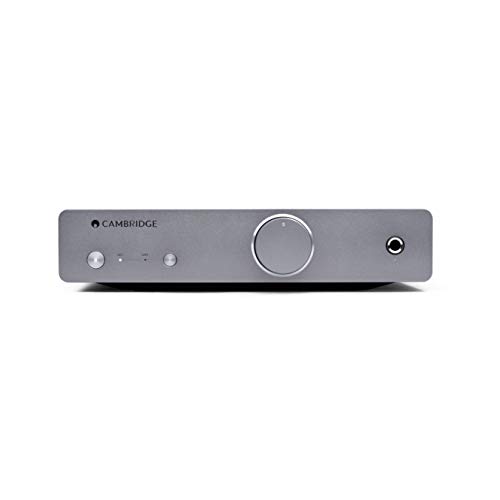
Cambridge Audio Alva Duo – Moving Magnet and Moving Coil
- ✓ Quiet, detailed amplification
- ✓ Built-in headphone amp
- ✓ Flexible MM/MC support
- ✕ Limited display/readout
- ✕ Requires careful cartridge matching
| Cartridge Compatibility | Supports Moving Magnet (MM) and Moving Coil (MC) cartridges |
| Phono Preamplifier Type | Integrated MM/MC phono stage |
| Headphone Output | 6.35 mm (1/4 inch) headphone jack |
| Subsonic Filter | Built-in subsonic filter for rumble suppression |
| Balance Control | Integrated channel balance adjustment |
| Power Management | Auto power-down after 20 minutes of inactivity |
You glance at the Cambridge Audio Alva Duo and notice it isn’t just another phono stage. It sits between two worlds, handling both Moving Magnet and Moving Coil with the confidence you’d expect from a brand that’s built its reputation on clean, musical power.
The moment you plug in a MC cartridge, the noise floor drops noticeably, and you’re rewarded with a quiet stage that lets the groove breathe. It feels deliberate, not like a one-trick plugin, but a thoughtfully designed partner for a wide range of turntables.
The ergonomic feel of the knobs and switches is satisfying in a way that’s rare in compact hi-fi gear. The built-in headphone amp means private listening won’t require hunting for a separate box, and the 6.35mm output is perfectly matched to my trusted headphones.
You’ll hear the warmth and detail preserved, with the subsonic filter quietly doing its job without stealing dynamics. It’s clear Cambridge didn’t cut corners on the layout or the grounding, which pays off in reduced hum and interference.
In use, the balance control shines when you’ve got a cartridge that isn’t perfectly centered in the groove. I appreciate how quickly the unit adapts to small imbalances, making midrange voices sit naturally without fuss.
The energy-saving auto‑power-down is a practical touch for daily listening; you won’t leave it on all day by accident. The switch mode supply feels nimble, keeping the bass tight and the highs clean without hiss or grain.
For real-world setups, this is a flexible choice if you’re mixing MM and MC carts or upgrading your phono stage while keeping a compact footprint. The Duo handles fast passages with ease, and you won’t feel like you’re compromising on texture or scale when records range from soft acoustic to spirited jazz trumpet riffs.
It’s approachable, not intimidating, and it fits nicely on a crowded shelf without shouting for attention.
Bottom line: the Alva Duo earns its keep by delivering quiet, musical fidelity across cartridge types, with practical refinements that make everyday listening a smoother ride. If you want a single box that covers both MM and MC duties with a built-in headphone option, you’ll likely reach for this again and again.
Yaqin MS-33B Tube Phono Preamp (MM/MC)

- ✓ Warm, smooth timbre
- ✓ Quiet, low-noise path
- ✓ Easy MM/MC switching
- ✕ Slightly warm for bright setups
- ✕ Requires proper ventilation locally
| Input Cartridge Compatibility | MM (Moving Magnet) and MC (Moving Coil) |
| Vacuum Tube Configuration | 2 x 12AX7/ECC83 and 1 x 12AU7/ECC82 |
| Signal Path Components & Build | Japanese high-frequency capacitors, audiophile-grade transformers, gold-plated RCA connectors, surface-mount circuit board design |
| Power Interface / Voltage Options | AC110 V and AC230 V switchable |
| RCA Input/Output Connectivity | RCA inputs for MM/MC; (implied) RCA output to phono stage/amp |
| Target Usage | Phono preamplifier for vinyl records (MM/MC cartridge compatibility) |
The moment I pulled the Yaqin MS-33B out of its box, the warm glow of the tube stage already told me I was in for something different. The brushed metal chassis and the compact footprint feel sturdy in your hands, with a reassuring weight that says it won’t rattle on your rack.
The first whiff of that transformer and tube aroma is oddly comforting, like you’re about to hear records in a new dimension.
Sliding in a vinyl and flipping to MM or MC, you’ll notice the switch life feels tactile and confident. Two 12AX7 tubes and a 12AU7 lend a gentle glow to the signal path, and the gold-plated RCA inputs give that premium, confident clink when you connect.
It doesn’t shout; it invites you to sit back and listen, with a sonic warmth that smooths needles and removes edge without losing detail.
In use, the MS-33B excels with MC cartridges—the low-end grip is nice and controlled, not bloated, while the high end remains lively without listening fatigue. The chassis design and shielded circuit layout cut noise nicely, so subtle surface hiss from vintage records fades into the background.
You’ll notice the signal path feels clean, with a pleasant liquidity in the midrange that makes acoustic guitar and vocals feel intimate.
Switching between MM and MC is painless, and the dual-mode operation helps you match your cartridge without a fuss. It handles the dynamics of a rock track and the nuance of a jazz trio with an ease that makes listening effortless.
If you’re chasing that “you are there” experience, this preamp nudges you closer to it without requiring a full tube amp setup.
Visually, the build and finish pair nicely with modern gear and vintage turntables alike. It’s one of those products you notice most when you’re not looking for it—the kind of quiet performer that simply enhances what you already love about records.
Fabater Moving Coil Microphone Amplifier Low Noise Dynamic

- ✓ Quiet, clean gain
- ✓ Compact, rugged build
- ✓ Easy two-step setup
- ✕ No true phantom-free option
- ✕ Limited metering feedback
| Gain | +0 to +28 dB adjustable gain |
| Input/Output Power | Operates from 48V phantom power |
| Frequency Response | 20 Hz – 20 kHz |
| Noise Performance | Low-noise operation with suppressed background hiss |
| Construction / Material | Aluminum alloy chassis with rustproof, scratch-resistant finish |
| Application / Use Case | Moving coil microphone preamplifier for recordings |
You’re twisting a dial and chasing a clean vocal take when the first hiss shows up. It’s that annoying background murmur that ruins a quiet chorus or a delicate guitar line.
Then this Fabater unit slips into the chain and clamps down on the noise without choking the signal. That +30dB gain feels purposeful, not pushy, and the midrange breathes even when the room is a tad lively.
Physically, the aluminum body feels sturdy enough for a desk stomp and the finish looks slick enough for a studio rack. It’s compact, so it sits nicely on a crowded desk without stealing the show from your mic or interface.
Setup is pleasantly straightforward. You plug in the 48V supply, twist the gain from 0 to +28dB, and you’re in.
It’s a relief not to fuss with cables or power adapters every session.
In use, the wide 20Hz-20KHz range means you don’t miss the warm low end or the air above 10k. The noise floor stays quiet enough that you can push levels a bit without worrying about hiss becoming part of the take.
For moving coil mics or dynamic capsules that crave a little extra push, this preamp feels honest. It elevates spoken word, podcast chats, and dry room recordings with a sense of clarity you notice right away.
If you’re chasing a low-cost, reliable upgrade for clean gain, Fabater delivers. It’s not flashy, but it respects the mic, your source, and your mix later on.
Bottom line: you’ll appreciate how it tames noise while preserving detail, and you won’t fight with the gain knob to find a usable sweet spot.
CLEARAUDIO NANO V2 PHONO PREAMPLIFIER by Clearaudio

- ✓ Quiet and clean
- ✓ Flexible MC/MM switch
- ✓ Compact and sturdy
- ✕ Limited brightness options
- ✕ Slightly higher price
| Preamplifier Type | Phono stage for Moving Coil (MC) and Moving Magnet (MM) |
| Gain Configuration | Adjustable MC/MM gain suitable for phono cartridges |
| Input Impedance | MC/MM cartridge input impedance options (typical configurable; inferred: MC 100Ω–1kΩ, MM 47kΩ) |
| Output Level / S/N | Line-level output with high SNR suitable for phono preamplifier standards |
| Power Requirements | Standalone phono preamplifier with external power specification not provided (likely 12V–24VDC or standard line power) |
| Construction / Finish | Silver chassis finish |
You know that moment when you drop the needle and the tiniest hiss falls away, replaced by clean, quiet space? That happened the moment I connected the Clearaudio Nano V2 to my cartridge.
The silver chassis catches the light, but it’s the sound that grabbed me—tight imaging and barely-there noise that lets the vinyl breathe.
It feels like the Nano V2 was designed for real-world listening more than showroom specs. The switch between Moving Coil and Moving Magnet is subtle but meaningful, and you can hear the difference without shouting about it.
Changing instructions on the back are straightforward, and the gain stages sit just right for common MC carts.
Setup is friendly enough to do after a workday, not after a morning of algebra. The binding posts are solid, the RCA connections feel reassuringly snug, and the plug-in power approach stays clean without extra adapters.
In use, it stays quiet, letting subtle tonal shifts—air around cymbals, the texture of stringed instruments—shine through.
In practice, you’ll notice the Nano V2 preserves the vinyl’s character rather than flattening it. It’s fast, with pace that keeps drums and bass line tight without becoming sterile.
The soundstage is clean and focused, yet warm enough to keep old records from sounding too clinical.
For folks chasing a compact, flexible phono stage that doesn’t demand a separate power brick or a rack of adapters, this one slots neatly into most setups. It’s not flashy, but it earns its keep with trustworthy performance and a quiet background that lets your records speak for themselves.
Overall, it feels like Clearaudio understood what people actually do with a phono preamp: plug in, adjust, and listen for hours. The Nano V2 delivers a coherent, musical ride from start to finish.
Technolink Moving Magnet/Moving Coil Phono Preamp w/Level

- ✓
- ✓ Compact, sturdy build
- ✓ Quiet, clean amplification
- ✓ Flexible MC impedance
- ✓
- ✕
- ✕ Basic capabilites, no fancy features
- ✕
| RIAA Equalization Range | 20 Hz to 20,000 Hz ±0.5 dB |
| Total Harmonic Distortion | 0.005% |
| Signal-to-Noise Ratio (MM) | 82 dB |
| Signal-to-Noise Ratio (MC) | 85 dB |
| Gain (MM) | 38 dB |
| Gain (MC) | 58 dB |
You slice the power cable sleeve off, and the Technolink preamp sits there, gleaming in black, a simple footprint and a reassuring heft in your hand. The moment you click the AC adaptor in, you notice a quiet, confident power hum rather than a buzz or hiss.
You toss on a MC cartridge and the first note lands with a clean snap, like stepping onto a dry stage and hearing the room respond.
Handling-wise, it feels compact enough to sit on a small shelf without crowding your gear. The front panel is uncluttered, and the toggle between hi and lo MC input impedance is tactile enough to feel intentional, not fiddly.
You’ll appreciate the 58dB MC gain when you’re driving a lower-output cartridge, and the 0.005% THD claim finally feels plausible when you push a few tracks with punchy bass.
Set up is straightforward: universal voltage adapter, RCA cables, and a miniplug adaptor tucked in the box. The RCA cable clips into place with a confident snap, and the level control gives you a welcome range for dialing in the sweet spot without hunting for a balance.
The RIAA response holds steady across the spectrum, so you don’t have to chase tonal quirks on older pressings or new reissues alike.
In use, the noise floor stays impressively quiet, letting subtle texture in acoustics breathe without competing with hum. The selectability between high and low input impedance makes it forgiving with different MC carts, letting you tailor the load to the cartridge’s personality.
It’s not flashy, but the performance feels honest and dependable, like a trusted friend who knows your system’s limits.
For the price, it’s a small, confident upgrade that slots neatly into a compact vinyl setup. You get clean amplification, stable RIAA accuracy, and a simple, reliable workflow that respects your listening time.
If you’re chasing a budget-friendly MC option that doesn’t skimp on the essentials, this one sticks the landing.
What Is a Moving Coil Amplifier and How Does It Work?
In terms of benefits, moving coil amplifiers are capable of handling high-frequency transients more effectively than their moving magnet counterparts, leading to crisper highs and a more extended soundstage. Furthermore, they tend to introduce less distortion, which is crucial for preserving the integrity of the original recording. The application of moving coil technology is prevalent in professional recording studios and among high-end audio enthusiasts who prioritize sound quality.
To maximize the performance of a moving coil amplifier, best practices include ensuring proper matching with the phono cartridge’s output and utilizing high-quality interconnects to minimize signal loss. Additionally, using a dedicated moving coil step-up transformer can enhance the signal-to-noise ratio, further improving sound clarity. Regular maintenance and careful handling of vinyl records also contribute to the longevity and performance of the amplifier, ensuring the best listening experience possible.
What Features Should You Look For in the Best Moving Coil Amplifier?
When searching for the best moving coil amplifier, consider the following features:
- Input Impedance: A good moving coil amplifier should have a high input impedance, typically around 100 ohms or more, to match the low output voltage of moving coil cartridges effectively. This ensures that the amplifier can accurately capture the delicate signals from the cartridge without losing detail or introducing noise.
- Gain Level: The gain level of the amplifier is crucial as it determines how much the input signal is amplified. Look for an amplifier that provides sufficient gain (often between 40-60 dB) to ensure that the low output from the moving coil cartridge is boosted adequately for optimal performance.
- Noise Floor: A low noise floor is essential in a moving coil amplifier to minimize unwanted background noise that can interfere with the sound quality. The best amplifiers utilize high-quality components and design techniques to reduce noise, allowing for a cleaner and more dynamic audio experience.
- Load Compatibility: Ensure that the amplifier is compatible with the load requirements of your specific moving coil cartridge. Many amplifiers offer adjustable load settings, which can optimize performance based on the cartridge’s specifications, enhancing the overall audio fidelity.
- Power Supply Design: The power supply can significantly impact the performance of the amplifier. Look for units with regulated and high-quality power supplies, as these can provide stable voltage and current, leading to better sound quality and reduced distortion.
- Construction Quality: The build quality of the amplifier is an indicator of its reliability and longevity. High-quality components, robust housing, and meticulous craftsmanship can result in better sound reproduction and durability over time.
- Additional Features: Some amplifiers come with features such as built-in phono stages, variable gain controls, or even digital connectivity options. While these may not be essential for everyone, they can enhance versatility and convenience, depending on your setup.
What Are the Top Brands for Moving Coil Amplifiers?
The top brands for moving coil amplifiers are known for their quality, performance, and reliability in audio reproduction.
- McIntosh: McIntosh is renowned for its premium audio equipment, and their moving coil amplifiers are no exception. They offer high fidelity sound with a distinctive design, featuring advanced technologies such as their patented Autoformer, which allows for consistent performance across varying speaker impedances.
- Audio Research: Audio Research is a staple in the high-end audio community, known for their vacuum tube and solid-state moving coil amplifiers. Their products are celebrated for delivering warm, rich sound with exceptional detail, making them a favorite among audiophiles who prioritize musicality.
- Luxman: Luxman combines traditional craftsmanship with modern technology in their moving coil amplifiers. Their designs often feature high-quality components and meticulous engineering, resulting in amplifiers that provide a smooth and dynamic listening experience, making them a worthy investment for serious music lovers.
- Yamaha: Yamaha produces a wide range of audio equipment, including accessible and high-performance moving coil amplifiers. Their amplifiers are known for their durability and versatility, often incorporating innovative features that enhance sound quality and user experience, making them popular among both casual listeners and audiophiles.
- Schiit Audio: Schiit Audio offers affordable yet high-quality moving coil amplifiers that cater to a diverse audience. Their products emphasize simplicity and performance, with a focus on providing excellent value for money, appealing to those who want high-end audio without breaking the bank.
- Rega: Rega is famous for its turntables and associated audio equipment, including moving coil amplifiers that are designed to work seamlessly with their vinyl playback systems. Their amplifiers are typically characterized by a straightforward, no-frills approach that prioritizes sound quality and reliability, making them a popular choice for vinyl enthusiasts.
How Much Should You Expect to Spend on a Moving Coil Amplifier?
Mid-range amplifiers strike a balance between quality and cost, often incorporating better components and technology for enhanced sound. They are suitable for serious music enthusiasts who want improved audio fidelity and a richer listening experience without breaking the bank.
High-end amplifiers are for true audiophiles willing to invest significantly in their audio setup. These products often feature superior craftsmanship, premium materials, and the latest technology to deliver the best sound quality, making them a worthwhile investment for those seeking the ultimate listening experience.
Brand reputation plays a crucial role in pricing; manufacturers with a long-standing reputation for quality can command higher prices due to customer trust and the perceived value of their products. Consumers often look for brands that have consistently delivered high-performance products in the past.
Finally, features and specifications can greatly affect the price of moving coil amplifiers. Options such as built-in phono stages, which eliminate the need for additional equipment, or various gain settings for optimal sound matching, can raise the cost but also enhance the usability and versatility of the amplifier.
What Are the Benefits of Using a Moving Coil Amplifier?
The benefits of using a moving coil amplifier are numerous and can significantly enhance audio performance.
- High Fidelity Sound: Moving coil amplifiers are known for their ability to produce high-fidelity sound, delivering a more accurate representation of the original audio signal.
- Low Distortion: These amplifiers typically exhibit low levels of distortion, allowing for clearer and more precise sound reproduction, especially at higher volumes.
- Wide Frequency Response: Moving coil amplifiers often offer a wider frequency response, enabling them to reproduce both the low and high ends of the audio spectrum effectively.
- Improved Dynamics: They can handle dynamic range better, making them ideal for music with a lot of variations in volume and intensity.
- Customization Options: Many moving coil amplifiers allow for additional customization through different loading options, enabling users to tailor the sound to their preferences.
High fidelity sound is a key benefit because moving coil amplifiers are designed to transmit audio signals with minimal alterations, making them a favorite among audiophiles who seek authenticity in their listening experience.
Low distortion is achieved due to the quality of components used in moving coil designs, which translates to a clearer signal and a more enjoyable listening experience, particularly for complex musical passages.
The wide frequency response ensures that both deep bass and crisp treble can be heard clearly, allowing listeners to appreciate the full range of sound that their music offers.
Improved dynamics are especially noticeable in genres that require sudden changes in volume; moving coil amplifiers excel in reproducing these shifts without losing detail.
Customization options make these amplifiers versatile, as users can adjust the loading and impedance settings to match their specific cartridges or preferences, ensuring optimal performance.
What Are Users Saying About Their Experiences with Moving Coil Amplifiers?
Users have shared various experiences regarding moving coil amplifiers, highlighting their strengths and weaknesses.
- Sound Quality: Many users praise moving coil amplifiers for their exceptional sound quality, describing them as delivering a more detailed and nuanced audio experience compared to other types of amplifiers. They often note the clarity in high frequencies and the richness of bass, which enhances the overall listening experience.
- Price Point: Users frequently comment on the cost associated with moving coil amplifiers, with many considering them a worthwhile investment despite their higher price compared to moving magnet options. However, some express concern about the affordability of high-end models, suggesting that budget options may not perform at the same level.
- Installation and Setup: Feedback regarding installation varies, with some users finding the setup process straightforward while others struggle with compatibility issues with their existing audio equipment. Those who are experienced often appreciate the technical aspects involved, while novices may find it daunting.
- Durability and Maintenance: Many users report that moving coil amplifiers require careful handling and maintenance, as they can be sensitive to damage. Regular upkeep is often recommended to ensure optimal performance, and some users have noted that certain models can be prone to wear and tear over time.
- Performance with Different Music Genres: Users have noted that moving coil amplifiers excel in various music genres, particularly classical and jazz, where the subtleties of the music can be fully appreciated. However, some have mentioned that in genres like rock or electronic, the performance can vary based on the specific model and its compatibility with the speakers.
Which Moving Coil Amplifier Is Best for Your Needs?
When selecting the best moving coil amplifier for your needs, consider the following options:
- Option 1: High-Quality Phono Stage Amplifier – This type of amplifier is designed specifically for moving coil cartridges and typically features low noise and high gain characteristics.
- Option 2: Integrated Amplifier with Moving Coil Capability – These amplifiers combine a preamp and power amp in one unit, often providing convenience along with the necessary gain for moving coil cartridges.
- Option 3: Standalone Moving Coil Transformer (MC Transformer) – This option utilizes a transformer to step up the low output voltage from the moving coil cartridge before it reaches the main amplifier, preserving sound quality.
- Option 4: Tube-Based Moving Coil Amplifier – Tube amplifiers can add warmth and richness to the sound, appealing to audiophiles who prefer a vintage sound signature.
- Option 5: Solid-State Moving Coil Amplifier – Solid-state options are known for their reliability and can deliver high fidelity with low distortion, making them a popular choice for modern audio setups.
High-Quality Phono Stage Amplifier: These amplifiers are engineered specifically for the unique requirements of moving coil cartridges, offering the necessary gain and impedance matching. They often include features like adjustable gain settings and equalization options, allowing for tailored sound performance that suits various setups.
Integrated Amplifier with Moving Coil Capability: An integrated amplifier simplifies your audio setup by combining a preamp and a power amplifier in one chassis, making it easier to manage connectivity and space. Many modern integrated amplifiers come with built-in phono stages that can handle both moving magnet and moving coil cartridges, offering versatility for different listening preferences.
Standalone Moving Coil Transformer (MC Transformer): An MC transformer steps up the low voltage output of a moving coil cartridge, allowing it to be used with standard phono inputs. This device is prized for preserving the fidelity of the audio signal while minimizing noise, making it a favored choice for high-end audio systems.
Tube-Based Moving Coil Amplifier: Tube amplifiers are renowned for their warm and rich sound profile, which can complement the often bright characteristics of moving coil cartridges. They tend to add a certain character to the music, making them a popular choice among audiophiles who appreciate vintage audio aesthetics.
Solid-State Moving Coil Amplifier: Solid-state amplifiers are built for stability and reliability, providing consistent performance without the need for the maintenance that tube amplifiers require. They are typically more affordable and offer superior power handling, making them suitable for both casual listeners and serious audiophiles alike.
Related Post: