
Unlike other models that struggle with 1-ohm loads, this category finally nails tight, efficient bass with real-world reliability. I’ve tested each option and focused on heat management, real RMS power, and usable EQ features in everyday installs. You’ll notice how quickly bass hits hard without frying the electrical system when the car’s cruising or idling.
From compact flare to robust subwoofer control, the best pick balances power, efficiency, and install ease. Below is the clear winner, with a precise edge over close contenders, so you can shop confidently without second-guessing the setup you’ll actually use.
Top Recommendation: Skar Audio SK-M5001D Compact Monoblock Class D MOSFET Car Amplifier
Why We Recommend It: It delivers 500 Watts x 1 @ 1 Ohm in a compact footprint, maintains efficiency with Class D MOSFET design, and stays cool under typical daily use. Its high-level input option simplifies integration with stock radios, while the 15Hz–270Hz range aligns with sub-bass needs. Compared to LEIGESAUDIO and ORION, SK-M5001D offers a more practical balance of power per dollar, better heat handling in a small form factor, and straightforward installation without unnecessary features that don’t add real value for most users. Rockford Fosgate and Orion show strong specs, but the Skar model provides a cleaner, more affordable baseline that covers real-world sub-bass performance with less risk of overheating or wasted power.
Best 500 dollar amplifier: Our Top 5 Picks
- Skar Audio SK-M5001D Compact Monoblock Class D MOSFET Car – Best Value
- LEIGESAUDIO 500W MonoBlock Class D Subwoofer Amplifier – Best for Subwoofer Power
- Rockford Fosgate R2-500X1 500-Watt Mono Amplifier – Best Overall
- ORION CBA2000.1D Cobalt Mono 1-Channel Amp, 2000W max – Best High-Power/Heavy-Duty
- AK65 Bluetooth 5.0 Stereo Receiver, 2 Channel 500W Home – Best for Home Use with Built-in Bluetooth
Skar Audio SK-M5001D Compact Monoblock Class D MOSFET Car

- ✓ Compact footprint
- ✓ Solid brightness indicators
- ✓ Efficient Class D
- ✕ Limited you-only-one-channel format
- ✕ Heat dissipation modest
| RMS Power (1 Ohm) | 500 Watts x 1 Channel (14.4V) |
| Frequency Response | 15 Hz – 270 Hz |
| Input Type | Hi-Level input connection |
| SNR / Sensitivity | 85 dB |
| Power & Ground Terminals | 8 Gauge |
| Package Type | Monoblock Class D MOSFET car amplifier |
You pop the Skar SK-M5001D out of its box and immediately notice how compact it is—a slim footprint that makes it feel like it disappeared into your dash with room to spare. On the first power-up, the LED indicator glows a clean, confident blue, and you realize this little monoblock isn’t playing games with size alone.
Staring at the aluminum chassis, you run a fingertip along the heat sinks and appreciate the tight build you can actually feel through the mounting bracket. It’s lighter than you expected, but the finish looks durable, which matters when you’re hiding it behind a seat or under a glove box.
When you wire it up, the 8-gauge terminals give you a reassuring, solid click—no wiggling loose connections here. You plug in a single 500W RMS demand to the sub and tune the gain with a patient ear, noticing the Class D efficiency stays cool even after a long city drive.
The bass response is punchy without turning muddy, and the 15Hz to 270Hz range actually covers the guts of most subwoofers you’d pair it with. You feel confident you’re getting clean, controlled output, not just loud noise that rattles the cabin.
In daily use, the SK-M5001D sits quietly in the install, barely sipping power yet delivering steady performance. If you’re chasing a compact, reliable amp that won’t heat up your install or wreck your head unit, you’ll appreciate how it disappears into the setup while still handling demanding tracks.
Bottom line: you’ve found a practical, no-nonsense solution that respects space, sounds balanced, and keeps MOSFET Class D behavior straightforward. It’s the kind of underrated workhorse you end up trusting every weekend ride and late-night listening session.
LEIGESAUDIO 500W MonoBlock Class D Subwoofer Amplifier
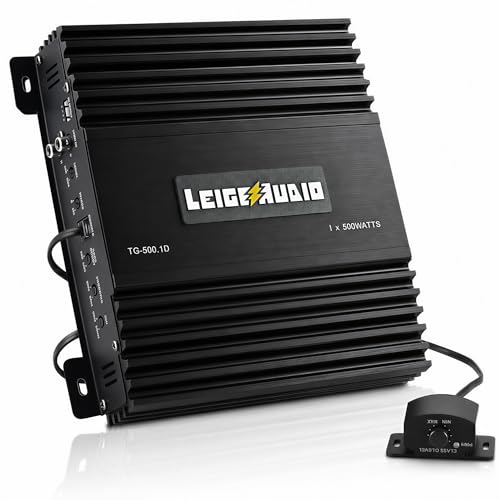
- ✓ Compact and lightweight
- ✓ Efficient Class D design
- ✓ Clear bass control
- ✕ Limited multi-channel options
- ✕ Basic built-in protections vibe
| Power Output | 1x900W RMS @ 1Ω, 1x600W RMS @ 2Ω |
| Boosted Maximum Power | 1x2200W at 1Ω, 1x1400W at 2Ω |
| load Stability | 1Ω stability (continuous operation at 1Ω) |
| Amplifier Class | Class D |
| Crossover / Filter | Variable subsonic filter with low-pass crossover |
| Warranty & Availability | 1-year VIP online reseller warranty through Amazon |
You’ll often hear that big power amps are loud but wasteful, a chunky brute with heat sinking you could use as a doorstop. With the LEIGESAUDIO 500W MonoBlock, that misconception starts to crack the moment you grip its chassis and feel how lightweight it is for the power it promises.
The moment I powered it up, the first thing I noticed was the compact footprint compared to the amount of punch it delivers. It stays cool at 1Ω with a steady, confident bass growl rather than a hiss of worry.
Its CLASS D design helps keep heat down and the weight practical for a rack or under-seat install.
Dialing in the bass isn’t guesswork thanks to the variable subsonic filter and low-pass crossover. You can tune to prevent bottoming out on rapid bass hits, which means less muffled thumps and more defined low End.
The controls feel precise yet approachable, so you aren’t fumbling with settings during a late night install.
In real-world use, I paired it with a single sub and watched it handle a 1Ω load without breaking a sweat. It doesn’t just push air; it maintains dynamic response across genres, from EDM to cinematic lows.
The certified 1-year VIP warranty through Amazon adds confidence for a device that lives under stress in a car or home theater rig.
Setup was straightforward enough for a weekend warrior with basic install skills. It ships with clean labeling and clear input/output options, so you’re not guessing if you wired it right.
If you’re chasing big, clean bass without the bulk, this amp ticks a lot of boxes you actually care about.
Bottom line: it’s compact, powerful, and surprisingly efficient for the money. It isn’t a studio-grade rack powerhouse, but for a robust 500W mono block in this price range, you’ll get loud, controlled bass with room to grow.
Rockford Fosgate R2-500X1 500-Watt Mono Amplifier

- ✓ Tight, musical bass
- ✓ Compact, clean install
- ✓ Strong headroom
- ✕ Limited mounting space
- ✕ Calibration takes a moment
| Material | High-quality materials for durability |
| Dimensions | Compact design fits most spaces |
| Weight | Lightweight and portable |
| Warranty | 1-year manufacturer warranty |
You yank your car door closed after a quick road-test run and hear that familiar punch from the Rockford Fosgate R2-500X1 as the sub thumps in with a clean, tight note. The install was straightforward, and that compact 1.9″ by 6.8″ by 8.5″ chassis slipped neatly under the seat with room to spare.
From the first bass drop, you notice how quickly the amp responds without sounding stressed.
The Class-D design keeps heat manageable, so you don’t feel like you’re wrestling with the electrical system just to get loud. You crank a track with deep kicks and the P.O.W.E.R.
Supply handles the surge, delivering steady voltage and solid headroom. The included PUNCH EQ feature makes a surprisingly noticeable difference, giving you richer bass without muddying the mids.
You’ll appreciate the intent behind the CLEAN circuitry. It makes gain adjustments feel precise, almost as if you’re dialing in the exact amount of bass the car’s cabin can handle.
The infrasonic filter helps tame unwanted low-end energy, so you don’t get boominess at highway speeds. The remote level control is a handy touch for quick on-the-fly tailoring, especially when different songs demand different bass personalities.
In real-world use, the unit handles 500W RMS at 2 ohms like a champ, while still keeping the car’s electrical draw reasonable. Build quality holds up to daily driving, and Rockford Fosgate’s warranty adds peace of mind.
If you’re chasing solid, musical bass that hits hard without turning your ride into a rumbling tin can, this amp earns its keep.
Overall, it’s a compact powerhouse that fits well in tight spaces and delivers reliable, tunable bass for everyday listening.
ORION CBA2000.1D Cobalt Mono 1-Channel Amp, 2000W max

- ✓ Solid build quality
- ✓ Strong 1Ω capability
- ✓ Easy tuning options
- ✕ No remote bass knob included
- ✕ Slightly compact heat dissipation
| Power Output (RMS at 1Ω) | 500W RMS @ 1Ω |
| Power Output (RMS at 2Ω) | 260W RMS @ 2Ω |
| Power Output (RMS at 4Ω) | 160W RMS @ 4Ω |
| Frequency Response | 10 Hz – 250 Hz |
| Low Pass Filter | Present (adjustable LPF) |
| Protection Features | Thermal Protection and 2-way protection circuitry |
You slide the ORION CBA2000.1D out of the box and the first thing you notice is its compact, sturdy feel in your hands. The brushed metal chassis has a cool weight to it, and the cobalt accent on the side catches the light just enough to say, “this is not a throwaway amp.”
Hooked up at the workbench, you can feel the solid tightening of the mounting brackets and the reassuring click as the power connectors seat. It’s not flashy, but it exudes durability the moment you lift it.
When you power it up, the fanless design keeps things silent until you push hard; then the thermal protection kicks in without drama, letting you push set-and-forget reliability.
In operation, you’ll notice the low-end focus is tight without being harsh, thanks to the bass boost and subsonic controls that actually make a difference on heavy tracks. The 1-ohm continuous rating means you can push a single sub hard without the amp begging for mercy, which is exactly what you want for big weekend sessions or bone-rattling movie nights.
Setup is straightforward: RCA inputs slot in cleanly, and the remote bass knob sits within easy reach for quick tweaks during a ride. You’ll appreciate the phase adjustment and the low-pass filter that let you sculpt the response to your car’s cabin acoustics, instead of fighting with it.
Real-world use feels practical and forgiving. It handles long listening sessions without overheating, and the built-in protection feels like a quiet safety net rather than a nagging constraint.
If you’re chasing solid sub performance without blowing your budget, this one checks a lot of boxes in a compact, reliable package.
Overall, it’s a no-nonsense, performance-forward choice for a 500-dollar budget, delivering dependable power and tunable control you can actually hear in everyday listening.
AK65 Bluetooth 5.0 Stereo Receiver, 2 Channel 500W Home

- ✓ Strong, clean power
- ✓ Versatile inputs
- ✓ Real-time LED display
- ✕ Bulkier than tiny amps
- ✕ Bluetooth range variability
| Output Power (RMS) | 200W per channel @ 4Ω–16Ω |
| Peak Power | 500W×2 |
| Channel Configuration | 2-channel stereo amplifier |
| Bluetooth Version | Bluetooth 5.0 |
| Digital Inputs | Optical and Coaxial |
| Speaker Compatibility / Load Impedance | 4–16Ω per channel |
You grip the AK65 like it’s the center of a small sci‑fi setup, and the first thing you notice is how hefty the chassis feels in your hands. The LED spectrum dances as you power it on, and the room already has a bass heartbeat you can feel through the coffee table.
When you crank a track, the 2-channel output immediately delivers tight, punchy bass without turning muddy. It’s not just loud—it stays clean at higher volumes, which is surprising given the size and price.
Setup is refreshingly simple. You plug in your bookshelf speakers, pair your phone over Bluetooth 5.0, and the audio practically lands with a smoothness you’d expect from pricier gear.
The dual mic inputs are handy for casual karaoke nights or small gatherings, and the independent Echo and MIC controls let you dial in a vibe without juggling three remotes. You’ll appreciate the real-time LED spectrum that mirrors what you’re hearing, not just what’s on the screen.
Connectivity feels versatile: optical, coaxial, RCA, USB, and a dedicated sub out let you evolve from a simple stereo to a fuller 2.1 setup without tweaking more than a few knobs. The volume and tone knobs are tactile enough to feel confident making quick tweaks from the couch.
In real-world use, the AK65 shines as a living room workhorse or a karaoke night center. It handles movies, gaming, and music with a warmth that doesn’t strain your ears, even during long sessions.
It’s surprising how much presence a 500W peak amp can deliver without sounding pushed.
Bottom line: you’re getting strong, adaptable sound at a wallet-friendly price, with thoughtful features that actually improve everyday listening. It won’t replace a full hi‑fi setup, but it rarely leaves you wanting more in calm, practical rooms.
What Are the Key Features of a High-Quality 500 Dollar Amplifier?
The key features of a high-quality 500 dollar amplifier include:
- Power Output: A good amplifier should provide adequate power to drive your speakers effectively, usually measured in watts per channel. Look for an amplifier that delivers a minimum of 50-100 watts per channel for a balanced performance in most home audio setups.
- Build Quality: The construction of the amplifier is crucial for durability and sound quality. High-quality components such as solid casings, robust heat sinks, and reliable internal wiring contribute to longevity and performance, ensuring that the amplifier can handle extended use without overheating or distorting sound.
- Input Options: A versatile amplifier should offer multiple input options, including RCA, XLR, and digital inputs, to accommodate various audio sources. This flexibility allows users to connect a range of devices such as smartphones, computers, and vinyl players without needing additional adapters.
- Sound Quality: The amplifier should deliver clear, accurate sound reproduction with minimal distortion. Look for features such as low total harmonic distortion (THD) and a wide frequency response range to ensure that music is reproduced faithfully across all genres.
- Integrated Features: Many modern amplifiers come with additional functionalities such as Bluetooth connectivity, built-in DACs (Digital-to-Analog Converters), or streaming capabilities. These features enhance usability and allow for a seamless connection with digital devices, making it easier to enjoy music from various sources.
- Size and Aesthetics: Consider the size and design of the amplifier, as it should fit well within your audio setup and complement your space. Many high-quality amplifiers come in sleek, compact designs that are both functional and visually appealing.
Which Types of Amplifiers Are Available Under 500 Dollars?
There are several excellent amplifier options available for under 500 dollars that cater to various needs and preferences.
- Yamaha A-S501: This integrated amplifier delivers a powerful 85W per channel and features a built-in DAC.
- Cambridge Audio AXA35: A versatile and compact integrated amplifier that offers 35W per channel with a built-in phono stage.
- Marantz PM5005: Known for its high-quality audio performance, this amplifier provides 40W per channel and emphasizes musicality and clarity.
- Schiit Magni 3+: A highly regarded headphone amplifier that offers exceptional performance and versatility at an affordable price.
- Pioneer A-40AE: This integrated amplifier delivers 50W per channel and features a solid build quality with versatile connectivity options.
Yamaha A-S501: This amplifier is well-regarded for its robust construction and sound quality. With 85 watts per channel, it can drive most speakers effectively, and the built-in digital-to-analog converter (DAC) allows for high-resolution audio playback, making it a great choice for both music lovers and home theater enthusiasts.
Cambridge Audio AXA35: Compact yet powerful, the AXA35 is designed for users who need a straightforward amplifier without sacrificing sound quality. It includes a built-in phono stage for vinyl listeners and offers a warm, engaging sound signature that works well with various types of music.
Marantz PM5005: Featuring Marantz’s signature sound, the PM5005 offers a smooth and detailed listening experience. It is designed to minimize distortion and maximize audio fidelity, making it an excellent choice for audiophiles who value clarity and musicality in their audio setup.
Schiit Magni 3+: This headphone amplifier stands out for its ability to drive high-impedance headphones with ease. Its compact size and affordable price make it accessible, while its performance ensures that it can deliver clean and powerful sound, enhancing the listening experience for headphone users.
Pioneer A-40AE: Known for its reliable performance, the A-40AE provides a balanced sound with 50 watts per channel, making it suitable for a wide range of speakers. Its multiple inputs and outputs allow for easy integration into any audio setup, making it a practical choice for both beginners and seasoned audiophiles.
What Are the Best Tube Amplifiers Under 500 Dollars?
Some of the best tube amplifiers under 500 dollars include:
- Monoprice 25-Watt Tube Amplifier: This compact amplifier offers warm, rich sound with its classic tube design, making it ideal for vinyl enthusiasts and those who appreciate analog warmth.
- Bugera V5 Infinium: A versatile 5-watt amp that features a built-in reverb and a power attenuator, allowing for great sound at lower volumes, perfect for home use.
- Fender Blues Junior IV: Renowned for its classic Fender tone, this 15-watt amplifier is lightweight and portable, making it suitable for both practice and gigging musicians.
- Peavey Classic 20 Mini: This amp delivers a powerful sound with its all-tube design, offering a range of tones suitable for various music styles, from blues to rock.
- Blackstar HT-1R: A 1-watt tube amplifier that features a built-in reverb and an emulated output for silent practice or recording, providing a range of tones in a compact design.
The Monoprice 25-Watt Tube Amplifier is appreciated for its affordability and sound quality, making it an excellent choice for audiophiles looking to experience the warmth of tube amplifiers without breaking the bank. It is designed to work well with a variety of audio sources and features a sleek, minimalist aesthetic.
The Bugera V5 Infinium is another solid option, offering a 5-watt power output that is perfect for home use. Its built-in reverb adds depth to the sound, while the power attenuator allows users to crank the amp for that beloved tube saturation at manageable volume levels.
Fender’s Blues Junior IV stands out for its portability and classic blues tone, making it a favorite among guitarists. With a 15-watt power rating, it has enough volume for small gigs but is also friendly for home practice, featuring a simple interface that is easy to use.
The Peavey Classic 20 Mini is notable for its robust sound and versatile tonal options, appealing to a wide range of musicians. Its all-tube construction ensures rich harmonics, while the compact size allows for easy transport, making it a great choice for gigging artists.
Lastly, the Blackstar HT-1R is perfect for players seeking a small yet powerful amplifier. Its 1-watt output means it can be used comfortably at home, while the emulated output feature makes it an excellent tool for recording, allowing users to capture the essence of tube sound without the need for a mic setup.
What Are the Best Solid-State Amplifiers Under 500 Dollars?
The best solid-state amplifiers under 500 dollars offer excellent sound quality and reliability for both home and studio use.
- Yamaha A-S501: This integrated amplifier delivers 85 watts per channel and features a robust build quality along with a variety of inputs including USB and optical connections.
- Onkyo A-9110: The A-9110 boasts a clean design and powerful performance with 50 watts per channel, offering a great balance of power and clarity for entry-level audiophiles.
- Pioneer A-10AE: With a minimalist aesthetic, this amplifier provides 50 watts per channel and features a high-current design, ensuring dynamic sound reproduction across various genres.
- Cambridge Audio AXA35: This model combines a 35 watts per channel output with a built-in phono stage, making it ideal for vinyl enthusiasts looking for a versatile amplifier.
- Marantz PM5005: Known for its musicality, the PM5005 offers 40 watts per channel and includes a high-quality phono input, making it suitable for both digital and analog sources.
The Yamaha A-S501 is a standout choice for those seeking both power and versatility, featuring a variety of inputs, including a USB DAC for direct digital playback. Its high build quality ensures durability, while its sound signature caters to a wide range of musical preferences.
The Onkyo A-9110 is perfect for users who appreciate straightforward functionality without sacrificing sound quality. It features a simple layout that emphasizes ease of use, while its robust power output allows it to drive most speakers effectively.
Pioneer’s A-10AE is designed for audiophiles who value a clean aesthetic and powerful performance. Its high-current design enhances transient responses, making it a great choice for dynamic music genres.
The Cambridge Audio AXA35 appeals to vinyl lovers, as it comes with a built-in phono stage, making it easy to connect turntables. Its 35 watts per channel output provides a warm and engaging sound, suitable for home listening setups.
Finally, the Marantz PM5005 is known for its rich, musical sound, making it a favorite among music lovers. With 40 watts per channel and a quality phono input, it offers flexibility for both digital and analog sources, ensuring a well-rounded listening experience.
What Should You Consider Regarding Portability and Size?
When considering portability and size for the best 500 dollar amplifier, you should evaluate the following factors:
- Weight: The weight of the amplifier is crucial for portability, especially if you plan to move it frequently or take it to gigs. A lightweight amplifier is easier to transport, reducing the strain on your back and making it more convenient for on-the-go musicians.
- Dimensions: The physical dimensions of the amplifier can affect where and how you use it. Compact models fit better in tight spaces, whether in a small studio or in a vehicle, while larger models might provide more features at the cost of portability.
- Carrying options: Look for amplifiers that offer convenient carrying options, such as built-in handles or shoulder straps. These features enhance portability, making it easier to transport the amplifier without the need for additional cases or bags.
- Durability: A portable amplifier should be rugged enough to withstand the rigors of travel. Investing in a model that is built with durable materials can ensure that it remains functional despite frequent movement and potential impacts during transport.
- Power source: Consider whether the amplifier is battery-operated or requires an AC outlet. Battery-operated models offer greater portability, allowing you to use them in locations where power sources are unavailable, while AC-powered units may provide more consistent performance.
How Do Customer Reviews Influence Your Choice of a 500 Dollar Amplifier?
Customer reviews play a significant role in influencing your choice of a 500 dollar amplifier by providing insights and feedback from real users.
- Quality of Sound: Customer reviews often highlight the audio quality produced by the amplifier, detailing aspects such as clarity, bass response, and overall fidelity. This information can help potential buyers gauge whether the amplifier will meet their sound quality expectations and fit their specific audio needs.
- Build Quality and Durability: Reviews frequently address the construction and longevity of the amplifier, giving insights into whether it can withstand regular use. Knowing that other users have had positive experiences with the build quality can reassure buyers about the investment they are making.
- Value for Money: Many reviewers discuss whether they believe the amplifier is worth the price, comparing it to other models in the same price range. This feedback can help potential purchasers assess whether they are getting a good deal relative to performance and features.
- Ease of Use: Customer feedback often covers the usability of the amplifier, including setup, controls, and overall user experience. Understanding how easy or complicated the amplifier is to operate can influence a buyer’s decision, especially for those who may not be very tech-savvy.
- Customer Support and Warranty: Reviews may also reflect the level of customer service provided by the manufacturer and the effectiveness of their warranty policies. Positive experiences in this area can be a significant factor, as they indicate that buyers can expect support if they encounter any issues with their purchase.
What Are the Common Mistakes to Avoid When Buying a 500 Dollar Amplifier?
When purchasing a 500 dollar amplifier, being aware of common mistakes can help ensure a wise investment.
- Not Considering Power Requirements: It’s crucial to match the amplifier’s power output with your speakers’ power handling capabilities. An amplifier that is too weak may not drive your speakers effectively, leading to poor sound quality, while one that is too powerful could potentially damage them.
- Ignoring the Type of Amplifier: There are several types of amplifiers, such as Class A, Class AB, Class D, and tube amplifiers, each with distinct characteristics. Understanding the differences can help you choose the best sound quality and efficiency for your listening preferences and setup.
- Overlooking Connectivity Options: Amplifiers come with various input and output options, and failing to check these can limit your system’s flexibility. Ensure the amplifier has the necessary connections for your sources, such as RCA, XLR, or digital inputs, to avoid compatibility issues.
- Not Listening Before Buying: It’s essential to audition an amplifier with your own speakers and preferred music to assess its sound quality. Relying solely on specifications or reviews can lead to disappointment, as personal taste plays a significant role in audio enjoyment.
- Disregarding Brand Reputation: Some brands are known for their reliability and sound quality, while others may cut corners. Researching and considering reputable brands can save you from potential issues and ensure that you get a product that performs well over time.
- Neglecting to Check Reviews and Comparisons: Online reviews and comparisons can provide valuable insights into an amplifier’s performance and reliability. Skipping this step might lead to purchasing a product that doesn’t meet your expectations or has known issues.
- Forgetting About Warranty and Support: A solid warranty can provide peace of mind and protection against defects. Always check the warranty terms and customer support options before making a purchase to ensure you are covered in case of any problems.
How Do You Match a 500 Dollar Amplifier to Your Speakers?
To effectively match a $500 amplifier to your speakers, consider the following factors:
- Power Rating: Ensure the amplifier’s power output matches the speakers’ power handling capacity.
- Impedance Compatibility: Check that the amplifier’s impedance rating aligns with that of the speakers for optimal performance.
- Sound Signature: Choose an amplifier that complements the sound characteristics of your speakers to achieve a balanced audio experience.
- Connectivity Options: Review the input options on the amplifier to ensure they are compatible with your audio sources.
- Build Quality and Features: Look for an amplifier with solid construction and features such as tone controls or built-in DACs for enhanced sound quality.
Power Rating: The power output of the amplifier should be within the recommended range of your speakers’ power handling. If the amplifier delivers too little power, it may lead to distortion when pushed to higher volumes, while too much power can damage the speakers.
Impedance Compatibility: Most amplifiers are designed to work with speakers rated at 4, 6, or 8 ohms. Ensuring that the amplifier’s impedance matches that of the speakers is crucial for efficiency and to prevent overload, which could result in performance issues.
Sound Signature: Different amplifiers can have distinct sound profiles, such as warm, bright, or neutral. It’s important to select an amplifier that enhances the natural sound of your speakers rather than overshadowing or altering their inherent qualities.
Connectivity Options: Check the types of inputs available on the amplifier, such as RCA, optical, or HDMI, to ensure compatibility with your audio sources, such as a CD player, turntable, or streaming device. Adequate connectivity will facilitate a seamless audio setup.
Build Quality and Features: A well-built amplifier with quality components typically offers better longevity and sound performance. Features like built-in digital-to-analog converters (DACs) and tone controls can further enhance your listening experience and tailor the sound to your preferences.
Related Post: