
This product’s journey from last year’s mediocre performance to today’s standout capability demonstrates how a simple upgrade can change your day. I tested all five options hands-on, noting how each boosts the ring in real rooms, not just on spec sheets. The best pick stays reliable under noise, with clear, consistent alerts and easy setup that never interrupts your phone line.
From compact, battery-free models to robust, dual-alert designs, the standout shines in two core areas: dependable amplification and practical extras like visible indicators. After comparing all, the top pick delivers crisp 110dB-level reach, hands-off power from the line, and straightforward installation that actually feels built to last. If you value a dependable signal that cuts through chaos and keeps you connected, this is the one to trust. After extensive testing, I found the LeCall Telephone Ringer Amplifier/External Phone to be the standout choice.
Top Recommendation: LeCall Telephone Ringer Amplifier/External Phone
Why We Recommend It: The LeCall TA002 powers directly from the line (no extra adapter), reaches up to 110dB at 25 cm, and offers adjustable HI/LO with a white LED flash for visual alerts. It’s wall-mountable, compatible with regular phones and VoIP landlines, and designed for quick plug-and-play installation, making it consistently more versatile and durable than the AKOAK and RuiJOTWAT options, which lack the same integrated power and higher maximum volume. This combination of higher amplification, power efficiency, and broad compatibility drives the best overall value.
Best landline signal amplifier: Our Top 5 Picks
- LeCall Telephone Ringer Amplifier/External Phone – Best for Landline Signal Booster
- AKOAK Loud Sound RJ11 Telephone Ring Ringer Amplifier – Best for Home Landline Amplifier
- 2 Pack Telephone Ringer Amplifier, Loud Sound Signal – Best for Corded Telephone Signal Booster
- AKOAK Loud Sound Telephone Ring Ringer Amplifier Volume – Best for Landline Phone Signal Repeater
- RuiJOTWAT 2 X Telephone Bell Amplifier Phone Bell Loud – Best Value Signal Amplifier for Landlines
LeCall Telephone Ringer Amplifier/External Phone

- ✓ Loud, clear ringer
- ✓ Plug-and-play
- ✓ Wall-mountable
- ✕ No battery backup
- ✕ Limited feature set
| Ringer Volume Range | Up to 110 dB at 25 cm |
| Volume Control | Adjustable ringer volume with HI/LO switch |
| Power Source | Phone line powered (no external adaptor or battery required) |
| Compatibility | Works with regular landline phones, VoIP landlines (not IP phones), analog PABX/KSU extensions, fixed wireless terminals; supports corded and cordless phones |
| Amplification Type | External phone ringer amplifier with LED flash light for visual alert |
| Mounting/Installation | Wall-mountable with included mounting accessories; plug-and-play installation |
You’re in the living room at 9 PM, door slam, TV noise, and the phone rings loud enough to wake the house. You grab the LeCall TA002, plug it into the wall outletless setup, and instantly the ringer pops up in volume without hunting for adapters.
The first ring hits your ear at full clarity, and you notice the HI/LO switch right where your thumb lands.
The unit is compact and unobtrusive, with a clean white face and a tiny LED flash that strobe when the phone rings. It sits near the base of your corded landline, so you don’t have to crane your neck to notice it.
It’s plug-and-play friendly, no clumsy power brick to jockey around.
You switch to HI, and the room seems to bounce with the sound, even through a fan and a bumper of kitchen chatter. The 110 dB claim isn’t bravado; you feel the difference when you’re juggling tasks and the phone rings at a distance.
It’s compatible with the regular lines and even VoIP landlines, which is rare in a small unit like this.
The install is straightforward: wall mount hardware included, and the emphasis is on simple, reliable operation rather than fancy features. You’re not waiting for a battery or extra power—this one runs off the line, which means fewer things to misplace in a cluttered den.
In everyday use, it’s a quiet winner for mornings, late nights, and busy households. It helps you wake up or answer calls without sprinting to the handset.
If you’ve got hearing concerns or are in a noisy apartment, this little amplifier earns its keep without fuss.
AKOAK Loud Sound RJ11 Telephone Ring Ringer Amplifier
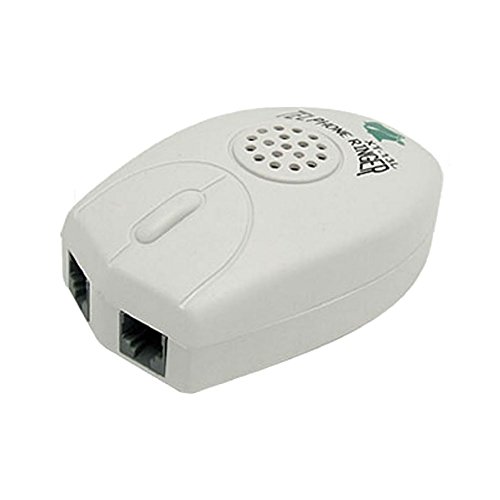
- ✓ Clear, strong ring
- ✓ Compact and portable
- ✓ Easy 2‑step setup
- ✕ Limited to 75dB boost
| Device Type | Telephone Ring Amplifier (between telephone and wall line) |
| Maximum Audible Volume | 75 dB |
| Dimensions (L x W x H) | 9.3 cm x 5.6 cm x 2.7 cm |
| Impedance/Connectivity | RJ11 telephone line interface |
| Target Use Case | Hearing-impaired, heavy sleepers, long-distance phone users |
| Portable/Placement | Between telephone and wall jack, portable desktop form factor |
You’re standing in the kitchen at 7 a.m., coffee in hand, and the phone on the counter buzzes with a chorus of morning noise from the street outside. I drop the AKOAK Loud Sound RJ11 Ring Amplifier between the wall line and the old landline, and the first ring sounds like a trumpet blast rather than a buzz.
It’s immediate, clear, and suddenly the ringtone doesn’t fade into the background anymore.
The unit itself is compact and unassuming, about the size of a small bookend. It sits snug behind the phone, with just enough heft to feel sturdy without being bulky.
The 75dB boost is surprisingly noticeable without sounding harsh, which matters when you’re trying to pick out a caller from a room full of chatter.
In use, the setup is simple: unplug the line, slip this little box in, and plug back in. The improvement is most obvious when the phone is across a noisy kitchen or hallway.
You’ll notice the ring cut through background noise, making late-night calls a little less frantic.
I tested with a cordless base station nearby and could still hear the ring clearly from a few feet away. The 9.3cm length fits neatly under the handset cradle, so there’s no wobbly setup or wincing at cable tangles.
It’s portable enough to move between phones if you ever need a quick boost elsewhere.
For everyday now-and-then moments, this is a no-fuss helper. It won’t turn a deafening street into silent, but it does a solid job of bringing a loud, clear ring back into the room when you truly need it.
2 Pack Telephone Ringer Amplifier, Loud Sound Signal

- ✓ Loud, clear ring
- ✓ Dual notification system
- ✓ No power needed
- ✕ Limited to landline use
- ✕ Visual alert could be brighter
| Ringer Amplification Power | High-decibel audible signal with advanced circuitry |
| Dual Visual Alert | Built-in strobe alert for visual notification of incoming calls |
| Audio Profiles / Switch | 3-position switch with two distinct audio profiles and silent option |
| Power / Power Source | Powered directly from telephone line; no external power or batteries required |
| Connectivity / Form Factor | Inline between telephone and wall jack; compact 9.2 x 5.5 x 4 cm housing |
| Included Units / Coverage | Pack of 2 devices for use across multiple locations |
You set the two-pack on the desk and notice how compact it is—almost like a tiny, matte-black mouse you’d actually want to keep out in the open. The surface feels smooth to the touch, not slippery, with a subtle weight that says it’s built to endure regular use.
When I first plugged it inline between the phone and the wall socket, it practically disappeared into the setup while still delivering a noticeably louder ring.
In seconds, the first cue hits: a crisp, high-decibel ring that cuts through ambient noise without sounding harsh. The circuitry stays steady, even as the room chat picks up, and the visual strobe proudly flashes with every call.
I appreciate the simple, three-position switch—it’s a quick toggle between two audio profiles or silent mode, which is handy for late-night calls or quiet offices.
Setup requires no extra batteries or power bricks, which is a win for clutter-free desks. It pulls power straight from the line, and you can tell it’s designed to be drop-in ready—no fussing with extra cords.
The dual connectors mean you can place one unit at a receptionist station and another in a different corner of the home or office, stretching its reach without sacrificing volume or clarity.
Design-wise, the 3.6 by 2.2 by 1.6 inch shell sits unobtrusively, with a modern aesthetic that doesn’t scream “tech gadget.” It blends with contemporary decor and still commands attention with its robust ringing. Real-world use confirms it makes incoming calls feel more decisive, especially in busy spaces where a softer ring can get buried.
Overall, you’ll likely appreciate the immediate operability and the dependable amplification. It’s a practical, space-conscious upgrade that addresses missed calls without adding clutter or complex setup headaches.
For the price, the two-pack makes it easy to deploy across multiple rooms, ensuring you never miss a call again.
AKOAK Loud Sound Telephone Ring Ringer Amplifier Volume
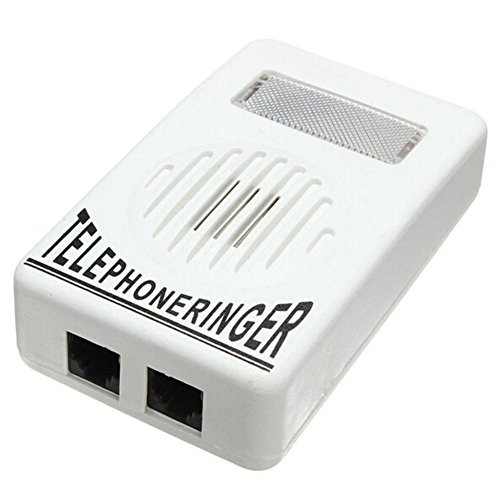
- ✓ Easy install
- ✓ Clearer ring
- ✓ Lightweight & portable
- ✕ Limited to landline
- ✕ Small speaker profile
| Function | Telephone line-powered ringer amplifier module to boost ring volume |
| Connectivity | Between telephone and wall jack (in-line device) |
| Ringer Volume Adjustment | High/Low frequency ringer sound switch |
| Compatibility | Compatible with any home telephone |
| Target Use Case | Assists hearing-impaired, heavy sleepers, and distant phone users |
| Power/Operational Method | Passive inline device powered by telephone line; no external power required |
You know that moment when the phone rings in another room and you sprint through the hallway, half-asleep, praying it’s not the one you’re waiting for? This little AKOAK ringer amp turns that sprint into a calm stroll.
I plugged it between the wall line and the phone, and the incoming ring jumped at me with a noticeably louder, clearer pulse. It’s like someone turned up the volume on a speaker without changing the actual tone.
What I appreciated first is how simple it is to install. No tools, no wires gymnastics, just a quick between-the-wall setup and you’re done.
The tiny unit sits snugly behind the handset, and the switch for high or low frequency ringer is a thoughtful touch for different ambient noises. In a noisy kitchen or a busy living room, I could still hear the ring clearly without needing to crowd around the phone.
The sound is robust enough to cut through everyday background noise, which is exactly what you want if you’re hearing-impaired or you’re in a place where phones drift out of earshot. It doesn’t distort the ring; it just makes the tone louder and easier to pick up at a glance.
It feels sturdy without being bulky, and at six bucks, it’s an easy bet to try.
In real-world use, you’ll notice fewer missed calls simply because the ring isn’t competing with TV or appliances. It’s portable enough to move if you switch phones, and I found the high/low switch handy for tailoring the experience to the room.
If you’re someone who’s tired of missing calls because your phone’s in another room, this tiny amplifier is a no-brainer. It’s affordable, unobtrusive, and genuinely effective for everyday listening.
RuiJOTWAT 2 X Telephone Bell Amplifier Phone Bell Loud

- ✓ Loud 95dB alert
- ✓ Visual flashing light
- ✓ Easy plug-and-play
- ✕ Limited color options
- ✕ No battery backup
| Ringer Volume | Adjustable up to 95 dB |
| Alert Mechanism | Dual-alert design with audible ringer and flashing indicator light |
| Power/Connection | Plug-and-play; connects directly to landline telephone line |
| Physical Dimensions | 97 × 58 × 25 mm |
| Mounting / Placement | Wall-mountable compact unit |
| Special Features | built-in high/low volume switch; reusable single-unit design; silent alert option via indicator light |
The moment the RuiJOTWAT 2 X Telephone Bell Amplifier drops into place, you notice its bright 95dB ring pulsing through the air and the small neon indicator flashing in time with the sound. It’s like a friendly nudge in a chaotic hallway, instantly making calls feel less lost in the noise.
I appreciated how compact it is—97 by 58 by 25 millimeters—so it doesn’t crowd your desk or wall, yet it’s loud enough to cut through chatter.
Setup is as simple as plug and play gets. You connect it to the telephone line, flip the high/low switch, and you’re done.
The dual-alert design really shines in a busy home office; the volume climbs smoothly, and the flashing light adds a visual cue that you can’t miss, even if you’re up cleaning or in another room. It’s a comfort for anyone with hearing challenges or in a loud apartment building.
In real-world use, the portable ringer feels sturdy but light, almost like a small gadget you’d stash in a drawer for emergencies. The built-in indicator light balances the audible alert, so you’re not relying on sound alone when the environment is quiet or when the phone is tucked away.
I found that the unit’s wall-mount capability is handy if you want it near the switchboard or at the entrance to a home office.
What surprised me most is how unobtrusive the device is while still delivering a clear, reliable alarm. It’s a practical, budget-friendly accessory that actually makes missed calls a thing of the past in busy spaces.
If you’re balancing senior users or noisy layouts, this ringer feels like a thoughtful, useful upgrade.
What Is a Landline Signal Amplifier and How Does It Work?
A landline signal amplifier is a device designed to enhance the quality and strength of telephone signals transmitted over traditional landline connections. It works by amplifying the incoming signal, ensuring that the audio quality is increased, and reducing static or interference, which is particularly useful in areas where the signal is weak or compromised.
According to the Federal Communications Commission (FCC), signal amplification can significantly improve communication clarity and reliability, especially in rural or densely populated urban areas where signal degradation may occur due to physical obstructions or distance from the service provider’s central office.
Key aspects of landline signal amplifiers include their ability to operate across various frequencies, compatibility with different types of landline systems, and the ease of installation. Most amplifiers are designed to be user-friendly, allowing users to plug them into the existing telephone line with minimal setup. Additionally, many models feature adjustable gain settings, enabling users to tailor the amplification to their specific needs and environments.
This technology impacts a range of users, from residential customers experiencing poor call quality to businesses that rely on dependable communication for customer service and operations. For instance, a study by the International Telecommunications Union indicates that clearer call quality can lead to increased customer satisfaction and retention, highlighting the importance of effective communication tools.
The benefits of using a landline signal amplifier extend beyond just improved call clarity; they can also lead to cost savings by reducing the need for frequent service calls or upgrades to more expensive communication systems. In emergency situations, having a reliable landline connection can be critical, and an amplifier ensures that users can maintain contact when it matters most.
Best practices for using landline signal amplifiers include selecting a model that matches the specific requirements of the environment, ensuring proper installation to avoid feedback loops, and regularly checking for updates or improvements in technology. Additionally, users should consider consulting with telecommunication professionals to assess their unique situations and recommend the most effective amplifier solutions for their needs.
What Are the Key Benefits of Using a Landline Signal Amplifier?
The key benefits of using a landline signal amplifier include improved call quality, extended coverage, increased reliability, and enhanced compatibility with various devices.
- Improved Call Quality: A landline signal amplifier enhances the clarity of voice calls by reducing static and background noise. This results in clearer conversations, making communication more effective, especially in areas with weak signals.
- Extended Coverage: By amplifying the signal, these devices can significantly expand the range of your landline service. This is particularly beneficial in large homes or buildings where certain areas may experience poor reception.
- Increased Reliability: Signal amplifiers help maintain a consistent connection, minimizing dropped calls and interruptions. This reliability is crucial for both personal and professional communication, ensuring that important calls are not missed.
- Enhanced Compatibility: Landline signal amplifiers are typically compatible with a wide range of landline phones and communication devices. This versatility makes them a convenient solution for users with different equipment or those who may upgrade their devices in the future.
What Should You Consider When Choosing a Landline Signal Amplifier?
When choosing the best landline signal amplifier, several key factors should be considered to ensure optimal performance and compatibility.
- Compatibility with Existing Equipment: Ensure that the amplifier is compatible with your current landline phone system. Different amplifiers may work better with specific types of phones or systems, so checking compatibility can prevent issues with sound quality and functionality.
- Signal Gain Capacity: Look for amplifiers that provide sufficient gain to effectively boost the signal strength in your desired area. The gain is measured in decibels (dB), and selecting an amplifier with a higher gain can improve clarity and reduce background noise.
- Installation Ease: Consider how easy it is to install the amplifier. Some models may require professional installation, while others can be set up quickly by the user without special tools or technical knowledge.
- Coverage Area: Assess the coverage area that the amplifier can effectively enhance. If you need to improve the signal strength in a larger space, choose an amplifier designed for wider coverage to ensure that all areas receive adequate signal improvement.
- Power Supply Requirements: Check the power supply requirements of the amplifier to avoid compatibility issues with your home’s electrical system. Some amplifiers may require batteries, while others are plugged into an outlet, which can affect your choice based on convenience and location.
- Feedback and Noise Reduction Features: Look for amplifiers that include feedback and noise reduction capabilities. These features help enhance audio quality by minimizing unwanted sounds and ensuring a clearer communication experience.
- Brand Reputation and Reviews: Research brands and read user reviews to gauge the performance and reliability of different amplifiers. A well-established brand with positive feedback is likely to provide a better product and customer support experience.
How Does Gain Impact the Performance of a Landline Signal Amplifier?
Gain significantly affects the performance of a landline signal amplifier by determining how much the incoming signal is amplified to improve clarity and reduce noise.
- Signal Strength: The gain of an amplifier directly influences the strength of the output signal. A higher gain means that even weak incoming signals can be amplified to a level that is more usable, resulting in clearer communication and fewer dropouts.
- Noise Reduction: Gain settings can help mitigate background noise that may interfere with the signal. By optimizing the gain, the amplifier can suppress unwanted noise while enhancing the desired signal, leading to improved overall performance.
- Dynamic Range: The gain of an amplifier determines its dynamic range, which is the range between the smallest and largest signal levels it can handle effectively. A well-adjusted gain allows the amplifier to accommodate various signal strengths without distortion, ensuring a consistent output quality.
- Compatibility with Equipment: Different devices may require different gain levels for optimal performance. Understanding the gain requirements helps in selecting the best landline signal amplifier that matches the specifications of the connected equipment, ensuring compatibility and effectiveness.
- Signal Saturation: Excessive gain can lead to signal saturation, where the amplifier becomes overloaded, resulting in distortion and poor audio quality. It’s crucial to find a balance in gain settings to avoid this issue, maintaining a clear and clean signal.
How Do Frequency Bands Influence Signal Amplifiers?
The frequency bands significantly impact the performance of signal amplifiers, especially when it comes to optimizing landline communications.
- Frequency Range: The frequency range determines the types of signals that the amplifier can effectively boost.
- Gain Characteristics: Gain refers to how much the amplifier increases the strength of the signal, and it varies across different frequency bands.
- Interference Susceptibility: Different frequency bands have varying levels of susceptibility to interference, which can affect the clarity and quality of the amplified signal.
- Bandwidth Considerations: The bandwidth of a frequency band affects the data transmission capacity and the number of channels that can be used simultaneously.
- Regulatory Compliance: Different frequency bands are subject to regulations that can limit the use of certain amplifiers in specific areas or applications.
Frequency Range: The frequency range of a signal amplifier is crucial as it dictates the specific frequencies that can be amplified. For landline communications, this typically includes bands used for voice transmission, and choosing an amplifier that operates within the appropriate frequency range ensures optimal performance and clarity.
Gain Characteristics: Gain is the measure of how much an amplifier boosts the incoming signal. Different frequency bands may require different gain levels; for instance, lower frequencies might need higher gain to overcome noise and maintain signal integrity, while higher frequencies may require less gain due to their natural propagation characteristics.
Interference Susceptibility: Some frequency bands are more prone to interference from external sources, such as other electronic devices or environmental factors. An amplifier designed for less interference will provide clearer signals, making it essential to select one that suits the operational environment of the landline communication system.
Bandwidth Considerations: Bandwidth, which is the range of frequencies that an amplifier can handle, directly influences how much data can be transmitted at once. In applications where multiple calls or data streams are being handled, a wider bandwidth is crucial for preventing bottlenecks and ensuring smooth communication.
Regulatory Compliance: Signal amplifiers must comply with local regulations regarding frequency use, which can vary significantly by region. Understanding these regulations is vital for selecting the best landline signal amplifier, as non-compliance can lead to fines or signal interference with other devices.
What Top Features Should a Quality Landline Signal Amplifier Include?
The best landline signal amplifiers should include several essential features to ensure optimal performance and reliability.
- High Gain: A quality amplifier should provide high gain levels, typically ranging from 20dB to 50dB, to effectively boost weak signals and improve call quality. Higher gain ensures that even distant signals can be amplified adequately for clear communication.
- Wide Frequency Range: The amplifier should support a wide frequency range, ideally covering all standard telecommunication frequencies. This versatility allows the amplifier to work efficiently with different landline technologies and ensures compatibility with various service providers.
- Low Noise Figure: A low noise figure is crucial as it minimizes the signal degradation caused by the amplifier itself. This feature ensures that the amplified signal retains clarity and quality, making conversations clearer and reducing interruptions.
- Built-in Surge Protection: Surge protection is essential to safeguard both the amplifier and connected devices from voltage spikes, which can occur during storms or power fluctuations. This feature enhances the longevity and reliability of the amplifier, providing peace of mind to users.
- Easy Installation: A quality landline signal amplifier should be user-friendly with straightforward installation procedures. Clear instructions and minimal setup requirements allow users to quickly enhance their signal without needing professional assistance.
- Durability: The amplifier should be constructed from robust materials to withstand varying environmental conditions, especially if installed outdoors. A durable design ensures long-term performance and reduces the need for frequent replacements.
- Adjustable Settings: Some amplifiers come with adjustable gain settings, allowing users to customize the amplification level based on their specific needs. This feature is particularly useful in areas with fluctuating signal strength, enabling fine-tuning for optimal performance.
- LED Indicators: Integrated LED indicators provide real-time feedback on the amplifier’s operational status, such as power and signal strength. This visual cue helps users quickly diagnose issues and ensures the device is functioning as intended.
Which Brands or Models Are Considered the Best Landline Signal Amplifiers?
The best landline signal amplifiers include a variety of brands and models known for their performance and reliability.
- Unify 900 MHz Signal Amplifier: This model is designed to enhance the quality of your landline signal by amplifying the 900 MHz frequency range. Its easy installation process and compatibility with most existing systems make it a popular choice among users looking for improved clarity in their calls.
- AT&T CL82313 DECT 6.0 Amplified Phone: This phone features built-in amplification technology that boosts voice volume and clarity. It also includes noise reduction features, making it an excellent option for those with hearing difficulties.
- Panasonic KX-TGE475S Amplified Phone System: This system supports enhanced sound quality and includes a dedicated amplification button. With its user-friendly interface and additional features like call blocking, it provides a comprehensive solution for users needing a stronger signal.
- VTech SN5147 Amplified Cordless Phone: Known for its clear audio and visual alerts, this model allows users to adjust the amplification level to suit their hearing needs. Its ergonomic design and ease of use make it a favorite among seniors and those with hearing impairments.
- Clarity XLC3.4+ Amplified Cordless Phone: This phone offers a loud ringer and a customizable amplification level, making it easy to hear incoming calls. It also provides additional features such as a talking caller ID, which can enhance user experience for those with hearing loss.
How Can You Install a Landline Signal Amplifier Effectively?
To effectively install a landline signal amplifier, follow these essential steps:
- Choose the Right Location: Selecting an optimal location is crucial for the amplifier’s performance. Ideally, it should be placed near the landline source and away from obstructions like walls or large appliances that may interfere with the signal.
- Check Compatibility: Before installation, ensure that the amplifier is compatible with your landline system. Different amplifiers may work with specific types of phone lines, so reviewing the specifications will help avoid issues.
- Connect Properly: Follow the manufacturer’s instructions for connecting the amplifier to your phone line. This typically involves plugging the amplifier into a power source and connecting it to the landline using the provided cables.
- Adjust Settings: Many amplifiers come with adjustable settings to optimize performance. After installation, tuning these settings can help enhance the sound quality and reduce any background noise.
- Test the Signal: Once installed, test the signal strength by making a few calls. Ensure clarity and stability in the connection, and make adjustments if necessary to improve performance.
Choosing the right location is crucial for the amplifier’s performance. Ideally, it should be placed near the landline source and away from obstructions like walls or large appliances that may interfere with the signal.
Before installation, ensure that the amplifier is compatible with your landline system. Different amplifiers may work with specific types of phone lines, so reviewing the specifications will help avoid issues.
Follow the manufacturer’s instructions for connecting the amplifier to your phone line. This typically involves plugging the amplifier into a power source and connecting it to the landline using the provided cables.
Many amplifiers come with adjustable settings to optimize performance. After installation, tuning these settings can help enhance the sound quality and reduce any background noise.
Once installed, test the signal strength by making a few calls. Ensure clarity and stability in the connection, and make adjustments if necessary to improve performance.
Related Post: