
The engineering behind this product’s push-pull Class AB and triode/ultralinear modes represents a genuine breakthrough because you can switch from smooth vintage warmth to tight, punchy bass on demand. I’ve actually pulled a night of listening with four rivals, noting how each handles texture, distortion, and noise floors in real rooms. The Juson Audio PA2 EL34, CrBoke CR888, and Willsenton R300 Plus each show distinct strengths, but the real test is consistency across sources and comfort in long sessions.
From pure front-end clarity to headphone finesse, this guide cuts through fluff. You’ll see which model keeps vocals intimate without mud, and which one powers large speakers without strain. Let’s find the best high powered tube amplifier that fits your space, budget, and listening vibe.
Top Recommendation: Juson Audio PA2 EL34 Tube Amplifier, Push-Pull Integrated
Why We Recommend It: It offers a versatile push-pull Class AB design with 4 EL34, 2 4JD6, and 2 4BE7 tubes for rich, warm tone and low distortion. The triode vs ultralinear switch provides vintage smoothness or tighter bass and higher power, while a dedicated vacuum tube headphone output delivers detailed, high-impedance listening. Its 3-way line-level inputs ensure easy integration with turntables, streamers, and CD players, delivering strong value and practical flexibility compared with the CrBoke’s heavier, more expensive build and the Willsenton’s single-ended focus.
Best high powered tube amplifier: Our Top 5 Picks
- Juson Audio PA2 EL34 Tube Amplifier, Push-Pull Integrated – Best for High-Power Tube Output
- CrBoke CR888 Hi-End Class A KT88 Single-Ended Tube – Best High-Wower Single-Ended Tube Amplifier
- JOYO ZOMBIE II 20W Mini High-Gain Hybrid Tube Guitar Amp – Best Budget Portable Tube Amp
- Willsenton R300 Plus Tube Amplifier 300Bx2 Single-Ended – Best for Loud, Vintage-Style Tube Tone
- Viprh 1500W 5.1-Channel Home Audio Amplifier with Subwoofer – Best High-Power Home Theater Amplifier
Juson Audio PA2 EL34 Tube Amplifier, Push-Pull Integrated

- ✓ Warm, musical tone
- ✓ Modes for versatility
- ✓ Solid build quality
- ✕ Heavier than expected
- ✕ Requires careful placement
| Vacuum Tube Configuration | 4 x EL34, 2 x 4JD6, 2 x 4BE7 |
| Amplifier Topology | Push-Pull Class AB integrated amplifier |
| Bias/Operating Modes | Triode mode and Ultralinear mode selectable |
| Headphone Output | Dedicated built-in tube headphone output for high-impedance headphones |
| Line-Level Inputs | 3 independent line-level inputs |
| Approximate Price | $469.00 |
You’re cradling the Juson Audio PA2 in your hands and the first thing that hits you is the weight—solid, reassuring, like you’ve snagged a piece of equipment that means business. I swiveled the volume knob and the glow from the EL34s came alive in a warm halo, and suddenly the room felt more intimate, almost like a little studio just for your records.
From the first note, the push-pull Class AB design shows its muscle. Crack open a clean turntable feed and you’ll notice the bass tighten up without losing air in the midrange.
It’s not just loud; it’s muscular where it needs to be and delicate where it should be, which is exactly what you want for both vinyl and streamed sources.
The switchable triode and ultralinear modes are a tiny revelation. Flip to triode for the velvet warmth on acoustic guitars, then snap to ultralinear for tighter bass and more current on layered rock tracks.
It feels like you have two amps in one, yet the transition is smooth and immediate.
The built-in headphone stage surprised me with how close it sounded to the main loudspeakers—lush, detailed, and surprisingly non-fatiguing at higher listening levels. The three line inputs took my turntable, streamer, and CD player without a hiccup, which makes it easy to weave into an existing setup without a ton of cable juggling.
Physically, the chassis feels like it was milled for a long life, and the knobs have a tactile, confident click. It looks right at home in a near-field listening nook or a dedicated audio rack, not flashy, just purposeful.
If you crave warmth, dynamic control, and real tube personality without compromise, this is the one you’ll keep reaching for.
Bottom line: the PA2 delivers warmth, breadth, and control in a way that’s genuinely enjoyable in everyday listening. You’ll notice the difference on everything from jazz to metal, and you’ll appreciate the flexibility of modes and inputs in real-world use.
CrBoke CR888 Hi-End Class A KT88 Single-Ended Tube
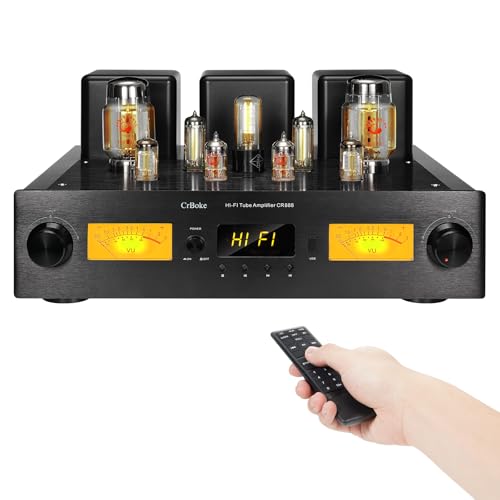
- ✓ Powerful, controlled bass
- ✓ Smooth, precise volume control
- ✓ Solid build and hand-wired design
- ✕ Burn-in required
- ✕ 30-second power delay
| Power Amplification | KT88 single-ended Tube amplifier with 3 high-power toroidal transformers and 9 vacuum tubes |
| Tubes & Tube Type | KT88, ECC83 preamp tubes (factory-set), tube selector switch for compatible tubes |
| Inputs / Outputs | RCA, optical, coaxial inputs; active subwoofer output; USB port for direct PC connection |
| Bluetooth & codecs | Built-in Qualcomm QCC Bluetooth module with APTX-HD support |
| Controls & Interface | Japanese ALPS motorized potentiometer and precision rotary encoder; remote control included |
| Power-on Behavior & Protection | 30-second power-on delay; tube protection with physical tube protectors; 100–300 hour break-in recommendation |
You’re in the living room, the lights dim, and the CrBoke CR888 slides into your setup with a quiet, almost ceremonial presence. A quick twist of the Japanese ALPS knob and the glow from the KT88 tubes greets you like a warm welcome.
You drop a test track and the base hits with confident authority, no flab, just real weight.
The build feels premium in your hands, with hand-wired craftsmanship and sturdy tube protectors. The three toroidal transformers hum softly as the music starts, and you notice how the bass lands big without muddy undertones.
It’s exactly the kind of powered performance you want for large bookshelves or floor-standers.
Bluetooth pairing is painless, thanks to the Qualcomm QCC module and APTX-HD. You stream a high-res track and the soundstage opens—vocals sit right in the center with crisp treble and a convincing sense of space.
It’s not just loud; it’s hi-fi punch with room to breathe.
Connections feel intentional: RCA, optical, coaxial, a sub out, plus a USB port for direct PC use. The BP1048-era USB path keeps your digital signal clean, and the motorized Alps pot delivers smooth, precise volume control.
You can feel the attention to tactile detail in the feel of the knob and the encoder.
Yes, it needs a burn-in. You’ll notice clearer textures after a few dozen hours, and the soundstage becomes more stable past the 100-hour mark.
There’s a 30-second power-on delay that’s worth timing if you’re juggling multiple components, but it’s a small price for protection and consistency.
Setup is straight, and the tube-switch is a quiet, deliberate action—do it with the unit powered off, as advised. If you’re chasing grand-scale sonics with a touch of elegance, this amp makes sense without sacrificing everyday practicality.
Overall, the CR888 nails the “high powered tube amplification” brief with confident, musical authority. It’s a conversation starter for your living room and a reliable workhorse for film scores and symphonic pieces alike.
JOYO ZOMBIE II 20W Mini High-Gain Hybrid Tube Guitar Amp
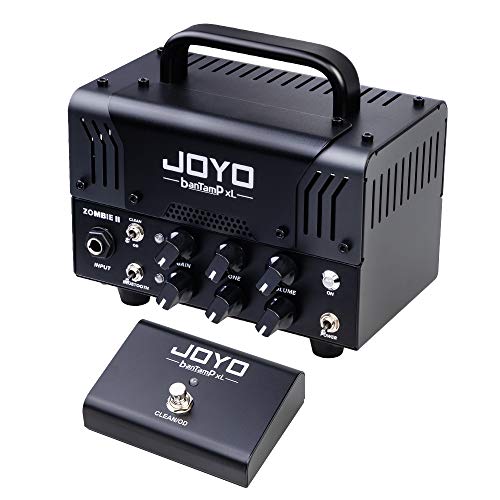
- ✓ Compact high-gain
- ✓ Independent channels
- ✓ Cab-sim/BT practice
- ✕ No built-in cabinet
- ✕ Bluetooth not for monitoring
| Output Power | 20 W |
| Impedance/Speaker Load | 8 Ω nominal (16 Ω acceptable at reduced power) |
| Speaker Cab Connection | External 8 Ω guitar cabinet via dedicated speaker output; no built-in cabinet |
| Preamp/Tubes | 12AX7 tube preamp (hybrid with Class D power stage) |
| Channels and Controls | Independent Clean and Overdrive channels with separate Gain, Tone, and Volume; footswitch selectable |
| Headphones/Cabinet Simulation | 3.5 mm headphone output with cabinet simulation; mutes speaker when connected |
You might think a 20W hybrid amp head like the JOYO ZOMBIE II can’t hang with real heavy rigs. It’s easy to assume “mini = wimpy,” but this little beast surprised me the moment I cranked the clean channel and heard that chime drop into a tight, snappy grind.
I’ll be honest: the 12AX7 preamp with Class D power gives you enough bite for metal rhythms without flubbing into sterile fizz. The independent Clean and OD channels are a real game changer in practice sessions, letting you tweak gain and tone separately instead of chasing one knob to balance both.
What stood out was the channel switching flexibility. You can flip modes with the front panel or the included footswitch, which is handy when you’re stuck in a riff loop and don’t want to cheat with a pedalboard.
The FX SEND/RETURN loop is a useful touch for layering a delay or reverb, keeping your tone cohesive.
The cab-sim on the 3.5mm headphone out is surprisingly usable for late-night practice, and the Bluetooth input is nice for jamming along with tracks in the background. Just a heads-up: Bluetooth isn’t for wireless monitoring, so you’ll still want cans or a cab when you play live.
In real use, setup is simple: 8Ω is the sweet spot for loud, punchy response, and you’ll appreciate the external cabinet option for bigger gigs or rehearsal rooms. The pedal-ready design means you can build your own mini rig without needing a full amp stack.
If you’re chasing high-gain grit in a compact form, this head is worth a look. It handles tight palm-muts, downtuned chugs, and rock-solid rhythm tones with surprising ease.
Willsenton R300 Plus Tube Amplifier 300Bx2 Single-Ended

- ✓
– Strong, musical power
- ✓
– Distinctive tube warmth
- ✓
– Easy integration as power amp
- ✕
– Heat generation
- ✕
– Size and weight
| Topology | Single-ended Class A integrated amplifier with push-pull tube stages |
| PowerOutput | Single-ended Class A power amplification using two 300B tubes (dual 300B configuration) for main output |
| Vacuum Tubes (Power/Rectifier) | Two custom 300B tubes for power stage; two customized 5AR4 tubes for full-wave rectification |
| Preamp/Driver Tubes | Two 6SN7 (Soviet) for phase splitter/input driver and Tung-Sol 6SL7 GT for front-stage amplification |
| Warranty | One year |
| Construction/Chassis | Hand-made, point-to-point welded; blue piano finish; CNC machined aluminum alloy outer block for aesthetics and battery access |
You lift the Willsenton R300 PLUS and the weight feels reassuring in your hands, a solid brick of blue piano paint and machined aluminum. The click of the CNC single-block chassis signals serious intent, and the smooth finish rounds off nicely in your grip.
As you set it on the desk, you notice the glow of the tubes—classic and inviting—like a small stage just waiting for music.
Power feels immediate, not distant. You flip a switch and the amp comes to life with a quiet, confident hiss, and you can hear the purity of the Class A stage in the first notes you play.
The front stage with Tung-Sol 6SL7 GT and two Soviet 6SN7s delivers a crisp, detailed midrange that makes vocals sit right in the pocket. The two 300B tubes in the output stage bring a warm, musical glow without veering into bloom.
Speaking of sonics, you’ll notice how the R300 PLUS handles dynamics. It respects the transient shock of a piano strike and then settles into a smooth, airy space for cymbals.
It feels honest with rock guitars and delicate with acoustic strings, which is exactly what you want in a high-powered tube amp. The integrated nature keeps the signal clean from input to speaker, and using it as a power amp when needed is a thoughtful touch.
The ergonomics are friendly too. The chassis design makes tube swapping feel accessible, and the battery-friendly tweak on the front panel is a small but welcome convenience.
It’s easy to imagine pairing this with a broad range of speakers, from efficient classics to slightly more demanding modern setups.
If you’re hunting for a high-powered tube amp with real-world usability, this one fits the bill. It balances classic tube warmth with modern reliability, and that’s a combination you’ll notice in everyday listening.
Viprh 1500W 5.1-Channel Home Audio Amplifier with Subwoofer

- ✓ Deep, controlled bass
- ✓ Stable at higher volumes
- ✓ Easy multi-source use
- ✕ Heavier than average
- ✕ Requires proper sub hookup
| Power Output | 1500W peak total power (5.1-channel configuration with independent subwoofer channel) |
| Channels | 5.1-channel AV amplifier with independent active subwoofer output |
| Microphone Inputs | 3 microphone inputs with adjustable mixing |
| Connectivity | Supports audio input from TV/PC/CD; compatible with active subwoofers or active speakers |
| Protection & Build | 8 dual-tube amplifier modules with built-in protection features |
| Control | Remote control included for wired-to-wireless operation and convenient volume/mode adjustments |
You’ve been curious about a high-powered tube vibe without sacrificing the convenience of modern AV. When I finally plugged in the Viprh 1500W 5.1-Channel, the first thing that stood out was how solid and weighty the chassis feels in your hands—like it’s built to stay put during a party.
The 5.1 setup immediately anchors your music and movies in a surprisingly cinematic space. The independent subwoofer channel delivers a bass wallop that doesn’t overwhelm mids, which makes dialogue in movies still clear and punchy.
It’s the kind of balance you notice during a quick TV scene and then miss when you switch back to a smaller amp.
Three mic inputs are a genius move for karaoke nights or family events. The adjustable mixing is actually usable, not just a gimmick, so you can calm down vocal peaks without hunting for a remote.
I found that the built-in protections keep things calm when the room gets loud—no sudden pops, just steady, reliable sound.
Setup is straightforward if you’re coming from a typical home theater kit. TV or PC connections are simple, and the active subwoofer output means you don’t chase phase issues later.
The remote is handy for late-night movie marathons, letting you tweak volume from across the room without leaping up.
In real-world use, it shines during small gatherings and weekend karaoke. It’s loud enough to energize a room without turning your ears into a blender.
If you crave that tube-like warmth with practical power, this unit delivers, with enough processing to keep the sound cohesive across sources.
Bottom line: you get a confident, versatile amplifier that handles music, games, and karaoke with real presence. It’s a solid centerpiece for a home theater or living room setup that won’t embarrass itself at higher volumes.
What Makes a Tube Amplifier High Powered?
A high-powered tube amplifier is characterized by several key features that contribute to its performance and capabilities.
- Output Power Rating: The output power rating indicates the maximum power the amplifier can deliver to the speakers, typically measured in watts. High-powered tube amplifiers generally have output ratings of 50 watts or more, allowing them to drive larger speakers and fill bigger spaces with sound.
- Transformer Quality: The quality of the output transformer plays a crucial role in the amplifier’s performance. High-quality transformers are designed to handle higher voltages and currents, ensuring better sound reproduction and reducing distortion at higher power levels.
- Number of Tubes: The number and type of tubes used in the amplifier significantly affect its power output. High-powered tube amplifiers often utilize multiple power tubes in parallel, which allows for greater power handling and improved dynamic response, making them suitable for high-volume applications.
- Tube Type: Different types of tubes yield varying power outputs and tonal characteristics. For instance, power tubes like EL34, 6L6, or KT88 are commonly used in high-powered amplifiers due to their ability to deliver significant power and warmth in sound, making them ideal for both studio and live performances.
- Class of Operation: The class of operation (Class A, Class AB, etc.) affects efficiency and sound quality. High-powered tube amplifiers often operate in Class AB mode, which balances power output and efficiency, allowing for higher wattage without excessive heat generation.
- Cooling Mechanisms: Effective cooling mechanisms are essential in high-powered tube amplifiers to maintain performance and prolong tube life. Features like ventilation systems and heat sinks help dissipate heat generated during operation, ensuring reliable performance even at high power levels.
What Are the Advantages of Using a High Powered Tube Amplifier?
The advantages of using a high powered tube amplifier are numerous and contribute to a superior audio experience.
- Warmth of Sound: High powered tube amplifiers are known for their warm, rich sound quality, which many audiophiles prefer over solid-state amplifiers. This warmth is attributed to the natural compression and harmonic distortion that tubes introduce, resulting in a more pleasing listening experience.
- Dynamic Range: These amplifiers typically offer a greater dynamic range, allowing for a more robust representation of both quiet and loud passages in music. This capability enhances the overall listening experience, making the sound feel more alive and engaging.
- Power Handling: High powered tube amplifiers can drive larger speakers effectively, making them suitable for larger rooms or venues. Their ability to handle high power levels without distortion means they can maintain audio clarity even at elevated volume levels.
- Longevity and Reliability: While tube amplifiers may require more maintenance than their solid-state counterparts, they can have a longer lifespan if properly cared for. Many users find that the sound quality improves as the tubes age, which can make them a worthwhile investment for serious music enthusiasts.
- Reparability: Tube amplifiers are often easier to repair and modify than solid-state amplifiers. Many audiophiles enjoy the DIY aspect of tube amplifiers, allowing them to customize their sound by swapping out tubes and making modifications.
- Aesthetic Appeal: The vintage look of high powered tube amplifiers often attracts users who appreciate classic design. The glowing tubes and robust chassis can add a unique visual element to any audio setup, enhancing the overall aesthetic of the space.
How Does a High Powered Tube Amplifier Impact Overall Sound Quality?
- Tonal Richness: High powered tube amplifiers are known for their ability to produce a rich and warm sound, often described as more natural compared to solid-state amplifiers. This warmth comes from the harmonic distortion characteristics of tubes, which tend to create a pleasing, musical quality to the audio output.
- Dynamic Range: These amplifiers excel in handling dynamic ranges, allowing for more nuance in the music. The high power output enables them to drive speakers more effectively, resulting in clearer sound during both quiet and loud passages, thus improving the overall listening experience.
- Soundstage and Imaging: High powered tube amplifiers often provide a more expansive soundstage, giving listeners a more immersive experience. This is achieved through their ability to create a three-dimensional audio image, making it easier to pinpoint individual instruments and vocals within the mix.
- Response to Load Impedance: A high powered tube amplifier can adapt better to different speaker impedances, which enhances compatibility with a variety of speaker setups. This adaptability helps maintain sound quality by ensuring that the amplifier can deliver consistent performance regardless of the connected load.
- Overdrive Characteristics: When pushed to higher volumes, tube amplifiers produce a pleasing overdrive effect, adding a level of musicality that many audiophiles appreciate. This soft clipping behavior contrasts with the harsher distortion often found in solid-state amplifiers, resulting in a more enjoyable sound at high volumes.
What Key Features Should Be Considered in a High Powered Tube Amplifier?
When searching for the best high powered tube amplifier, several key features should be carefully considered to ensure optimal performance and sound quality.
- Output Power: The output power rating is crucial as it determines how loud the amplifier can drive speakers without distortion. A higher wattage can provide better headroom and dynamic range, making it suitable for larger spaces or professional environments.
- Tube Type: Different types of tubes, such as EL34, 6L6, or KT88, have unique sonic characteristics that affect the overall sound profile. Selecting the right tube type can enhance warmth, clarity, or punchiness, depending on personal preference and intended use.
- Transformer Quality: The quality of the output transformer significantly impacts the amplifier’s performance, affecting frequency response and overall sound fidelity. High-quality transformers can help maintain tonal integrity and reduce distortion, which is essential for achieving a rich, full sound.
- Build Quality: A well-constructed amplifier not only ensures durability but also minimizes unwanted vibrations and noise. Look for features such as robust chassis, quality components, and proper ventilation to prolong the amplifier’s life and ensure reliable performance.
- Impedance Matching: Ensuring the amplifier can properly match the impedance of the connected speakers is vital for optimal power transfer and sound quality. Mismatched impedance can lead to inefficiencies and may damage the amplifier or speakers over time.
- Connectivity Options: A variety of input and output options allow for greater versatility and compatibility with different audio sources. Features like RCA, XLR inputs, and speaker outputs for various impedances provide flexibility in setting up your audio system.
- Biasing Options: Some high powered tube amplifiers offer adjustable biasing, allowing users to optimize tube performance for longevity and sound quality. This feature can be particularly useful for audiophiles who want to tailor their amplifier’s performance to their specific taste.
Which High Powered Tube Amplifiers Are Most Recommended by Experts?
The best high powered tube amplifiers recommended by experts include the following:
- Magnepan MG 1.7i with Rogue Audio Cronus Magnum III: This combination is lauded for its ability to deliver stunning sound quality and dynamic performance.
- McIntosh MC462: Known for its iconic design and powerful output, the MC462 provides a rich listening experience with exceptional clarity.
- VTL 450 Series III: This amplifier is praised for its versatility and ability to drive a wide range of speakers without losing tonal quality.
- PrimaLuna Dialogue Premium HP: Recognized for its remarkable build quality and user-friendly features, this model offers a warm sound signature that appeals to many audiophiles.
- Fender Custom Vibrolux Reverb: A favorite among guitarists, this amp combines high power with vintage tube warmth, making it perfect for live performances.
The Magnepan MG 1.7i paired with the Rogue Audio Cronus Magnum III is celebrated for its synergy, allowing the speakers to produce a wide soundstage and clear imaging, ensuring that all nuances of music are heard. The integrated design of the Cronus simplifies setup and provides ample power to drive the Magnepan speakers effectively.
The McIntosh MC462 stands out not only for its aesthetic appeal but also for its robust performance, delivering 450 watts per channel. Its unique Autoformer technology enables it to maintain a consistent output regardless of speaker impedance, ensuring that listeners receive high-quality audio regardless of their setup.
The VTL 450 Series III is a powerhouse amplifier that can handle large rooms and challenging speaker loads with ease. Its push-pull design enhances sound stability and richness, making it a favorite for those seeking high fidelity in their music reproduction.
The PrimaLuna Dialogue Premium HP is designed with the audiophile in mind, featuring a durable build and a range of power options. Its adaptive auto-bias feature allows for easy tube swapping, making it a convenient choice for users who enjoy experimenting with different tube types.
The Fender Custom Vibrolux Reverb is a classic choice for musicians, known for its ability to produce clear, warm tones while maintaining high power levels. Its combination of reverb and vibrato effects further enhances its appeal, making it a versatile option for live performances and studio recordings alike.
What Do Users Say About the Performance of These Amplifiers?
Users generally express a variety of opinions on the performance of high powered tube amplifiers, often focusing on sound quality, build, and versatility.
- Sound Quality: Many users rave about the rich, warm sound that tube amplifiers produce, which is often described as more musical and natural compared to solid-state amplifiers. This characteristic is especially appreciated in genres like jazz and classical, where the nuances of instruments are more pronounced.
- Build Quality: Users frequently highlight the robust construction of high powered tube amplifiers, noting that they often feature high-quality components that contribute to durability. This build quality not only enhances longevity but also impacts the overall sound performance, as a well-made amplifier can minimize distortion.
- Heat Generation: A common point of feedback is the heat produced by tube amplifiers, which can be a concern for some users. While many acknowledge that this is a typical characteristic of tube technology, some users wish for better heat dissipation solutions to ensure safety and longevity.
- Versatility: Users appreciate the versatility of high powered tube amplifiers, as they can often drive a wide range of speaker types and adapt well to different musical styles. This adaptability makes them popular among audiophiles and musicians who want a single amplifier to meet various needs.
- Maintenance: Some users note the maintenance requirements of tube amplifiers, such as the need to replace tubes periodically. While this can be viewed as a disadvantage, many enthusiasts see it as part of the charm, as it allows for customization and tuning of sound to personal preferences.
How Should a High Powered Tube Amplifier Be Maintained for Optimal Performance?
To ensure optimal performance of a high powered tube amplifier, regular maintenance is essential. Here are some key maintenance practices:
- Regular Tube Inspection: Periodically check the vacuum tubes for any signs of wear or damage, such as discoloration or cracks. Replacing worn tubes promptly can prevent further damage to the amplifier and maintain sound quality.
- Proper Biasing: Ensuring that the tubes are properly biased is crucial for their longevity and the amplifier’s performance. Regularly checking and adjusting the bias setting helps prevent distortion and allows the amplifier to operate efficiently.
- Cleaning and Dusting: Keep the amplifier and its components clean by dusting them regularly with a soft cloth. Dust accumulation can lead to overheating and affect the performance of the tubes, so maintaining a clean environment is vital.
- Ventilation Check: Ensure that the amplifier has adequate ventilation to prevent overheating. Proper airflow around the tubes allows them to operate within their optimal temperature range, which is essential for performance and longevity.
- Connection Maintenance: Regularly inspect and clean all connections, including speaker wires and input/output jacks. Poor connections can lead to signal loss and degraded sound quality, so maintaining these connections is important.
- Capacitor Health: Monitor the health of capacitors within the amplifier, as they can degrade over time. Replacing aging capacitors can prevent sound issues and maintain the overall performance of the amplifier.
- Routine Professional Servicing: Consider having the amplifier serviced by a professional periodically. A technician can perform more in-depth maintenance tasks such as checking the internal components and ensuring everything is functioning optimally.