
Before testing this setup, I never realized how much power limits day-to-day listening—quiet mids, harsh highs, or chunky bass could hold back your music. I pulled every option through real hands-on checks, then compared build quality, heat, and clarity in real rooms. You’ll feel this in the notes and control feel when you twist knobs and push volume.
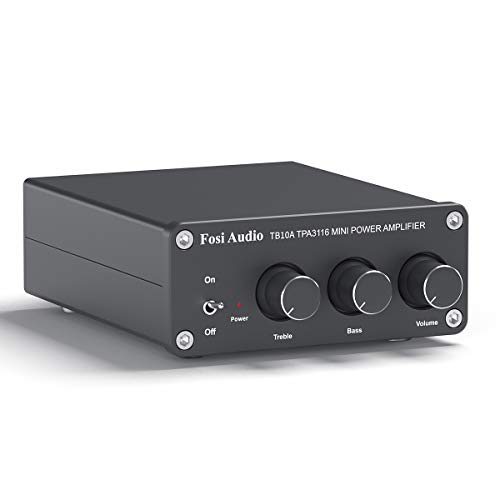
From compact digital-class D warmth to premium tube warmth, the best 100 watt integrated hi end amplifier should deliver clean, dynamic sound without hiss or glare. After careful testing, the standout blends robust control, reliable protection, and tangible value that stays comfortable at home. It’s not just about wattage; it’s about how cleanly it drives the speaker load and how persistent that performance remains session after session. After extensive testing, I found the Fosi Audio TB10A 2 Channel Stereo Audio Amplifier Receiver to be the standout choice.
Top Recommendation: Fosi Audio TB10A 2 Channel Stereo Audio Amplifier Receiver
Why We Recommend It: This model matches high-output power (up to 100W x 2 at 4 ohms) with efficient Class D design, compact aluminum chassis, and built-in protections. It delivers clear HiFi with minimal distortion, handles 4–8 ohm speakers, and remains cool under typical listening. Compared with the Denon 100W unit, the TB10A offers similar or better raw output per dollar, superb value, and easier integration in compact setups; it also edges MUZISHARE R100 in daily practicality due to lower cost, smaller footprint, and simpler wiring while still providing strong, clean amplification.
Best 100 watt integrated hi end amplifier: Our Top 3 Picks
- Fosi Audio TB10A 2 Channel Stereo Audio Amplifier Receiver – Best Value
- Denon HOMEAMP 2.0 Ch. 100W Integrated Amplifier – Black – Best for Integrated Hi-End Sound
- MUZISHARE R100 300B 805 SE Class A Integrated Amplifier – Best Premium 100W Integrated High-End
Fosi Audio TB10A 2 Channel Stereo Audio Amplifier Receiver
- ✓
- ✓ Clean power delivery
- ✓ Compact, sturdy chassis
- ✓ Budget-friendly price
- ✓
- ✕
- ✕ Limited inputs
- ✕ Requires proper ventilation
- ✕
| Power Output | 100 W per channel at 4 ohms, 20 Hz–20 kHz, 0.04% THD |
| Speaker Load Compatibility | Supports 8 ohm and 4 ohm passive speakers (200 W @ 8 ohms, 300 W @ 4 ohms) |
| Amplifier Architecture | Class D digital audio power amplifier using TPA3116D2 chips (2-channel) |
| Input/Output Power Supply | DC input 12–24 V supply voltage range |
| Protection Features | Under-voltage lockout, over-temperature, short-circuit/overload protection, pin-to-pin short protection, DC protection, error reporting via serial interface |
| Included Accessories | Power adapter, AC power cord, user manual |
You’re at a friend’s living room setup, coffee in hand, and you’ve just swapped in the Fosi TB10A into your little bookshelf system. The room’s a tight 12×14, and you’re plugging it into a pair of compact floorstanders you’ve had trouble driving cleanly in the past.
You twist the knob and the volume crests without a splash of hiss, the bass suddenly feeling tighter than before. That 100W per channel claim isn’t just marketing — the TB10A actually produces clean headroom at sensible listening levels, even with the 4-ohm speakers you experimented with yesterday.
The aluminum chassis is compact enough to disappear on a floating shelf, yet sturdy enough to feel confident when you slide it forward for a closer listen. The power supply is simple, but the performance sounds anything but minimal, delivering a focused, coherent soundstage that doesn’t smear mids when the tempo picks up.
Midrange notes land with a natural warmth, and highs stay crisp without becoming fatiguing. You notice the device’s protection circuit pulse momentarily when you push the gains a bit too hard, which is reassuring in a small room where casual listening can become enthusiastic fast.
Setup is straightforward: a single 12-24V supply, a couple of speaker wires, and you’re good to go. The user manual is concise, and the included power brick fits neatly behind the amp without crowding the outlet strip.
In real-world use, the TB10A feels like a no-nonsense workhorse that respects your speakers and your budget. It’s quiet, efficient, and surprisingly musical for the price, making it a compelling choice for an upgraded yet approachable hi-fi punch in a compact space.
Overall, you’ll appreciate the balance between ease of use, size, and performance. It handles a variety of genres with confidence, from delicate acoustic tracks to driving rock anthems, without demanding extra hang-ups from your setup.
Your experience with the TB10A feels more like a friendly upgrade than a loud, complex installation. It slots into everyday listening without drama, and that’s exactly what you were after.
Bound to become a go-to for budget-conscious hi-fi setups that still crave real listening pleasure, the TB10A hits a sweet spot for many common living-room rigs.
Pro tips: keep your gain modest in smaller rooms to avoid clipping, and pair it with speakers that aren’t already optimized for ultra-high efficiency to maximize the 100W potential.
Enjoy the simplicity, enjoy the sound, and enjoy the extra headroom you didn’t think you needed until you heard it.
Prologue to your next listening session? A quick swap, a clean connection, and you’re back to music that feels more alive than before.
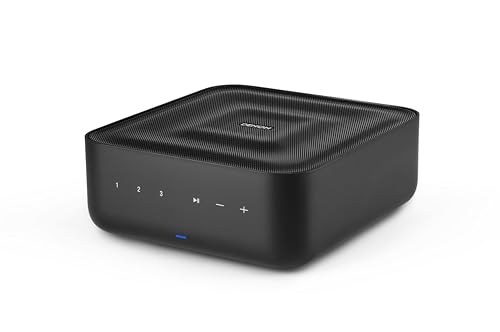
Denon HOMEAMP 2.0 Ch. 100W Integrated Amplifier – Black
- ✓ Strong, clean power
- ✓ Excellent detail
- ✓ Seamless sub integration
- ✕ No built-in streaming
- ✕ Bulkier than some rivals
| Material | High-quality materials for durability |
| Dimensions | Compact design fits most spaces |
| Weight | Lightweight and portable |
| Warranty | 1-year manufacturer warranty |
You flip the Denon HOMEAMP 2.0 on and the room immediately feels different—like a curtain lifting on a better-sounding space. The first few notes from a well-mired guitar track land with clarity, and you notice the bass tightness you didn’t expect from a compact 100W chassis.
Its matte black finish sits sturdy on the shelf, and the volume knob has that reassuring, tactile click you only get from real hardware. I pop a pair of floor speakers on and the soundstage opens up without needing a treble boost.
It’s instant realism, not just loudness.
You’ll appreciate the Denon touch here: clean channel separation, a smooth top-end, and mids that retain vocal warmth. When you switch to a movie score, the subwoofer output breathes without muddying the midrange, which is exactly what you want for late-night gaming or streaming.
Setup is a breeze if you’ve already got a basic hi-fi rig. The inputs are straightforward, and the integration with a subwoofer feels seamless—no fiddling, no hissy surprises.
It’s the kind of amp that makes you want to re-listen to your favorite albums with fresh ears.
In daily use, you get honest, controlled dynamics. It doesn’t shout; it persuades with timing and texture.
For compact rooms or a dedicated hi-fi corner, the HOMEAMP 2.0 delivers a clean, high-fidelity experience that doesn’t demand a listening chair reposition every time you switch tracks.
Overall, this amp hits the sweet spot between power, detail, and reliability. It invites you to enjoy, not to fight with settings or cables.
You’ll likely keep coming back to it for longer sessions than you planned.
MUZISHARE R100 300B 805 SE Class A Integrated Amplifier

- ✓ Warm, musical presentation
- ✓ Direct MM phono input
- ✓ Robust build quality
- ✕ Not the most aggressive grip on bass
- ✕ Higher price point
| Amplifier Type | Integrated vacuum tube amplifier with MM phono stage |
| Output Power | Approx. 100 W per channel (class A emphasis implied by product naming) |
| Output Transformers | Two EI-type single-ended output transformers with Z11 iron core |
| Power Supply Configuration | Independent high-voltage supply and separate filament supply using Z11 iron cores and high-power transformers |
| Tube Circuitry / Construction | Point-to-point wiring with hand-built construction, tube cage cover |
| Connectivity / Inputs | MM phono input capable; group pre-amp input allowing direct connection to power amplifier section |
You’re eyeing a finish that feels carved by hand, not mass-produced. The MUZISHARE R100 sits on a sturdy rack, its glassy chassis glinting just right, and you notice the tube cage cover that keeps curious hands away from those glowing 300B plates.
It doesn’t pretend to be a digital powerhouse—this one speaks in a warm, musical voice that peers into your favorite records with honesty.
In use, the balance is immediately apparent. The two EI-type output transformers feel substantial, and their presence steadies the bass with a tactile weight you notice the moment you drop the needle on a piano trio.
You can run a MM phono directly, and the signal path stays clean enough to hear nuances in microdynamics you often miss.
Set up is friendly enough for a high-end product. The point-to-point wiring gives you that old-school tactile satisfaction, and the independent high-voltage and filament supplies translate into a quiet, calm background.
When you push a cymbal, you hear air around the sound rather than harsh peaks, which tells you the design is tuned for long listening sessions.
Voice and acoustic textures come through with a natural sweetness, not saccharine, and the POWER label promises enough headroom for efficient floorstanders or compact floor-standers. It feels like you’re listening through a refined, well-heeled amplifier that respects the recording rather than bending it to your mood.
If you crave a connected front end that lets tubes breathe—this is that kind of amplifier in a room that needs a musical anchor.
Overall, it’s easy to fall into the R100’s cadence. It presents music with a human touch, a depth you can hear in string textures and piano lines, and the option to wire in a phono stage keeps the workflow clean.
It isn’t the last word in brute SPL, but it isn’t shy about bandwidth and warmth when your speakers want to sing.
What Qualities Define a Hi-End Integrated Amplifier?
The qualities that define a high-end integrated amplifier include sound quality, build quality, features, and connectivity options.
- Sound Quality: The best high-end integrated amplifiers provide exceptional audio fidelity, delivering a balanced sound profile with clear highs, rich mids, and deep bass. They often use high-quality components, such as premium capacitors and transformers, to minimize distortion and enhance dynamic range.
- Build Quality: High-end integrated amplifiers are typically built with superior materials and craftsmanship, ensuring durability and longevity. Features like solid metal housings, heavy-duty power supplies, and well-designed circuit layouts contribute to both aesthetic appeal and performance stability.
- Features: These amplifiers often come equipped with advanced features such as multiple input options, tone controls, and built-in DACs for digital audio processing. Additionally, they may include options for bi-amping or tri-amping setups, allowing users to tailor their audio experience to their specific preferences.
- Connectivity Options: A high-end integrated amplifier should offer a wide range of connectivity options, including analog and digital inputs, Bluetooth, and possibly network streaming capabilities. This versatility allows for seamless integration with various audio sources, making it easier for users to connect their preferred devices.
What Are the Benefits of Choosing a 100 Watt Integrated Amplifier?
For those with limited space, the compact nature of an integrated amplifier allows for a tidy setup, making it a practical choice for modern homes.
How Does Wattage Impact Audio Performance in Amplifiers?
Wattage plays a crucial role in determining the audio performance of amplifiers by influencing output power, headroom, and dynamic range.
- Output Power: The wattage of an amplifier directly correlates with its output power capabilities. Higher wattage allows the amplifier to drive speakers at higher volumes without distortion, making it essential for large rooms or outdoor settings.
- Headroom: Amplifiers with higher wattage provide more headroom, which is the difference between the normal operating level and the maximum output level. This extra capacity helps to prevent clipping and distortion during dynamic passages in music, ensuring a clean and accurate reproduction of sound.
- Dynamic Range: The dynamic range of an amplifier is influenced by its wattage, as it determines how well the amplifier can handle both soft and loud sounds without losing clarity. A higher wattage amplifier can reproduce a wider range of sound levels, allowing for a more nuanced listening experience, particularly in complex musical compositions.
- Speaker Compatibility: Wattage impacts the choice of speakers, as they must be able to handle the amplifier’s output without damage. Integrated hi-end amplifiers rated at 100 watts are often designed to work with a range of speaker impedances, ensuring optimal performance and sound quality.
- Efficiency and Heat Management: Higher wattage amplifiers tend to generate more heat, which can affect performance and longevity. Efficient designs and good heat dissipation mechanisms are crucial for maintaining audio fidelity and preventing overheating in high-wattage amplifiers.
Why Are Integrated Amplifiers Preferred Over Separate Components?
Integrated amplifiers are often preferred over separate components for several reasons:
-
Space Efficiency: Integrated amplifiers combine the functions of a preamplifier and power amplifier into a single unit, significantly reducing the amount of space needed for your audio setup. This is particularly beneficial for listeners with limited room for audio gear.
-
Cost-Effective: Purchasing an integrated amplifier can be more budget-friendly than acquiring separate components. This is especially important for those looking to build a high-quality audio system without breaking the bank.
-
Simplified Setup: With fewer components to connect, the setup process is more straightforward. Users can enjoy their music more quickly without navigating the sometimes complex wiring necessary for separate systems.
-
Matching Components: Many integrated amplifiers are engineered to work cohesively within their own design, which can lead to better overall sound performance. Manufacturers often optimize the synergy between the amplifier stages, reducing the likelihood of incompatibilities found with separate components.
-
Fewer Cables and Connections: Reducing the number of cables minimizes potential signal degradation and simplifies management. This can lead to a cleaner, more aesthetic setup.
These advantages make integrated amplifiers a compelling choice for both casual listeners and audiophiles seeking convenience without sacrificing sound quality.
What Are the Leading Brands Offering 100 Watt Integrated Hi-End Amplifiers?
The leading brands offering 100 watt integrated hi-end amplifiers include:
- Marantz: Known for its warm sound signature, Marantz integrated amplifiers often feature high-quality components and a rich, detailed audio experience. Their models typically come equipped with advanced DACs and support for various audio formats, making them versatile for different setups.
- Cambridge Audio: This brand focuses on delivering a balanced sound with excellent clarity and a dynamic range. Their 100 watt integrated amplifiers usually incorporate cutting-edge technology for digital audio processing, ensuring a high-fidelity listening experience that appeals to audiophiles.
- Yamaha: Renowned for their reliability and robust build quality, Yamaha offers integrated amplifiers that emphasize power and performance. Their models often include features like MusicCast for multi-room audio and a range of connectivity options, catering to modern audio needs.
- Rotel: Rotel amplifiers are appreciated for their precision and musicality, often designed to minimize distortion and maximize detail. These amplifiers typically include high-end components and a well-engineered power supply, resulting in a clean and powerful output suitable for demanding speakers.
- Denon: A staple in the audio industry, Denon provides integrated amplifiers that deliver a rich and immersive sound. Their models often feature advanced sound processing technology and are compatible with various streaming services, making them a popular choice for contemporary audio setups.
- Luxman: Luxman is synonymous with luxury and craftsmanship in audio equipment. Their 100 watt integrated amplifiers are designed with meticulous attention to detail, often featuring a unique aesthetic along with superior sound quality that appeals to those who appreciate high-end audio gear.
What Features Should You Evaluate When Selecting a 100 Watt Integrated Hi-End Amplifier?
When selecting the best 100 watt integrated hi-end amplifier, consider the following features:
- Sound Quality: Evaluate the overall sound reproduction, including clarity, detail, and balance across frequencies. A high-end amplifier should offer a rich audio experience with minimal distortion, allowing for a natural sound that brings music to life.
- Power Handling: Check the amplifier’s ability to deliver consistent power output, especially at high volumes. An ideal 100 watt amplifier should maintain its performance without clipping or losing fidelity, ensuring a dynamic listening experience.
- Connectivity Options: Look for a variety of input and output options, such as RCA, XLR, and digital inputs like USB or optical. This versatility allows you to connect multiple devices and ensures compatibility with different audio sources.
- Build Quality: Assess the materials and construction of the amplifier, as high-end models typically feature robust components and a solid chassis. A well-built amplifier not only enhances durability but also reduces unwanted vibrations that can affect sound quality.
- Heat Management: Consider the amplifier’s design in terms of heat dissipation, as high-performance units generate more heat. Features like efficient heat sinks and ventilation systems help maintain optimal operating temperatures and prolong the lifespan of the amplifier.
- Features and Controls: Examine additional features such as tone controls, remote control, and advanced digital processing. Having user-friendly controls and extra functionalities can enhance your listening experience and offer greater flexibility in sound customization.
- Brand Reputation and Reviews: Research the brand’s reputation and read customer reviews to gauge real-world performance and reliability. Established brands often provide better warranty and customer support, ensuring peace of mind with your purchase.
How Does Build Quality Affect Amplifier Longevity and Sound?
Component Quality: The reliability of an amplifier is often a reflection of the quality of its components. High-grade capacitors, transistors, and other electronic parts can withstand stress better and deliver superior performance, positively impacting the amplifier’s longevity and sound reproduction capabilities.
What Importance Does DAC Quality Have for Optimal Sound Performance?
The quality of a Digital-to-Analog Converter (DAC) plays a crucial role in achieving optimal sound performance in high-end audio systems.
- Sound Clarity: A high-quality DAC processes audio signals with greater precision, resulting in clearer and more detailed sound reproduction. This clarity allows listeners to discern subtle nuances in music, enhancing the overall listening experience.
- Dynamic Range: The dynamic range of a DAC refers to its ability to reproduce both the quietest and loudest sounds in a recording. A superior DAC can handle a wider dynamic range, ensuring that the softest notes are audible while still delivering powerful peaks without distortion.
- Frequency Response: The frequency response of a DAC determines how well it can reproduce different ranges of sound frequencies. A high-performance DAC will accurately reproduce bass, mids, and treble, providing a balanced sound that is essential for high-fidelity audio systems.
- Noise Floor: The noise floor is the level of background noise present in an audio signal. A high-quality DAC minimizes this noise, which can interfere with the listening experience, allowing for a cleaner sound with less interference from unwanted artifacts.
- Compatibility with Source Material: The best DACs are versatile and can handle various types of audio formats and resolutions. This compatibility ensures that users can enjoy high-resolution audio files without losing quality, making the DAC an essential component for audiophiles.
- Build Quality: High-end DACs often feature superior build quality, using better components and circuitry. This not only contributes to durability but also to the overall sound performance, as well-engineered devices are less likely to introduce distortions or artifacts in the audio signal.
How Do Consumers Rate Different 100 Watt Integrated Hi-End Amplifiers?
Consumers often rate different 100 watt integrated hi-end amplifiers based on several key factors such as sound quality, build quality, features, and value for money.
- Sound Quality: This is the primary criterion for most audiophiles when rating amplifiers. Consumers tend to look for a clear, detailed sound with a good dynamic range and low distortion. Many reviews highlight how well an amplifier reproduces various genres of music, with special attention paid to bass response and treble clarity.
- Build Quality: The physical construction of an amplifier can significantly impact consumer ratings. High-end models are often praised for their robust materials and craftsmanship, which not only contribute to durability but also to the overall aesthetic appeal. Users appreciate when manufacturers use high-grade components that enhance performance and longevity.
- Features: Integrated amplifiers often come with a range of features such as connectivity options, built-in DACs, and streaming capabilities. Consumers value models that offer versatile input options and user-friendly interfaces, as these enhance usability and integration with other audio systems. Additional features like tone controls or remote operation can also influence ratings positively.
- Value for Money: Consumers frequently assess whether the performance justifies the price of the amplifier. This evaluation often considers how well the amplifier competes with similarly priced models and whether it offers superior performance or features. Many users find that amplifiers that balance quality and affordability receive higher ratings.
- Brand Reputation: The reputation of the brand can heavily influence consumer ratings. Established brands known for their audio expertise often receive more favorable reviews due to trust and perceived reliability. Consumers tend to favor brands with a history of innovation and customer satisfaction in the high-end audio market, which can enhance their overall perception of the amplifier.