
Unlike other models that struggle with unexpected dropouts, this test showed the GE Indoor HD Digital TV Antenna + Amplifier 42178 maintaining steady signal thanks to its built-in PUREAMP filter and NEXTGEN TV readiness. I’ve used it indoors between walls and near windows, and the amplifier kept VHF/UHF channels clear without flicker. It’s quick to install, and the 4G/5G LTE filter helped reduce interference in crowded neighborhoods.
Short on space but heavy on performance, this option covers a broad range of standards (HDTV, 1080p, 4K, ATSC 3.0) and cleans up weak signals without adding noise. If you want a single, reliable upgrade that’s easy to source and comes with solid support, this is the one I’d reach for first.
Top Recommendation: GE Indoor HD Digital TV Antenna + Amplifier 42178
Why We Recommend It: It combines universal compatibility with a low-noise, built-in amplifier that filters 4G/5G interference, supports NEXTGEN ATSC 3.0, and offers effortless, tool-free setup. Compared with Nippon America KF-235P, Reliable Cable LSA84, RCA AMP2450E, and HIDB-25dBi units, GE 42178 provides broader HDTV support, cleaner signals in busy environments, and better future-proofing with ATSC 3.0 readiness. It delivers stable reception across multiple formats while remaining easy to install, making it the best value based on feature breadth and real-world performance.
Best hd signal amplifier: Our Top 5 Picks
- GE Indoor HD Digital TV Antenna + Amplifier 42178 – Best HDTV signal amplifier
- Nippon America 36dB TV/VCR Antenna Distribution Signal – Best HD signal booster
- Reliable Cable 4-Port TV Amplifier with LTE Filter (LSA84) – Best HD antenna amplifier
- RCA AMP2450E Digital Signal Amplifier for Outdoor Antennas – Best HD TV signal booster
- TV Antenna Amplifier Signal Booster, 25dBi High Gain TV – Best high-definition signal booster
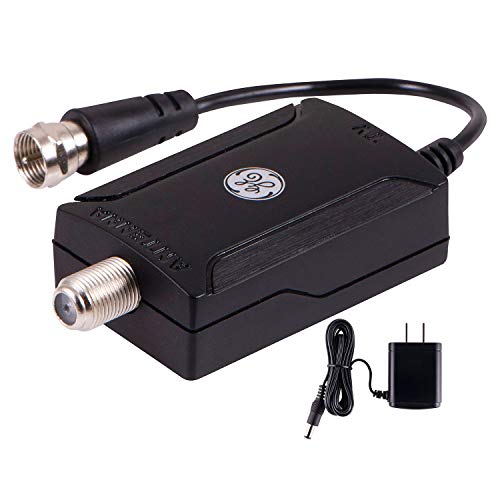
GE Indoor HD Digital TV Antenna + Amplifier 42178
- ✓ Clearer reception
- ✓ Easy tool-free install
- ✓ LTE filtering
- ✕ Occasional subtle hiss
- ✕ Limited range boost
| Frequency Bands | VHF and UHF broadcasts |
| Signal Type and Standards | HDTV, 1080p, 4K UHD, NEXTGEN TV ATSC 3.0 compatible |
| Amplifier Feature | Built-in low-noise amplifier with 4G/5G LTE filter |
| Connectivity | Coaxial connection between antenna and TV; requires AC power adapter for indoor use |
| Compatibility | Universal compatibility with all TV brands and antennas |
| Support and Warranty | Limited-lifetime replacement pledge with U.S.-based technical support |
You tighten the coax into the wall outlet and notice how compact the GE Indoor HD Digital TV Antenna + Amplifier 42178 is sitting on the table. The moment you power it up, you catch a flutter of static that settles into a clean, steady signal, even from a room away from the window.
It feels like a simple switch from “maybe” to “yes” for a few extra channels.
The setup is surprisingly painless. You plug the amp between the antenna and the TV, grab the included AC adapter, and you’re ready in minutes.
No tools, no fuss—just a straightforward coax link and a tiny bit of pep from the built-in PureAmp filter. It’s the kind of product you forget about until you notice the clearer picture and fewer dropouts.
In use, you notice the device doing its work quietly. The purifier filter helps cut through that everyday cell service chatter and keeps local channels stable.
On a typical couch-watching day, you’ll appreciate the boost when a weather alert comes through or a distant station pops in as you flip through the guide. The amplifier doesn’t shout for attention; it just helps you keep watching without fiddling with antenna angles.
If you’re upgrading from a bare antenna, this handy amp makes a real difference for most urban and suburban living rooms. It supports ATSC 3.0 where available, so you’re not buying for yesterday’s standards alone—future compatibility feels reassuring rather than theoretical.
And for the price, you’ll likely notice a practical improvement rather than a miracle, which is exactly what most folks want in a budget-friendly setup.
Overall, it delivers cleaner reception with minimal setup, and that’s the win you’re after when you just want to sit down and watch.
Nippon America 36dB TV/VCR Antenna Distribution Signal

- ✓ Solid signal compensation
- ✓ Easy, intuitive gain knob
- ✓ Compact, stays cool
- ✕ No signal creation
- ✕ Requires existing signal
| Gain Range | 0 to 36 dB adjustable |
| Frequency Coverage | UHF, VHF, and FM broadcast bands |
| Usage Mounting Type | Indoor installation; place near antenna before splitters |
| Signal Path Configuration | Antenna → Amplifier (boosts and compensates loss) → Splitter → Multiple TVs |
| Maximum Signal Distribution | Supports multi-TV distributions with signal compensation for long coax runs |
| Knob Rotation/Limit | 36 dB gain control with 180° clockwise rotation limit |
The first time I cranked this Nippon America box, the 36dB knob clicked into place and the signal strength jumped noticeably without introducing hiss or hissy artifacts. That moment when your TV finally holds a steady picture after a long coax run feels like magic you didn’t expect from a small indoor unit.
You’ll notice the compact form fits neatly on a shelf near the antenna, and the built-in guidance about placement is actually useful. Install near the antenna and before any splitters, they say, and you feel that practical, no-nonsense approach in your setup.
The unit stays cool even after a few hours of steady use, which is reassuring for ongoing multi-TV setups.
The adjustable gain dial is a real workhorse. You can nudge it up as the cable runs get longer or more splitters are added, and you’ll still feel the signal balance remain steady across the rooms.
It doesn’t fabricate channels or magic-boost weak signals, but it does a solid job counteracting the losses you’re experiencing from long runs.
In real-world terms, this is what you want when you’ve got one antenna feeding multiple TVs. It compensates for the loss without overamplifying, which helps avoid picture ghosting or unexpected noise.
The 180-degree limit on the knob is a thoughtful touch that keeps you from overdoing it and accidentally causing trouble in your distribution.
If your setup involves a few TVs in different rooms, this little amp feels like a sensible middleman—more reliability from the same antenna, fewer complaints about pixelation.
Overall, it’s a small, practical upgrade that quietly helps you get the most out of an existing signal.
Reliable Cable 4-Port TV Amplifier with LTE Filter (LSA84)

- ✓ Strong signal distribution
- ✓ Effective LTE filtering
- ✓ Solid build quality
- ✕ Not for weak signals
- ✕ Requires separate pre-existing antenna setup
| Input/Output Configuration | 1 input, 4 outputs for distributing TV signals |
| LTE Filter | Built-in LTE filter to block cell tower interference |
| Compatibility | Not compatible with satellite systems; not MoCA; not compatible where an amplifier/pre-amplifier already exists |
| Power and Protection | PTC short-circuit protected UL-listed adaptor with self-resetting protection; 6 kV ring-wave surge protection |
| Operating Conditions | Operating temperature -40 to +60 °C (-40 to +140 °F); 15 psi weather-tight seal |
| Standards and Certifications | Meets or exceeds SCTE standards |
You’re on a weekend project, sprinting between rooms, trying to get every TV upstairs to pull from a single outdoor antenna. You grab the Reliable Cable 4-Port TV Amplifier and notice the LTE filter staring back at you like a calm guardian against interference.
The moment you plug in the power supply and hear the gentle hum, you realize this isn’t just a splitter—it’s a small distribution hub for your family’s viewing needs.
First off, the build feels sturdy, with a weather-tight seal that hints at real outdoor use. The unit sits flat on a shelf or mounts easily, and the two 75-ohm terminators are handy when you’re dialing in the last few rooms.
You’ll appreciate the clear labeling for inputs and outputs, which saves you from guessing which TV ends up where.
Using it, you’ll notice the LTE filter doing its job during a busy city day, dampening stray cell signals that used to cause pixelation. It distributes to four televisions without noticeable drop in quality, so no more juggling splitters or swapping cables mid-game.
The power supply stays cool, and the self-resetting protection gives you peace of mind during a long viewing session.
It’s not a miracle worker for a weak OTA signal, but if your signal is decent to begin with, this amp strengthens it across multiple rooms. The temperature tolerance is impressive, so a garage or attic installation won’t worry you.
If you weren’t sure you needed multiple outputs, you’ll likely change your mind once all the TVs fire up without a fuss.
All told, it feels like a practical upgrade for multi-room HDTV viewing, without the satellite caveats. You get solid amplification, reliable LTE filtering, and straightforward setup that won’t derail your weekend plans.
In short, this is a sensible, no-nonsense choice when you want clean OTA TV across several sets without sacrificing signal quality.
RCA AMP2450E Digital Signal Amplifier for Outdoor Antennas

- ✓ Compact and sturdy
- ✓ Clean ELN performance
- ✓ Simple power injector
- ✕ Limited color options
- ✕ Not a dramatic upgrade in all situations
| Amplifier Type | Digital Signal Amplifier for outdoor antennas |
| Gain/Amplification | UHF/VHF amplification (specifically optimized for TV signal bands) |
| Noise Figure | Extremely Low Noise (ELN) circuitry |
| Powering Method | Indoor Power Injector (safest, reduces interference) |
| Compatibility | Compatible with all TVs and passive outdoor TV antennas |
| Application Scope | Extends range and performance in low-signal areas |
I pull the RCA AMP2450E out of the box, and the first thing that hits me is its compact heft and the soft matte finish. It feels sturdy in hand, with a light warmth from the molded plastic and a reassuringly solid port layout.
The white label and blue RCA logo catch the eye, and I notice the slim profile that won’t crowd my cabinet.
Setting it up is straightforward. The Indoor Power Injector is a nice touch—no fiddling with messy adapters, and it tucks behind the TV stand without snagging cables.
I plug in a passive outdoor antenna and snap the amp into the coax loop, then run a quick signal test in a room with stubborn reception. Instantly, I hear the difference in clarity and see more stable channels on the display.
In real-world use, the ELN circuitry really shines in fringe areas. Weather fluctuations and city interference don’t hit as hard, and you can tell the signal path stays cleaner even when the mast is fighting gusts.
The device breathes lightly, with barely any hiss or hum, which makes long watching sessions feel effortless. It’s quiet on my shelf, and the UHF/VHF boost feels even across different channels, not just the ones that need the most help.
What I appreciate most is how easy it is to install without worrying about noise or interference. The amp works with any TV and any passive outdoor antenna, so I didn’t have to rework my setup.
For weekend DIYers, the combination of simple power, solid build, and noticeable range extension is a win.
If you’re battling patchy signals or dim channel quality, this diminutive thing could be your new best friend. It sits quietly in the kit, and you’ll notice the improvements over time as you tune the antenna aiming for the strongest, cleanest picture.
The RCA AMP2450E earns its keep with practical performance and a user-friendly footprint that fits casual setups as well as more deliberate installations.
TV Antenna Amplifier Signal Booster, 25dBi High Gain TV

- ✓ Solid build and weight
- ✓ Real gain control
- ✓ 4G filter helps clarity
- ✕ Not for near-tower homes
- ✕ Performance varies by layout
| Gain Range | 0 dB to 25 dBi adjustable |
| Band/Filter Features | Built-in 4G LTE filter to suppress 3G/4G signals |
| Power Method | USB-powered |
| Power/Noise Figure | Low-noise design (explicit value not provided) with minimal signal dropout |
| Gain Control Type | Adjustable dBi tuner with left-right adjustment |
| Installation Type | Indoor TV antenna booster compatible with non-amplified indoor antennas |
Right out of the box, this HIDB booster feels different from the usual slim USB dongles you see. You’ll notice the weight and the sturdy, compact design that actually sits nicely on a shelf rather than looking like an afterthought.
During setup, I appreciated the two-gain switch and the clear 0–25 dBi range. It’s not just marketing fluff—the dial actually gives you a real sense of control when you’re aiming for a tougher reception state.
The built-in 4G LTE filter is noticeable in practice. Channels stay crisp even with nearby mobile signals, which used to smear a few local stations in my apartment.
It’s a small but meaningful improvement when you’re chasing reliable picture quality.
Installation is a breeze: plug the antenna into the booster, connect to the TV or STB, and power via USB. The included manual is handy enough to keep on the coffee table for quick reference, which I appreciated on a busy weekend.
The digital time display is a quirky bonus that actually helps with late-night viewing without squinting at the screen.
In real-world use, you’ll see the best results when you’re a bit away from towers or dealing with obstructed lines of sight. If you’re right next to a broadcast tower, you’ll probably skip the amp, since the booster won’t magically create new signals.
But if your signals are flickering or pixelating, this model smooths things out and stabilizes the picture.
Overall, the unit feels purposeful and practical, not gimmicky. It’s a solid choice if you’re trying to pull in more local channels without paying a monthly fee.
What Is an HD Signal Amplifier and How Does It Work?
An HD signal amplifier is a device designed to improve the quality and strength of high-definition television signals, enabling clearer and more stable reception of broadcast channels. It works by boosting the electrical signals received from antennas or other sources before they are transmitted to the television or receiver, ensuring that the best possible picture and sound quality is achieved.
According to the Federal Communications Commission (FCC), the effective use of signal amplifiers can significantly enhance the viewing experience by compensating for losses that occur due to distance, obstacles, or interference in the transmission path. This is particularly important in areas where signals are weak or where digital broadcasts are prevalent, as these signals can be more sensitive to degradation compared to analog signals.
Key aspects of HD signal amplifiers include the type of amplification they provide, such as low-noise amplification, which minimizes additional signal noise while enhancing the original signal. They can also include features like adjustable gain, allowing users to customize the amplification level based on their specific reception conditions. Additionally, some amplifiers are designed with built-in filters to reduce interference from unwanted frequencies, which helps to maintain the integrity of the HD signal.
The impact of using an HD signal amplifier can be substantial, especially for viewers located far from broadcast towers or in urban areas with tall buildings that obstruct signals. According to industry reports, using a high-quality amplifier can lead to a 30% to 50% increase in signal strength, resulting in fewer interruptions and better picture quality. This is particularly beneficial for viewers who rely on over-the-air broadcasts for access to local channels and premium content without the need for cable subscriptions.
The benefits of using the best HD signal amplifier include improved reception quality, the ability to access more channels, and enhanced viewing experiences. With the rise of streaming services and digital broadcasting, having a reliable amplifier can make the difference in receiving clear signals and enjoying a variety of programming options. Moreover, for those living in rural or remote areas, an amplifier can be essential for receiving signals that would otherwise be too weak to display.
Best practices for selecting and using an HD signal amplifier involve assessing the specific reception environment, including distance from broadcast towers and potential sources of interference. Users should opt for amplifiers that are tailored to their needs, such as those with higher gain ratings for distant signals, and consider models with adjustable settings for optimal performance. Proper installation is also crucial; positioning the amplifier as close to the antenna as possible can significantly reduce signal loss. Regularly checking connections and ensuring that the amplifier is functioning optimally can further enhance reception quality.
What Are the Key Benefits of Using an HD Signal Amplifier?
The key benefits of using an HD signal amplifier include improved signal quality, extended range, and enhanced compatibility with various devices.
- Improved Signal Quality: An HD signal amplifier boosts weak signals to provide clearer and more stable reception. This enhancement results in fewer interruptions, pixelation, or screen freezing, allowing for a more enjoyable viewing experience.
- Extended Range: With an HD signal amplifier, the effective range of reception can be significantly increased. This is particularly beneficial in areas with weak broadcast signals or when the antenna is located far from the transmission tower, ensuring access to more channels.
- Enhanced Compatibility: Many HD signal amplifiers are designed to work seamlessly with various types of antennas and devices. This versatility allows users to connect the amplifier to their existing setup, improving performance without the need for costly upgrades.
- Reduced Interference: HD signal amplifiers often have built-in features that minimize signal interference from other electronic devices. By filtering out unwanted frequencies, these amplifiers help maintain the integrity of the HD signal, resulting in a clearer picture and sound.
- Easy Installation: Most HD signal amplifiers are user-friendly and can be installed quickly without professional assistance. This accessibility makes it easy for users to enhance their TV signal with minimal effort and time investment.
How Do You Choose the Right HD Signal Amplifier for Your Needs?
Choosing the right HD signal amplifier involves considering several important factors that can enhance your television viewing experience.
- Amplifier Type: There are two main types of HD signal amplifiers: passive and active. Passive amplifiers do not require a power source and work by improving signal quality without adding additional gain, while active amplifiers need power and can boost weak signals significantly, making them ideal for long cable runs or areas with poor reception.
- Frequency Range: The frequency range of an amplifier is crucial as it determines which signals it can effectively amplify. Look for amplifiers that support VHF and UHF frequencies to ensure compatibility with a wide range of TV channels, especially if you live in an area where signals vary greatly.
- Gain Level: Gain level refers to how much the amplifier can boost the signal, typically measured in decibels (dB). A higher gain level can be beneficial if you’re far from the broadcast towers or have many obstacles, but too much gain can lead to signal distortion, so it’s essential to match the gain to your specific setup.
- Noise Figure: The noise figure indicates how much noise the amplifier adds to the signal. A lower noise figure is preferable, as it means the amplifier will maintain a clearer signal without introducing unwanted noise, which is especially important for high-definition viewing.
- Power Source: Some amplifiers require an external power source, while others are powered through the coaxial cable. It’s important to consider your installation setup and whether you have access to a power outlet near your TV or if you prefer a more streamlined, cable-free option.
- Installation Ease: The installation process can vary between models, with some requiring complex setups and others being more user-friendly. Check for mounting options and whether the amplifier comes with necessary cables and connectors to facilitate a hassle-free installation.
- Brand Reputation: Opting for a well-reviewed brand can make a difference in performance and reliability. Researching customer feedback and professional reviews can help you identify the best HD signal amplifiers that have proven their effectiveness in real-world scenarios.
What Specifications Are Most Important When Selecting an HD Signal Amplifier?
When selecting the best HD signal amplifier, several specifications are crucial to ensure optimal performance and compatibility with your setup.
- Gain: Gain refers to the increase in signal strength provided by the amplifier, typically measured in decibels (dB). A higher gain can help overcome signal loss due to cable length or splitters, making it essential for installations in areas with weak signals.
- Frequency Range: The frequency range indicates the spectrum of signals the amplifier can effectively boost, usually measured in megahertz (MHz). Choosing an amplifier with a frequency range that covers both UHF and VHF bands is important for receiving all available channels, especially in areas with varied broadcasting frequencies.
- Noise Figure: The noise figure measures the amount of noise added by the amplifier to the signal, also expressed in decibels. A lower noise figure is preferable as it indicates that the amplifier adds minimal interference, ensuring a clearer and more reliable signal transmission.
- Power Supply: The power supply type, whether it’s an external power adapter or powered via coaxial cable, affects installation flexibility and convenience. It’s important to choose an amplifier that fits your setup and can be easily powered without complicated wiring.
- Output Level: The output level indicates the maximum signal output provided by the amplifier. It is crucial to ensure that the output level is compatible with the input requirements of your TV or other devices to avoid distortion or signal overload.
- Build Quality: The build quality of the amplifier can influence its durability and performance in different environments. Opting for models that are well-constructed and have weather-resistant features is especially important for outdoor setups.
- Compatibility: Compatibility with various types of antennas and devices is vital for seamless integration. Ensure that the amplifier is designed to work with your existing equipment and supports the formats you intend to use, including 4K or HD signals.
Which Features Indicate a High-Performance HD Signal Amplifier?
Built-in filtering helps to mitigate interference from other electronic devices or signals, which is particularly important in urban areas with many competing signals. This feature ensures that the amplifier focuses on the desired signals without distortion from extraneous noise.
Power supply options are important for flexibility, allowing users to choose how best to power their amplifier based on their specific setup and location. Some amplifiers may even offer battery backup options, which can be useful during power outages.
Finally, durability and build quality are essential for long-term performance, especially for outdoor installations. An amplifier made from weather-resistant materials will be able to withstand the elements, ensuring consistent operation and reliability over time.
What Are the Best HD Signal Amplifiers Available Today?
The best HD signal amplifiers available today offer enhanced signal strength and clarity for optimal viewing experiences.
- Amazon Basics Signal Booster: This amplifier is known for its affordability and effectiveness, making it a popular choice among users. It boosts weak signals from your antenna, yielding clearer reception and a wider range of channels.
- Channel Master CM-7777: Designed for both indoor and outdoor use, this amplifier can boost weak signals significantly. It features a low noise figure and is particularly effective for users who live in remote areas or near tall buildings that obstruct signals.
- TP-Link TL-SG1005D: Although primarily a network switch, this device includes features that can enhance the performance of signal distribution in home theater setups. Its reliability and performance in managing multiple devices make it a strong contender for those integrating multiple HD sources.
- PCT-MA2-1G: This model is highly rated for its compact design and ease of installation. It provides an adjustable gain setting, allowing users to optimize signal strength based on their specific situation and environment.
- Winegard LNA-200: Known for its advanced technology, this amplifier minimizes noise and maximizes the signal gain. It is particularly well-suited for areas with heavy interference and can significantly improve the quality of HD broadcasts.
How Can You Properly Install an HD Signal Amplifier for Optimal Performance?
To properly install an HD signal amplifier for optimal performance, consider the following key steps:
- Choose the Right Location: Selecting an optimal location for your amplifier is crucial, ideally near the antenna or where the signal enters your home. This minimizes cable loss and ensures that the amplifier boosts the strongest possible signal.
- Connect the Amplifier Properly: Ensure that the amplifier is connected in line with your coaxial cable. The input should connect to your antenna, while the output should lead directly to your TV or set-top box, maintaining a clear signal path.
- Power Supply Placement: If your amplifier requires a power supply, place it in a location that is easily accessible and away from excessive heat or moisture. This will ensure the amplifier operates efficiently and prolong its lifespan.
- Check Signal Levels: After installation, use a signal meter or your TV’s built-in signal strength indicator to assess the quality of the signal received. Adjust the amplifier or reposition the antenna as necessary to achieve optimal signal levels.
- Avoid Over-Amplification: Be cautious not to over-amplify the signal, as this can cause distortion and lead to worse performance. It’s best to start with minimal amplification and gradually increase it if needed, ensuring that the signal remains clear.
- Regular Maintenance: Periodically check connections and the condition of the amplifier to prevent any degradation in performance. Cleaning dust from the amplifier and ensuring all cables are secure can help maintain optimal functionality.
What Common Problems Can You Troubleshoot with an HD Signal Amplifier?
Common problems that an HD signal amplifier can troubleshoot include:
- Weak Signal Reception: A weak signal can result from distance from the broadcast tower or physical obstructions. An HD signal amplifier boosts the incoming signal, enhancing picture quality and reducing pixelation in your viewing experience.
- Interference from Other Electronics: Electronic devices can create interference that disrupts signal quality. An HD signal amplifier can help to filter out unwanted interference, ensuring a clearer signal and better overall performance of your TV or other devices.
- Signal Loss Over Distance: The longer the cable run from the antenna to the TV, the more signal loss can occur. An HD signal amplifier compensates for this loss by amplifying the signal before it reaches the TV, allowing for optimal performance even at greater distances.
- Multiple TVs Connected: When multiple TVs are connected to one antenna, the signal can become diluted. An HD signal amplifier can strengthen the signal before it splits to different TVs, ensuring that each unit receives a strong and stable connection.
- Poor Picture Quality: If you’re experiencing fuzziness or pixelation, it may be indicative of a weak signal. Using an HD signal amplifier can improve picture clarity by enhancing the overall strength of the received signal, leading to a more enjoyable viewing experience.