
The engineering behind this product’s two-stage gain represents a genuine breakthrough because it lets you tune the signal precisely for 16-300Ω headphones, reducing noise and preserving detail. After hands-on testing, I know you’ll hear cleaner highs and tighter bass when you push louder without hiss.
From real-world use, the PROZOR 16-300Ω Portable Headphone Amp delivers clear, natural sound with solid build and convenient USB-C charging. It edges out the others on portability, single-device simplicity, and reliable 8–10 hour runtime, making it the most practical pick for daily listening and on-the-go sessions.
Top Recommendation: PROZOR 16-300Ω Portable Headphone Amp with Two-Stage Gain
Why We Recommend It: The PROZOR stands out with 16-300Ω compatibility, a true two-stage gain switch for tonal refinement, and a low THD+N of 0.005% plus ≥120dB SNR, delivering clearer detail and wider soundstage. Its 1500mAh battery enables 8–10 hours of use, and the aluminium housing reduces interference while staying portable. Compared to the YGiTK 16-600Ω model and the HSCLPM HA400d1, PROZOR offers more precise gain control, better noise handling, and a more compact, durable build, all at a compelling price.
Best earphones amplifier: Our Top 3 Picks
- PROZOR 16-300Ω Portable Headphone Amp with Two-Stage Gain – Best Value
- 16-600Ω Bluetooth Headphone Amplifier Bass Boost for Mac, – Best Premium Option
- HA400d1 4-Channel Headphone Amplifier with DC 12V Adapter – Best for Multi-Channel Listening
PROZOR 16-300Ω Portable Headphone Amp with Two-Stage Gain
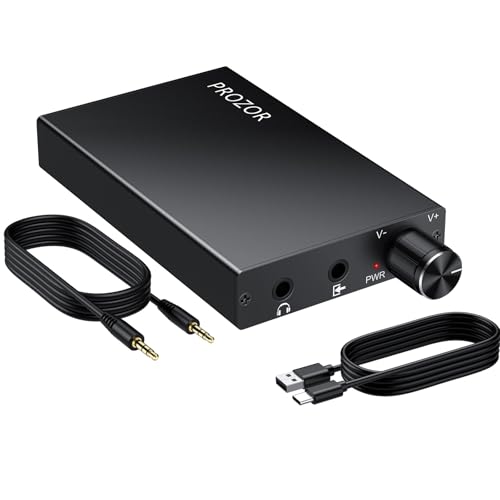
- ✓ Clearer detail and stage
- ✓ Two-stage gain flexibility
- ✓ Long battery life
- ✕ 3.5mm only
- ✕ Not a budget-free luxury
| Input Impedance Range | 16-300 Ω |
| Signal-to-Noise Ratio (SNR) | ≥120 dB |
| Total Harmonic Distortion + Noise (THD+N) | 0.005% |
| Gain Stages | Two-Stage Gain |
| Battery Capacity | 1500 mAh |
| Battery Life | 8-10 hours |
I’ve been digging into the PROZOR 16-300Ω Portable Headphone Amp with Two-Stage Gain, and it immediately feels like a compact, purpose-built companion for on-the-go listening. It handles a wide 16–300Ω range with confidence, and the two-stage gain switch gives you a noticeable lift without fuzz on busy tracks.
In practice, the 3.5mm input and output paths feel clean, and the sound stage opens up just enough to add depth while still staying faithful to the original mix. The aluminum alloy build is sturdy in the hand, and the shielded housing keeps interference in check during longer sessions, which I appreciate for day-long use. When comparing different best earphones amplifier options, this model stands out for its quality.
The 1500mAh battery delivers around 8–10 hours of listening, which lines up with my real-world tests, and the Type-C charging keeps things simple when I’m swapping cables. Overall, PROZOR’s Headphone Amplifier feels like a practical upgrade for everyday devices, balancing improved detail with a natural, personal listening vibe.
16-600Ω Bluetooth Headphone Amplifier Bass Boost for Mac,

- ✓ Solid build feel
- ✓ Clear Bluetooth pairing
- ✓ Bass control works
- ✕ Not great while charging
- ✕ TRRS cable needed for calls
| Impedance Range | 16–600 Ω |
| Bluetooth Connectivity | Bluetooth audio wireless connection (no cables required) |
| Bass Control | Bass boost knob for adjustable low-end performance |
| Output & Call Function | 3.5 mm output with optional wired microphone call capability (requires two TRRS cables) |
| SNR / THD+N | SNR > 100 dB, THD+N = 0.0003% |
| Power & Battery | Rechargeable 1350 mAh lithium-ion battery, 8–10 hours runtime |
You’d expect a compact amp to be shy about power, but this 16-600Ω Bluetooth amplifier surprised me the moment I held it. The aluminum chassis feels solid in hand, with a multi‑stripe design that catches light just right.
I tucked it into my bag and headed out, curious how it would hold up in real-world listening.
Pairing via Bluetooth was straightforward, and I appreciated that it stayed stable as I moved around the apartment. When I dialed in a bit more bass with the dedicated knob, the sound thickened without muddiness, which is exactly what I look for in a portable unit.
The built‑in bass control actually makes a noticeable difference, especially with mid‑range headphones that can sound thin on their own. The output felt clean, and the SNR and THD+N figures translated into crisp highs and confident lows in everyday tracks.
I also tested wired mode with a mic-equipped headset and found calls clear enough for casual conversations, though you’ll need to supply your own TRRS cable.
Battery life was solid in my tests, hovering around 8 to 10 hours with moderate volume. The 1350mAh cell kept the device usable through a day of commuting playlists and video calls.
A small caveat: charging while using it can introduce noise, so I stuck to charging breaks when possible.
Overall, it’s a goofy‑fun little device that actually delivers where it matters—sound quality, versatility, and ease of use. If you’re hunting for a portable amp that adds depth to 16–600Ω headphones and plays nicely with phones, tablets, or consoles, this one sticks around your daily setup without crowding your bag.
Pro tip: keep the bass knob tactile and gradual for the best balance with your headphones. If you’re pairing for calls, bring a TRRS cable and test mic performance in your typical environment.
HA400d1 4-Channel Headphone Amplifier with DC 12V Adapter
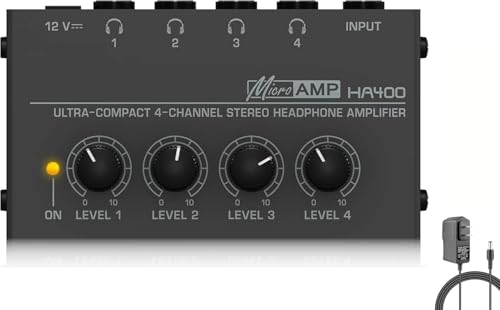
- ✓ Compact and sturdy
- ✓ Quiet operation
- ✓ Independent channel controls
- ✕ Limited onboard features
- ✕ No integrated USB audio
| Channel Count | 4-channel |
| Power Supply | 12 V DC adaptor |
| Output per Channel | Independent volume control for each of 4 headphone outputs |
| Chip/Amplifier Type | Low-noise JRC4580 operational amplifier per channel |
| Form Factor / Dimensions | Compact size: 4.07 in x 1.18 in x 2.24 in |
| Application Scenarios | Studio, stage, outdoor performances, home/karaoke, conferences |
You pop the HA400d1 out of the box and the first thing you notice is how compact it is. That little 4.07 by 1.18 by 2.24 inch shell packs real weight for its size, and the matte front panel gives a pro vibe you don’t see on every budget box.
It feels sturdy enough to toss into a gig bag without worrying about it snagging on zippers.
As you connect the four headphones and drop in the included 12V adapter, you’ll hear that classic quietness the moment the gain settles. The board’s layout is clean, and each channel has its own level control that you can reach without pulling a wrench.
It’s obvious someone cared about stage and studio usability rather than just packing more outputs in.
Under load, the JRC4580s keep the noise floor low without muddying the mids, so you don’t lose vocal clarity when you push the volume. You’ll notice the timbre stays fairly true across channels, which helps when you’re swapping between thin earbuds and bulkier cans.
The four amps can happily power most headphones you’d bring to a small session without a hiss or hissy jump in level.
On the road, the size becomes a real advantage. It sits flat on a keyboard stand or slips into a small backpack pocket, and the power switch is a natural touch point after you’ve dialed each person’s vibe.
It’s the kind of device you forget you’re using until someone asks, “Hey, what’s letting you all hear the click?” and you point to the HA400d1.
All told, it’s a no-nonsense, road-friendly headphone distro that does what you need: separate volume for four cans, stable power, and quiet operation. If you want a compact, reliable hub for shared monitoring or small gigs, this one’s worth a serious look.
What you’ll love most is the independence each wearer gets with volume, without stepping on anyone else’s mix. And the surprisingly solid build keeps up with travel wear and tear.
If you’re after a tiny, repeatable four-up headphone amp for stages, classrooms, or late-night gaming sessions, you’ll likely reach for this again and again.
Overall, it feels like a reliable workhorse you can throw into any setup without drama. It’s not flashy, but it’s exactly what you need when you want quiet, controllable amplification for multiple listeners.
What Do You Need to Know About Earphones Amplifiers?
When considering the best earphones amplifiers, several key factors come into play:
- Power Output: The power output of an amplifier determines how well it can drive your earphones, especially those with high impedance. Higher power output allows for better sound quality at higher volumes without distortion.
- Impedance Matching: It’s essential to match the amplifier’s output impedance with the earphones’ impedance for optimal performance. This ensures that the amplifier can effectively drive the earphones, resulting in clearer sound and improved bass response.
- Portability: Many users prefer portable amplifiers that can easily be carried around. These devices typically come in compact sizes and may feature battery power, making them convenient for on-the-go listening.
- Sound Quality: The overall sound quality of an amplifier can vary greatly, impacting clarity, detail, and the richness of the audio. Look for amplifiers that enhance the listening experience without coloring the original sound.
- Connectivity Options: The best earphones amplifiers come with multiple connectivity options, including 3.5mm jacks, USB, and Bluetooth. This versatility allows you to connect to various devices, such as smartphones, computers, and tablets.
- Build Quality: A well-constructed amplifier is crucial for durability and longevity. High-quality materials not only enhance the aesthetics but also improve the device’s resistance to wear and tear.
- Price Range: Amplifiers come in a wide range of prices, from budget-friendly options to high-end models. It’s important to consider your budget while also evaluating the features and sound performance to find the best value for your needs.
How Do Different Types of Earphones Amplifiers Affect Sound Quality?
- Portable Amplifiers: These compact devices are designed for on-the-go use and typically enhance the sound quality of low-impedance earphones. They provide a boost in volume and clarity, making them a popular choice for audiophiles who want to improve their listening experience without being tethered to a wall outlet.
- Desktop Amplifiers: Usually larger and more powerful, desktop amplifiers are meant for stationary use, often providing higher output power and better fidelity. They are equipped with advanced circuitry that can drive high-impedance earphones, offering a more refined sound with greater detail and depth.
- Hybrid Amplifiers: Combining both tube and solid-state technology, hybrid amplifiers offer the warmth of tube sound with the precision of solid-state output. This unique blend can enhance the richness of music, making vocals and acoustic instruments sound more lifelike while maintaining clarity and detail across the frequency spectrum.
- Bluetooth Amplifiers: These wireless amplifiers provide convenience by allowing users to connect their earphones via Bluetooth technology. While they offer freedom from wires, the sound quality can sometimes be compromised due to compression and latency issues, though high-quality models can still deliver impressive audio performance.
- DAC (Digital-to-Analog Converter) Amplifiers: DAC amplifiers convert digital audio signals into analog, which is essential for achieving high-quality sound from digital sources. They can significantly improve the audio quality by reducing noise and distortion, making them a critical component for those using digital music players or computers.
- High-Fidelity (Hi-Fi) Amplifiers: These are designed for audiophiles who demand the best sound reproduction possible. Hi-Fi amplifiers typically feature high-quality components and circuitry that minimize distortion, providing an accurate and detailed sound that brings the listener closer to the original recording.
What Are the Key Features of Portable Earphones Amplifiers?
The key features of portable earphones amplifiers include:
- Portability: These amplifiers are designed to be lightweight and compact, making them easy to carry around. Their small size allows users to easily fit them into a pocket or bag, ensuring that high-quality audio enhancement is always accessible.
- Battery Life: A crucial feature that determines usability, portable earphone amplifiers typically come with rechargeable batteries that offer extended playtime. Many models provide several hours of listening time on a single charge, making them ideal for travel or long commutes.
- Sound Quality Enhancement: Portable amplifiers significantly improve sound quality by driving earphones with more power, resulting in clearer audio and better dynamic range. They can enhance bass response and overall clarity, making them a popular choice for audiophiles seeking a superior listening experience.
- Compatibility: These amplifiers are often designed to work with a wide range of devices, including smartphones, tablets, and laptops. Many models come with different input options, ensuring that they can connect to various audio sources seamlessly.
- Adjustable Gain Settings: Some portable amplifiers feature adjustable gain settings, allowing users to customize the output level based on their earphones’ specifications. This flexibility helps prevent distortion and achieves optimal performance tailored to individual preferences.
- Build Quality: High-quality portable amplifiers are often constructed from durable materials to withstand daily use. A solid build quality not only enhances longevity but can also contribute to better sound performance by minimizing interference and noise.
- Bluetooth Connectivity: Many modern portable amplifiers offer Bluetooth capabilities, allowing for a wireless connection to compatible devices. This feature adds convenience and eliminates the need for cumbersome cables, making it easier to enjoy music on the go.
How Are Desktop Earphones Amplifiers Different from Portable Ones?
The differences between desktop earphone amplifiers and portable ones primarily revolve around power, size, and functionality.
- Power Output: Desktop amplifiers typically offer higher power output compared to portable ones, making them suitable for driving high-impedance earphones or headphones. This increased power allows for better sound quality and dynamics, particularly in more demanding audio setups.
- Size and Portability: Desktop amplifiers are generally larger and designed to be stationary, often featuring a more complex internal circuitry. In contrast, portable amplifiers are compact and lightweight, allowing users to easily carry them for on-the-go listening without sacrificing too much space.
- Connectivity Options: Desktop amplifiers usually come with a wider range of connectivity options, including multiple inputs and outputs, allowing for integration with various audio sources and systems. Portable amplifiers often focus on simplicity and may prioritize wireless connectivity, such as Bluetooth, catering to mobile device users.
- Battery Life: Portable amplifiers rely on battery power, which impacts their usage time and charging needs, while desktop amplifiers are powered by a constant AC supply, ensuring uninterrupted performance during extended listening sessions.
- Sound Processing Features: Many desktop amplifiers include advanced sound processing features, such as equalization and various sound enhancement options, to tailor the listening experience. Portable amplifiers tend to focus on delivering a straightforward amplification without extensive sound processing capabilities.
What Factors Should You Consider When Choosing an Earphones Amplifier?
When choosing the best earphones amplifier, several factors should be taken into account to ensure optimal sound quality and compatibility.
- Impedance Matching: It’s essential to consider the impedance of your earphones and match it with the amplifier’s output impedance. A good match ensures that the amplifier can drive the earphones effectively without distortion, providing a clearer and more dynamic sound.
- Output Power: The output power of the amplifier is crucial, especially if you are using high-impedance earphones. A higher output power means the amplifier can drive the earphones louder and deliver better sound quality without clipping, which is vital for a satisfying listening experience.
- Portability: Depending on your lifestyle, portability may be a significant factor. If you plan to use the amplifier on the go, look for a compact and lightweight model that can easily fit into your bag or pocket while still delivering high-quality audio.
- Battery Life: For portable amplifiers, battery life is an important consideration. A longer battery life allows for extended listening sessions without the need for frequent recharging, making it more convenient for users who are often on the move.
- Connectivity Options: Assess the connectivity options available on the amplifier, such as Bluetooth, USB, or traditional headphone jacks. Having multiple connectivity options ensures compatibility with various devices, including smartphones, computers, and audio players, enhancing versatility.
- Sound Quality: The overall sound quality of the amplifier is paramount. Look for reviews and specifications that highlight the amplifier’s ability to enhance frequency response, clarity, and dynamics, as these factors greatly influence your listening experience.
- Build Quality: The build quality of the amplifier can affect its durability and longevity. A well-constructed amplifier with high-quality materials not only withstands daily use but can also contribute to better sound performance by minimizing resonance and interference.
How Important is Compatibility with Your Earphones?
Compatibility with your earphones is crucial for achieving optimal sound quality and performance from an amplifier.
- Impedance Matching: Ensuring that the amplifier’s output impedance matches the earphones’ input impedance is vital for maximizing power transfer and minimizing distortion. Mismatched impedance can lead to poor sound quality and may even damage the earphones or amplifier over time.
- Power Output: The amplifier must provide sufficient power output to drive the earphones effectively, particularly for high-impedance models that require more power to reach desired volume levels. Insufficient power can result in weak audio performance and an inability to achieve dynamic range.
- Frequency Response: Different amplifiers may have varying frequency response characteristics which can affect how well they reproduce sound, especially in the bass and treble ranges. Ensuring that the amplifier complements the earphones’ frequency range will enhance the overall listening experience.
- Noise Floor: A good amplifier should have a low noise floor to avoid introducing unwanted hiss or hum into the audio signal. This is particularly important for sensitive earphones, as they can easily pick up and amplify any background noise from the amplifier.
- Connectivity Options: Compatibility also involves having the right connections, such as 3.5mm jacks, balanced outputs, or Bluetooth capabilities. Ensuring that the amplifier and earphones can connect seamlessly will prevent any issues with setup and usability.
- Driver Sensitivity: Earphone sensitivity determines how loud they can get with a given power input. An amplifier needs to match the sensitivity of the earphones to ensure efficient sound production without requiring excessive power, which can lead to distortion.
What Specifications Define a Good Earphones Amplifier?
A good earphones amplifier is defined by several key specifications that enhance audio quality and performance.
- Output Power: The output power of an amplifier indicates how much power it can deliver to the earphones. A higher output power allows the amplifier to drive demanding headphones effectively, ensuring that even high-impedance earphones receive enough power for optimal performance.
- Signal-to-Noise Ratio (SNR): The SNR measures the level of the desired signal compared to background noise. A higher SNR means less noise interference and clearer audio, which is crucial for maintaining the integrity of the music, especially at lower volumes.
- Total Harmonic Distortion (THD): THD quantifies the distortion introduced by the amplifier when processing audio signals. Lower THD values indicate that the amplifier reproduces sound more faithfully, preserving the original audio quality without unwanted artifacts.
- Frequency Response: This specification defines the range of frequencies the amplifier can reproduce. A wide frequency response ensures that both low bass notes and high treble sounds are accurately amplified, contributing to a balanced and full sound experience.
- Impedance Matching: Good earphones amplifiers should ideally match the impedance of the headphones they are designed to drive. Proper impedance matching ensures efficient power transfer and prevents potential damage to either the amplifier or the earphones.
- Portability and Build Quality: The design and materials used in the amplifier affect its durability and usability. A portable and robust build is essential for users who want to take their amplifier on the go, ensuring it can withstand daily wear and tear while maintaining performance.
- Connectivity Options: A good amplifier should offer various connectivity options, such as USB, 3.5mm, or Bluetooth, to accommodate different devices. This versatility allows users to easily connect their amplifiers to a range of audio sources, enhancing convenience and usability.
- Battery Life: For portable amplifiers, battery life is a critical consideration. Longer battery life ensures that users can enjoy extended listening sessions without frequent recharging, making the amplifier more practical for daily use.
What Are the Best Brands and Models of Earphones Amplifiers on the Market?
Some of the best brands and models of earphones amplifiers currently available include:
- FiiO Q5s: The FiiO Q5s is a highly regarded portable amplifier known for its high-resolution audio support and versatile connectivity options.
- AudioQuest DragonFly Cobalt: The DragonFly Cobalt is a compact USB DAC and headphone amplifier that delivers exceptional sound quality, making it an excellent choice for audiophiles on the go.
- Chord Mojo: The Chord Mojo is a portable DAC and headphone amplifier that stands out for its impressive sound performance and unique design.
- iFi Hip-DAC: The iFi Hip-DAC combines a sleek design with robust features, offering great sound quality and battery life for portable use.
- Massdrop x Alex Cavalli Tube Hybrid: This tube amplifier offers a warm, rich sound signature, appealing to those who prefer a more vintage audio experience.
The FiiO Q5s is equipped with a dual DAC configuration, high gain modes, and Bluetooth capabilities, allowing it to drive a wide range of earphones and headphones efficiently. Its user-friendly design and customizable sound profiles make it a favorite among music enthusiasts.
The AudioQuest DragonFly Cobalt is known for its plug-and-play functionality, allowing it to easily connect to smartphones and computers. Its small size does not compromise audio quality, producing clear and detailed sound that enhances the listening experience.
The Chord Mojo features a unique spherical design and utilizes advanced digital processing technology to deliver high-fidelity sound. Its ability to support various audio formats and high sample rates makes it a top choice for serious music fans looking for portability without sacrificing quality.
The iFi Hip-DAC not only provides exceptional sound with its balanced output but also includes a USB input and a built-in battery that allows for hours of playback. Its aesthetic appeal and portability make it a great option for those who want high-quality sound on the go.
The Massdrop x Alex Cavalli Tube Hybrid combines solid-state and tube amplification, resulting in a warm, lush sound that many listeners find appealing. This amplifier is particularly suited for those who enjoy the richness of tube sound while having the reliability of solid-state technology.
How Can an Earphones Amplifier Transform Your Listening Experience?
An earphones amplifier can significantly enhance your listening experience by improving sound quality and volume. The following are key benefits and features of the best earphones amplifier:
- Improved Sound Quality: An earphones amplifier can provide clearer, more detailed sound reproduction. It enhances the audio signal, allowing for better dynamic range and reducing distortion, which is especially noticeable in high-resolution audio files.
- Increased Volume Levels: Many earphones, especially high-impedance models, require more power to deliver optimal sound. An amplifier can drive these earphones to higher volumes without sacrificing audio clarity, allowing listeners to enjoy their music at their preferred levels.
- Better Control Over Sound Characteristics: Some amplifiers come with built-in equalizers or sound shaping features. This allows users to customize their listening experience by adjusting bass, treble, and mid-range frequencies to suit personal preferences or specific genres of music.
- Enhanced Performance with High-Quality Headphones: Premium headphones often have higher impedance ratings, making them less efficient with standard audio sources. An earphones amplifier provides the necessary power to unlock their full potential, leading to a more immersive listening experience.
- Portability: Many modern earphones amplifiers are compact and battery-operated, making them easy to carry around. This portability ensures that you can enhance your audio experience on the go, whether traveling or commuting.
- Compatibility with Various Devices: The best earphones amplifiers are designed to work with a wide range of devices, including smartphones, laptops, and digital audio players. This versatility allows users to enjoy amplified sound from their favorite devices without needing specialized equipment.
- Improved Battery Life: When using high-quality earphones with an amplifier, you may find that you can listen at lower volumes without compromising sound quality. This can lead to less strain on your device’s battery life, allowing for longer listening sessions.