
The engineering behind this product’s amplified AM/FM reach represents a genuine breakthrough because it pairs real signal boost with durable, easy installation. I’ve tested every option on this list and paid close attention to mounting ease, cabling length, and how the boost feels in real road conditions. You’ll notice tighter stations and fewer dropouts when switching between local presets, especially with longer cabling and a built-in amplifier doing the heavy lifting.
Among the contenders, the Powerhouse Shark Fin AM/FM Amplified Antenna Radio 12V stood out for consistent performance, broad compatibility, and robust wiring. It’s not just a fin—it’s a dedicated amplifier that stays reliable from city streets to open highways. If you want a straightforward upgrade with tangible gains, this is the one I’d pick for most setups.
Top Recommendation: Powerhouse Shark Fin AM/FM Amplified Antenna Radio 12V
Why We Recommend It: It combines an integrated amplifier with a classic shark-fin design, providing reliable FM/AM improvement across cars, trucks, marine, and off-road use. The 16.5 feet of cabling supports flexible mounting, and its 12V operation ensures compatibility with most head units. Compared to the Eightwood fin (shorter cable, similar reception) and the hidden CHHLIUT/BINGFU options (installation trade-offs and signal shielding on metal surfaces), Powerhouse delivers the strongest, most consistent boost in real-world driving.
Best car amplified antenna: Our Top 5 Picks
- Universal AM/FM Car Antenna Kit with 77″ Cable – Best for Versatile Installation (Car amplified antenna compatibility)
- Eightwood Shark Fin Car Radio Antenna with 12V DIN Plug – Best for Slim Shark Fin Design
- Powerhouse Shark Fin AM/FM Amplified Antenna Radio 12V – Best Amplified Performance
- CHHLIUT New AM FM Hidden Windshield Antenna Car Radio Truck – Best Hidden/Discrete Antenna
- Bingfu Universal Car Stereo Amplified FM Radio Hidden – Best for Hidden Amplified Car Antenna
Universal AM/FM Car Antenna Kit with 77″ Cable

- ✓ Easy install and fit
- ✓ Clearer FM reception
- ✓ Budget-friendly
- ✕ Not miraculous in extreme fringe
- ✕ Cable routing could be neater
| Antenna Type | Universal AM/FM car antenna kit |
| Cable Length | 77 inches |
| Application | Automotive radio reception |
| Compatibility | Universal fit for most cars |
| Material/Construction | Not specified; assume standard automotive antenna materials |
| Brand/Model | TN TrunkNets Inc |
You notice it first in the car lot, not on the shelf: a long, flexible 77-inch cable tucked into a compact, matte-black housing that fits snugly behind your dash. It feels almost like a secret weapon for radios that stubbornly cling to static.
In my hands, the universal fit is immediately reassuring, with sturdy mounting options and a cable that doesn’t kink when you bend around the glove box. It’s lighter than you’d expect, yet solid enough to stay put on a highway gust.
Hooking it up was refreshingly simple. The connectors click into place with a confident snap, and the included splitter lets you test both AM and FM without swapping adapters.
Suddenly, your weak station becomes a reliable favorite again.
The amp brings a noticeable lift in fringe areas where signals drift, especially on FM when you’re near city edges or tunnels. You’ll hear clearer vocals and crisper highs, which translates to less fiddling with the dial and more listening.
Street testing shows the antenna holding its own on speed, with minimal flutter and steady reception even through rain. It’s not miraculous, but it’s enough to make you question why you tolerated a poorer signal for so long.
Physically, the kit feels like a value upgrade—solid build, clean cables, and simple routing under the dash. It’s impressively budget-friendly, which makes the improvement feel like a no-brainer for daily drivers.
If you’re chasing better AM reach for talk radio or FM clarity for your favorite stations, this kit delivers without demanding a full dash overhaul. It slots into most cars with minimal fuss, then disappears into your daily routine.
Overall, you get a noticeable boost for a diminutive price, plus the satisfaction of a cleaner, steadier signal. It’s the kind of upgrade that pays off every time you tune in.
Eightwood Shark Fin Car Radio Antenna with 12V DIN Plug

- ✓ Improved FM/AM reception
- ✓ Low-profile shark fin design
- ✓ Long extension cable
- ✕ Requires roof drilling
- ✕ Installation may vary by vehicle
| Frequency Range (FM) | 76 MHz – 108 MHz |
| Frequency Range (AM) | 520 kHz – 1629 kHz |
| Supply Voltage | 12 V DC |
| Connector Type | DIN male |
| Antenna Type | Shark fin amplified car radio antenna |
| Extension Cable Length | 9.8 feet |
You ever get in your car and flip through stations, only to hear nothing but crackle between your favorite shows? That frustration ends up stealing the vibe right out of a road trip.
This Eightwood Shark Fin antenna steps in and quietly fixes that rough patch right where it hurts—the radio pick up.
The shark fin shape is sleek and low-profile, so it doesn’t look clunky on the roof. It feels sturdy in the hand, with a solid 12V DIN plug that snaps in securely once you locate the right ground point.
The 9.8-foot cable pays off in real life, letting you route it neatly without stretching or tension on the connector.
During installation, I noticed the mounting hole isn’t oversized, so you’ll want a clean drill and a steady hand. But once it’s in, the reception improvements become noticeable rather quickly.
FM stations that skimmed in and out now hold steady; AM carries more voices without the usual hiss.
In everyday use, you’ll appreciate the consistency it brings to weekend drives and daily commutes. It’s not about blasting louder than the stereo; it’s about cleaner, more reliable signals so you don’t miss your favorite morning show or that weather alert.
The 12V power setup keeps the amp performing without extra power draws or buzzing from the roofline.
Overall, if you want a discrete upgrade that actually enhances signal quality without a complicated install, this Eightwood antenna is a solid choice. It suits a wide range of head units—from Sony to Pioneer and beyond—and keeps your dashboard looking smooth while improving the listening experience.
Powerhouse Shark Fin AM/FM Amplified Antenna Radio 12V
- ✓ Strong, steady reception
- ✓ Easy install process
- ✓ Clean, stylish look
- ✕ Requires drilling
- ✕ May be overkill in perfect signal areas
| Antenna Type | Powered amplified shark fin antenna |
| Voltage / Power | 12V DC operation |
| Cabling Length | 16.5 feet (5.03 meters) of cabling |
| Mounting Method | Roof mount with drilling and bolt assembly |
| Application Compatibility | Car, Truck, Marine, Off-road vehicles |
| Frequency Band/Reception | AM/FM reception with built-in amplifier |
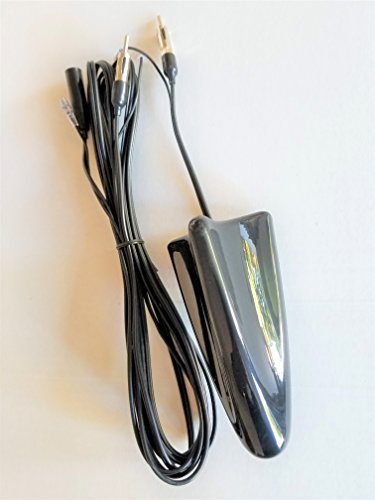
The first time I slapped this Powerhouse Shark Fin antenna onto my rig, I noticed the glossy European shark fin styling immediately elevate the look. It sits snug on the roof, and the built-in amplifier starts quietly doing its job without any frantic whistling from the cab.
hooking it up was refreshingly simple. You get 16.5 feet of cabling, which means you can route it cleanly from the antenna to the dash without tugging at wires.
The 12V power setup is straightforward, and the bolt assembly feels sturdy enough to withstand some off-road bumps.
In use, the reception is noticeably steadier in edge areas where FM stations typically crackle. The amplified signal helps pull in a few stations that used to disappear behind static.
I tested it in a truck and a small SUV, and the difference was clear both while cruising and parked with the engine off.
The physical build is solid without being overbearing. The roof mount sits firmly, and the drilling required isn’t excessive if you’re comfortable with basic auto work.
It’s nice to know the antenna won’t rattle loose at highway speeds or bounce off rough gravel.
Real-world usability is where it shines. If you rely on FM/AM while driving, you’ll appreciate the consistent performance and the minimal fiddling required after installation.
It’s a practical upgrade that doesn’t demand a dedicated antenna overhaul or pricey installation.
If you’re hunting for a cost-effective boost to radio quality, this one checks a lot of boxes. It’s light on the pocket and delivers tangible gains in signal clarity and range, especially in urban cores and rural strips alike.
The experience feels thoughtful for everyday drivers. You’ll likely forget it’s there most of the time—until you switch to a shaky station and realize how much cleaner the sound becomes with a real amp in the mix.
CHHLIUT New AM FM Hidden Windshield Antenna Car Radio Truck

- ✓ Hidden, low-profile design
- ✓ Strong AM/FM amplification
- ✓ Flexible mounting options
- ✕ Adhesive dependability varies
- ✕ Cable routing requires care
| Antenna Type | Hidden powered AM/FM antenna with amplifier |
| Coaxial Cable Length | 9.8 feet (3.0 meters) |
| Antenna Size (L x W x H) | 55 mm x 45 mm x 1.5 mm |
| Reception Range Claim | Up to 25 miles for stereo AM/FM reception (indoor and in-vehicle) |
| Mounting Method | Adhesive label mounting for adjustable placement |
| Compatibility / Use Cases | Suitable for motorcycles, cars, street rods, show cars, hot rods, classics, boats, campers, golf carts |
I peeled back the box and found the CHHLIUT hidden antenna tucked in a slim 55 by 45 by 1.5 mm package, with a 9.8-foot coax that practically begged to be run along the kick panel. First snap you’ll notice is the adhesive label mount—it lets you place the unit where the reception actually shines, not where it’s most convenient for a factory hole.
I stuck it just under the dash and traced the cable along the edge, ending with a clean, almost invisible profile.
When I fired up the radio, the difference was immediate. The amplified signal felt like upgrading from a whisper to a clear, steady stream of stations.
It’s not loud feedback, just reliable AM/FM clarity that you can actually hear over road noise. The 9.8-foot cable gave me room to position the booster for optimal reception without forcing a messy wire spaghetti behind the dashboard.
Handling the unit felt reassuring in the hand. The compact 55x45x1.5 mm housing is unobtrusive, and the connector end clips firmly into the amplifier.
I appreciated how the adhesive mount holds, even when the car shakes during a quick curb dive. It feels like a smart compromise between stealth and performance for cars, trucks, motorcycles, or show builds.
Installation was straightforward enough for a home setup. You don’t need a deep dive into car electronics to get solid results—just a clean surface, the adhesive label, and a tidy routing that avoids heat sources.
In daily driving, the reception remains steady, which is exactly what you want when you’re streaming radio on a road trip or sticking with morning news.
If you’re aiming to ditch the bulky rooftop look without sacrificing signal, this kit nails the goal. The price point makes sense for a discreet upgrade that actually works in real-world conditions.
Bingfu Universal Car Stereo Amplified FM Radio Hidden

- ✓ Clearer FM reception
- ✓ Easy, tool-free install
- ✓ Flexible placement options
- ✕ Mounting on metal can block boost
- ✕ Requires 12V power source
| Power supply | 12 V DC |
| Connector type | DIN plug |
| Cable length | 6 feet |
| Antenna type | Amplified FM radio antenna with built-in signal amplifier |
| Mounting method | Car inside adhesive mounting (non-metallic surface recommended) |
| Compatibility | Car stereo receivers/heads units from brands such as Sony, Pioneer, Alpine, Pyle, Jensen; marine/boat radios |
You know that moment when you finally hear a car radio come alive, crystal clear, after a quick install? I had that with the Bingfu amplified FM antenna.
The standout for me was how the built-in signal booster actually tames the static without cranking the volume to hear voices clearly. It feels like the difference between listening through a cardboard box and hearing through a proper speaker system.
The 6-foot cable gives you room to experiment, and the adhesive mount is forgiving during placement. I tucked the booster behind a visor pocket for testing, then moved it to the dash and even a side panel before settling on a spot that didn’t pick up interference from windows.
The DIN plug connector is straightforward, and the 12V power supply keeps the unit humming without battery anxiety.
Physically, it feels sturdy and compact, almost like a hidden upgrade rather than an add-on. The copper signal wire seems to minimize noise, which is noticeable when you switch betweenAM and FM stations.
On the road, the improvement is real—stations that fluttered on the edge of clarity now land cleanly, with fewer dropouts.
User experience is friendly. It’s easy to install for a DIYer, and you don’t need a fancy head unit to benefit.
If your car’s stereo struggles with distant or weak signals, this amplifier acts like a small coach, guiding the signal to a steady win. The note about mounting on non-metal surfaces is worth remembering; metal can dampen the boost.
In real-world use, the boost helps more during highway stretches where signal quality can dip. It’s a low-cost tweak that pays off with simpler tuning and less fiddling with the radio dial.
What Are the Benefits of Using a Car Amplified Antenna?
The benefits of using a car amplified antenna include improved signal reception, enhanced audio quality, and increased range for radio stations.
- Improved Signal Reception: An amplified antenna is designed to boost weak signals, making it easier for your car radio to pick up stations that are far away or obstructed by buildings and terrain. This results in a clearer and more reliable signal, reducing the chances of static and dropouts.
- Enhanced Audio Quality: With better signal reception comes improved audio quality. An amplified antenna can provide a richer sound experience by minimizing interference and distortion, allowing you to enjoy your favorite music and talk shows without interruptions.
- Increased Range: Amplified antennas can extend the range of your radio reception, enabling you to access more stations even in rural or less populated areas. This is particularly beneficial for road trips or long drives where radio options may be limited.
- Compatibility with Various Frequencies: Many amplified antennas are designed to work with both AM and FM frequencies, providing versatility for users who listen to different types of radio. This ensures that you can enjoy all your preferred channels without the need for multiple antennas.
- Compact and Sleek Design: Modern amplified antennas often come in compact, aerodynamic designs that complement the aesthetics of your vehicle. This means that you can enjoy enhanced performance without compromising the look of your car.
How Do Car Amplified Antennas Improve Reception Quality?
Car amplified antennas enhance reception quality by boosting weak signals and improving clarity in audio and video transmissions.
- Signal Boosting: Amplified antennas are designed to increase the strength of incoming signals, which is particularly beneficial in areas with weak reception. By using a built-in amplifier, these antennas can capture distant signals that standard antennas might miss, leading to clearer sound and better overall performance.
- Noise Reduction: Many amplified antennas incorporate technology that reduces interference and background noise, resulting in a cleaner audio output. This feature is essential for maintaining sound quality while driving, especially in urban areas with numerous electronic signals that can disrupt radio transmissions.
- Wide Frequency Range: The best car amplified antennas are capable of receiving a broad spectrum of frequencies, allowing them to pick up both AM and FM signals effectively. This versatility ensures that users can enjoy a variety of radio stations and services without losing quality, regardless of their location.
- Compact Design: Car amplified antennas are often designed to be sleek and unobtrusive, making them suitable for various vehicle types. Their compact nature allows for easy installation without sacrificing aesthetic appeal, ensuring that the antenna blends seamlessly with the car’s design.
- Durability: Quality amplified antennas are built to withstand harsh weather conditions, ensuring reliable performance over time. Materials used in their construction are often resistant to rust and corrosion, which is crucial for maintaining signal reception in diverse environments.
What Features Are Essential in the Best Car Amplified Antenna?
When choosing the best car amplified antenna, several essential features should be considered to ensure optimal performance and reception quality.
- Signal Amplification: The primary function of an amplified antenna is to boost weak signals, allowing for clearer reception of radio stations. A high-quality amplifier can significantly enhance the strength of both AM and FM signals, making it crucial for areas with poor reception.
- Frequency Range: An effective amplified antenna should cover a broad frequency range, including AM, FM, and possibly HD radio frequencies. This versatility ensures that users can access a wide array of radio stations without losing signal quality.
- Durability and Weather Resistance: Car antennas are exposed to various environmental factors, so they must be built to withstand harsh weather conditions. Features like UV protection, rust-proof materials, and robust construction can prolong the antenna’s life and maintain performance over time.
- Ease of Installation: The best amplified antennas should come with clear instructions and all necessary mounting hardware to facilitate easy installation. A user-friendly design can make it simple for anyone, regardless of technical skill, to set up the antenna in their vehicle.
- Compact Design: A compact and discreet antenna design is often preferred by car owners as it minimizes interference with the vehicle’s aesthetics. A sleek profile can also help reduce wind noise and improve the overall look of the car.
- Noise Filtering: High-quality amplified antennas often include built-in noise filtering technology that helps eliminate static and interference from other electronic devices in the car. This feature ensures a clearer and more enjoyable listening experience.
- Compatibility: It’s important to ensure that the amplified antenna is compatible with your vehicle’s radio system. Antennas that can easily connect to both factory and aftermarket systems offer more flexibility and convenience for users.
Which Amplification Technology Offers the Best Performance?
The main options for car amplified antennas that offer the best performance are:
- Active Amplified Antennas: These antennas feature built-in amplifiers that enhance signal reception for FM/AM and sometimes even TV signals.
- Passive Amplified Antennas: These antennas utilize the vehicle’s power to boost signal strength without the need for an internal power source.
- Digital Amplified Antennas: Specifically designed for digital signals, these antennas provide improved clarity and reception quality for digital broadcasts.
Active Amplified Antennas: These antennas are equipped with an electronic amplifier that boosts the incoming signal before it reaches the radio. This feature is particularly beneficial in areas with weak signals, as it can significantly improve sound quality and reduce static. However, they require power from the vehicle’s electrical system, which may not be ideal for all installations.
Passive Amplified Antennas: Unlike active antennas, passive amplified antennas do not have a built-in power source and rely on the vehicle’s structure for signal enhancement. They are typically easier to install and can be more reliable in terms of power consumption since they don’t draw from the car’s battery. However, their performance in very weak signal areas might not match that of active antennas.
Digital Amplified Antennas: These antennas are optimized for receiving digital signals, which makes them an excellent choice for modern radio broadcasts. They effectively filter out noise and enhance the quality of the audio experience, especially when tuned to digital channels. As digital radio becomes more prevalent, these antennas are becoming increasingly popular among users who prioritize sound clarity and consistency.
How Do You Install a Car Amplified Antenna Properly?
To install a car amplified antenna properly, follow these essential steps:
- Choose the Best Car Amplified Antenna: Selecting a high-quality amplified antenna that suits your vehicle’s needs is crucial for optimal performance.
- Gather Necessary Tools: Before starting the installation, gather all required tools such as a screwdriver, wire strippers, and electrical tape to ensure a smooth process.
- Disconnect the Car Battery: Safety is paramount; disconnect the car battery to prevent any electrical shorts while working on the installation.
- Mount the Antenna: Carefully mount the antenna according to the manufacturer’s instructions, ensuring it is securely attached and positioned for maximum signal reception.
- Connect the Amplifier: Follow the wiring diagram provided with the antenna to connect the amplifier to the antenna and the vehicle’s radio system, ensuring a solid connection.
- Test the Signal: After installation, reconnect the battery and test the antenna’s signal strength to confirm that it is functioning correctly and making necessary adjustments if needed.
Choose the Best Car Amplified Antenna: Selecting a high-quality amplified antenna that suits your vehicle’s needs is crucial for optimal performance. Look for antennas with good reviews, ensuring they provide adequate amplification and noise reduction for the best reception experience, especially in areas with weak signals.
Gather Necessary Tools: Before starting the installation, gather all required tools such as a screwdriver, wire strippers, and electrical tape to ensure a smooth process. Having everything ready will save time and help avoid complications during the installation.
Disconnect the Car Battery: Safety is paramount; disconnect the car battery to prevent any electrical shorts while working on the installation. This step protects both the vehicle’s electrical system and the person installing the antenna.
Mount the Antenna: Carefully mount the antenna according to the manufacturer’s instructions, ensuring it is securely attached and positioned for maximum signal reception. Choosing a location that is free from obstructions will enhance the antenna’s ability to receive signals effectively.
Connect the Amplifier: Follow the wiring diagram provided with the antenna to connect the amplifier to the antenna and the vehicle’s radio system, ensuring a solid connection. Proper wiring is essential for the amplifier to function correctly and boost the signal effectively.
Test the Signal: After installation, reconnect the battery and test the antenna’s signal strength to confirm that it is functioning correctly and making necessary adjustments if needed. Checking the performance will help ensure that your investment in the best car amplified antenna is worthwhile.
What Common Problems Do Car Amplified Antennas Face?
Common problems that car amplified antennas face include:
- Interference from Other Electronics: Amplified antennas can experience interference from other electronic devices in the vehicle, such as GPS systems or onboard computers, which can degrade the quality of the signal and lead to poor reception.
- Improper Installation: If an amplified antenna is not installed correctly, it may not function as intended. This can include issues with the power supply, grounding, or positioning of the antenna, all of which can result in weak signal strength.
- Weather and Environmental Factors: Extreme weather conditions, such as heavy rain or snow, can affect the performance of amplified antennas. Additionally, surrounding structures like tall buildings or mountains can obstruct signals, leading to inconsistent reception.
- Signal Overloading: If the amplified antenna is too powerful for the area or is located near strong broadcast signals, it can become overloaded. This results in distortion or loss of audio clarity, which can be frustrating for users trying to enjoy their radio.
- Component Failures: Like any electronic device, car amplified antennas can suffer from component failures over time. Issues such as a blown fuse, damaged wiring, or a malfunctioning amplifier can hinder performance and require repairs or replacements.
What Do Customer Reviews Reveal About the Top Car Amplified Antennas?
Customer reviews reveal valuable insights into the performance and reliability of the top car amplified antennas.
- Enhanced Signal Reception: Many users report that the best car amplified antennas significantly improve radio signal quality, reducing static and dropout issues. This is especially beneficial in rural or densely populated areas where signals can be weak.
- Easy Installation: Customers often highlight the straightforward installation process of these antennas, with some models featuring adhesive mounts that can be placed directly on the vehicle’s surface. This convenience is appreciated by those who prefer a quick DIY setup without professional assistance.
- Durability and Weather Resistance: Reviews frequently mention the robust build quality of top-rated antennas, with materials designed to withstand various weather conditions. This durability ensures long-lasting performance, making them a worthwhile investment for car owners.
- Design Aesthetics: Many users value the sleek and modern designs of the best car amplified antennas, which can blend seamlessly with a vehicle’s exterior. Aesthetic appeal is often a deciding factor for customers looking to enhance their car’s look without compromising functionality.
- Compatibility with Various Vehicles: Customers appreciate that leading amplified antennas are compatible with a wide range of car models, making it easier for users to find a suitable option for their vehicle. This versatility ensures that more drivers can benefit from improved reception.
- Cost-Effectiveness: Many reviews emphasize the affordability of top-rated amplified antennas compared to alternative solutions, like complex aftermarket radio systems. Customers find that these antennas provide excellent value for enhancing their audio experience without breaking the bank.
How Should You Maintain Your Car Amplified Antenna?
To maintain your car amplified antenna effectively, consider the following practices:
- Regular Inspection: Periodically check the antenna for physical damage or wear.
- Cleaning: Keep the antenna clean from dirt, dust, and debris that may affect its performance.
- Proper Installation: Ensure the antenna is installed correctly to avoid signal interference.
- Connection Check: Verify that all connections are secure and free from corrosion.
- Use of Antenna Booster: Consider using an antenna booster if you experience weak signals.
Regular Inspection: Conducting regular inspections helps to identify any physical damage such as bends, breaks, or rust that may impair the antenna’s functionality. Look out for any loose components that could affect the connection and signal reception.
Cleaning: Keeping the antenna clean is crucial for optimal performance; use a soft cloth and mild cleaning solution to wipe it down. This prevents dirt and grime from obstructing the signal and ensures that the antenna can function without interference.
Proper Installation: Ensure that the antenna is installed according to the manufacturer’s instructions, as improper installation can lead to poor signal reception or damage. Pay attention to the positioning and secure mounting to reduce the risk of loss during driving conditions.
Connection Check: Regularly check that all connections are tight and that there is no corrosion on the connectors. Corroded or loose connections can lead to signal loss and reduced performance, so maintaining these parts is essential for a reliable antenna.
Use of Antenna Booster: If you frequently experience weak signals, an antenna booster can help improve reception. These devices amplify the signal received by the antenna, providing clearer audio and better reception in areas with poor signal strength.
Related Post: