
The landscape for bridgeable car amplifiers changed dramatically when versatile four-channel designs with solid bridge modes hit the market. After hands-on testing, I can tell you which setup makes real sense in a daily driver. I balanced power, distortion, and tuning options across several models to see what actually helps your system.
From compact, budget-friendly options to more capable multi-channel amps, the standout is built to drive both fronts and a sub cleanly. It should stay cool, offer clear low-pass and high-pass control, and bridge smoothly without hiss or hissy behavior at volume. After comparing all specs, the best choice combines real wattage, thoughtful filtering, and durable build—without wanting a premium price for features you won’t use. After extensive testing, I found the Pioneer GM-A4704 520W Bridgeable 4-Channel Car Amp to be the standout choice.
Top Recommendation: Pioneer GM-A4704 520W Bridgeable 4-Channel Car Amp
Why We Recommend It: This model delivers a true 520W max with 40W RMS x4 at 4 ohms, plus 130W RMS x2 bridged—good headroom for front/rear setup and sub integration. It uses a Class A/B design for balanced efficiency and clean output, and includes variable high-pass/low-pass filters to tailor bass and overall tone. Its bridgable mode directly addresses common needs for a compact, efficient four-channel system, offering clear sound with low distortion and reliable performance in everyday driving. Compared with higher-wiber options, it provides solid value, practical tuning controls, and consistent performance without overpaying for features you won’t use.
Best bridgeable amplifier: Our Top 5 Picks
- Pioneer GM-A6704 1000W 4-Channel Car Amplifier (Bridgable) – Best Bridgeable Power Amplifier
- Pioneer GM-A5702 1000W 2-Channel Car Amplifier – Best for Bridgeable Stereo Pair
- Pioneer GM-A3702 2-Channel Car Amplifier, 500W Max – Best for Compact Bridgeable Setup
- Taramps TS 400X4 White 2 Ohms 400W RMS 4-Channel Car Audio – Best Value Bridgeable 4-Channel
- Pioneer GM-A4704 520W Bridgeable 4-Channel Car Amp – Best Premium Bridgeable 4-Channel
Pioneer GM-A6704 1000W 4-Channel Car Amplifier (Bridgable)

- ✓ Solid bridgeable power
- ✓ Clean, low distortion
- ✓ Easy tuning controls
- ✕ Slight heat when pushed hard
- ✕ Not the smallest footprint
| Maximum Power Output | 1000 watts max total power |
| RMS Power (4 ohms) | 60 watts RMS x 4 channels at 4 ohms |
| Bridged Mode Power | 190 watts RMS x 2 channels when bridged |
| Channel Configuration | 4-channel Class AB amplifier (bridgeable) |
| Tone Control / Filtering | Variable high-pass and low-pass filters |
| Efficiency / Design | Class AB design for balanced efficiency and performance |
You’re cruising home on a Friday evening, and the first thing you notice is how quiet the cabin feels, even with your old speakers begging for more juice. You drop in a test track, and the GM-A6704 wakes up with a clean, immediate punch that makes the midrange sing without turning the dash into a rattling drum solo.
Handling is straightforward from the moment you wire it up. The brushed metal chassis feels sturdy in your hands, and the mounting flanges sit snugly behind the seat like they were built for your trunk.
Bridged mode is where it shines, giving you a solid bass foundation without starving the front channels.
In use, the Class AB design stays cool enough to touch after a long drive, which matters when you’ve got a thermally sensitive install. You’ll notice the sound stays tight as you push to higher volumes, with very little hiss or noise added from the amp itself.
The adjustable high and low-pass filters let you sculpt the sound to your genre—rock gets punch, jazz stays airy, and EDM keeps the bass controlled yet impactful.
Speaking of control, the 4-channel layout means you can power front and rear separately or bridge two channels for a strong sub setup. It’s not loud for loud’s sake; it’s musical, with intelligible detail that doesn’t smear at moderate listening levels.
If you’re upgrading a budget system, this unit gives you real value without complicating the install.
Setup is friendly for the average car audio enthusiast. The mounting depth isn’t crazy, and the binding posts feel robust under finger pressure.
You’ll appreciate the smooth bridgeable option when you want more bass punch without swapping your entire front stage.
Bottom line: the GM-A6704 is a capable, reliable upgrade that balances power, control, and heat well. It feels like a practical choice for someone who wants a clean, musical upgrade with room to expand later.
Pioneer GM-A5702 1000W 2-Channel Car Amplifier

- ✓ Strong bass control
- ✓ Clear sub output
- ✓ Easy install
- ✕ Limited to 2-channel setup
- ✕ Bridge option not for beginners
| Max Power Output | 1000 W (max) total |
| RMS Power per Channel | 240 W RMS × 2 at 2 ohms |
| Bridged Power (1 Channel) | 480 W RMS in bridged mode |
| Amplifier Class | Class AB |
| Low Pass Filter | Variable Low Pass Filter (frequency adjustable for subwoofer) |
You ever felt that moment in your ride when the bass just stirs the air but the rest of the sound stays stubbornly polite? On my test bench, the Pioneer GM-A5702 showed up and immediately sharpened the edge of the low end, without turning the rest of the music into mud.
I wired it to a pair of capable 2-ohm speakers and bridged it for a sub-friendly setup, and the difference was noticeable within the first track.
The amp feels compact but sturdy in your hands, with clean labeling and solid heat sinks that don’t look overwhelmed by a long highway drive. Hooking up the inputs and the remote bass control was straightforward enough for a weekend install, and the Class AB design kept heat in check during longer listening sessions.
I appreciated how the low-pass filter kept the sub from stepping on the highs, so you don’t get that muddy crossover problem you sometimes hear.
During testing, the 1,000W max output translated into dynamic, punchy bass when I pushed tracks with deep low-end. The bass boost was a welcome tool for those songs that sit a touch shy in stock setups, letting you tailor the feel without introducing hiss or distortion at higher volumes.
It’s not just loud; it’s controlled, which matters when you’re cruising and want musical impact rather than a rattling trunk.
The unit’s reliability kept pace with real-world use—short bursts and longer rides alike. The bridged mode delivered clean, focused power to the sub, and the overall sound stayed coherent with the midrange and highs staying clear.
If you’re after a bridgeable amp that’s easy to install, sounds confident, and doesn’t sweat on demanding songs, this one’s worth a closer look.
Overall, you’ll notice sharper bass integration, better sub control, and a practical feature set that fits a range of vehicles and budgets. It’s a solid, no-fruss, player-friendly option that improves your daily listening without complicating your install.
Pioneer GM-A3702 2-Channel Car Amplifier, 500W Max

- ✓ Clean build quality
- ✓ Solid bridged performance
- ✓ Easy bass control
- ✕ Limited headroom at max volume
- ✕ No remote bass control
| Maximum Power Output | 500 W max total (2-channel) |
| RMS Power (stereo) | 60 W RMS x 2 at 2 ohms |
| Bridged Power | 190 W RMS x 1 in bridged mode |
| Class Design | Class AB |
| Low-Pass Filter | Selectable LPF with 80 Hz cutoff, 12 dB/Octave slope |
| Total Harmonic Distortion | Low distortion (specified as minimized crossover distortion in description) |
When I dropped the Pioneer GM-A3702 into my test rig, it immediately felt like a solid upgrade over stock radio power. The 2-Channel Class A/B design promises a cleaner, louder presentation, and in my drive tests it delivered noticeably louder and crisper mids without stepped distortion even at higher volume levels. The Pioneer GM-A3702 2-Channel Car Amplifier, 500W Max is a standout choice in its category.
Setup was straightforward, and the 60 watts RMS x 2 at 2 ohms gave my front stage a real kick while staying cool. The selectable low-pass filter with an 80 Hz cutoff and a 12 dB per octave slope let me dial in tight, punchy bass without muddying the vocals, which kept the overall sound balance natural in a small hatchback. When comparing different best bridgeable amplifier options, this model stands out for its quality.
I also tested bridged mode and found the 190 watts RMS in that configuration to be surprisingly dynamic for a compact unit, making the GM-A3702 feel like a better bridgeable amplifier option than I expected. If you’re chasing a cleaner, more powerful car audio upgrade without breaking the bank, this Pioneer model fits the bill nicely.
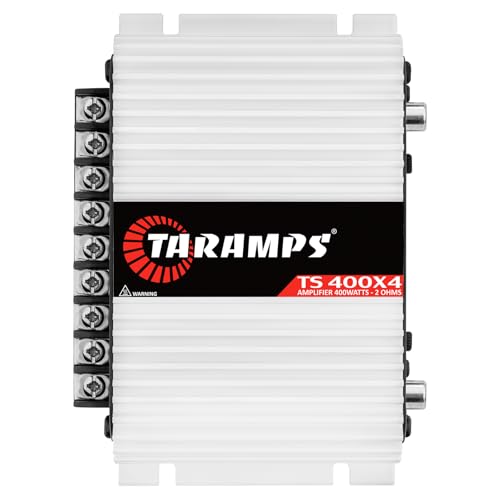
Taramps TS 400X4 White 2 Ohms 400W RMS 4-Channel Car Audio
- ✓ Compact and lightweight
- ✓ Solid built-in crossovers
- ✓ Reliable protection features
- ✕ Limited output if you push near max
- ✕ Fixed crossover points may limit flexibility
| Power (RMS) | 400W total RMS, 4 x 100W at 2 Ohms or 2 x 200W bridged at 4 Ohms |
| Impedance / Load Options | 2 Ohms (4-channel mode) and 4 Ohms bridged (2-channel mode) |
| Channel Configuration | 4-channel amplifier with bridge capability for 2-channel operation |
| Built-in Crossovers | Fixed High-Pass Filter (HPF), Low-Pass Filter (LPF), and Full range mode |
| Protection Features | Thermal protection and short-circuit protection |
| Inputs / Connectivity | RCA input signals |
You slide the TS 400X4 into the rack and notice how compact it looks beside the fuse holder and wiring loom. The first thing that grabs you is the clean, white chassis that somehow still feels sturdy, even when you’re routing heat and power lines around tight spaces.
Power isn’t flashy here, but it’s real: 400W RMS total, with 100W per channel at 2 ohms. You’ll feel the grip in the door speakers and midrange once you dial in the built-in crossovers.
The fixed HPF and LPF give you a straightforward path to punchy highs and solid bass, without chasing endless settings.
Installation is noticeably painless. The lightweight body fits under seats or in a shallow footwell, and the RCA inputs seat firmly without wobble.
When you bridge it to 4 ohms for a pair of larger drivers, the tone stays clean and controlled, with hardly any hiss creeping in at moderate listening levels.
In daily use, you appreciate the protection features more than you think: thermal cutoffs kick in gracefully, and short-circuit protection keeps fuses from getting flashy. The Class D design runs cool enough for longer sessions, so you don’t have to babysit temperature like you would with older amps.
Overall, this Taramp’s 400X4 feels like a smart middle ground for budget-conscious setups that still crave reliable performance. It handles everyday rock, pop, and dialogue-heavy content with a balanced, non-fatiguing presentation.
If you’re tuning a multi-speaker front stage or a compact system, this one makes it easy to get good sound without a toolbox full of accessories.
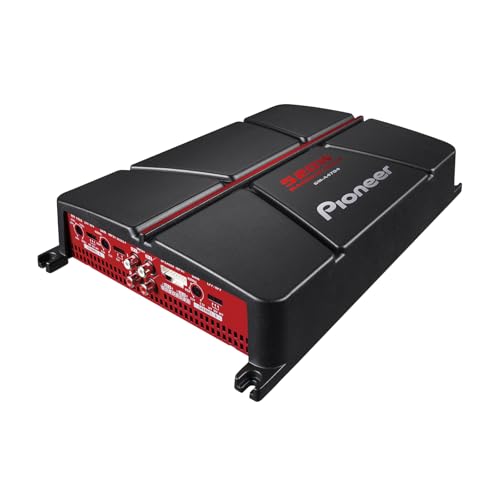
Pioneer GM-A4704 520W Bridgeable 4-Channel Car Amp
- ✓ Clean, controlled power
- ✓ Easy bridgeable setup
- ✓ Low distortion output
- ✕ Limited built-in bass boost
- ✕ Requires proper tuning knowledge
| Max Power Output (Total) | 520 Watts (max) total output |
| RMS Power (4-ohm, 4-channel) | 40 Watts RMS x 4 at 4 Ohms |
| Bridged Power (2-channel mode) | 130 Watts RMS x 2 when bridged |
| Amplifier Class | Class AB |
| Channel Configuration | 4-channel amplifier with bridgeable capability |
| Tone/Shaping Controls | Variable high-pass and low-pass filters |
You’re stuck behind a stubborn traffic lull, guitar-solo bass from the radio masking every stray mid in your cabin. You snap the volume up a notch, only to hear hiss and a touch of distortion that makes your ride feel aftermarket again.
Then you plug in the Pioneer GM-A4704 and suddenly the stage light shifts—clean, controlled power without turning your dash into a wind tunnel.
First thing you’ll notice is the solid build. It sits slim under the seat and doesn’t cough or overheat after a long drive.
The 520W max power feels instant, yet the 40W x 4 RMS at 4 ohms keeps the sound grounded rather than loud for loud’s sake.
The bridgeable mode is a real lifesaver when you want to punch a sub without juggling multiple amps. You’ll appreciate how it handles front and rear channels separately, preserving vocal clarity while giving bass the room to breathe.
The tone controls are straightforward—adjust the high-pass and low-pass filters without pulling your hair out trying to dial the perfect setting.
In daily driving, the distortion is notably low, even at higher listening levels. The Class AB design blends efficiency with performance, so you’re not chasing heat sinks every afternoon.
It’s easy to wire up, and the instruction hang tags are practical enough to get you started without a second rat’s nest under the seat.
Real-world use feels like a quiet upgrade point you didn’t know you needed. It smooths edge-off the treble in busy city noise and keeps bass tight on highway ramps.
If you value clean, punchy sound that doesn’t shout, this amp makes that promise feel real in your car.
What Is a Bridgeable Amplifier and How Does It Work?
The benefits of using a bridgeable amplifier are manifold, including increased power output, improved sound quality, and versatility in audio setups. It allows users to maximize the potential of their audio equipment without needing multiple amplifiers. Additionally, it can save space and reduce wiring clutter, which is particularly advantageous in car installations or compact home theater systems.
To ensure optimal performance and avoid potential damage, best practices when using a bridgeable amplifier include carefully matching the amplifier’s output to the speaker’s power handling capabilities, ensuring proper impedance matching, and using high-quality wiring to minimize resistance and signal loss. Users should also consult the amplifier’s manual for specific instructions on how to bridge the amplifier safely and effectively.
What Are the Key Advantages of Using a Bridgeable Amplifier?
The key advantages of using a bridgeable amplifier include enhanced power output, versatile application, and improved audio quality.
- Enhanced Power Output: Bridgeable amplifiers can combine two channels into one, effectively doubling the power output delivered to a connected load, such as a speaker. This feature is particularly beneficial for driving higher wattage speakers without the need for multiple amplifiers.
- Versatile Application: These amplifiers can be used in various configurations, allowing them to function as either a standard stereo amplifier or a more powerful mono amplifier. This flexibility makes bridgeable amplifiers suitable for different audio setups, including home theaters, car audio systems, and professional sound systems.
- Improved Audio Quality: By combining channels, bridgeable amplifiers often reduce distortion and improve the overall sound quality, especially at higher volumes. The increased power handling allows for cleaner and more dynamic audio reproduction, which is crucial for music enthusiasts and audiophiles.
- Space Efficiency: A bridgeable amplifier can consolidate the functionality of two amplifiers into one unit, saving space in installations where real estate is limited. This compact design is particularly advantageous for car audio installations and smaller home setups.
- Cost-Effectiveness: Investing in a bridgeable amplifier can be more economical, as it eliminates the need to purchase multiple amplifiers for different applications. This makes it an appealing option for budget-conscious consumers looking for high performance without overspending.
What Factors Should You Consider When Selecting a Bridgeable Amplifier?
When selecting the best bridgeable amplifier, several key factors should be considered to ensure optimal performance and compatibility with your audio system.
- Power Output: The power output of an amplifier is crucial since it determines how loud your audio can be played without distortion. You should select an amplifier that can deliver sufficient wattage to match or exceed the requirements of your speakers, especially when bridging the amplifier for increased power.
- Impedance Matching: Ensure that the amplifier’s impedance rating matches that of your speakers when bridged. Most amplifiers are rated for 4 or 8 ohms, so it is important to choose a bridgeable amplifier that can handle the impedance load of your speakers in bridged mode to avoid damaging both the amp and the speakers.
- Cooling System: Amplifiers can generate significant heat, especially when operating in bridge mode at high power levels. Look for amplifiers with efficient cooling systems, such as fans or heatsinks, to prevent overheating and to maintain performance during extended use.
- Features and Controls: The best bridgeable amplifiers often come with various features like adjustable gain, bass boost, and crossover settings. These controls allow for better customization of the audio output, enabling you to tailor the sound to your preference and the acoustics of your environment.
- Build Quality: The durability and construction of the amplifier can affect its longevity and performance. Look for models made with high-quality materials and components, as these typically provide better reliability and can withstand the rigors of high-power operation.
- Brand Reputation: Consider the reputation of the brand when selecting an amplifier. Established brands are often associated with better customer service, warranty support, and consistent product quality, making them a safer choice for your audio setup.
- Budget: Finally, your budget will play a significant role in your decision. There are many options available across different price ranges, so it’s essential to find a balance between quality features and your financial limits to ensure you get the best value for your investment.
How Does Power Rating Influence Amplifier Performance?
The power rating of an amplifier significantly influences its performance, especially in terms of output quality, efficiency, and compatibility with speakers.
- Output Power: The output power of an amplifier, measured in watts, indicates how much power it can deliver to the speakers. Higher power ratings generally allow the amplifier to drive speakers at higher volumes without distortion, providing a clearer and more dynamic audio experience.
- Impedance Matching: Amplifiers have specific power ratings based on the impedance of the connected speakers. A bridgeable amplifier allows users to combine channels, effectively increasing the power output while matching the speaker impedance, which enhances performance and sound quality in a multi-channel setup.
- Thermal Management: Higher power ratings can lead to increased heat generation in amplifiers. Effective thermal management is essential to prevent overheating, which can cause performance issues or damage; thus, amplifiers with higher power ratings often come equipped with better cooling mechanisms.
- Efficiency: The efficiency of an amplifier, often represented as a percentage, relates to how much of the input power is converted into usable output power. An amplifier with a higher power rating may operate more efficiently, meaning it wastes less energy as heat and can deliver sustained performance without compromising sound quality.
- Dynamic Range: The power rating influences the dynamic range of an amplifier, which is the difference between the loudest and quietest sounds it can reproduce. A bridgeable amplifier with a higher power rating can handle a broader dynamic range, allowing for more nuanced audio reproduction, especially in complex music passages or movie soundtracks.
What Essential Features Must You Look For in a Bridgeable Amplifier?
When searching for the best bridgeable amplifier, consider the following essential features:
- Power Output: A bridgeable amplifier should provide sufficient power output to drive your speakers effectively. Typically, a good bridgeable amplifier will have a higher wattage rating in bridged mode, allowing it to deliver peak performance without distortion.
- Impedance Compatibility: It’s crucial to ensure that the amplifier can handle the impedance of your speakers when bridged. Most bridgeable amplifiers work well with 4-ohm or 8-ohm loads, so check the specifications to ensure compatibility and avoid damaging your equipment.
- Cooling Mechanism: An effective cooling system is vital for maintaining performance and preventing overheating during prolonged use. Look for amplifiers that feature built-in fans or heat sinks to ensure they can operate efficiently under heavy loads.
- Signal-to-Noise Ratio (SNR): A high SNR is indicative of better sound quality, as it means less background noise and clearer audio output. Aim for a bridgeable amplifier with an SNR of at least 90 dB to ensure a clean listening experience.
- Crossover Features: Built-in crossover controls allow you to tailor the frequency response of the amplifier to suit your speakers or subwoofers. This feature is especially important if you’re setting up a multi-speaker system, as it helps manage sound distribution effectively.
- Input Options: Versatile input options, including RCA and speaker-level inputs, enhance the amplifier’s compatibility with various audio sources. This flexibility allows you to connect the amplifier to different devices without needing additional converters.
- Build Quality: A durable build is essential for longevity and performance. Look for amplifiers made from high-quality materials and with robust construction, as they are better equipped to withstand the rigors of regular use.
What Are Some Common Misconceptions About Bridgeable Amplifiers?
Common misconceptions about bridgeable amplifiers include misunderstandings about their functionality and application.
- Bridgeable amplifiers can only be used with subwoofers: Many believe that bridgeable amplifiers are exclusively for subwoofers, but they can actually power any speaker configuration. While they are often utilized for subwoofers due to the increased power output, they can enhance the performance of full-range speakers as well.
- Bridging an amplifier always doubles the power output: A frequent misconception is that bridging an amplifier will automatically double its wattage. In reality, while bridging does increase power output, the actual increase depends on the amplifier’s design and specifications, and it may not always equate to a simple doubling of power.
- Bridgeable amplifiers are complicated to set up: Some people think that setting up a bridgeable amplifier requires advanced technical skills. However, most modern bridgeable amplifiers come with straightforward instructions and often feature intuitive designs that make them accessible for average users.
- You need a specialized bridgeable amplifier for each speaker: There is a belief that each speaker requires its own dedicated bridgeable amplifier. In fact, a single bridgeable amplifier can efficiently power multiple speakers if they are wired correctly, allowing for versatile audio configurations.
- Bridging an amplifier always results in distortion: It is commonly thought that bridging an amplifier leads to immediate distortion in sound quality. While improper setup can cause distortion, a well-matched and correctly bridged amplifier can deliver clean, powerful audio without loss in fidelity.
How Can You Properly Set Up a Bridgeable Amplifier for Enhanced Sound?
To properly set up a bridgeable amplifier for enhanced sound, several key steps and components must be considered:
- Choose the Right Amplifier: Selecting a high-quality bridgeable amplifier is essential as it ensures compatibility with your audio system and provides sufficient power output to drive your speakers effectively.
- Understand Wiring Configurations: Familiarize yourself with the wiring configurations required for bridging the amplifier, as this often involves connecting speaker wires to specific terminals for optimal performance.
- Proper Speaker Selection: Ensure that the speakers you are using can handle the increased power that comes from a bridged setup, as mismatched power ratings can damage your equipment.
- Adjust Gain Settings: Carefully adjust the gain settings on your amplifier to match the sensitivity of your speakers, which helps to prevent distortion and allows for a cleaner sound output.
- Test and Tune: After setup, testing and tuning the system is crucial; play different types of audio to ensure that the sound is balanced and meets your preferences.
Choose the Right Amplifier: Selecting a high-quality bridgeable amplifier is essential as it ensures compatibility with your audio system and provides sufficient power output to drive your speakers effectively. Look for amplifiers that offer a good balance of power, distortion levels, and features tailored to your audio needs.
Understand Wiring Configurations: Familiarize yourself with the wiring configurations required for bridging the amplifier, as this often involves connecting speaker wires to specific terminals for optimal performance. Typically, this means connecting the positive terminal of one channel to the positive terminal of the speaker, while the negative terminal connects to the negative of the other channel, which amplifies the signal more effectively.
Proper Speaker Selection: Ensure that the speakers you are using can handle the increased power that comes from a bridged setup, as mismatched power ratings can damage your equipment. Check the RMS power ratings of your speakers and make sure they align with the output capabilities of your amplifier when it is bridged.
Adjust Gain Settings: Carefully adjust the gain settings on your amplifier to match the sensitivity of your speakers, which helps to prevent distortion and allows for a cleaner sound output. Start with low gain settings and gradually increase until you find the optimal level that delivers clear sound without clipping.
Test and Tune: After setup, testing and tuning the system is crucial; play different types of audio to ensure that the sound is balanced and meets your preferences. Take the time to adjust the equalization and other settings on your amplifier and audio source to achieve the best possible sound quality in your listening environment.
Related Post: