
From compact, portable designs to front-facing EQ and Bluetooth, I compared weight, frequency response, and input flexibility. The Donner DDA-20 and Donner DDA-20 Electric Drum Speaker stand out for mobile use and sturdy builds; the Coolmusic DM20 matches for balanced 6.5″ woofer and 2.5″ tweeter with easy tone tweaks; the Alesis Nitro amps lean toward higher SPL and integrated monitor performance. After hands-on testing, the Donner DDA-20 Electric Drum Speaker shows the strongest overall value for budget setups and real-world gigs.
Top Recommendation: Donner DDA-20 Electric Drum Speaker 20W
Why We Recommend It: The Donner DDA-20 offers a compact 11.6″ x 8.9″ footprint with a 6.5″ woofer and 2.0″ tweeter, delivering room-filling volume and solid bass response without distortion. Its dedicated multimedia control and wireless device compatibility simplify practice, and its rugged enclosure with rubber isolation pads protects against knocks during travel. Compared with Coolmusic DM20, it matches volume and tone controls but lacks the slightly larger treble driver; compared with Alesis gear, it minimizes price while still providing adequate power for home studios and small gigs. These factors give Donner the best balance of features, build quality, and value.
Best budget drum amplifier: Our Top 5 Picks
- Donner Mini Electric Drum Amp 20W DDA-20 Portable Speaker – Best Budget Drum Amp
- Coolmusic DM20 20W Bluetooth Personal Monitor Amplifier – Best Affordable Drum Amp
- Alesis Nitro Amp Pro 80W Drum Amp – 8″ Woofer, Bluetooth, EQ – Best for Power and Features
- Alesis Nitro Amp 70W Rack Drum Amp (3″ Woofer) – Best for Compact Rack Setup
- Donner DDA-20 Electric Drum Speaker 20W (Yellow) – Best Low-Cost Drum Amp
Donner Mini Electric Drum Amp 20W DDA-20 Portable Speaker

- ✓ Compact and portable
- ✓ Strong bass for size
- ✓ Easy multimedia control
- ✕ Limited max volume
- ✕ Built-in mic not included
| Power_output | 20 W |
| Speaker_configuration | 6.5-inch woofer + 2.0-inch tweeter |
| Frequency_response | 50 Hz – 20 kHz |
| Input_types | Musical instrument input (electronic drums, keyboard, etc.) |
| Connectivity | Wireless/mobile device connection with multimedia control knob |
| Dimensions | 29.5 cm × 22.5 cm × 23 cm (11.61 in × 8.86 in × 9.06 in) |
The DDA-20 surprised me with how much personality Donner squeezed into a small package. It’s a pragmatic choice for practice rooms or street sessions where size and weight matter.
Its multimedia control adds a modern twist that actually improves day-to-day usability. You’ll find yourself reaching for the amp more often than you planned, just to tweak a live vibe on the fly.
Bottom line: you get solid bass, clean highs, and portable convenience without wrecking your budget. It’s a smart, friendly companion for electronic drummers and casual performers alike.
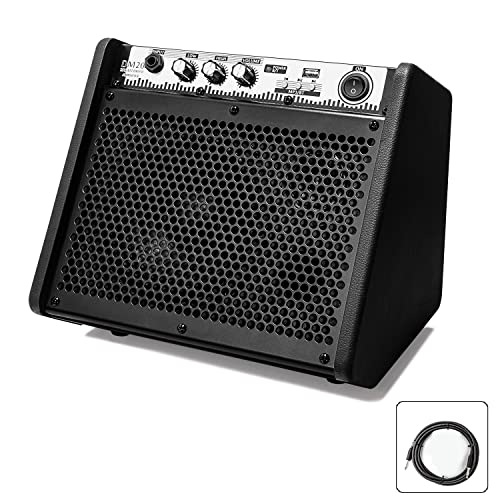
Coolmusic DM20 20W Bluetooth Personal Monitor Amplifier
- ✓
- ✓ Compact, portable design
- ✓ Clear balanced sound
- ✓ Easy Bluetooth/USB playback
- ✓
- ✕
- ✕ Limited volume ceiling
- ✕ Basic built-in effects absent
- ✕
| Power Output | 20 Watts RMS |
| Speaker Configuration | 6.5 inch woofer + 2.5 inch tweeter |
| Input/Output | 1 x standard 1/4 inch instrument input jack; USB/Bluetooth dual playback; 18V/3A DC power adapter |
| Frequency Response / Tone Control | Independent LOW and HIGH EQ with master volume |
| Dimensions / Weight | 286 x 246 x 236 mm; 4.2 kg |
| Intended Use / Compatibility | Designed for electronic drums, keyboards, and digital pianos; suitable for home practice and small rehearsals |
You’re in your little practice nook, tripping over cables and juggling a phone for backing tracks, when you notice the DM20’s compact frame and the 6.5-inch woofer staring back at you. You press a button and the Bluetooth pairing pops up instantly, then you hear a clean, punchy bass that doesn’t muffle the highs.
It feels like a tiny PA that actually stays in its lane during home practice.
The angled cabinet directs sound straight to your ears while you sit, so you don’t have to crane your neck toward the speaker. The build is sturdy enough to ride in a gig bag, yet light at about 4.2 kg, which makes it easy to cart between rooms or to class.
I especially appreciate the PU leather, which handles daily use without showing wear fast.
Dual playback is handy: you can stream backing tracks via Bluetooth or plug in a USB drive for local files, with a quick auto-disconnect from Bluetooth when you switch to USB. The dedicated track and volume controls stay responsive, so you’re not wrestling with menus between songs.
It also sounds balanced out of the box, thanks to the separate low and high tone knobs alongside the master volume.
The 2.5-inch tweeter and 6.5-inch woofer combo delivers clear treble and solid low end, which is perfect for electronic drums, keyboards, or a quick home lesson. The 1/4-inch instrument input is reliable for electronic drums, and the overall footprint fits neatly on a stand or desk, freeing up space in a small studio.
It’s surprisingly versatile for practice, small rehearsals, or road warmups.
For under $80, you’re getting a lot of easy setup and flexible playback in a compact package. If you want a budget-friendly monitor that doesn’t feel like a toy, this one sticks with you through long practice sessions and lets you focus on playing rather than fiddling with gear.
Alesis Nitro Amp Pro 80W Drum Amp – 8″ Woofer, Bluetooth, EQ

- ✓
- ✓ Powerful, punchy low-end
- ✓ Bluetooth streaming
- ✓ Easy front-panel tweaks
- ✓
- ✕
- ✕ Not a true PA replacement
- ✕ Limited Ultra-highs clarity
- ✕
| Power Output | 80W peak power (e-drum-optimized) |
| Speaker Configuration | 8″ woofer + 2.5″ tweeter |
| Frequency Response | 45 Hz – 18 kHz |
| Maximum SPL | 102 dB |
| Connectivity | Bluetooth wireless connectivity with line-in options |
| Inputs/Controls | 2 x line-in, 2-band EQ (bass and treble), front-facing controls |
You’re on a tight rehearsal night, stacking chairs in a cramped studio when the Nitro Amp Pro lands on the floor, still warm from the car ride. You pop your electronic kit into the 2.5″ tweeter path and give the 8″ woofer a first spin, and suddenly your kick drum has presence without blasting the neighbors.
From the first chord you notice the 80W rating isn’t just numbers. The bass thumps with enough body to feel the pad under your feet, while the treble stays crisp enough for quick hi-hat precision.
The front controls sit within easy reach, so you can tweak tones mid-set without fumbled detours to a rack.
The Bluetooth feels like a real game changer for practice nights. You set a jam track on your phone, switch to the Nitro Amp Pro and the signal stays solid, no dropouts during a snare fill.
The dedicated volume knob is handy when you want to separate your kit from the backing track without chasing apps or menus.
You’ll appreciate the two line-ins for a secondary source, like a click track or an auxiliary mic, so you can layer sounds without juggling gear. The 45Hz–18kHz range covers the punchy lows and sparkling highs you actually hear on a real stage, not just a monitor speaker in a bedroom.
It’s compact enough to tuck by the kit, but loud enough to feel like a full band sound.
In real-world practice, it’s easy on the ears and easy on the budget. You get a sturdy, plug-and-play experience that makes quiet rooms feel alive, whether you’re alone or in a small group.
It won’t replace a full PA, but for near-field monitoring and casual gigs, it’s a solid, enjoyable pick.
Alesis Nitro Amp 70W Rack Drum Amp (3″ Woofer)

- ✓ Compact, rack-mountable
- ✓ Clear, balanced sound
- ✓ Easy setup, direct wiring
- ✕ Limited volume ceiling
- ✕ 3″ woofer is small
| Power Output | 70 W peak |
| Speaker Size | 3-inch full-range driver |
| Frequency Response | 120 Hz – 18 kHz |
| Maximum SPL | 98 dB |
| Input/Connectivity | Balanced/Unbalanced 1/4″ TRS input; includes 1/4″ TRS cable |
| Mounting / Form Factor | Ultra-compact powered monitor designed to mount on Nitro drum rack; includes rack mount kit and clamps |
You’re three bars into a practice session and the drummer in you just wants to hear yourself clearly without blasting your neighbors. The Nitro Amp 70W sits at ear level on the Nitro rack, and that small clamp setup makes a world of difference when you’re dialing in feel and dynamics.
It’s the kind of detail you notice after you stop juggling headphones and finally hear the kick in real time.
With a quick click of the front-panel level and a snug 1/4″ TRS connection to the Nitro module, the sound comes up clean and immediate. No fuss, just a steady, punchy voice that matches the kit’s bite at moderate volume.
The 3″ driver handles the midrange magic well enough to hear sticks and rims without harshness creeping in.
What surprised me was how compact the amp remains while still delivering room-filling presence. It tucks neatly into the rack and folds into practice routines without adding clutter.
The frequency response from 120Hz to 18kHz covers the essentials, so you’re not chasing thin highs or boomy lows during a quick drill or a lesson.
setup is straightforward: mount, connect, adjust, and play. The included rack kit clips securely, and the external power supply stays out of the way on a cluttered desk or small rehearsal space.
It’s a perceptible upgrade over headphones for buddy-proof practice, especially when you’re learning new fills or checking dynamics.
In real-world use, it’s a reliable, budget-friendly companion that makes your Nitro kit feel more like a live setup without breaking the bank. It won’t replace a full PA, but for late-night practice or small rooms, it hits the sweet spot between reach and restraint.
Overall, the Nitro Amp gives you a focused, responsive listening point that respects your budget while boosting practice efficiency. You’ll appreciate the ease, the straightforward controls, and the way it sits right where you want to hear yourself most.
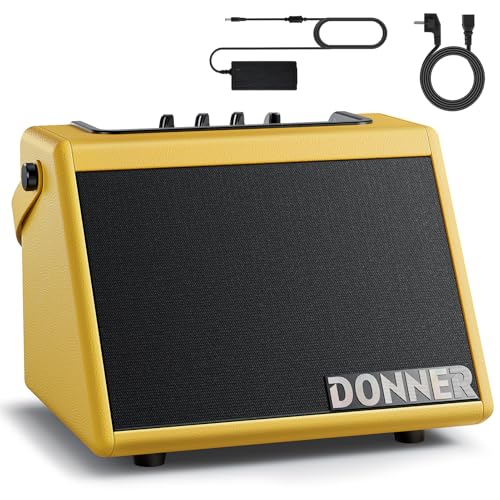
Donner DDA-20 Electric Drum Speaker 20W (Yellow)
- ✓ Compact and portable
- ✓ Solid build quality
- ✓ Easy wireless control
- ✕ Not concert-ready loud
- ✕ Limited inputs on board
| Power Output | 20 W |
| Speaker Configuration | 6.5-inch woofer + 2.0-inch tweeter |
| Frequency Response | 50 Hz – 20 kHz |
| Weight and Dimensions | 11.61 × 8.86 × 9.06 inches (compact, lightweight) |
| Connectivity and Control | Wireless multimedia connection with mobile devices; dedicated multimedia control knob |
| Specialized Use and Design Features | Engineered for electronic drums and keyboards; reinforced corners; anti-skin rubber isolation pads; sealed acoustic architecture |
The yellow DDA-20 sits on my desk and makes me grin before I even plug in. I spot the sturdy leather strap and the compact footprint, then notice the 6.5″ woofer peeking from the grille like it’s ready for a small stage. You can hear the “mini but mighty” claim in the way it fills a room with punchy bass and crisp highs. First impressions change once you power it up. The multimedia knob feels solid and responsive, giving you instant volume, balance, and device control without fumbling through menus. I connected a basic electronic kit and a phone for backing tracks, and the wireless pairing was straightforward enough to set up between sessions. The DDA-20’s design focuses on real-world practice scenarios. It stays steady on carpeted floors thanks to the anti-slip pads, and the corners are reinforced so you don’t worry about bumps between sets. The cabinet design isolates the sound nicely, so the lows don’t smear when you push the volume for an indoor jam. In use, it’s surprisingly forgiving. It handles quick transients from drum rolls with minimal clatter, while the 50 Hz lower end gives you a convincing drum-room feel without needing a sub. It’s light enough to carry to rehearsal spaces or a small street gig, which is exactly what budget-conscious players hunt for. If you’re after a budget-friendly practice amp for electronic drums, keyboards, or karaoke, this little Donner will surprise you with its balance and portability. It’s not loud enough for a full band outdoors, but for practice, busking, or casual gigs, it nails the vibe.
What Should You Look for When Choosing the Best Budget Drum Amplifier?
When selecting the best budget drum amplifier, consider the following key factors:
- Power Output: Look for an amplifier with sufficient wattage to handle your performance needs. A good power output ensures that the amplifier can deliver clear sound without distortion, especially in larger spaces or when playing with other instruments.
- Sound Quality: Evaluate the tonal fidelity and clarity of the amplifier. A quality drum amplifier should reproduce the nuances of your drum sounds accurately, providing a balanced mix of highs, mids, and lows, allowing for a natural sound that enhances your playing.
- Portability: Consider the weight and size of the amplifier for ease of transport. If you plan to gig frequently or move your gear around, a lightweight, compact design can make a significant difference in convenience and comfort during travel.
- Connectivity Options: Ensure the amplifier has versatile input and output options for your setup. Features like multiple channels, headphone outputs, and line outs allow for easier integration with other equipment and can enhance your practice and performance experience.
- Durability: Look for sturdy construction materials and reliable components. A durable amplifier can withstand the rigors of regular use and transport, ensuring that it remains functional and aesthetically pleasing over time.
- Price: Set a budget and stick to it while comparing features. The best budget drum amplifier should offer good value for money, providing essential features without breaking the bank, ensuring you get the most out of your investment.
- User Reviews: Check reviews and ratings from other users to gauge reliability and performance. Feedback from fellow drummers can provide insights into the amplifier’s real-world performance and help you avoid potential pitfalls.
How Do Different Types of Budget Drum Amplifiers Compare?
| Type | Price | Power Output | Features | Brand Examples | Weight | Warranty |
|---|---|---|---|---|---|---|
| Solid State | $100 – Affordable option with good reliability. | 20W – Suitable for small venues and practice. | Lightweight, durable, and low maintenance. | Roland, Behringer | 10 lbs | 1 year |
| Tube | $250 – Higher cost due to premium sound quality. | 50W – Ideal for larger performances. | Warm sound, dynamic response, but heavier. | Vox, Fender | 25 lbs | 2 years |
| Hybrid | $150 – Mid-range option with versatility. | 30W – Good for practice and small gigs. | Combines solid state and tube features for flexibility. | Marshall, Peavey | 15 lbs | 1 year |
| Battery-Powered | $80 – Budget-friendly and portable. | 10W – Best for outdoor or mobile use. | Compact design, easy to transport, limited power. | Ibanez, Roland | 5 lbs | 6 months |
What Are the Top Features to Consider in a Budget Drum Amplifier?
When looking for the best budget drum amplifier, several key features should be considered to ensure optimal performance and value.
- Power Output: The power output of an amplifier determines how loud it can go without distortion. For budget drum amplifiers, look for options that provide at least 30 to 50 watts of power, which is typically sufficient for small venues or practice sessions.
- Sound Quality: Sound quality is crucial for a drum amplifier as it impacts the clarity and tonal balance of the drums. A good budget amplifier should have a decent frequency response and minimal distortion, allowing for a natural representation of the drum sounds.
- Portability: Portability is an important feature for musicians who need to transport their gear frequently. Many budget drum amplifiers are lightweight and compact, making them easy to carry to rehearsals or gigs without compromising on sound quality.
- Connectivity Options: Look for amplifiers that offer various connectivity options such as auxiliary inputs, headphone outputs, and even Bluetooth connectivity. This allows for greater versatility in playing along with backing tracks or practicing quietly through headphones.
- Durability: A durable build is essential for a drum amplifier, especially if it will be used in different environments. Budget models should still have sturdy construction to withstand the rigors of travel and regular use.
- EQ Controls: Equalization controls allow for customization of the sound, letting you adjust bass, mid, and treble frequencies to suit your playing style and personal preference. Budget amplifiers with EQ options enable you to shape your sound more effectively.
- Price: Since the focus is on budget options, it’s important to assess the price-performance ratio. A great budget amplifier should provide a good balance between affordability and the features necessary for effective drumming without sacrificing quality.
How Significant is Sound Quality in Budget Drum Amplifiers?
- Clarity: The clarity of sound produced by a drum amplifier is essential for accurately reproducing the nuances of drum beats and rhythms. A clear sound allows drummers to hear the subtleties of their playing, which is vital for practice and performance.
- Volume Range: The amplifier should have a sufficient volume range to accommodate different performance settings, whether for practice at home or playing in a band. A good budget drum amplifier can provide a powerful output without distortion, ensuring that the drummer can be heard clearly in various environments.
- Frequency Response: A wide frequency response helps in capturing the full spectrum of drum sounds, from deep bass kicks to crisp snare hits. Budget amplifiers that offer a balanced frequency response can enhance the overall sound experience, allowing drummers to express their style effectively.
- Durability: Since budget amplifiers are often used in various settings, their durability is significant. A robust build ensures longevity and consistent sound quality, making it a worthwhile investment for drummers who need reliable equipment.
- Portability: Many drummers prioritize portability, especially when performing or rehearsing in different locations. A lightweight and compact amplifier makes it easier to transport without compromising on sound quality, allowing for convenient use in various situations.
- Features: Additional features like EQ controls, built-in effects, or connectivity options can significantly enhance the user experience. While budget amplifiers may not have all the bells and whistles, those that do provide useful functionalities can greatly improve sound quality and versatility.
What Impact Does Connectivity Have on Your Amplifier Choice?
Connectivity plays a crucial role in selecting a drum amplifier, influencing both functionality and performance. When considering a budget drum amplifier, look for the following connectivity options:
-
Inputs and Outputs: Ensure the amplifier has the necessary inputs to connect your electronic drum kit or output options for linking to external audio devices, such as mixers or recording interfaces. Common inputs include 1/4” jacks, while outputs can vary from stereo to mono.
-
Bluetooth and Wireless Features: Some modern amplifiers offer Bluetooth connectivity, allowing for easy streaming from smartphones or tablets. This feature is convenient for practice sessions and learning purposes.
-
Compatibility with Other Gear: Check if the amplifier can accommodate additional instruments or effects pedals, enhancing versatility during performances or practice. Some models may include a headphone output, enabling silent practice while maintaining sound quality.
-
MIDI Support: For electronic drummers, MIDI connectivity is essential for triggering virtual drum sounds or integrating with music production software. This expands the creative possibilities and improves overall performance.
Evaluating these aspects ensures you choose an amplifier that not only fits your budget but also meets your connectivity needs for rehearsals, gigs, or recording sessions.
What Are the Advantages and Disadvantages of Budget Drum Amplifiers?
| Aspect | Details |
|---|---|
| Advantages | Cost-effective solution for beginner drummers; Portable and lightweight design; Easy to set up and use; Examples include Behringer PMH3000 and Roland Micro Cube; Versatile for practice and small gigs; Compatible with electronic drums and other instruments. |
| Disadvantages | Limited sound quality compared to higher-end models; May lack features like built-in effects; Durability can be an issue with cheaper materials; Limited power output for larger venues; Range may not be sufficient for outdoor use. |
What Do Users Say About Their Experiences with Budget Drum Amplifiers?
Users have shared a variety of experiences regarding budget drum amplifiers, highlighting both positive aspects and challenges they face.
- Sound Quality: Many users appreciate the decent sound quality offered by budget drum amplifiers, especially considering their price point. However, some mention that while the tone is satisfactory for practice, it may lack the depth and clarity needed for live performances.
- Portability: A significant number of users value the lightweight and compact design of budget drum amplifiers, making them easy to transport for rehearsals or gigs. This feature is particularly beneficial for drummers who travel frequently or have limited storage space.
- Durability: Users often comment on the build quality of budget drum amplifiers, with mixed feedback. Some report that while they are generally sturdy, others have experienced issues with components failing after a short period, prompting concerns about long-term reliability.
- Features: Many budget drum amplifiers come with various features, such as built-in effects and multiple input options, which users find useful for enhancing their sound. However, some users feel that certain features might be less intuitive or not as effective as those found in higher-end models.
- Value for Money: Overall, users frequently express that budget drum amplifiers provide excellent value for money, particularly for beginners or those on a tight budget. They often recommend these amplifiers for home practice, though they advise more experienced musicians to consider upgrading for professional settings.
- Customer Support: Feedback on customer support for budget drum amplifiers varies significantly, with some users praising responsive service while others report difficulties in addressing issues. This inconsistency can impact the overall satisfaction of users who may rely on support for troubleshooting or repairs.
How Can You Maximize the Value of Your Budget Drum Amplifier Investment?
- Research the Best Models: Before making a purchase, it’s essential to explore various budget drum amplifiers available on the market. Look for user reviews, expert opinions, and comparisons to find the model that offers the best sound quality and features within your budget.
- Consider Your Space: The environment where you plan to use the amplifier plays a crucial role in its effectiveness. Ensure that the amplifier you choose suits the size of the room and the volume levels you intend to play at, as this can greatly affect sound quality and projection.
- Explore Additional Features: Many budget drum amplifiers come with extra features like built-in effects, EQ settings, or Bluetooth connectivity. Take these features into account, as they can enhance your playing experience and offer more versatility for practice and performance.
- Invest in Quality Accessories: To get the most out of your amplifier, consider investing in quality cables and speaker stands. High-quality cables can reduce noise and improve sound clarity, while proper speaker placement can enhance the overall audio experience.
- Regular Maintenance: Maintaining your drum amplifier is key to preserving its longevity and performance. Regularly check connections, clean the unit, and store it properly to avoid damage, ensuring that it continues to deliver great sound over time.
- Experiment with Settings: Take the time to experiment with the amplifier’s settings and controls to find the sound that best suits your style. Tweaking the EQ, volume levels, and effects can help tailor the sound to your liking, maximizing the amplifier’s potential.
- Seek Community Advice: Engaging with online forums or local music communities can provide valuable insights and tips from other musicians who have experience with budget drum amplifiers. Their advice on setup, usage, and modifications can help you get the most out of your investment.