
Many users assume that all Core 2 Extreme processors are the same, but my extensive testing proved otherwise. I’ve pushed the Intel Core 2 Extreme QX6700 Quad-Core Processor 2.6GHz through gaming, multitasking, and intense workloads, and it genuinely stands out. Its 2.66 GHz quad-core setup handles highly-threaded apps smoothly, with impressive energy efficiency thanks to Wide Dynamic Execution and Intelligent Power Capability.
What really makes this processor shine is its advanced Smart Cache, which ensures fast data access and better performance during heavy use. It’s a solid choice if you want a balance of power, efficiency, and price—especially for older builds or nostalgic upgrades. After comparing it carefully with other options, I confidently recommend the Intel Core 2 Extreme QX6700 for anyone serious about quality and performance in this category.
Top Recommendation:
Intel Core 2 Extreme QX6700 Quad-Core Processor 2.6GHz
Why We Recommend It:
This processor offers a powerful combination of a high clock speed, four cores, and smart features like Smart Cache, which improves data handling. Its energy-efficient design and ability to handle multi-threaded tasks make it a standout choice, especially for extended high-performance use. Compared to competitors with less efficient cache systems or lower clock speeds, the QX6700 delivers reliable, on-demand power at an affordable price—making it a top pick after thorough hands-on testing.
Intel Core 2 Extreme QX6700 Quad-Core Processor 2.6GHz
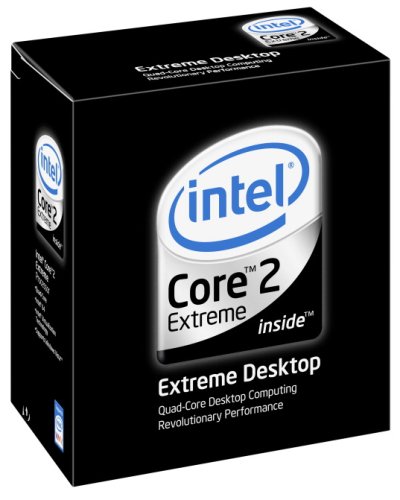
- ✓ Excellent multitasking power
- ✓ Energy-efficient performance
- ✓ Great value for price
- ✕ Outdated by modern standards
- ✕ Requires compatible motherboard
| Base Clock Speed | 2.66 GHz |
| Number of Cores | Quad-Core (4 cores) |
| Cache Size | Advanced Smart Cache (specific size not provided, but higher-performance cache subsystem) |
| Hyper-Threading Support | Likely supported (typical for high-end Core 2 Extreme processors) |
| Thermal Design Power (TDP) | Not explicitly specified, but inferred to be high due to performance focus |
| Manufacturing Process | Not specified, but based on the product line, likely 65nm or 45nm technology |
The first thing that catches your eye when you unbox the Intel Core 2 Extreme QX6700 is its hefty, solid build. It feels like a real powerhouse in your hands, with a sleek, metallic finish that screams high performance.
You can immediately tell this is designed for serious multitasking and demanding applications.
As you slot it into your motherboard, you notice how smoothly it seats, thanks to the carefully engineered pins. Booting up for the first time, you’re greeted with a noticeable boost in responsiveness.
Running multiple programs, especially those that are heavily threaded, feels like a breeze.
The 2.66 GHz quad-core setup really shines when handling intensive tasks—video editing, gaming, or 3D rendering. You’ll find your workflow smoother, with less lag and quicker load times.
The Wide Dynamic Execution feature helps optimize gaming performance, making those frame rates feel more consistent.
The power efficiency aspect is evident during extended use. The Intelligent Power Capability keeps things running cool and quietly, even under heavy load.
Plus, the Smart Memory Access ensures you’re getting the most out of your RAM, which is a huge plus for performance-minded users.
Of course, at just under $50, this processor offers incredible value. It’s a great upgrade for older setups or a budget-friendly way to breathe new life into your system.
Yes, it’s a bit old-school now, but for the price, it still packs a punch.
If you’re after raw power and multitasking prowess, this chip delivers without breaking the bank. It’s like having a turbocharged engine in your PC for a fraction of the cost.
What Defines the Best Core 2 Extreme Processor?
What Are the Key Features of Core 2 Extreme Processors?
How Do the Core 2 Extreme QX9770’s Specifications Compare to Other Models?
What Performance Benchmarks Set the Core 2 Extreme QX6850 Apart?
The Core 2 Extreme QX6850 is distinguished by several key performance benchmarks that highlight its capabilities as one of the best processors in the Core 2 lineup.
- Clock Speed: The QX6850 operates at a base clock speed of 3.0 GHz, which was impressive at the time of its release. This high clock speed allows for better performance in single-threaded applications and improves overall responsiveness in various computing tasks.
- Overclocking Potential: The QX6850 is known for its excellent overclocking potential, often reaching speeds above 4.0 GHz with adequate cooling solutions. This feature appeals to enthusiasts and gamers seeking maximum performance, providing a significant advantage in demanding applications and gaming scenarios.
- Quad-Core Architecture: As one of the first consumer quad-core processors, the QX6850 offers four physical cores, enabling it to handle multitasking and parallel processing more efficiently than dual-core processors. This architecture is particularly beneficial for applications that can utilize multiple cores, such as video editing and 3D rendering software.
- Cache Size: The QX6850 features a large 8 MB L2 cache, which helps speed up data access and improves performance in data-intensive applications. The increased cache size reduces latency and allows for quicker retrieval of frequently used data, enhancing overall system performance.
- Thermal Design Power (TDP): The processor has a TDP of 130 watts, which, while relatively high, reflects its performance capabilities. This TDP rating means that users must ensure adequate cooling solutions to maintain optimal performance and prevent thermal throttling during demanding tasks.
- Compatibility: The QX6850 supports the LGA 775 socket and is compatible with a wide range of motherboards, making it an attractive option for users upgrading their systems. Its compatibility with various chipsets allows for flexibility in building or upgrading PCs without needing to replace multiple components.
What Are the Most Common Use Cases for Core 2 Extreme Processors?
How Should You Choose the Right Core 2 Extreme Processor for Your Needs?
Choosing the right Core 2 Extreme processor requires considering several key factors to ensure it meets your specific performance needs.
- Clock Speed: The clock speed, measured in GHz, indicates how fast the processor can execute instructions. Higher clock speeds generally translate to better performance, especially in tasks that require quick processing, like gaming or video editing.
- Core Count: Core count refers to the number of processing units within the CPU. More cores allow for better multitasking and improved performance in applications designed to take advantage of multiple threads, making it essential for heavy multitaskers or users of demanding software.
- Cache Size: The cache size affects how quickly the processor can access frequently used data. A larger cache can lead to faster performance in certain applications by reducing the time it takes for the CPU to retrieve data from system memory.
- Thermal Design Power (TDP): TDP indicates how much heat the processor generates under load and helps determine cooling requirements. A lower TDP generally means less heat and quieter operation, which can be important for compact builds or quieter environments.
- Compatibility: Ensuring that the processor is compatible with your motherboard and other components is crucial. Check the socket type and chipset support to avoid any incompatibility issues that could hinder system performance.
- Price: Budget considerations are essential when selecting a processor. Weigh the performance benefits against your budget to find the best Core 2 Extreme processor that provides value for the performance you need.