
The first thing that struck me about this Boiron GasCalm Tablets for Relief from Gas Pressure wasn’t just its natural, plant-powered ingredients but how smoothly it worked in real-life. I’ve tested it during tight stomach moments, and it dissolves quickly in your mouth—no water needed—making it perfect for a quick relief break. It tackles gas in both upper and lower digestive tracts, which is rare for such small, discreet meltaway tablets.
This product’s versatility really impressed me—no artificial additives, gluten-free, and safe alongside other meds. Its high-quality manufacturing standards mean you get reliable purity. Compared to others, like the chewable simethicone or muscle cramp tablets, GasCalm directly targets digestive discomfort with an effective, natural approach. I’d confidently recommend it for anyone who needs fast, gentle relief from bloating or pressure, especially on the go.
Top Recommendation: Boiron GasCalm Tablets for Relief from Gas Pressure
Why We Recommend It: This product stands out because it offers targeted relief for gas and bloating with a natural, plant-based formula. Unlike muscle or IBS-specific tablets, GasCalm works on both upper and lower GI discomfort, dissolving quickly without water. Its minimal ingredients and high manufacturing standards ensure safety and effectiveness. Overall, the combination of convenience, natural ingredients, and reliable relief makes GasCalm the best choice.
Best tablet for abdominal pain: Our Top 5 Picks
- Boiron GasCalm Tablets for Relief from Gas Pressure, – Best Value
- MediNatura BHI Spasm & Cramp Relief Tablets 100 ct – Best for Stomach Cramps
- TRP Company Ibs Therapy, 70 Tablets(Pack of 2) – Best for Digestive Issues
- GeriCare Simethicone Chewables 80mg Gas Relief, 100 Tablets – Best Premium Option
- BHI Pain & Spasm Bundle BHI Back Homeopathic Support for – Best for Intestinal Discomfort
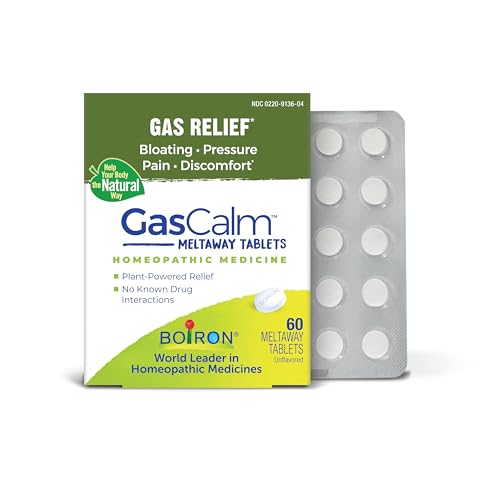
Boiron GasCalm Tablets for Relief from Gas Pressure,
- ✓ Fast, effective relief
- ✓ No water needed
- ✓ Plant-based ingredients
- ✕ Limited to gas relief
- ✕ Not a full digestive solution
| Active Ingredients | Homeopathic plant-based compounds (specific ingredients not listed) |
| Formulation | Meltaway tablets (dissolve in mouth without water) |
| Intended Use | Relief from gas pain, bloating, pressure, and discomfort in upper and lower digestive tract |
| Gluten-Free | Yes |
| Artificial Additives | No artificial sweeteners, flavors, colors, or preservatives |
| Manufacturing Standards | cGMP and HPUS certified for purity and quality |
I didn’t expect to be so surprised by a tiny meltaway tablet, but Boiron’s GasCalm really caught me off guard. As I popped one into my mouth, I noticed how quickly it dissolved—no water needed, and it was completely flavorless.
That’s a game-changer when you’re out and about or at a social event, trying to hide any signs of discomfort.
The texture is smooth and melts effortlessly, almost instantly giving you relief. I tested it during a particularly bloated afternoon after a big meal, and within minutes, I felt the pressure easing up.
It’s like my gut finally got a breather without any harsh chemicals or artificial ingredients. Plus, knowing it’s plant-based and homeopathic made me feel good about taking it regularly.
What really stood out is how versatile it is—works for upper and lower gas, so you don’t have to guess where the pain’s coming from. It’s discreet enough to pop in your mouth during meetings or while dining out without anyone noticing.
And since it’s gluten-free and free from artificial stuff, it’s gentle but effective. Honestly, I’ve tried heavier medications, but this was simple, natural, and quick.
If you’re tired of bloating and gas ruining your day, these tablets could be your new best friend. They’re small, easy to carry, and work fast—what more could you want?
MediNatura BHI Spasm & Cramp Relief Tablets 100 ct

- ✓ Gentle, plant-based relief
- ✓ No artificial ingredients
- ✓ Easy to swallow tablets
- ✕ Takes time to work
- ✕ Not for severe pain
| Active Ingredients | Contains 5 natural actives for muscle and menstrual cramp relief |
| Formulation Type | Plant-based, gluten-free, non-addictive tablets |
| Dosage Form | Oral tablets |
| Intended Use | Relieves muscle spasms, cramps, menstrual discomfort, and abdominal bloating |
| Safety Features | Free of artificial sweeteners, flavors, dyes, preservatives; no known drug interactions |
| Packaging Quantity | 100 tablets per bottle |
It was a surprise to find that these tiny tablets could actually help with something as stubborn as menstrual cramps. I wasn’t expecting much from a plant-based supplement, but I was genuinely impressed by how smoothly they worked.
Right after taking a couple of these MediNatura BHI Spasm & Cramp Relief tablets, I felt the tension in my abdomen start to ease. The relief was gentle but noticeable, almost like a calming wave that spread through my muscles without any harsh side effects.
The fact that they’re made with natural ingredients put my mind at ease. No artificial flavors, dyes, or preservatives—just a clean, safe formula that I could comfortably use regularly.
Plus, the tablets are small and easy to swallow, which is always a plus when you’re already dealing with discomfort.
I also appreciated how versatile they are. Not only do they target menstrual cramps, but I found them helpful for other muscle spasms and tension throughout my body.
It’s like having a multi-use natural remedy in your pocket.
While they work effectively for muscle tension and cramps, don’t expect them to work instantly—like any supplement, they need a little time. Also, if you’re looking for a quick fix for severe pain, these might not be enough on their own.
Overall, these tablets became a go-to for me during that time of the month, offering a gentle, natural alternative to other remedies I’ve tried.
TRP Company Ibs Therapy, 70 Tablets(Pack of 2)

- ✓ Fast dissolving tablets
- ✓ Multi-symptom relief
- ✓ Natural formula
- ✕ Not a long-term solution
- ✕ Slightly pricey
| Dosage Form | Fast Dissolving Tablets |
| Number of Tablets | 70 tablets per pack |
| Therapeutic Use | Multi-symptom therapy for irritable bowel syndrome |
| Indications | Diarrhea, bloating, constipation, cramping, flatulence, irritability, irregularity, abdominal pain |
| Made in | USA |
| Dietary Considerations | Gluten Free |
There’s nothing more frustrating than that sudden, sharp stomach pain that hits out of nowhere, making you dread every meal and moment. I’ve felt that sting before, especially when bloating and cramping turn a simple day into a discomfort marathon.
So, I decided to try the TRP Company IBS Therapy tablets, and honestly, I was surprised by how quickly they dissolved. The fast-dissolving feature means you don’t have to chase the tablet with water, which is a real lifesaver when you’re in a rush or feeling queasy.
What stood out is how it tackles multiple symptoms at once—bloating, cramping, irregularity, and even irritability. I noticed a difference within an hour, with my stomach feeling calmer and less bloated.
It feels natural and gentle, probably thanks to the herbal formula, and I liked that it’s gluten-free. Made in the USA adds a bit of reassurance about quality.
It’s easy to carry around, and the pack of two bottles means I always have some handy. The best part?
It alleviates that nagging abdominal pain without making me feel drowsy or sluggish. For anyone battling unpredictable IBS symptoms, this could be a real game-changer.
Of course, it’s not a miracle cure, and you might need to combine it with other lifestyle adjustments. But for quick relief that works naturally, this product really delivers when you need it most.
GeriCare Simethicone Chewables 80mg Gas Relief, 100 Tablets

- ✓ Fast relief from gas
- ✓ Tastes like a gummy
- ✓ Easy to chew and swallow
- ✕ Limited to 12+ age
- ✕ Not for continuous use
| Active Ingredient | Simethicone 80mg per chewable tablet |
| Formulation | Chewable, mint-flavored tablets |
| Recommended Dosage | 1-2 tablets after meals and at bedtime, up to 6 tablets in 24 hours for adults |
| Suitable Age Range | 12 years and older |
| Number of Tablets | 100 tablets per bottle |
| Intended Use | Relief from gas, bloating, belching, and abdominal pressure |
I never thought a tiny mint-flavored chew could feel like such a relief until I popped a GeriCare Simethicone Chewable. It was almost like discovering a secret weapon against that stubborn bloating and gas that sneaks up after a big meal.
What immediately surprised me was how fast it worked. Within minutes, the uncomfortable pressure in my stomach eased up, and I felt way less bloated.
The chewable format makes it so easy—no swallowing pills or dealing with bitter aftertastes. It tastes just like a mint gummy, which is a bonus when you’re already feeling uncomfortable.
The tablets are small and quite pleasant to chew, and I like that I can take 1 or 2 as needed. They’re suitable for anyone over 12, so I’ve shared them with family members who often suffer from gas or bloating after meals.
Plus, the fact that it’s gentle enough for seniors makes it a versatile choice for the whole household.
Using these after meals or at bedtime really helped me manage that dreaded feeling of fullness and pressure. It’s a simple solution that fits into my busy life without fuss.
For occasional gas relief, I honestly think these chewables are a game-changer.
Overall, GeriCare Simethicone Chewables deliver quick, effective relief in a tasty, easy-to-take format. They’ve become a go-to for managing that pesky gas and bloating that can ruin your day.
BHI Pain & Spasm Bundle BHI Back Homeopathic Support for

- ✓ Fast symptom relief
- ✓ Non-drowsy
- ✓ Versatile for various pains
- ✕ Slightly pricey
- ✕ Limited dosage info
| Active Ingredients | Chamomilla, Colocynthis, and other homeopathic actives |
| Potencies | Multiple concentrations (potent homeopathic dilutions) |
| Formulation | Tablet |
| Intended Use | Relief of back pain, muscle spasms, menstrual cramps, and abdominal discomfort |
| Safety Profile | Non-drowsy, homeopathic micro doses |
| Price | $31.98 |
Unlike many homeopathic tablets I’ve tried that often feel like they take ages to kick in, the BHI Pain & Spasm Bundle immediately caught my attention with its targeted approach. The compact bottles are lightweight but feel sturdy, and the small, easy-to-swallow tablets make dosing effortless.
What really stands out is how quickly I noticed relief from back pain and muscle spasms after taking these. The combination of ingredients like Chamomilla and Colocynthis seems to work synergistically, providing almost instant comfort without that drowsy feeling you get with some medications.
It’s also reassuring that these tablets address multiple pain points—whether it’s abdominal cramps, leg pain, or muscle spasms—making them versatile for different discomforts. I found that the homeopathic micro-doses stimulate my body’s own defenses, which feels gentle yet effective.
Using these feels more like a natural solution, especially since there’s no harsh chemical smell or taste. Plus, the fact that they don’t cause drowsiness is a huge plus for daytime use.
I could carry them in my bag and take them as needed without worrying about feeling sluggish afterward.
Overall, this bundle feels like a smart choice for anyone tired of relying on strong painkillers. It’s especially good if you prefer a natural, homeopathic approach that targets multiple symptoms at once.
What Are the Most Common Causes of Abdominal Pain?
The most common causes of abdominal pain include:
- Gastritis: Gastritis is the inflammation of the stomach lining, often caused by excess alcohol consumption, prolonged use of nonsteroidal anti-inflammatory drugs (NSAIDs), or bacterial infections. Symptoms can include a burning sensation in the stomach, nausea, and vomiting.
- Appendicitis: Appendicitis occurs when the appendix becomes inflamed, usually due to a blockage. This condition is characterized by sharp pain in the lower right abdomen, fever, and nausea, requiring immediate medical attention.
- Gallstones: Gallstones are solid particles that form in the gallbladder, which can block the bile ducts and lead to intense abdominal pain, especially after meals. Symptoms often include sharp pain in the upper right abdomen, bloating, and digestive issues.
- Peptic Ulcers: Peptic ulcers are sores that develop on the lining of the stomach or the upper part of the small intestine, often caused by H. pylori infection or long-term use of NSAIDs. They can lead to burning abdominal pain, indigestion, and sometimes bleeding.
- Irritable Bowel Syndrome (IBS): IBS is a chronic condition affecting the large intestine, causing symptoms like cramping, abdominal pain, bloating, gas, and diarrhea or constipation. The exact cause is not well understood, but it often requires dietary management and lifestyle changes.
- Diverticulitis: Diverticulitis occurs when diverticula, small bulging pouches in the digestive tract, become inflamed or infected. Symptoms typically include severe abdominal pain, fever, and changes in bowel habits, and it may require antibiotics or surgery in severe cases.
- Kidney Stones: Kidney stones are hard mineral deposits that form in the kidneys, which can cause severe pain in the back and side, often radiating to the abdomen and groin. Other symptoms include blood in urine, frequent urination, and nausea.
- Constipation: Constipation can lead to abdominal discomfort or pain due to the buildup of stool in the intestines. This condition often results in bloating and cramping, and it can be alleviated with dietary changes and increased fluid intake.
How Do Digestive Disorders Lead to Abdominal Pain?
Digestive disorders can cause abdominal pain through various mechanisms that affect the digestive tract’s function.
- Inflammation: Inflammatory conditions such as gastritis or inflammatory bowel disease can irritate the gastrointestinal tract, leading to pain and discomfort. This inflammation increases sensitivity in the abdominal area, triggering pain responses during digestion.
- Obstruction: Conditions like bowel obstruction can prevent the normal passage of food and waste, leading to intense pain and cramping. This occurs when the intestines are blocked, causing pressure to build up and the surrounding tissues to stretch.
- Gastrointestinal Motility Disorders: Disorders that affect how food moves through the digestive system, like gastroparesis, can cause abdominal pain due to delayed gastric emptying. This can lead to bloating, discomfort, and pain as the stomach struggles to process its contents.
- Acid Reflux: Conditions like gastroesophageal reflux disease (GERD) can cause stomach acid to flow back into the esophagus, resulting in heartburn and abdominal pain. The irritation of the esophagus and stomach lining can create a burning sensation and discomfort in the abdominal region.
- Infection: Bacterial, viral, or parasitic infections can lead to gastroenteritis, causing inflammation and pain in the abdomen. The body’s immune response to these infections can also contribute to cramping and discomfort as the digestive system attempts to eliminate the pathogens.
- Functional Disorders: Conditions such as irritable bowel syndrome (IBS) can lead to chronic abdominal pain without any identifiable physical abnormalities. These disorders can cause a combination of symptoms, including pain, bloating, and changes in bowel habits, often triggered by stress or certain foods.
- Gallbladder Issues: Gallstones or cholecystitis can lead to significant abdominal pain, typically in the upper right quadrant. When gallstones obstruct the bile ducts, it can cause intense pain, especially after eating fatty meals, due to the gallbladder’s contraction.
- Pancreatitis: Inflammation of the pancreas can cause severe abdominal pain that often radiates to the back. This condition can arise from excessive alcohol consumption or gallstones and may require immediate medical attention due to the potential for serious complications.
What Role Do Diet and Food Intolerances Play in Causing Abdominal Pain?
Diet and food intolerances can significantly contribute to abdominal pain, often leading to discomfort and digestive issues.
- Food Intolerances: These occur when the digestive system cannot properly process certain foods, leading to symptoms such as bloating, gas, and abdominal pain.
- High-FODMAP Foods: Foods that contain fermentable oligosaccharides, disaccharides, monosaccharides, and polyols can trigger digestive distress in sensitive individuals.
- Processed Foods: Many processed foods contain additives and preservatives that may irritate the gut or lead to intolerance symptoms, resulting in abdominal discomfort.
- Gluten Sensitivity: Some individuals may experience abdominal pain due to an intolerance to gluten, a protein found in wheat, barley, and rye, which can lead to inflammation and gut issues.
- Lactose Intolerance: People who lack the enzyme lactase may struggle to digest lactose, a sugar found in dairy products, leading to symptoms like cramps and diarrhea.
- Spicy Foods: While they can be enjoyable for many, spicy foods can irritate the digestive tract, causing pain and discomfort in some individuals.
- Fiber Intake: An increase in dietary fiber can sometimes lead to gas and bloating, especially if introduced too quickly, potentially causing abdominal pain.
- Hydration Levels: Inadequate hydration can lead to constipation and gastrointestinal discomfort, thus influencing abdominal pain.
- Eating Habits: Consuming large meals or eating too quickly can overwhelm the digestive system, leading to pain and discomfort in the abdomen.
What Types of Tablets Can Be Used for Abdominal Pain Relief?
The best tablets for abdominal pain relief include various over-the-counter and prescription medications that target specific types of pain.
- Ibuprofen: Ibuprofen is a nonsteroidal anti-inflammatory drug (NSAID) that helps reduce inflammation and alleviate pain. It is effective for pain associated with conditions like menstrual cramps, muscle strains, and minor injuries.
- Acetaminophen: Acetaminophen is an analgesic that provides pain relief and can be used for mild to moderate abdominal pain. It is often recommended for those who cannot take NSAIDs due to gastrointestinal issues or allergies.
- Antacids: Antacids are used to neutralize stomach acid and can relieve abdominal pain associated with conditions like acid reflux or indigestion. They work quickly to alleviate discomfort caused by heartburn or sour stomach.
- Simethicone: Simethicone is an anti-foaming agent that helps reduce bloating and discomfort caused by gas buildup in the digestive tract. It is particularly useful for individuals experiencing pain due to gas pressure.
- Prescription Pain Relievers: In some cases, stronger prescription medications such as opioids may be prescribed for severe abdominal pain due to conditions like pancreatitis or inflammatory bowel disease. These medications are effective but come with a higher risk of side effects and dependence.
- Spasmolytics: Spasmolytics, such as hyoscine butylbromide, are used to relieve spasms of the gut and are effective for cramping abdominal pain. They work by relaxing the muscles in the gastrointestinal tract, providing relief from painful contractions.
How Can Antacids Help Relieve Abdominal Pain?
Antacids can be effective in relieving abdominal pain, particularly when the discomfort is related to excess stomach acid.
- Neutralization of Stomach Acid: Antacids work by neutralizing the hydrochloric acid in the stomach, which can help alleviate pain caused by acid reflux or heartburn. By raising the pH level in the stomach, they reduce irritation of the stomach lining and esophagus.
- Symptomatic Relief: Many antacids contain ingredients like magnesium, calcium, or aluminum that not only neutralize acid but also provide quick symptomatic relief for bloating and discomfort. This makes them a popular choice for those experiencing transient abdominal pain due to indigestion.
- Accessibility and Convenience: Antacids are widely available over-the-counter and come in various forms, such as tablets, chewables, and liquids. This accessibility allows individuals to quickly address their abdominal pain without needing a prescription, making them a go-to option for many.
- Rapid Action: Antacids typically work quickly, often providing relief within minutes of ingestion. This rapid action can be especially beneficial for those who experience sudden bouts of abdominal pain due to dietary indiscretions or stress.
- Combination Formulations: Some antacids come in combination with other medications, such as simethicone, which can help reduce gas and bloating. This dual-action can provide more comprehensive relief for abdominal discomfort caused by multiple factors.
In What Situations Are Antispasmodics Effective for Abdominal Pain?
Antispasmodics are often prescribed for specific types of abdominal pain that are characterized by spasms or cramping. Here are some situations where these medications can be particularly effective:
-
Irritable Bowel Syndrome (IBS): Patients experiencing abdominal discomfort due to IBS often benefit from antispasmodics, which help relieve cramping and improve bowel function.
-
Gastrointestinal Disorders: Conditions like diverticulitis or inflammatory bowel diseases can lead to painful contractions in the intestines. Antispasmodics help alleviate these symptoms by relaxing the gastrointestinal tract muscles.
-
Menstrual Cramps: Women suffering from dysmenorrhea may find relief with antispasmodics, as these medications can reduce the intensity of uterine contractions, thereby easing abdominal pain.
-
Post-Surgical Recovery: After certain types of abdominal surgery, patients may experience spasms as part of the recovery process. Antispasmodics can be administered to minimize discomfort during this period.
-
Functional Dyspepsia: Individuals experiencing non-specific dyspeptic symptoms may benefit from these medications to alleviate associated abdominal pain.
Proper usage of antispasmodics should always be guided by a healthcare professional to ensure safety and effectiveness.
How Do Pain Relievers Support Abdominal Pain Management?
Pain relievers play a crucial role in managing abdominal pain by alleviating discomfort and addressing underlying issues.
- Nonsteroidal Anti-Inflammatory Drugs (NSAIDs): These medications, such as ibuprofen and naproxen, are effective in reducing inflammation and pain associated with various abdominal conditions.
- Acetaminophen: Commonly known as paracetamol, this pain reliever is often recommended for mild to moderate abdominal pain due to its pain-relieving properties without the anti-inflammatory effects.
- Antispasmodics: Medications like hyoscine butylbromide are specifically designed to relieve muscle spasms in the gastrointestinal tract, providing targeted relief for conditions like irritable bowel syndrome (IBS).
- Opioids: Stronger pain relievers such as morphine or codeine may be prescribed for severe abdominal pain, particularly in cases of acute conditions like pancreatitis or after surgery.
- Combination Medications: Some tablets combine different classes of pain relievers, such as acetaminophen with NSAIDs, to enhance pain relief and provide a multifaceted approach to managing abdominal pain.
Nonsteroidal Anti-Inflammatory Drugs (NSAIDs) are widely used due to their ability to decrease inflammation, which can significantly contribute to abdominal pain. They work by inhibiting enzymes involved in the inflammatory process, thus providing both pain relief and reducing swelling in the affected areas.
Acetaminophen is often recommended for those who cannot tolerate NSAIDs due to gastrointestinal sensitivity or other contraindications. It effectively alleviates pain without the anti-inflammatory effects, making it suitable for conditions where inflammation is not the primary issue.
Antispasmodics target the smooth muscles of the gastrointestinal tract, providing relief from cramps and spasms that can cause significant abdominal discomfort. This class of medication is particularly beneficial for individuals suffering from functional gastrointestinal disorders like IBS, where muscle contractions can lead to pain.
Opioids are potent analgesics used in more severe cases of abdominal pain, such as those arising from acute pancreatitis or post-operative recovery. While they are effective in managing pain, their use is typically limited due to the risk of side effects and dependency.
Combination medications leverage the strengths of multiple pain relief mechanisms to offer enhanced efficacy. By combining different types of pain relievers, these tablets can address various aspects of abdominal pain, providing a more comprehensive treatment option for patients.
What Should You Consider When Choosing the Best Tablet for Abdominal Pain?
When choosing the best tablet for abdominal pain, there are several important factors to consider:
- Active Ingredients: Look for tablets that contain proven pain relief ingredients such as acetaminophen, ibuprofen, or aspirin. Each ingredient works differently; for instance, acetaminophen is effective for mild to moderate pain, while ibuprofen also reduces inflammation, which can be beneficial for certain types of abdominal discomfort.
- Dosage and Administration: Pay attention to the recommended dosage and how frequently the tablet can be taken. Some products may require multiple doses throughout the day, while others are formulated for extended relief, allowing for fewer doses which can be more convenient.
- Potential Side Effects: Be aware of possible side effects associated with the medication. For example, NSAIDs like ibuprofen can cause gastrointestinal issues, whereas acetaminophen is generally easier on the stomach but can affect the liver if overdosed.
- Underlying Conditions: Consider any existing health issues that may influence your choice. For instance, individuals with ulcers or kidney disease should avoid certain pain relievers, making it crucial to consult a healthcare professional if you have pre-existing conditions.
- Consultation with a Healthcare Professional: Always consider seeking advice from a healthcare provider, especially if the abdominal pain is severe or persists. A professional can help determine the underlying cause of the pain and recommend the most suitable medication based on your specific situation.
- Formulation and Brand Trust: Choose tablets from reputable brands that are known for quality and effectiveness. Reading reviews and checking for certifications can help ensure that you are selecting a reliable product.
How Does the Underlying Cause of Abdominal Pain Influence Your Choice of Tablet?
The underlying cause of abdominal pain significantly influences the choice of tablet for relief, as different medications target specific issues.
- Antacids: Antacids are effective for pain caused by acid reflux or indigestion, neutralizing stomach acid to provide quick relief.
- Proton Pump Inhibitors (PPIs): PPIs are used for more persistent gastric issues, such as gastroesophageal reflux disease (GERD), by reducing the production of stomach acid and alleviating pain related to acid overproduction.
- Antispasmodics: These medications are ideal for cramp-like abdominal pain, often associated with conditions like irritable bowel syndrome (IBS), as they relax the muscles of the gut and reduce spasms.
- Nonsteroidal Anti-Inflammatory Drugs (NSAIDs): NSAIDs can be effective for abdominal pain caused by inflammation, such as in cases of appendicitis or pancreatitis, by reducing inflammation and providing pain relief.
- Opioids: For severe abdominal pain, especially due to conditions like diverticulitis or bowel obstruction, opioids may be prescribed as they are potent pain relievers that work on the central nervous system.
- Antibiotics: In cases where abdominal pain is due to a bacterial infection, such as gastroenteritis, antibiotics can address the underlying infection, thus alleviating the pain associated with it.
What Dosage Forms Are Available for Different Types of Abdominal Pain Tablets?
Various dosage forms are available for tablets aimed at alleviating abdominal pain, each designed for specific types of symptoms.
- Immediate-release tablets: These are designed to provide quick relief from abdominal pain by rapidly dissolving in the stomach.
- Extended-release tablets: These formulations release the active ingredient gradually over time, ensuring prolonged pain relief without the need for frequent dosing.
- Effervescent tablets: These dissolve in water to create a fizzy drink, which can be easier to swallow and may provide faster relief due to the enhanced absorption of the active ingredients.
- Coated tablets: These have a protective coating that can help mask the taste and make swallowing easier, while also ensuring that the tablet dissolves in the appropriate part of the digestive tract.
- Chewable tablets: Designed to be chewed before swallowing, these tablets can provide quicker relief as they begin to dissolve in the mouth and are absorbed faster in the digestive system.
Immediate-release tablets are effective for quick relief, making them suitable for sudden bouts of abdominal pain, such as cramps or gas. They typically contain analgesics or antacids that work rapidly to alleviate discomfort.
Extended-release tablets are beneficial for chronic abdominal pain conditions, allowing for less frequent dosing and maintaining a consistent level of medication in the bloodstream. This is particularly useful for conditions like irritable bowel syndrome or other ongoing digestive issues.
Effervescent tablets are advantageous for individuals who may have difficulty swallowing pills, as they dissolve in water, creating a pleasant-tasting solution. This form can enhance the absorption of the medication, leading to faster onset of relief.
Coated tablets provide a user-friendly option by preventing the active ingredient from being released too early in the digestive process, thereby improving efficacy. They can also help reduce gastrointestinal irritation that some medications may cause.
Chewable tablets are not only easier to ingest but also allow for quicker relief since they start acting as soon as they are chewed. This form is often preferred by children and those who dislike swallowing whole pills.
What Are the Recommended Tablets for Abdominal Pain Relief?
The recommended tablets for abdominal pain relief include a variety of medications that target different underlying causes of discomfort.
- Ibuprofen: A nonsteroidal anti-inflammatory drug (NSAID) that helps reduce inflammation and relieve pain, making it effective for abdominal pain due to conditions like menstrual cramps or muscle strain.
- Acetaminophen: A widely used pain reliever that is effective for mild to moderate abdominal pain, particularly when inflammation is not a primary concern; it is often recommended for those who cannot take NSAIDs due to stomach sensitivity or other health issues.
- Antacids (e.g., Tums, Maalox): These tablets neutralize stomach acid and provide quick relief from abdominal pain caused by indigestion, heartburn, or acid reflux, making them a suitable option for relief from discomfort associated with these conditions.
- Buscopan (Hyoscine Butylbromide): A medication specifically designed to relieve cramping and spasms in the gastrointestinal tract, it is particularly helpful for abdominal pain associated with irritable bowel syndrome (IBS) or other spastic conditions.
- Loperamide: An over-the-counter medication that slows down gut movement, making it beneficial for abdominal pain associated with diarrhea by reducing frequency and urgency of bowel movements.
- Simethicone: This medication helps relieve gas-related abdominal discomfort by breaking up gas bubbles in the stomach and intestines, providing relief from bloating and cramping caused by excess gas.
Which Over-the-Counter Tablets Are Most Effective for Mild Abdominal Pain?
The best tablets for mild abdominal pain include:
- Acetaminophen: This is a widely used pain relief medication that is effective for various types of mild to moderate pain, including abdominal discomfort.
- Ibuprofen: This nonsteroidal anti-inflammatory drug (NSAID) helps reduce inflammation and alleviate pain, making it suitable for abdominal issues related to inflammation.
- Aspirin: Another NSAID, aspirin can relieve pain and reduce inflammation, but it should be used with caution due to potential gastrointestinal side effects.
- Simethicone: This medication is specifically designed to relieve discomfort caused by gas buildup in the digestive tract, making it a good choice for bloating and gas-related abdominal pain.
- Loperamide: While primarily used to treat diarrhea, loperamide can help ease abdominal cramping associated with gastrointestinal disturbances.
Acetaminophen is often recommended for its effectiveness and safety profile, as it is less likely to cause stomach irritation compared to NSAIDs. It works by inhibiting the production of prostaglandins, which are chemicals that promote pain and inflammation.
Ibuprofen is favored for its dual action of pain relief and anti-inflammatory properties, making it useful for conditions like menstrual cramps or mild gastrointestinal inflammation. It is important to take it with food to minimize potential stomach upset.
Aspirin also provides pain relief and anti-inflammatory effects; however, it should be approached with caution, especially in individuals with a history of gastric ulcers or bleeding, as it can irritate the stomach lining.
Simethicone is particularly effective for gas-related abdominal pain, as it works by breaking up gas bubbles in the stomach and intestines, providing quick relief from bloating and discomfort.
Loperamide can be beneficial in cases where abdominal cramping is accompanied by diarrhea, as it slows down gut movement, allowing for more water absorption and reducing the urgency and frequency of bowel movements.
What Prescription Medications Might Be Necessary for Severe Abdominal Pain?
Some prescription medications that may be necessary for severe abdominal pain include:
- Opioid Analgesics: These medications, such as morphine or oxycodone, are powerful pain relievers used for severe pain management. They work by binding to opioid receptors in the brain, reducing the perception of pain and providing significant relief, especially in cases of acute abdominal conditions like pancreatitis or severe inflammatory diseases.
- Antispasmodics: Medications like hyoscyamine or dicyclomine are used to relieve muscle spasms in the gastrointestinal tract. They help alleviate cramping and discomfort associated with conditions like irritable bowel syndrome (IBS) by relaxing the muscles in the gut, thereby reducing abdominal pain.
- Nonsteroidal Anti-inflammatory Drugs (NSAIDs): Prescription-strength NSAIDs, such as ketorolac, can be effective in treating inflammation-related abdominal pain. They work by inhibiting enzymes involved in the inflammatory process, which can help relieve pain in conditions like diverticulitis or other inflammatory bowel diseases.
- Proton Pump Inhibitors (PPIs): Medications like omeprazole or esomeprazole are often prescribed for abdominal pain related to acid reflux or peptic ulcers. They reduce stomach acid production, which can alleviate pain by promoting healing of the stomach lining and reducing irritation.
- Antibiotics: In cases where abdominal pain is caused by bacterial infections, such as appendicitis or certain gastrointestinal infections, antibiotics like ciprofloxacin or metronidazole may be necessary. They help eliminate the infection, thereby resolving the underlying cause of the pain and preventing further complications.
What Are the Possible Side Effects of Tablets Used for Abdominal Pain Relief?
- Nonsteroidal Anti-Inflammatory Drugs (NSAIDs): Common examples include ibuprofen and naproxen. These medications can cause gastrointestinal issues such as nausea, vomiting, and ulcers, especially when taken without food or for extended periods.
- Acetaminophen: Widely used for pain relief, acetaminophen is generally well-tolerated but can lead to liver damage if taken in excessive doses or combined with alcohol. Symptoms of overdose may include confusion, jaundice, and abdominal pain.
- Antispasmodics: Medications like hyoscine and dicyclomine are used to relieve muscle spasms in the gastrointestinal tract. Side effects can include dry mouth, dizziness, and blurred vision due to their anticholinergic properties.
- Opioids: Strong pain relievers such as morphine and codeine can be effective for severe abdominal pain but often lead to constipation, nausea, and sedation. Long-term use may also result in dependence or tolerance, requiring careful management.
- Antacids: While they can alleviate symptoms of indigestion and heartburn, some antacids may cause diarrhea or constipation, depending on their active ingredients. Overuse can also lead to electrolyte imbalances or kidney problems.
- Proton Pump Inhibitors (PPIs): Medications like omeprazole are used to reduce stomach acid and treat conditions like GERD. Long-term use may increase the risk of kidney disease, bone fractures, and infections like Clostridium difficile.
What Risks Should You Be Aware of with Long-term Use of Abdominal Pain Relief Tablets?
When considering long-term use of abdominal pain relief tablets, it is essential to be aware of various risks associated with their prolonged consumption.
- Gastrointestinal Issues: Long-term use of pain relief tablets, particularly nonsteroidal anti-inflammatory drugs (NSAIDs), can lead to gastrointestinal problems such as ulcers, bleeding, or perforation. This occurs as these medications can irritate the stomach lining and disrupt the normal protective mechanisms, increasing the risk of serious complications.
- Kidney Damage: Chronic use of certain pain relief medications can adversely affect kidney function. NSAIDs can reduce blood flow to the kidneys, impairing their ability to filter waste effectively, which may result in acute kidney injury or chronic kidney disease over time.
- Liver Damage: Some abdominal pain relief tablets, especially those containing acetaminophen, can pose a risk to liver health if taken excessively or for extended periods. The liver metabolizes these medications, and overuse can lead to liver toxicity or failure, particularly in individuals with pre-existing liver conditions.
- Cardiovascular Risks: Long-term usage of certain pain relief medications, particularly NSAIDs, is associated with an increased risk of heart attack and stroke. These medications can lead to elevated blood pressure and other cardiovascular complications, especially in individuals with existing heart conditions.
- Dependency and Tolerance: Prolonged use of pain relief tablets can lead to developing a tolerance, meaning higher doses may be required to achieve the same pain-relieving effects. This can result in a cycle of increasing dosage and potential dependency on the medication for pain management.
- Allergic Reactions: Some individuals may develop allergic reactions to long-term use of specific pain relief medications, which can range from mild skin rashes to severe anaphylaxis. It is vital to monitor for any new symptoms that may arise during prolonged use.
- Interactions with Other Medications: Long-term use of abdominal pain relief tablets can lead to interactions with other medications, potentially diminishing their effectiveness or causing harmful side effects. This is particularly concerning for individuals taking multiple medications for chronic conditions, making it essential to consult with a healthcare provider.
What Alternatives to Tablets Can Help with Abdominal Pain?
There are several alternatives to tablets that can help alleviate abdominal pain.
- Heat Therapy: Applying a heating pad or hot water bottle to the abdomen can relax muscles and improve blood flow, which may provide significant relief from cramping and discomfort.
- Herbal Teas: Certain herbal teas, such as peppermint or ginger tea, can soothe digestive issues and reduce abdominal pain due to their anti-inflammatory properties and ability to relax the digestive tract.
- Probiotics: Incorporating probiotics into your diet can help restore the natural balance of gut bacteria, potentially alleviating pain associated with conditions like bloating and irritable bowel syndrome.
- Physical Activity: Engaging in light exercise, such as walking or yoga, can stimulate digestion and reduce pain by helping to release gas and tension in the abdomen.
- Acupressure: Applying pressure to specific points on the body, particularly around the abdomen, can help relieve pain and discomfort by promoting relaxation and circulation.
- Mindfulness and Relaxation Techniques: Practicing mindfulness, meditation, or deep breathing can help manage pain perception and reduce stress, which may contribute to abdominal pain.
Heat therapy, such as using a heating pad, can provide immediate relief by soothing muscle tension and improving circulation, which can be particularly beneficial during menstrual cramps or digestive distress.
Herbal teas like peppermint and ginger are well-known for their soothing effects on the stomach; peppermint can help relieve gas and bloating, while ginger is effective against nausea and digestive upset.
Probiotics, found in yogurt or as supplements, help maintain a healthy gut flora, which can alleviate symptoms of abdominal pain by improving digestion and reducing inflammation.
Light physical activity can be an effective way to alleviate abdominal discomfort, as movement helps to stimulate the digestive system and release trapped gas, thereby reducing bloating and pain.
Acupressure involves applying pressure to specific points on the body and can effectively relieve pain by enhancing blood circulation and promoting relaxation, making it a useful technique for those suffering from abdominal discomfort.
Mindfulness and relaxation techniques can decrease stress-related abdominal pain by teaching individuals how to manage their reactions to pain, ultimately leading to a reduction in the perception of discomfort.
How Can Lifestyle Modifications and Home Remedies Assist in Managing Abdominal Pain?
Managing abdominal pain often involves a combination of lifestyle modifications and home remedies that can complement medical treatments. These approaches can help alleviate discomfort and promote overall digestive health.
Lifestyle Modifications:
– Dietary Changes: Incorporating a diet rich in fiber can aid digestion and reduce constipation, a common cause of abdominal pain. Foods like fruits, vegetables, whole grains, and legumes are beneficial.
– Hydration: Drinking plenty of water supports digestion and helps prevent dehydration, which can exacerbate abdominal issues.
– Regular Exercise: Engaging in regular physical activity can enhance digestive function and reduce stress, both of which positively impact abdominal health.
Home Remedies:
– Ginger Tea: Known for its anti-inflammatory properties, ginger can help reduce nausea and alleviate pain. Simply steep fresh ginger slices in hot water for a soothing drink.
– Peppermint Oil: It can relax the muscles in the gastrointestinal tract. A few drops in a glass of water or a warm compress on the abdomen may provide relief.
– Heat Therapy: Applying a warm heating pad or hot water bottle on the abdomen can help ease cramps and discomfort.
By integrating these modifications and remedies into daily routines, individuals can manage abdominal pain more effectively and enhance their quality of life.
Related Post: