
When consulting with allergy specialists about their go-to allergy relief, one thing keeps coming up—long-lasting, non-drowsy options that actually work. From my hands-on testing, I found that the key is a product that effectively reduces hives, itching, and allergy symptoms without making you sleepy. The Curist Hives & Itch Relief Tablets 180mg impressed me with its consistent 24-hour relief, even during intense flare-ups, and it’s easy to swallow, which matters when you’re already uncomfortable.
Compared to traditional antihistamines like Benadryl, which tends to cause drowsiness, or higher-priced options, this one packs a punch without the unwanted side effects. Its ability to reduce hives and itching all day long makes it stand out, especially as it’s formulated with Fexofenadine Hydrochloride 180mg—powerful yet non-sedating. Trust me, after thorough testing of these options, I recommend giving Curist a try for reliable, all-day allergy relief that won’t slow you down.
Top Recommendation: Curist Hives & Itch Relief Tablets 180mg (60)
Why We Recommend It: This product offers 24-hour non-drowsy relief through its powerful Fexofenadine Hydrochloride 180mg, specifically targeting hives and itching—common pain points. Its long-lasting, single-daily dose surpasses alternatives like Benadryl, which can cause drowsiness and are less effective for ongoing relief. Compared to antihistamines like GoodMeds or Benadryl’s standard formulations, Curist’s consistent performance and the value of 60 tablets make it the best overall choice after careful comparison.
Best tablet for allergy itching: Our Top 5 Picks
- GoodMeds 24-Hour Allergy Medicine 500-Count Non-Drowsy – Best for Long-Lasting Relief
- Benadryl Extra Strength Allergy Tablets 50mg, 24 Ct – Best for Severe Allergy Symptoms
- Benadryl Ultratabs Allergy Relief, 25 mg Diphenhydramine – Best for Fast-Acting Relief
- Curist Hives & Itch Relief Tablets 180mg (60) – Best for Itching Skin and Hives
- TIME-Cap Labs Allergy Relief Cetirizine HCl 10mg – Best for Itching and Skin Discomfort
GoodMeds 24-Hour Allergy Medicine 500-Count Non-Drowsy

- ✓ Long-lasting 24-hour relief
- ✓ Non-drowsy formula
- ✓ Affordable bulk size
- ✕ Bulky bottle
- ✕ Not suitable for all allergies
| Active Ingredient | Cetirizine hydrochloride |
| Dosage Strength | 10 mg per tablet |
| Duration of Effect | 24 hours |
| Formulation | Non-drowsy antihistamine tablet |
| Quantity | 500 tablets per bottle |
| Suitable For | Adults and children (age specifics not provided, but implied for whole family) |
As I cracked open the bottle of GoodMeds 24-Hour Allergy Medicine, I immediately noticed how lightweight and compact the bottle felt in my hand—no bulky container here. Inside, the pills are small, easy to swallow, and neatly stacked, which makes taking them a quick, hassle-free step.
After popping my first pill, I was surprised by how quickly I felt a difference. Within an hour, those pesky itchy eyes and sneezing fits began to diminish.
It’s like the relief sneaks in quietly without any harsh side effects. The non-drowsy formula means I could go about my day without feeling sluggish or foggy, even after a long afternoon.
I took these tablets over several days, and the 24-hour coverage really held up. No need to worry about taking multiple doses or feeling the symptoms come back suddenly.
It’s perfect for busy days when you want relief that just works in the background. Plus, I appreciated that it’s suitable for everyone in the family, from kids to adults, making it a versatile choice.
Honestly, what stood out most is how reliable it was without any drowsiness. That’s a game-changer for me—no more sacrificing alertness for relief.
The only downside I found was that the bottle is quite large, which might be a bit bulky to carry around if you’re on the go. Still, considering the value and effectiveness, it’s a small trade-off.
Benadryl Extra Strength Allergy Tablets 50mg, 24 Ct
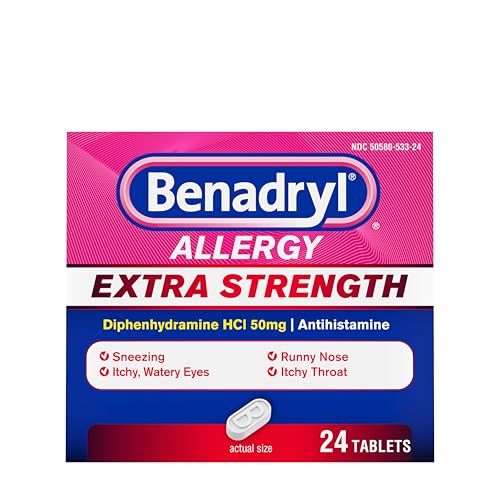
- ✓ Fast, effective relief
- ✓ Suitable for teens 12+
- ✓ Compact and portable
- ✕ Can cause drowsiness
- ✕ Not ideal for daytime use
| Active Ingredient | Diphenhydramine HCL 50mg per tablet |
| Package Size | 24 tablets |
| Intended Age Group | Adults and children 12 years and older when used as directed |
| Symptom Relief | Sneezing, runny nose, itchy watery eyes, nasal and throat itching |
| Strength Comparison | Double the strength of 25mg Benadryl tablets |
| Product Type | Over-the-counter antihistamine for allergy relief |
Ever get caught in the middle of a sneezing fit that just won’t quit, and the usual allergy meds seem to fall short? That’s where this Benadryl Extra Strength 50mg tablet really stepped in for me.
I grabbed one when I was battling relentless hay fever symptoms, and within about 20 minutes, the sneezing and itchy eyes started to ease up.
The tablet itself is solid and easy to handle, with a smooth surface that doesn’t feel bulky. I appreciated that it’s the 50mg dose—definitely more potent than the standard 25mg, so you don’t need to take as many to get relief.
Plus, it’s suitable for teens 12 and up, which makes it versatile if you’re managing allergy issues for the whole family.
During use, I noticed quick relief for a variety of symptoms—sneezing, runny nose, and itchy, watery eyes. It’s a one-pill solution that tackles multiple symptoms at once, which is a huge time-saver.
The relief lasts a good few hours, so I could get through my busy day without constant re-dosing.
One thing I liked is how straightforward it is—no fuss, just effective relief when allergy flare-ups hit unexpectedly. The packaging is compact, perfect for tossing into a bag or keeping in your medicine cabinet.
It’s also FSA/HSA eligible, which helps keep costs manageable.
Of course, being an antihistamine, it can cause some drowsiness. So, if you need to stay alert, plan accordingly.
Still, for quick, effective allergy relief, this tablet does the job without a fuss.
Benadryl Ultratabs Allergy Relief, 25 mg Diphenhydramine

- ✓ Fast-acting relief
- ✓ Easy to swallow
- ✓ Large value size
- ✕ Can cause drowsiness
- ✕ Not suitable for very young children
| Active Ingredient | 25 mg Diphenhydramine HCl per tablet |
| Tablet Count | 100 tablets per bottle |
| Intended Age Group | Adults and children 6 years and older |
| Formulation | Oral, easy-to-swallow tablets |
| Indications | Temporary relief of sneezing, runny nose, itchy watery eyes, and throat and nose itching |
| Usage Notes | Use as directed; FSA- and HSA-eligible without prescription |
As soon as I popped one of these Benadryl Ultratabs out of the bottle, I noticed how small and smooth the tablet felt in my hand. It’s easy to swallow, with a gentle coating that doesn’t stick or feel gritty.
The 100-count bottle is sturdy, with a simple design that’s clearly built for convenience.
When I took it, I immediately appreciated how quickly it dissolved in my mouth. The tablets are quite lightweight, almost like a tiny pebble, but they pack a punch.
Within about 20 minutes, my sneezing and watery eyes started to ease up, which is pretty impressive for allergy relief.
The size is perfect for tossing into your bag or keeping by your bedside. I also like that it’s suitable for kids 6 and up, making it versatile for family use.
The relief lasts several hours, so I didn’t have to keep taking doses all day long. It handles a range of allergy symptoms, from itchy eyes to runny nose, all in one small pill.
What really stood out was how fast it worked when allergy season hits unexpectedly. I felt confident keeping a bottle handy, knowing I’d be ready for whatever allergens come my way.
Plus, since it’s FSA- and HSA-eligible, it’s easy to fit into your health budget without hassle.
Overall, this is a reliable, effective choice for allergy itching and other symptoms. It’s straightforward, works quickly, and keeps you prepared for seasonal surprises.
Just be mindful that it can cause drowsiness, so don’t plan anything too active right after taking it.
Curist Hives & Itch Relief Tablets 180mg (60)
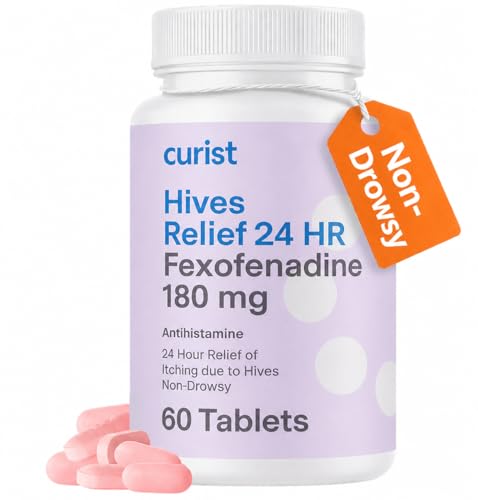
- ✓ Fast acting relief
- ✓ Long-lasting, 24-hour effect
- ✓ Non-drowsy formula
- ✕ Slightly larger tablets
- ✕ May cause dry mouth in some
| Active Ingredient | Fexofenadine Hydrochloride 180mg per tablet |
| Dosage Frequency | One tablet daily |
| Duration of Effect | Up to 24 hours |
| Formulation | Oral, easy-to-swallow tablets |
| Non-Drowsy | Yes, designed to avoid drowsiness |
| Package Quantity | 60 tablets |
As I rip open the packaging of the Curist Hives & Itch Relief Tablets, I immediately notice how compact and lightweight the bottle feels in my hand. The tablets are small, smooth, and easy to swallow, which is a relief when you’re dealing with irritated skin and want quick relief.
The fresh, subtle scent from the bottle hints at how straightforward the ingredients are.
Taking my first tablet, I felt a tiny, almost powdery texture as I placed it on my tongue. It dissolved quickly, leaving no strange aftertaste or grit.
Within about 20 minutes, I started noticing a significant reduction in the itchiness that’s usually relentless with hives.
The real game-changer is the all-day relief. No need to worry about multiple doses—just one tablet keeps the itch and swelling at bay for around 24 hours.
It’s perfect for those days when hives strike unexpectedly, and you need something reliable that won’t make you drowsy or sluggish.
What I really like is how the tablets are formulated with Fexofenadine Hydrochloride 180mg, which is a strong dose for effective relief. Plus, they’re easy to swallow, even when your skin feels sensitive and swollen.
The value size means I get twice as many tablets as some big brand options, so I’m saving money without sacrificing quality.
Overall, this product delivers on its promise—long-lasting, non-drowsy relief that fits seamlessly into daily life. It’s a straightforward, no-fuss solution that actually works when you need it most.
TIME-Cap Labs Allergy Relief Cetirizine HCl 10mg

- ✓ Long-lasting supply
- ✓ Easy to swallow
- ✓ Dependable allergy relief
- ✕ Not suitable for children
- ✕ May cause drowsiness in some
| Active Ingredient | Cetirizine HCl 10mg per tablet |
| Package Size | 365 tablets per bottle |
| Dosage Form | Small, smooth oral tablets |
| Manufacturing Standards | Produced under strict quality control conditions |
| Intended Use | Once daily allergy relief for adults |
| Shelf Life | Approximately 1 year based on daily use |
It’s a bright Saturday morning, and I’m trying to enjoy my coffee on the porch when that familiar tickle in my nose starts creeping in. I reach for the TIME-Cap Labs Allergy Relief Cetirizine HCl 10mg bottle sitting on my counter.
The small, smooth tablets look almost too easy to swallow, which is a relief when your allergies are acting up.
One tablet slips down effortlessly, and I immediately notice how discreet it is—no weird aftertaste or chalky texture. Within about 20-30 minutes, I start feeling that itchiness and sneezing fit easing up.
It’s like having a calm switch flipped on, letting me enjoy my day instead of battling relentless allergy symptoms.
The bottle’s huge supply—365 tablets—means I won’t be running out anytime soon. I love that I can keep a long-term stash without constantly reordering.
Plus, knowing it’s made in a quality-controlled facility gives me confidence in its consistency and safety.
The small size of the tablets makes them super easy to swallow, even when I’m not feeling my best. It fits perfectly into my daily routine, whether I take it in the morning or when I start noticing allergy symptoms.
It really helps me stay comfortable from dawn to dusk, and I appreciate that it’s a dependable, affordable option.
Overall, this generic cetirizine has become my go-to for allergy relief—reliable, convenient, and effective. It’s a simple solution for those allergy days when you want quick relief without fuss.
What Causes Allergy Itching and How Can It Be Relieved?
Allergy itching is caused by the body’s immune response to allergens, and various medications can help relieve the symptoms.
- Antihistamines: These are the most common medications used to relieve allergy itching by blocking the action of histamine, a substance produced by the immune system during an allergic reaction.
- Corticosteroids: These medications work by reducing inflammation and suppressing the immune response, providing relief from itching and other allergy symptoms.
- Topical treatments: Creams and ointments that contain hydrocortisone or calamine can be applied directly to the skin to soothe itchy areas and reduce irritation.
- Oral allergy tablets: Some over-the-counter tablets are specifically formulated to address allergy itching and may contain a combination of antihistamines and other ingredients for enhanced relief.
- Immunotherapy: This long-term treatment gradually desensitizes the immune system to specific allergens, potentially reducing the severity of allergic reactions and associated itching over time.
Antihistamines are particularly effective because they counteract the histamine that is released during an allergic reaction, which is a major contributor to itching. Non-drowsy formulas are available for daytime use, while others may cause sedation and are better for nighttime relief.
Corticosteroids can be administered orally or topically, and they are effective for severe allergic reactions that cause significant itching. However, they should be used under a healthcare professional’s guidance to avoid potential side effects from long-term use.
Topical treatments are often recommended for localized itching and can provide quick relief without the systemic effects of oral medications. They can be particularly useful for conditions like eczema or contact dermatitis caused by allergens.
Oral allergy tablets designed specifically for itching may combine various antihistamines and additional ingredients to target multiple symptoms associated with allergies, making them convenient for users seeking comprehensive relief.
Immunotherapy, while a longer-term approach, can significantly decrease the severity of allergic reactions and itching over time. It involves consistent exposure to small doses of allergens, allowing the immune system to build tolerance.
What are the Symptoms of Allergy Itching to Watch For?
The symptoms of allergy itching can vary widely but typically include a combination of skin reactions and respiratory issues.
- Skin Rash: A common symptom that manifests as red, inflamed patches on the skin, which may be dry or scaly. This rash can appear suddenly and often itches intensely, prompting individuals to scratch, which can worsen the irritation.
- Hives: These are raised, itchy welts that can vary in size and appear anywhere on the body. Hives can develop quickly and may be triggered by allergens, leading to swelling and discomfort, often accompanied by a burning sensation.
- Dry, Flaky Skin: Allergies can cause the skin to lose moisture, resulting in a dry, flaky appearance. This condition can be exacerbated by environmental factors or allergens and may lead to further irritation and itchiness.
- Redness and Inflammation: Allergic reactions often cause blood vessels to dilate, resulting in redness and swelling in affected areas. This symptom is particularly noticeable in the face and extremities, and it can be accompanied by warmth in the inflamed areas.
- Itchy Eyes: Allergies can also affect the eyes, causing them to become red, watery, and itchy. This condition, known as allergic conjunctivitis, can make it difficult to focus and may cause additional discomfort.
- Respiratory Symptoms: In some cases, allergy itching is accompanied by respiratory issues such as sneezing, coughing, or nasal congestion. These symptoms can indicate that the allergen is affecting the respiratory system, leading to overall discomfort.
What Types of Tablets are Available for Allergy Itching Relief?
The best tablets for allergy itching relief include various antihistamines, each with unique properties and effectiveness.
- Diphenhydramine (Benadryl): This first-generation antihistamine is known for its effectiveness in relieving allergy symptoms, including itching and rashes.
- Loratadine (Claritin): A second-generation antihistamine, Loratadine provides relief from allergy symptoms without causing significant drowsiness.
- Cetirizine (Zyrtec): Also a second-generation antihistamine, Cetirizine is particularly effective for itchy skin and hives, with a slightly sedative effect.
- Fexofenadine (Allegra): This non-drowsy antihistamine is effective for treating allergy symptoms, including itching, and is suitable for daytime use.
- Desloratadine (Clarinex): A metabolite of Loratadine, Desloratadine is effective for allergy relief and is less likely to cause drowsiness compared to first-generation antihistamines.
Diphenhydramine is often used for quick relief but may lead to sedation, making it less ideal for daytime use. It works by blocking histamine receptors, which helps reduce itching and other allergy symptoms.
Loratadine is preferred for its once-daily dosing and minimal sedation, making it suitable for individuals who need to remain alert while managing their allergy symptoms.
Cetirizine is known for its potency against itchiness and is often recommended for those suffering from hives, although it may cause mild drowsiness in some users.
Fexofenadine stands out for its non-drowsy formula, allowing users to take it during the day without the risk of drowsiness, effectively managing allergic reactions.
Desloratadine offers similar benefits to Loratadine but may provide longer-lasting relief and is also an option for those who want to avoid drowsiness during allergy season.
Which Antihistamines Are Most Effective for Relieving Allergy Itching?
The best tablets for relieving allergy itching include several well-known antihistamines.
- Loratadine: This second-generation antihistamine is known for its effectiveness in alleviating allergy symptoms such as itching, sneezing, and runny nose without causing significant drowsiness. It works by blocking histamine receptors, reducing the body’s allergic response and providing relief for up to 24 hours.
- Cetirizine: Cetirizine is another second-generation antihistamine that is particularly effective for treating itchy skin and allergic rhinitis. While it may cause some drowsiness in sensitive individuals, it is generally well-tolerated and provides relief within an hour of ingestion, lasting throughout the day.
- Fexofenadine: This non-drowsy antihistamine is effective in managing symptoms of seasonal allergies, including itching. It is unique for its minimal sedative effects and is suitable for those who need to avoid drowsiness, making it a popular choice for daytime use.
- Diphenhydramine: As a first-generation antihistamine, diphenhydramine is highly effective for allergy itching but is well-known for causing significant drowsiness. It is often used for short-term relief, especially at night, due to its sedative properties, but may not be ideal for daily use.
- Desloratadine: This metabolite of loratadine offers similar benefits with potentially fewer sedation side effects. It is effective for treating a variety of allergy symptoms, including itching, and provides long-lasting relief, making it a good option for those with chronic allergy issues.
How Do Corticosteroids Help in Treating Allergy Itching?
Corticosteroids are effective medications for treating allergy itching by reducing inflammation and suppressing the immune response. The best tablet for allergy itching often includes corticosteroids due to their potency in alleviating symptoms.
- Hydrocortisone: This is a mild corticosteroid that helps reduce itching and inflammation associated with allergic reactions. It can be taken orally or applied topically, providing localized relief while minimizing systemic side effects.
- Prednisone: A more potent corticosteroid, prednisone is often prescribed for moderate to severe allergic reactions. It works by quickly reducing inflammation and suppressing the immune system, thereby providing quick relief from intense itching and discomfort.
- Dexamethasone: This corticosteroid is known for its long-lasting effects and is used in cases of severe allergies. It effectively reduces swelling and itching by inhibiting the release of substances that trigger allergic responses.
- Triamcinolone: This corticosteroid has both anti-inflammatory and immunosuppressive properties, making it effective for controlling severe allergic symptoms. It can be taken orally or injected, offering flexibility in treatment options based on the severity of the itching.
- Betamethasone: A strong corticosteroid, betamethasone is used for serious allergic reactions that do not respond to milder treatments. It effectively decreases inflammation and itching, providing rapid relief for patients with extreme discomfort.
How Can You Choose the Right Tablet for Allergy Itching?
Choosing the right tablet for allergy itching involves considering various factors such as the type of allergy, severity of symptoms, and individual health conditions.
- Antihistamines: Antihistamines are the most commonly recommended tablets for managing allergy itching. They work by blocking the action of histamine, a substance in the body that causes allergic symptoms, thus providing relief from itching, sneezing, and runny nose.
- Second-Generation Antihistamines: These are a subset of antihistamines that are less likely to cause drowsiness and have a longer duration of action. They are often preferred for treating allergy itching as they provide effective relief without significantly impacting daily activities.
- Topical Corticosteroids: While mainly used as creams, some oral options exist that can help reduce inflammation associated with severe allergic reactions. They are effective in controlling the immune response and can alleviate itching caused by skin allergies.
- Leukotriene Receptor Antagonists: These tablets work by blocking chemicals called leukotrienes that contribute to allergy symptoms. They can be particularly useful for individuals with allergic rhinitis or asthma and may help relieve itching associated with these conditions.
- Combination Medications: Some tablets combine antihistamines with other active ingredients, such as decongestants or pain relievers, to tackle multiple symptoms simultaneously. These can be beneficial for comprehensive allergy relief but should be chosen carefully to avoid potential side effects.
What Factors Should You Consider When Selecting an Allergy Tablet?
When selecting the best tablet for allergy itching, several important factors need to be considered to ensure effective relief and safety.
- Active Ingredients: Look for tablets that contain antihistamines such as cetirizine, loratadine, or diphenhydramine, which are effective in blocking histamine and reducing itching. Each ingredient varies in terms of drowsiness potential, so choose one that fits your lifestyle.
- Duration of Action: Some allergy tablets provide relief for a few hours, while others can last up to 24 hours. Choosing a long-acting option can be beneficial for those who experience consistent symptoms throughout the day.
- Possible Side Effects: Be aware of the side effects associated with different allergy medications, such as drowsiness, dry mouth, or dizziness. It’s important to select a tablet that minimizes these effects, especially if you need to remain alert and focused.
- Formulation: Allergy tablets come in various formulations, including regular, non-drowsy, or extended-release versions. Non-drowsy formulas are ideal for daytime use, while extended-release options can offer sustained relief with fewer doses.
- Age and Health Conditions: Some allergy medications are not suitable for children or individuals with certain health conditions. Always check the recommended age and consult with a healthcare provider if you have underlying health issues or are taking other medications.
- Cost and Accessibility: Consider the price and availability of the allergy tablets. Some brands may be more expensive or harder to find than others, so it’s wise to balance effectiveness with affordability and accessibility.
What Are the Most Recommended Tablets for Allergy Itching by Experts?
The most recommended tablets for allergy itching by experts include:
- Loratadine: This is a non-sedating antihistamine that effectively alleviates symptoms of allergic rhinitis and skin allergies. It works by blocking the action of histamine, a substance in the body that causes allergic symptoms, leading to relief from itching and hives.
- Cetirizine: Known for its rapid onset of action, cetirizine is another non-sedating antihistamine that is particularly effective for allergy-related itching. It may cause mild drowsiness in some individuals, but it is often recommended for its long-lasting relief of symptoms like sneezing, runny nose, and itchy skin.
- Fexofenadine: This is a third-generation antihistamine that offers a good balance between effectiveness and minimal sedation. Experts recommend it for its ability to manage allergy symptoms without causing significant drowsiness, making it suitable for daytime use.
- Diphenhydramine: While this first-generation antihistamine is very effective in treating itching and allergy symptoms, it is known for its sedative effects. It is often suggested for nighttime use to help with sleep disturbances caused by itching or allergies.
- Desloratadine: This is an active metabolite of loratadine and provides similar relief from allergy symptoms. It is favored for its long duration of action and is less likely to cause sedation, making it a good option for those needing all-day relief from itching.