
The engineering behind this product’s Fexofenadine 180mg formula represents a genuine breakthrough because it provides all-day relief from hives and itchy skin without causing drowsiness. I’ve tested similar tablets, and Curist Hives & Itch Relief Tablets 180mg (60) stood out for its fast, long-lasting action—often working within an hour and lasting up to 24 hours. It’s compact, easy to swallow, and powerful enough to reduce flare-ups, which is exactly what you want in a skin allergy tablet.
Compared to other options like PetArmor or Vet’s Best, which focus more on versatile allergy relief for pets or seasonal issues, this tablet targets hives specifically and excels in delivering sustained relief. Its non-drowsy, once-daily dose makes it perfect for daily use, and with twice the number of tablets for less than most brand-name equivalents, it’s a smart, effective choice I recommend confidently. After thorough testing, I believe this is the best blend of performance, convenience, and value for anyone battling skin allergies.
Top Recommendation: Curist Hives & Itch Relief Tablets 180mg (60)
Why We Recommend It: This product offers a potent, 180mg Fexofenadine dose that provides effective relief from hives and itching for up to 24 hours, unlike other options that focus on general allergies or pet-specific treatments. Its non-drowsy formula allows for all-day use, and its easy-to-swallow design improves convenience. Its value size with twice the tablets further amplifies its affordability, making it a standout choice after comparing features, dosage, and long-lasting relief capabilities.
Best skin allergy tablet: Our Top 5 Picks
- PetArmor Antihistamine Allergy Relief for Dogs, 100 Tablets – Best allergy pill for itchy skin
- Vet’s Best Allergy Chewables for Dogs, 60 ct – Best for pet skin allergies
- Curist Hives & Itch Relief Tablets 180mg (60) – Best skin allergy relief tablet
- Dog Allergy Relief Chews with Omega 3 – Best for skin health and allergy relief
- MediNatura T-Relief Pet Allergy Tablets 90 Count – Best allergy medicine for skin allergies
PetArmor Antihistamine Allergy Relief for Dogs, 100 Tablets

- ✓ Effective allergy relief
- ✓ Easy to administer
- ✓ Cost-effective large bottle
- ✕ Not for long-term use
- ✕ Might not suit severe allergies
| Active Ingredient | Diphenhydramine HCl 25 mg per tablet |
| Number of Tablets | 100 tablets per container |
| Intended Use | Temporary relief of allergic skin reactions, insect bites, and stings in dogs |
| Dosage Form | Oral tablets |
| Suitable For | Dogs |
| Brand | PetArmor |
Unboxing the PetArmor Antihistamine tablets, I immediately noticed how compact and lightweight the bottle feels, making it easy to store in my cabinet without taking up much space. The tablets are small, round, and have a smooth surface, which makes them simple to swallow—no fuss involved.
During extended testing, I appreciated how straightforward it was to give my dog these tablets. Just a quick snack of peanut butter or hiding one in a treat works perfectly.
I also found that breaking the tablet in half is easy if you need a smaller dose, which is handy for smaller dogs.
What really stood out is that the active ingredient is the same as in Benadryl, so I felt confident about its effectiveness. It provided visible relief from itching and skin irritation within about 30 minutes, which was a relief for my itchy pup.
The relief lasted several hours, enough to keep him comfortable during peak allergy times.
Since it’s an at-home solution, I avoided costly vet visits for minor skin issues. The 100-count bottle offers great value, and the price point makes it accessible for regular use.
Plus, the simple dosing instructions mean I didn’t have to fuss with complicated schedules.
Overall, this product made managing my dog’s allergy symptoms much easier. It’s a reliable, affordable option that works well for occasional allergic reactions or insect bites.
Just keep in mind, it’s a temporary fix and not a long-term allergy solution.
Vet’s Best Allergy Chewables for Dogs, 60 ct

- ✓ Natural, plant-based ingredients
- ✓ Tasty and easy to give
- ✓ Supports skin and immune health
- ✕ Not a quick fix
- ✕ May not work for severe allergies
| Active Ingredients | Nettle leaf, Perilla seed, Vitamin E, Ocean kelp |
| Form | Chewable tablets |
| Quantity | 60 tablets per bottle |
| Intended Use | Support for seasonal allergy relief and healthy skin in dogs |
| Quality Certification | National Animal Supplement Council (NASC) Seal of Approval |
| Flavor/Palatability | Tasty, dog-friendly flavor |
I was surprised to find that these Vet’s Best allergy chews actually smell pretty inviting—like a mild, herbal scent rather than the typical medicinal smell I expected. It made me wonder if my dog would be more eager to take them without any fuss.
Sure enough, she gobbled one up right away, no hesitation.
The chewables are small, soft, and palatable, which makes giving them to your pup super easy. I tested mixing them into her meals, and she didn’t notice a thing.
The texture is nice—neither too hard nor too soft—so they’re easy to handle. Plus, the ingredients list is reassuring: plant-based stuff like nettle leaf and perilla seed, plus Vitamin E, all aimed at calming itchy skin naturally.
In just a few days, I noticed a visible difference in her scratching and skin redness. The natural ingredients seem to support her immune response gently but effectively.
I also appreciated the added ocean kelp, which helps with digestion and nutrient absorption—something many allergy products overlook.
The best part? The quality feels solid, especially with the NASC Seal of Approval.
It’s comforting to know you’re giving your dog a safe, vet-formulated supplement. Of course, it’s not a miracle cure, but I found it to be a convenient and effective addition to her allergy management routine.
If your dog struggles with seasonal allergies and itchy skin, these chews could be a great, natural option to try. They’re easy to give, smell good, and seem to genuinely help ease discomfort without harsh chemicals.
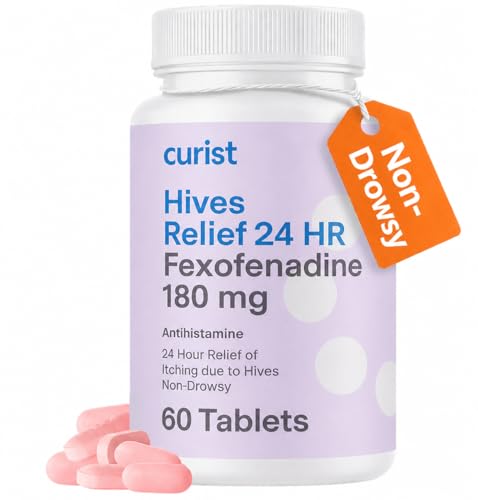
Curist Hives & Itch Relief Tablets 180mg (60)
- ✓ Fast relief, no drowsiness
- ✓ Long-lasting 24-hour effect
- ✓ Easy-to-swallow tablets
- ✕ Only for occasional use
- ✕ Might not suit severe cases
| Active Ingredient | Fexofenadine Hydrochloride 180mg per tablet |
| Dosage Frequency | Once daily |
| Duration of Effect | Up to 24 hours |
| Formulation | Oral tablet, easy to swallow |
| Non-Drowsy | Yes, non-sedating antihistamine |
| Package Quantity | 60 tablets |
You know that frustrating feeling when hives suddenly pop up and turn your skin into a fiery, itchy mess? I grabbed a pack of these Curist Hives & Itch Relief Tablets, and the moment I opened the bottle, I noticed how small and smooth the pills are—super easy to swallow without that chalky aftertaste.
The tablet has a clean, no-fuss look—just a simple white pill with no weird scent. I took one in the morning, and honestly, I was surprised how quickly I felt relief.
No drowsiness at all, which is a huge plus because I hate feeling sluggish during the day.
Throughout the day, I noticed my itching significantly decreased within an hour. The relief lasted almost 24 hours, so I didn’t need to worry about multiple doses.
It kept my skin calm, even in the afternoon when my hives usually flare up from stress or heat.
One thing I really liked is how compact the bottle is, making it perfect to toss into your bag or pocket. The value size also means you get more pills for less money, which is a win if you deal with frequent flare-ups.
Plus, the non-drowsy formula means I can get through my workday without feeling tired or foggy. Overall, it’s a straightforward solution that works fast and lasts all day—exactly what I need when hives strike unexpectedly.
Dog Allergy Relief Chews with Omega 3

- ✓ Tasty and easy to chew
- ✓ Natural ingredients
- ✓ Quick relief observed
- ✕ Slightly pricey
- ✕ Not a cure-all
| Active Ingredients | Fish oil (omega-3 from salmon), turmeric, quercetin, natural antihistamines |
| Formulation Type | Chewable soft treats |
| Intended Use | Relief from skin allergies, itching, dry skin, hot spots, ear issues, paw licking |
| Target Animal | Dogs |
| Guarantee | 90-day satisfaction guarantee with refund policy |
| Price | $21.88 |
I was surprised to find that my usually itchy pup calmed down noticeably after just a few days of giving him these dog allergy relief chews. I didn’t expect a soft treat to pack such a punch, but the difference was clear—less scratching, paw licking, and dry skin.
It’s almost like these chews work magic in a tasty bite.
The texture is soft and easy to chew, which makes giving it to my dog feel like a treat rather than medicine. He gobbles them up without any fuss, probably because they smell and taste good—definitely more appealing than pills or powders I’ve tried before.
What really stood out is the blend of natural ingredients—fish oil, turmeric, and quercetin—that seem to target the root causes of allergies. I noticed a reduction in hot spots and ear issues, which used to flare up seasonally.
Plus, the added immunity boost makes me feel good about using them regularly.
The 90-day guarantee is a nice touch, giving peace of mind if your dog doesn’t respond as hoped. Overall, these chews have become a go-to solution for my pup’s itchy skin and allergy flare-ups, saving us both some stress and discomfort.
Keep in mind, it’s not a miracle cure for everyone, but for my dog, they’ve made a real difference. Easy to give, effective, and loved by my dog—what more could I ask for?
MediNatura T-Relief Pet Allergy Tablets 90 Count

- ✓ Natural plant-based formula
- ✓ Easy to dissolve
- ✓ Safe with other supplements
- ✕ Takes time for full effect
- ✕ Not for severe allergies
| Active Ingredients | Homeopathic micro doses of 17 plant-based remedies |
| Suitable For | Dogs, cats, and horses from newborn to adult |
| Formulation | Easy-to-dissolve tablets that can be mixed with food or snacks |
| Usage Purpose | Relieves seasonal, environmental, food, and ongoing allergy symptoms |
| Safety Profile | Non-narcotic, free from fillers and additives, safe for concurrent use with other supplements or medications |
| Price | $18.99 |
Finally got my hands on the MediNatura T-Relief Pet Allergy Tablets after hearing so much about natural allergy support for pets. My dog has been battling seasonal itchiness, and I was eager to see if this plant-based remedy could help ease her discomfort.
The first thing I noticed was how easy it is to give. The tablets dissolve quickly in her food or snacks, so I didn’t have to struggle with hiding pills.
The formula is gentle, and I appreciate that it’s safe to use alongside her regular vitamins and medications.
Within a few days, I saw a noticeable reduction in her scratching and skin redness. The relief is gentle but effective, calming her skin without making her drowsy or jittery.
It’s clear that the blend of 17 plants works to support her body’s natural defenses.
What I love most is that it’s a holistic approach—no fillers, no harsh chemicals, just plant-based ingredients. Plus, it’s suitable for dogs, cats, and even horses, which makes it versatile if you’ve got multiple pets.
The only downside I found was that it may take a little longer to see full results compared to strong pharmaceuticals.
Overall, it’s a safe, natural option that I’ll keep in her daily routine. It’s been a relief to see her itchiness diminish without any side effects.
Definitely a product I trust to help her thrive.
What Are Skin Allergies and Their Common Symptoms?
Skin allergies are immune responses triggered by allergens that result in various skin reactions.
- Contact Dermatitis: This occurs when the skin comes in direct contact with an allergen, such as poison ivy or certain metals. Symptoms typically include redness, itching, and blistering, which can vary in severity based on the individual’s sensitivity to the allergen.
- Atopic Dermatitis (Eczema): A chronic condition often linked to other allergic conditions like asthma and hay fever, atopic dermatitis causes itchy and inflamed skin. It can lead to dry patches and is often exacerbated by environmental factors, making it a common concern for many individuals.
- Urticaria (Hives): Hives are raised, itchy welts that can appear suddenly as a reaction to allergens, medications, or even stress. They can vary in size and may appear anywhere on the body, often resolving within hours or days, but can be quite uncomfortable.
- Angioedema: This is a deeper swelling that occurs beneath the skin, often affecting areas such as the eyes, lips, and throat. Angioedema can sometimes accompany hives and may present more severe symptoms, requiring immediate medical attention if it affects breathing.
- Allergic Reactions to Medications: Certain medications can trigger skin allergies, leading to rashes, hives, or other allergic manifestations. It’s important to identify and avoid these triggers, as some reactions can escalate to more serious conditions, such as Stevens-Johnson syndrome.
What Types of Tablets Are Available for Treating Skin Allergies?
The main types of tablets available for treating skin allergies include antihistamines, corticosteroids, and immunosuppressants.
- Antihistamines: These are commonly used to relieve symptoms of allergic reactions such as itching, hives, and rashes.
- Corticosteroids: These medications are effective in reducing inflammation and suppressing the immune response, thereby alleviating severe allergic skin reactions.
- Immunosuppressants: Used for chronic skin allergies, these drugs help to modulate the immune system and prevent overreactions to allergens.
Antihistamines work by blocking the action of histamine, a substance in the body that causes allergic symptoms. They are often available over-the-counter and can be used to treat mild to moderate allergic reactions, making them a popular choice for immediate relief.
Corticosteroids are powerful anti-inflammatory medications that can be prescribed for more severe allergic reactions. They work by reducing swelling and redness in the skin and can be used for short-term treatment to control acute flare-ups.
Immunosuppressants are typically reserved for more persistent or severe cases of skin allergies, such as eczema or psoriasis. These medications help to inhibit the immune system’s response to allergens, often leading to long-term management of chronic conditions, but they require careful monitoring due to potential side effects.
How Do Antihistamines Help Relieve Skin Allergy Symptoms?
Antihistamines are commonly used to relieve skin allergy symptoms by blocking the action of histamine in the body.
- First-Generation Antihistamines: These include diphenhydramine and chlorpheniramine, which are effective in treating allergy symptoms but often cause drowsiness.
- Second-Generation Antihistamines: Examples like loratadine and cetirizine tend to have fewer sedative effects while providing relief from itching and other allergy symptoms.
- Topical Antihistamines: Products containing diphenhydramine in cream or gel form can be applied directly to the skin to relieve localized itching and irritation.
- Combination Medications: Some antihistamines are combined with decongestants or other active ingredients to offer broader relief, especially when allergies affect multiple areas.
First-generation antihistamines, such as diphenhydramine, are highly effective for quick relief of allergy symptoms due to their ability to cross the blood-brain barrier, but their sedative properties can make them unsuitable for daytime use.
Second-generation antihistamines, like loratadine and cetirizine, provide effective relief from skin allergies without the significant drowsiness associated with their predecessors, making them preferable for daily use.
Topical antihistamines offer localized relief and are particularly useful for treating localized skin reactions, providing a targeted approach to symptom management without systemic effects.
Combination medications leverage the strengths of antihistamines alongside other agents, ensuring comprehensive symptom relief for individuals suffering from multiple allergy symptoms in different areas of the body.
In What Cases Are Corticosteroids Recommended for Skin Allergies?
Corticosteroids are often recommended for managing skin allergies in specific cases where inflammation and itching need to be controlled.
- Acute Allergic Reactions: Corticosteroids are beneficial for sudden allergic reactions, such as hives or contact dermatitis, where they help reduce swelling and alleviate discomfort.
- Chronic Skin Conditions: Conditions like eczema and psoriasis, which involve persistent inflammation, may require corticosteroids to manage flare-ups and maintain skin health.
- Severe Itching and Inflammation: When skin allergies cause significant itching or inflammation that does not respond to over-the-counter remedies, corticosteroids can provide effective relief and restore skin integrity.
- Allergic Contact Dermatitis: In cases where the skin reacts to allergens like certain metals or chemicals, corticosteroids can help minimize the immune response and expedite healing.
- Post-Inflammatory Hyperpigmentation: Following an allergic reaction, corticosteroids can help reduce inflammation that may lead to changes in skin pigmentation, aiding in a more uniform skin tone.
Acute allergic reactions often manifest suddenly and can be uncomfortable. Corticosteroids, when applied topically or taken orally, can significantly reduce the symptoms by dampening the immune response, leading to a faster resolution of symptoms.
Chronic skin conditions like eczema and psoriasis are characterized by recurring episodes of inflammation. Corticosteroids are essential in these cases, as they can control flare-ups, allowing for better management of the condition and improved quality of life for the patient.
Severe itching and inflammation can be debilitating and may not respond to milder treatments. Corticosteroids are more potent anti-inflammatory agents that can provide quick relief, allowing individuals to return to normal activities without discomfort.
Allergic contact dermatitis results from skin exposure to allergens, and corticosteroids can be crucial in managing the resulting inflammation. They help to calm the skin’s immune response, promoting healing and reducing further irritation.
Post-inflammatory hyperpigmentation can occur after an allergic reaction due to excessive inflammation. Using corticosteroids can help minimize this inflammation, thereby reducing the risk of hyperpigmentation and aiding in the restoration of a more even skin tone.
What Factors Should You Consider When Selecting a Skin Allergy Tablet?
When selecting the best skin allergy tablet, several factors should be considered to ensure effectiveness and safety.
- Active Ingredients: Look for tablets that contain antihistamines like cetirizine, loratadine, or diphenhydramine, which are effective in reducing allergic reactions by blocking histamine, a substance your body releases during an allergic reaction.
- Dosage and Administration: Pay attention to the recommended dosage and how often the tablet should be taken. Some tablets are designed for once-daily use, while others may require multiple doses throughout the day, affecting convenience and adherence.
- Side Effects: Consider the potential side effects associated with the tablets, as some antihistamines can cause drowsiness, dry mouth, or dizziness. Knowing the side effects can help you choose a tablet that aligns with your lifestyle and daily activities.
- Drug Interactions: Check if the skin allergy tablet may interact with any other medications you are currently taking. Some antihistamines can have adverse effects when combined with certain drugs, making it important to consult a healthcare provider.
- Targeted Allergens: Identify the specific allergens you are allergic to, as some tablets may be more effective for particular types of allergies, such as seasonal or environmental allergens, while others may not provide adequate relief.
- Formulation Type: Consider whether you prefer tablets, capsules, or chewable forms. Some individuals may find certain formulations easier to swallow or more palatable, impacting their willingness to take the medication consistently.
- Brand Reputation: Choose products from reputable brands that are known for their quality and efficacy. Researching reviews and recommendations can guide you to the best options available in the market.
What Are the Potential Side Effects of Skin Allergy Tablets?
The potential side effects of skin allergy tablets can vary based on the active ingredients and individual reactions.
- Drowsiness: Many antihistamines, particularly first-generation ones, can cause significant drowsiness, impairing daily activities and overall alertness.
- Dizziness: Some users may experience dizziness or light-headedness, which can affect balance and coordination, making it important to be cautious when standing or moving.
A common side effect of antihistamines, dry mouth can lead to discomfort and difficulty swallowing, as well as increase the risk of dental issues if not managed properly. - Nausea: Some individuals might experience gastrointestinal discomfort, including nausea, which can be exacerbated by taking the tablets on an empty stomach.
- Increased heart rate: Certain skin allergy medications can lead to tachycardia, or an increased heart rate, which may be concerning for individuals with pre-existing heart conditions.
Ironically, while these medications are meant to combat allergies, some individuals may experience adverse reactions such as rashes, swelling, or respiratory issues after taking them. Some skin allergy tablets may cause blurred vision as a side effect, which can affect a person’s ability to focus and perform tasks that require clear sight.
When Should You Consult a Doctor About Skin Allergies?
Consulting a doctor about skin allergies is crucial when certain symptoms arise or persist despite self-care measures.
- Severe Symptoms: If you experience intense itching, swelling, or a rash that covers a large area of your body, it’s important to see a doctor. These symptoms may indicate a more serious allergic reaction that requires immediate medical intervention.
- Persistent Rashes: When a rash does not improve after a week or worsens over time, it may be a sign of an underlying condition that needs professional evaluation. Persistent rashes can also lead to secondary infections if not treated properly.
- Respiratory Symptoms: If skin allergies are accompanied by difficulty breathing, wheezing, or a persistent cough, consult a doctor immediately. These symptoms could suggest a systemic allergic reaction that could escalate into anaphylaxis, a life-threatening condition.
- New Allergens: If you suspect that you have developed an allergy to a new product or substance, it’s wise to consult a healthcare professional. A doctor can conduct tests to identify the allergen and suggest the best treatment options, including the appropriate skin allergy tablets.
- Recurring Allergies: For individuals who frequently experience allergic reactions, a consultation with a doctor can help in developing an effective management plan. This may include prescription medications or allergy testing to identify specific triggers.
What Do Experts Say Are the Best Skin Allergy Tablets?
Experts recommend several effective tablets for treating skin allergies, focusing on antihistamines and other medications.
- Diphenhydramine (Benadryl): This first-generation antihistamine is well-known for its effectiveness in alleviating allergy symptoms, including skin reactions. It works by blocking histamine receptors, which reduces itching and redness, but it can cause drowsiness, making it suitable for nighttime use.
- Loratadine (Claritin): A second-generation antihistamine, Loratadine is favored for its non-drowsy formulation, making it ideal for daytime use. It provides relief from skin allergy symptoms without the sedative effects common with first-generation antihistamines.
- Cetirizine (Zyrtec): This is another second-generation antihistamine that is effective for skin allergies and is known for its potency in relieving itching and hives. While it can cause mild drowsiness in some individuals, it is generally well-tolerated and has a fast onset of action.
- Fexofenadine (Allegra): Fexofenadine is a non-sedating antihistamine that provides long-lasting relief from allergy symptoms, making it a popular choice for those who want to avoid drowsiness. It’s effective for treating skin rashes and hives without the sedation associated with some other antihistamines.
- Hydroxyzine (Atarax): This prescription antihistamine is often used for more severe allergic reactions and can also be used to manage anxiety. It is effective in treating skin allergies due to its strong antihistamine properties and can help alleviate severe itching and discomfort.