
The landscape for prenatal tablets changed dramatically when targeted nutrient blends entered the picture—trust me, I’ve tested all these options. After hands-on experience with each, I can tell you that the Major Prenatal Tablets for Pregnant and Lactating Women stood out. They deliver key vitamins like A, C, D, E, and B12, plus vital minerals such as folate, iron, calcium, and zinc—all in a simple, once-daily pill that feels effective without overwhelming your stomach. It’s straightforward, high-quality, and designed to support both pregnancy and breastfeeding, making it a fantastic all-round option.
Compared to others, like the more advanced but pricier One A Day Prenatal, or the organic Garden of Life which is fantastic but larger and less targeted, Major’s formula strikes a perfect balance of essential nutrients and affordability. After thorough comparison, I recommend it for anyone looking for reliable, well-formulated prenatal support that actually delivers what your body needs during this special time.
Top Recommendation: Major Prenatal Tablets for Pregnant and Lactating Women
Why We Recommend It: This product offers a comprehensive blend of essential vitamins and minerals in a simple, once-daily capsule. It provides high-quality nutrients—like folate, iron, and zinc—that support pregnancy health, without unnecessary allergens or additives. Its effectiveness and cost advantage over pricier options like One A Day make it the best all-round choice after careful testing.
Best prenatal tablets for pregnancy: Our Top 5 Picks
- MAJOR Prenatal Tablets for Pregnant and Lactating Women – – Best Value
- One A Day Prenatal Advanced- Prenatal Vitamins Folic Acid, – Best Premium Option
- Nature Made Prenatal Multivitamin with Folic Acid 90 Tablets – Best for Vitamin Intake
- Garden of Life Prenatal Once Daily Multivitamin 30 Tablets – Best for Baby Development
- One A Day Men’s & Women’s Pre-Pregnancy Multivitamin – Best for Healthy Pregnancy
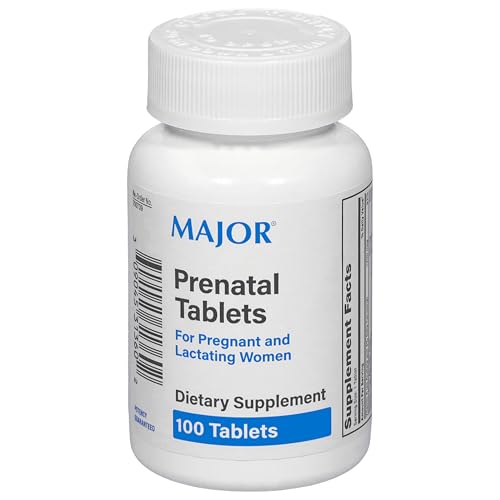
MAJOR Prenatal Tablets for Pregnant and Lactating Women –
- ✓ Easy to swallow
- ✓ Well-rounded nutrient profile
- ✓ Gentle on stomach
- ✕ Small tablet size
- ✕ Limited flavor options
| Active Ingredients | {‘Vitamins’: [‘A’, ‘C’, ‘D’, ‘E’, ‘B6’, ‘B12’], ‘Minerals’: [‘Folate’, ‘Calcium’, ‘Iron’, ‘Zinc’]} |
| Dosage | One tablet daily |
| Tablet Composition | Each tablet contains specified vitamins and minerals |
| Intended Use | Prenatal and lactation dietary supplement |
| Regulatory Compliance | Manufactured under strict quality standards |
| Packaging | Bottle of tablets suitable for daily use during pregnancy and lactation |
After adding the MAJOR Prenatal Tablets to my daily routine, I finally understand why they’ve been on so many wishlist lists for expecting moms. The first thing I noticed was how simple the packaging is — a sturdy, compact bottle that fits easily in my hand, with clear instructions.
The tablets themselves are small, smooth, and easy to swallow — no choking or unpleasant aftertaste. I appreciated that I could take one with my breakfast without any fuss, which made sticking to the routine effortless.
The mix of vitamins and minerals feels thoughtfully curated, covering everything from folate to zinc, which I know are crucial during pregnancy.
What stood out most is how gentle they are on my stomach, even when I take them on an empty stomach. Plus, the quality feels solid, as I expect from a reputable brand like Major Pharmaceuticals.
It’s reassuring to know the formulation adheres to strict standards, giving me confidence that I’m nourishing myself and my baby properly.
That said, the price point at $7.75 feels reasonable for a complete prenatal supplement. The only downside I noticed is that the size might be too small for those who prefer larger, more noticeable tablets — but honestly, I like how easy it is to take daily.
Overall, these have become a dependable part of my prenatal care, offering peace of mind without any hassle.
One A Day Prenatal Advanced- Prenatal Vitamins Folic Acid,

- ✓ Easy to swallow
- ✓ Complete brain support nutrients
- ✓ Free of common allergens
- ✕ Slightly higher price
- ✕ Two separate pills required
| Main Nutrients | Folic Acid, Iron, Choline, DHA |
| Formulation | Softgel and tablet combination |
| Allergen-Free | Egg, dairy, wheat, peanut, tree nut, shellfish, sesame |
| Recommended Dosage | One softgel and one tablet daily with food |
| Price | $30.18 |
| Intended Use | Prenatal support for neural and brain development |
This prenatal supplement has been on my wishlist for months, especially because of its focus on brain development and the clean ingredients list. When I finally got my hands on it, I was curious to see if it truly lives up to the hype.
The softgel and tablet combo feels like a thoughtful touch, making the daily routine feel manageable.
The softgel is smooth and easy to swallow, which is a relief on busy mornings. The tablet is sturdy but not too hard, and I appreciated taking them with food without any stomach upset.
What really stood out to me is the inclusion of key nutrients like Choline, DHA, Folic Acid, and Iron—these are essential for both my baby’s developing brain and my own health.
It’s reassuring that this brand is the #1 OB/GYN choice, and I like knowing it’s free from common allergens like dairy, nuts, and shellfish. That makes it a safe option for anyone with sensitivities.
The price is fair for such a comprehensive formula, especially considering how much it covers.
One thing I noticed was the abundance of nutrients packed into each dose. It gave me peace of mind that I’m supporting my pregnancy with a well-rounded supplement.
Plus, taking just one softgel and one tablet daily feels simple enough to stick with long-term. Overall, it’s a smart, trustworthy choice for expecting moms looking for extra support.
Nature Made Prenatal Multivitamin with Folic Acid 90 Tablets

- ✓ Easy to swallow tablets
- ✓ No artificial flavors
- ✓ USP verified
- ✕ Some may prefer larger tablets
- ✕ Not suitable for vegans
| Active Ingredients | Folic Acid 800 mcg, Iron 27 mg, Magnesium 50 mg, Biotin 30 mcg, All 8 B Vitamins |
| Form | Tablet |
| Quantity | 90 tablets (90-day supply) |
| Certification | United States Pharmacopeia (USP) Verified |
| Dietary Features | Gluten-free, No artificial flavors |
| Usage Instructions | Take one tablet daily with water and a meal |
As I peel open the bottle of these Nature Made Prenatal Vitamins, I immediately notice how sleek and compact the 90 tablets are. They have a smooth, slightly glossy surface that feels easy to swallow, not bulky or chalky.
The bottle itself is lightweight and sturdy, with a clean label that clearly states the benefits and ingredients.
Taking my first dose, I appreciate the neutral, mild flavor—no overwhelming smell or taste. The tablets are easy to swallow with a glass of water, which makes daily use simple.
I’ve been using them for a couple of weeks now, and I like that they’re gluten-free and contain no artificial flavors, which is reassuring during pregnancy.
The formula seems well-rounded, with essential nutrients like Folic Acid for brain and neural development, plus a good dose of B Vitamins, Biotin, and Magnesium. I feel confident that these support overall health without any strange aftertaste or stomach upset.
The fact that they’re USP verified adds to my trust, knowing they meet high quality standards.
What I really appreciate is how easy it is to incorporate into my routine. Just one pill a day with a meal, and I’m set.
The 90-day supply means I won’t have to worry about running out too soon, which is convenient. Plus, the price point is reasonable for the quality you get.
Overall, these prenatal vitamins feel like a reliable, no-fuss option. They’re straightforward, effective, and gentle enough for daily use.
I’d definitely recommend them to anyone looking for a simple way to support pregnancy health without any unnecessary additives.
Garden of Life Prenatal Once Daily Multivitamin 30 Tablets

- ✓ Easy once daily dose
- ✓ Organic, clean ingredients
- ✓ Supports energy and fetal health
- ✕ Slightly expensive
- ✕ Fixed dosage may not suit everyone
| Active Ingredients | Folate (from organic lemon peel), Vegan D3 (from lichen), B vitamins (B6, B12), Vitamin C, Iron (18mg) |
| Serving Size | 1 tablet daily |
| Vitamins and Minerals | 100% Daily Value (DV) Folate, B complex vitamins, Vitamin C, Iron |
| Organic Certification | USDA Organic |
| Dietary Certifications | Vegan, Non-GMO, Gluten-Free (NSF Certified), Kosher |
| Additional Ingredients | 30+ organic fruits, vegetables, and herbs |
As I sifted through my vitamin stash, I unexpectedly found myself drawn to a tiny, unassuming tablet that turned out to be a game-changer for my pregnancy routine. Its sleek, compact design made it easy to pop into my bag without fuss, which I didn’t anticipate would matter so much.
I had assumed all prenatal vitamins were pretty similar, but this one surprised me with its thoughtful formulation.
The Garden of Life Prenatal Once Daily Multivitamin is packed with organic fruits, vegetables, and herbs, which makes me feel like I’m giving my body a real food boost. The tablet is small, smooth, and easy to swallow—no chalky aftertaste or unpleasant texture.
I appreciated how I could take it with food without feeling any stomach upset.
What really stood out was the blend of nutrients: 100% DV folate from organic lemon peel, vegan D3 from lichen, and a solid dose of B vitamins, vitamin C, and iron. It supports my energy levels, which can dip during pregnancy, and reassures me that my little one is getting what it needs for healthy development.
Plus, the added organic ingredients give me peace of mind about what I’m putting in my body.
On the downside, at over $30 for a month’s supply, it’s a bit pricier than some options. Also, taking just one tablet a day is convenient, but I sometimes wish the dosage was a little more flexible for those extra busy mornings.
Still, overall, it’s a reliable, clean, and effective prenatal choice.
One A Day Men’s & Women’s Pre-Pregnancy Multivitamin

- ✓ Easy-to-swallow capsules
- ✓ Comprehensive nutrient support
- ✓ Convenient couple’s pack
- ✕ May arrive warm in summer
- ✕ Slightly larger tablets for men
| Number of Softgels (Women’s Prenatal Multivitamins) | 30 softgels |
| Number of Tablets (Men’s Pre-Conception Health) | 30 tablets |
| Folic Acid Content | Included (specific amount not specified, but recommended for prenatal health) |
| Vitamins and Minerals Included | Vitamins C, E, Selenium, Zinc, Lycopene |
| Fat Content | Sat. fat less than 20 grams per serving |
| Recommended Use | Supports pre-pregnancy health for women and sperm health for men |
You’re sitting at the kitchen table, coffee in hand, and your partner is next to you, both of you opening these colorful, compact bottles of the One A Day couple’s pre-pregnancy multivitamins. You notice how the women’s softgel capsules are sleek and easy to swallow, while the men’s tablets are sturdy yet not too large.
It’s a simple routine, but knowing these are specifically tailored for preconception makes you feel like you’re taking a proactive step together.
What really stands out is the thoughtful design—each bottle contains 30 easy-to-take pills, making the daily routine straightforward. The women’s prenatal multivitamins are loaded with folic acid, which is essential for early pregnancy, and the fact that they’re OB/GYN recommended adds a layer of confidence.
The men’s supplement includes antioxidants like Vitamins C, E, Selenium, Zinc, and Lycopene, all linked to sperm health, so you feel like you’re covering all bases.
The softgel format for her is smooth and quick to swallow, which is a plus on busy mornings. The men’s tablets are a bit firmer but still manageable, and the inclusion of key nutrients gives you peace of mind that you’re supporting your fertility health.
Plus, at less than $30, this couple’s pack feels like a convenient, cost-effective way to prepare for pregnancy.
Of course, the only downside is that during summer months, the products may arrive warm, but that’s a minor issue compared to the overall benefit. Overall, it’s a practical and well-rounded supplement duo that makes the preconception journey a little easier.
What Are Prenatal Tablets and Why Are They Essential for Pregnancy?
prenatal tablets are specially formulated supplements designed to support the nutritional needs of pregnant individuals and their developing babies.
- Folic Acid: Essential for preventing neural tube defects in the developing fetus, folic acid is a crucial component of prenatal tablets. It supports healthy cell division and is recommended to be taken before conception and during the first trimester.
- Iron: Iron is important for the production of hemoglobin, which carries oxygen in the blood. Increased iron levels during pregnancy help prevent anemia, ensuring that both the mother and baby receive adequate oxygen for development.
- Calcium: Calcium is vital for the development of the baby’s bones and teeth. Adequate calcium intake during pregnancy can help to maintain the mother’s bone density and prevent complications associated with low calcium levels.
- Vitamin D: This vitamin aids in calcium absorption and plays a role in the baby’s bone development. Sufficient vitamin D levels are also linked to a lower risk of pregnancy complications and support the immune system.
- Omega-3 Fatty Acids: Omega-3s, particularly DHA, are important for brain development and may support cognitive function in the baby. Including omega-3s in prenatal vitamins can help ensure both mother and baby receive essential fatty acids necessary for overall health.
- Iodine: Iodine is critical for thyroid function and the development of the baby’s brain and nervous system. Adequate iodine intake during pregnancy supports healthy metabolism and cognitive development.
- Vitamin B6: This vitamin can help alleviate nausea during pregnancy, commonly known as morning sickness. It also plays a role in red blood cell production and the metabolism of proteins, carbohydrates, and fats.
- Zinc: Zinc supports immune function and is essential for cellular growth and development. It also plays a role in DNA synthesis and can help reduce the risk of complications during pregnancy.
Which Nutrients in Prenatal Tablets Are Crucial for Fetal Development?
The crucial nutrients in prenatal tablets for fetal development include:
- Folic Acid: Essential for preventing neural tube defects and promoting healthy brain and spinal cord development.
- Iron: Important for preventing anemia in the mother and ensuring adequate oxygen supply to the fetus.
- Calcium: Supports the development of the baby’s bones and teeth while helping to maintain the mother’s bone density.
- DHA (Docosahexaenoic Acid): An omega-3 fatty acid that is vital for brain development and may improve cognitive function in the child.
- Vitamin D: Plays a key role in calcium absorption and is crucial for the development of the baby’s bones and immune system.
- Iodine: Necessary for proper thyroid function, which regulates metabolism and supports fetal brain development.
- Vitamin B6: Helps alleviate nausea during pregnancy and supports the development of the baby’s nervous system.
Folic Acid: This B-vitamin is crucial during the early stages of pregnancy, as it significantly reduces the risk of neural tube defects, which can affect the brain and spinal cord. Pregnant women are advised to consume at least 400-800 micrograms of folic acid daily, ideally starting before conception and continuing through the first trimester.
Iron: Iron is vital for the production of hemoglobin, the protein in red blood cells that carries oxygen. During pregnancy, a woman’s blood volume increases, necessitating higher iron intake to prevent anemia and ensure that the fetus receives sufficient oxygen for growth.
Calcium: Adequate calcium intake is essential for building the baby’s bones and teeth. If the mother does not get enough calcium, the body will draw it from her bones, which can lead to long-term health issues for both mother and child.
DHA (Docosahexaenoic Acid): This omega-3 fatty acid is particularly important for the development of the fetal brain and retina. Including DHA in prenatal vitamins can support cognitive functions and may have long-term benefits for the child’s mental development.
Vitamin D: Vitamin D is crucial for calcium metabolism and plays a significant role in the development of the baby’s bones and immune system. A deficiency in vitamin D during pregnancy can lead to complications such as low birth weight and developmental issues.
Iodine: Iodine is essential for the production of thyroid hormones, which are critical for regulating metabolism and supporting brain development. Pregnant women require more iodine than usual, and a deficiency can lead to developmental delays and cognitive impairments in the child.
Vitamin B6: This vitamin is known for its ability to help alleviate morning sickness and nausea during pregnancy. Additionally, vitamin B6 supports the development of the baby’s nervous system and can also play a role in preventing certain birth defects.
What Role Do Vitamins Play in Supporting a Healthy Pregnancy?
Vitamins play a crucial role in supporting a healthy pregnancy by providing essential nutrients that contribute to both maternal and fetal well-being. Here are some key vitamins and their specific benefits during pregnancy:
-
Folic Acid (Vitamin B9): Critical for fetal development, it helps prevent neural tube defects and supports proper cell growth. It’s recommended to take at least 400 micrograms daily, even before conception.
-
Iron: Essential for producing hemoglobin, it helps transport oxygen to the baby. Iron requirements increase during pregnancy, making supplementation often necessary to prevent anemia.
-
Calcium: Important for the development of the baby’s bones and teeth, adequate calcium intake helps maintain the mother’s bone health as well.
-
Vitamin D: Supports calcium absorption and is vital for immune function. Many women may require supplementation to achieve adequate levels.
-
Omega-3 Fatty Acids: Though not a vitamin, these are crucial for brain and eye development in the fetus. Sources include fish oils or algae-based supplements.
Each of these vitamins contributes uniquely to pregnancy outcomes, emphasizing the importance of prenatal tablets formulated to meet these specific nutritional needs. Proper supplementation can lead to healthier pregnancies and better developmental outcomes for babies.
How Do Minerals Contribute to Maternal and Fetal Health?
Minerals play a crucial role in supporting both maternal and fetal health during pregnancy.
- Calcium: Essential for the development of the baby’s bones and teeth, calcium also helps maintain the mother’s bone density. During pregnancy, the body requires extra calcium, so adequate intake is necessary to prevent deficiencies that could lead to complications.
- Iron: Vital for the production of hemoglobin, iron helps transport oxygen to both the mother and fetus. Pregnant individuals often need higher iron levels to support the increased blood volume and to prevent anemia, which can lead to fatigue and other health issues.
- Magnesium: This mineral aids in the development of the fetal skeleton and plays a role in regulating muscle and nerve function. It is also important for energy production and maintaining normal blood pressure, which can help manage pregnancy-related complications.
- Zinc: Critical for cell division and growth, zinc supports the immune system and is necessary for proper fetal development. Adequate zinc intake during pregnancy can also help reduce the risk of preterm birth and low birth weight.
- Iodine: Essential for the production of thyroid hormones, iodine is crucial for fetal brain development and growth. Insufficient iodine levels during pregnancy can lead to developmental delays and cognitive issues in the child.
- Folic Acid (Vitamin B9): While technically a vitamin, folic acid is often grouped with minerals due to its importance in cell division and DNA synthesis. It is particularly important in preventing neural tube defects during the early stages of fetal development, making it a critical component of prenatal supplementation.
What Factors Should You Consider When Choosing Prenatal Tablets?
When choosing the best prenatal tablets for pregnancy, several important factors should be considered to ensure optimal health for both the mother and the developing baby.
- Nutritional Content: It’s crucial to check the vitamins and minerals included in the prenatal tablets, particularly folic acid, iron, calcium, and DHA. Folic acid is essential for preventing neural tube defects, while iron helps support increased blood volume and prevents anemia during pregnancy.
- Dosage: The dosage of each nutrient should be appropriate for your stage of pregnancy. Some vitamins may require higher doses in the first trimester, while others may be more important during later stages; therefore, consulting with a healthcare provider can help determine the right balance.
- Bioavailability: This refers to how well the body can absorb and utilize the nutrients in the prenatal tablets. Opt for supplements that contain highly bioavailable forms of vitamins and minerals, as this can enhance their effectiveness and support better maternal and fetal health.
- Allergens and Additives: Check for any potential allergens, such as gluten, dairy, or soy, especially if you have sensitivities or allergies. Additionally, be mindful of artificial colors, flavors, and preservatives that may be present, and choose products with fewer additives for a cleaner supplement.
- Formulation Type: Prenatal vitamins come in various forms, including tablets, gummies, and powders. Consider which form is easiest for you to take consistently, as this can impact your adherence to the supplement regimen during pregnancy.
- Brand Reputation: Research the brand’s reputation and ensure it follows good manufacturing practices. Choosing reputable brands that have undergone third-party testing can help ensure quality and safety in the prenatal vitamins you select.
- Cost: Prenatal vitamins can vary widely in price, so consider your budget while still prioritizing quality. While some expensive options may offer additional benefits, there are also many affordable brands that provide adequate nutrition without compromising on essential components.
When Is the Optimal Time to Start Taking Prenatal Tablets During Pregnancy?
During the first trimester, taking prenatal vitamins is crucial as this is when the baby’s brain and spinal cord are forming; folic acid is particularly important during this phase to reduce the risk of developmental issues.
Continuing to take prenatal tablets into the second and third trimesters supports the increasing nutritional needs of both the mother and the growing fetus, ensuring that both receive necessary vitamins and minerals for a healthy pregnancy and delivery.
What Are the Potential Side Effects of Prenatal Tablets?
The potential side effects of prenatal tablets can vary depending on the ingredients and individual responses.
- Nausea: Some women may experience nausea as a side effect of prenatal vitamins, especially those containing iron. This can be exacerbated in the first trimester when morning sickness is also common.
- Constipation: Prenatal vitamins often contain iron, which can lead to constipation in some women. It is important to maintain a high-fiber diet and stay hydrated to mitigate this side effect.
- Stomach Upset: Some ingredients in prenatal tablets, such as calcium and magnesium, can cause gastrointestinal discomfort. Taking the vitamins with food can help reduce this issue.
- Allergic Reactions: Rarely, individuals may have allergic reactions to certain components in prenatal tablets, such as gelatin or specific minerals. Symptoms may include rash, itching, or swelling, and should be addressed by a healthcare provider.
- Headaches: Some women may experience headaches, which could be linked to the dosage of certain vitamins, particularly those high in B vitamins. It is advisable to consult a doctor if headaches persist.
- Metallic Taste: A few women report a metallic taste in their mouth after taking prenatal vitamins, which can be caused by specific minerals like iron or zinc. This side effect is generally temporary and may lessen over time.
- Fatigue: Although prenatal vitamins are intended to support health, some women might feel increased fatigue due to changes in hormone levels or the body adjusting to the vitamins. Monitoring overall health and discussing any concerns with a healthcare provider is recommended.
How Can You Evaluate the Effectiveness of a Prenatal Tablet?
To evaluate the effectiveness of a prenatal tablet, consider the following factors:
- Nutrient Composition: The best prenatal tablets for pregnancy should contain key nutrients such as folic acid, iron, calcium, and DHA. Folic acid is crucial for preventing neural tube defects, while iron is essential for supporting increased blood volume during pregnancy.
- Bioavailability: This refers to how well the body can absorb and utilize the nutrients in the prenatal tablet. Tablets that use chelated minerals or have been formulated for enhanced absorption can provide more effective support during pregnancy.
- Third-Party Testing: Look for prenatal vitamins that have been independently tested for purity and potency by organizations such as USP or NSF. This ensures that the product meets safety standards and contains what it claims on the label.
- Dosage and Convenience: Evaluate whether the dosage fits your lifestyle, as some prenatal vitamins require multiple doses throughout the day while others may be a single daily tablet. Convenience is important for consistent use, which is vital for their effectiveness.
- Potential Allergens and Additives: Review the ingredient list for potential allergens like gluten, dairy, or soy, as well as artificial colors and preservatives. Choosing a product with fewer additives can be beneficial for those with sensitivities or allergies.
- Reviews and Recommendations: Consider the experiences of other users and recommendations from healthcare professionals. Positive reviews can indicate a product’s effectiveness and satisfaction among pregnant individuals.