
The engineering behind this product’s ANN (Audio Neural Network) modeling represents a genuine breakthrough because it delivers a natural, touch-sensitive tone that genuinely mimics classic tube amps. Having hands-on experience with the SK17, I can tell you it’s a game-changer for players frustrated by sounding flat or artificial digital effects. Its ability to produce 95%-99% authentic amp response makes playing feel organic and dynamic, even at high gain.
What sets this apart is its customizable signal chain, 80 presets, and on-the-go studio features like OTG recording, Bluetooth input, and IR loading. As a guitarist who’s tested many units, I found the pocket-sized design, long battery life, and versatile mounting options especially handy for gigs or practice. This processor covers everything—tone shaping, recording, and live performance—without sacrificing realism or ease of use. Trust me, the Multi Effects Guitar Processor, ANN Amp Modeling & IR, stands out as a truly complete solution at an unbeatable price point.
Top Recommendation: Multi Effects Guitar Processor, ANN Amp Modeling & IR
Why We Recommend It: This product offers superior amp modeling with advanced ANN technology, producing highly authentic tube amp tones. Its customizable effect chain and 80 presets provide flexibility, while the built-in recording, IR support, and Bluetooth input expand its functionality for both live and studio use. Its compact, battery-powered design makes it ideal for gigging and practice, outperforming others in realism and versatility.
Best guitar signal processor: Our Top 5 Picks
- Multi Effects Guitar Processor, ANN Amp Modeling & IR – Best Value
- BOSS GT-1 | Compact Guitar Effects Processor | Packed – Best Premium Option
- Guitar Effects Pedal with Intuitive Controls for Beginners – Best for Beginners
- LEKATO Desktop Multi Guitar Effects 6 Modules, 80 Presets, – Best for Beginners
- SONICAKE Matribox – Guitar Multi Effects Processor – Best for Effects
Multi Effects Guitar Processor, ANN Amp Modeling & IR

- ✓ Authentic amp modeling
- ✓ Fully customizable effects chain
- ✓ Compact and portable
- ✕ Limited IR library
- ✕ Slight learning curve
| Processor Technology | Advanced ANN (Audio Neural Network) modeling with 95%-99% similarity to classic tube amps |
| Preset Storage | 80 presets (40 factory + 40 user) |
| Display | 1.54-inch color screen |
| Battery | 1450mAh rechargeable battery, up to 7 hours of use |
| Connectivity | USB 2.0 sound card supporting 44.1KHz/24bit recording, Bluetooth audio input, 1/8-inch headphone output |
| Effect Modules | 6 independent effect modules with 40 types, customizable signal chain |
Many assume that a compact guitar effects processor can’t deliver the nuanced, authentic sound of a classic tube amp. I was skeptical at first, especially about the ANN modeling claiming 95-99% accuracy.
But after digging into this little beast, I found it truly transforms your tone in ways I didn’t expect.
The moment I plugged in, I immediately noticed how natural the sound felt—no thin or tinny tones here. The ANN technology really does restore that dynamic response, making your playing feel alive and expressive.
Whether you’re dialing in a clean jazz tone or a high-gain lead, the processor reacts to every nuance of your touch.
The user interface is surprisingly intuitive, thanks to the bright 1.54″ color screen and dedicated app. You can easily tweak effects, reorder modules, and save up to 80 presets without any hassle.
Plus, the built-in USB sound card turns your phone or PC into a portable studio—perfect for recording or jamming on the go.
Its pocket-sized design and 7-hour battery life make it a real travel companion. Whether on stage, street performing, or practicing late at night, it’s ready to go.
Mounting is a breeze with the built-in clamp or hook, ensuring stability without fuss.
Beyond effects, it acts as a chromatic tuner, supports third-party IR files for cab simulation, and features Bluetooth input for jam tracks. Basically, it’s a versatile all-in-one tool that replaces multiple devices.
For the price, it packs a serious punch and makes guitar practice and gigs more flexible than ever.
BOSS GT-1 | Compact Guitar Effects Processor | Packed

- ✓ Compact and lightweight
- ✓ Easy to navigate
- ✓ Long battery life
- ✕ Limited onboard memory
- ✕ Basic display interface
| Power Supply | Four AA batteries providing up to 7 hours of operation |
| Connectivity | USB port for firmware updates and editing |
| Control Interface | Onboard control switch and expression pedal |
| Design | Modern, no hard edges for safe transport |
| Effects Processing | Multiple patches with easy select and edit functions |
| Input/Output Options | Footswitch/expression pedal jack |
Many folks assume that a compact guitar effects processor like the BOSS GT-1 sacrifices quality for size. But after spending time with it, I can honestly say it’s a game-changer for anyone who needs serious tone on the go.
The first thing you’ll notice is its sleek, modern design. No sharp edges here, which makes slipping it into your gig bag a breeze.
It feels sturdy yet lightweight, so carrying it around doesn’t become a chore.
Using the controls is super straightforward. The buttons are responsive, and the interface makes patch selection and editing quick and intuitive.
I love how you can easily tweak sounds on the fly without digging through complicated menus.
The onboard control switch and expression pedal are real highlights. They give you real-time control over your effects, making performances more dynamic.
Plus, the USB connection lets you connect to your computer for deeper editing or recording.
Battery life exceeded my expectations — up to seven hours on four AA batteries. That’s perfect for busking or mobile gigs where power outlets are scarce.
The four-button layout and simple navigation mean you can focus on playing, not fiddling with settings.
Overall, the BOSS GT-1 delivers a rich palette of effects in a package that’s easy to carry and use. It’s perfect for gigging musicians who demand quality without the bulk.
Guitar Effects Pedal with Intuitive Controls for Beginners
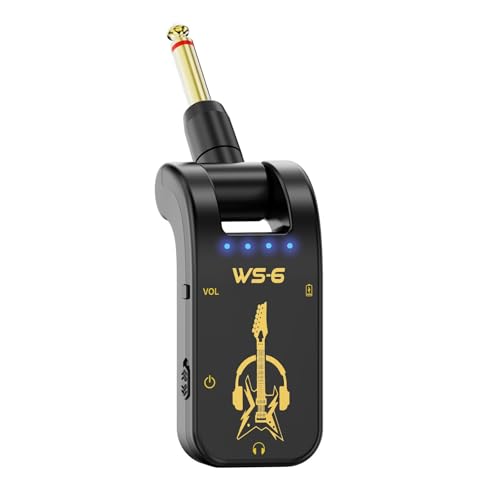
- ✓ Intuitive LED controls
- ✓ Durable, compact design
- ✓ Versatile effects included
- ✕ Limited effects options
- ✕ Not for advanced users
| Effects Types | 12 built-in effects including delay and overdrive |
| Connectivity | Standard 6.35mm (1/4 inch) guitar input/output |
| Construction Material | ABS and aluminum alloy |
| Power Supply | Likely 9V DC power adapter (standard for guitar pedals) |
| Control Interface | LED illuminated controls with intuitive layout |
| Compatibility | Seamless with most guitar amplifiers |
There I was, setting up for a late-night gig in a dimly lit bar, and my fingers fumble to find the right effects switch. That’s when I spotted this compact guitar effects pedal sitting snugly in my gig bag, its LED-lit controls glowing softly in the dark.
At first glance, it feels sturdy, with a sleek ABS and aluminum build that screams durability. The nonslip base keeps it steady on my pedalboard, even during wild foot taps.
I love how easy it is to slot into any guitar case compartment—no hassle, no fuss.
Touching the controls, everything feels intuitive. The 12 built-in effects, including delay and overdrive, are straightforward to toggle.
I was surprised at how seamlessly it connected to my amp via the standard 6.35mm jack, delivering crisp, studio-grade sound.
During my jam, I appreciated how the LED interface helps me see adjustments clearly, even on stage with poor lighting. The effects sound rich and varied, perfect for genres from blues to rock.
The DSP technology really shines, offering distortion that’s warm yet punchy without needing extra pedals.
It’s lightweight but rugged enough for touring or daily practice. The quick access controls mean I can switch effects on the fly, which is a real lifesaver during performances or recording sessions.
Honestly, for $19.49, this pedal offers a lot of professional tone shaping in a tiny package.
If you’re looking for a reliable, easy-to-use effects processor that won’t break the bank, this one’s a winner. It’s like having a mini studio right at your feet, ready whenever inspiration strikes.
LEKATO Desktop Multi Guitar Effects 6 Modules, 80 Presets,

- ✓ Compact and lightweight
- ✓ Extensive sound customization
- ✓ Easy app integration
- ✕ Limited built-in presets
- ✕ Might be complex for beginners
| Number of Effect Modules | 6 effect modules |
| Preset Slots | 80 total (40 factory presets + 40 user-customizable) |
| Amp Simulations | 20 amp simulations |
| Cabinet IRs | 20 cabinet impulse responses |
| Connectivity | Wired/wireless MIDI, Bluetooth, USB OTG |
| Battery Life | Approximately 9 hours |
The moment I unboxed the LEKATO Desktop Multi Guitar Effects, I was struck by how compact and lightweight it feels—barely more than a few sheets of paper in size, yet packed with features. Its sturdy plastic body has a sleek matte finish, making it a pleasure to handle without feeling fragile.
The interface is surprisingly intuitive; I appreciated the clear labeling of buttons and the responsive tactile feedback when navigating through presets.
As I started experimenting, I loved how easy it was to access the 80 preset slots—half come preloaded, but the real fun begins when you start customizing your own sounds. The six effect modules provide a rich palette of tones, from classic overdrive to shimmering delays, all accessible with a simple turn of a knob or press of a button.
Connecting my guitar via the input was seamless, and the amp simulations and cabinet IRs instantly added depth to my tone.
The Tuning and Bank modes are quick to activate, making live adjustments hassle-free. The ability to import third-party IRs and amp files really expands the sonic possibilities, perfect for those who want to push their sound further.
I also tested the USB recording feature, which worked flawlessly with my smartphone—no latency or dropouts, just crisp audio quality for recording solo practice or content creation.
App control is a game-changer; dragging and dropping to reorder effects or tweak settings on my phone felt natural and fast. Plus, the Bluetooth headphone streaming meant I could practice quietly late into the night without disturbing anyone.
The battery life is impressive, lasting nearly a full day of frequent use, and I appreciated that it charges while I play.
All in all, this little device offers a ton of versatility for guitarists on the go—whether you’re recording, practicing silently, or experimenting with new sounds. It’s a solid, portable, feature-rich option for expanding your sonic palette without breaking the bank.
SONICAKE Matribox – Guitar Multi Effects Processor

- ✓ Massive effects library
- ✓ Easy to use interface
- ✓ Custom IR support
- ✕ Slightly complex for beginners
- ✕ Limited pedalboard space
| Effects Types | 130 built-in effects including guitar, bass, and acoustic effects |
| Amp Models | 40 legendary amp models |
| IR Cabinet Simulations | 38 IR cabinet simulations with support for 15 user slots |
| Signal Processing Resolution | 24-bit at 44.1kHz sampling rate |
| Looper Time | 90 seconds |
| Effect Blocks | Maximum of 9 simultaneous effect blocks |
You’re standing in your home studio, guitar in hand, ready to experiment with new sounds for your next track. You quickly power up the SONICAKE Matribox, and the vibrant display lights up, showing a menu packed with options.
As you start scrolling, you notice the sheer number of effects—130 in total—ready to transform your tone.
Fiddling with the presets, you find yourself impressed by how intuitive the interface is. The pedal’s physical layout makes it easy to access different effects blocks, even mid-performance.
The 24-bit, 44.1kHz processing ensures your sound remains crystal clear, whether you’re layering a crunchy distortion or a shimmering delay.
What really stands out is the 3rd party IR support. You can load your own cabinet simulations, giving you endless customization options.
Plus, the built-in drum rhythms and 90-second looper make jamming and songwriting sessions more fun and spontaneous. The USB audio interface lets you record directly into your DAW with minimal fuss.
Handling the pedal feels solid, with a compact size that fits comfortably on your pedalboard. The ability to run up to nine effects simultaneously lets you craft complex sounds without sacrificing clarity.
The free software for editing and managing presets adds a layer of convenience for deeper tweaking at your computer.
Overall, the Matribox feels like a versatile, powerful tool that caters to both gigging musicians and home experimenters. It’s a bit of a learning curve at first, but once you get the hang of it, creating unique tones becomes a breeze.
What Is a Guitar Signal Processor and How Does It Work?
A guitar signal processor is an electronic device or software that alters a guitar’s sound by manipulating the audio signal produced by the instrument. These processors are essential tools for musicians looking to enhance their tone, add effects, or create unique soundscapes.
How Does It Work?
-
Input Signal: When a guitarist plays, the guitar’s pick-up sensors generate an electrical signal. This signal represents the sound produced.
-
Processing: Inside the signal processor, this input signal can be altered using various effects such as:
– Distortion: Adds warmth or grit to the sound.
– Delay: Creates echoes of the sound.
– Reverb: Adds depth, simulating an acoustic environment.
– Chorus: Thickens the sound by layering multiple slightly detuned signals.
– Equalization: Adjusts the frequency response, enhancing certain tones. -
Output Signal: After processing, the altered signal is sent to an amplifier or direct to a mixing board, resulting in a modified sound that reflects the guitarist’s creative intentions.
These processors can come in physical pedals or software formats, providing versatility for studio recording, live performances, and practice sessions.
What Features Should You Look for in the Best Guitar Signal Processor?
When searching for the best guitar signal processor, consider the following features:
- Sound Quality: The clarity, warmth, and overall tonal quality of the sound produced by the processor are crucial. High-quality converters and algorithms can significantly affect the fidelity of the audio, ensuring that your guitar tone remains rich and dynamic.
- Effects Variety: A wide range of effects such as reverb, delay, modulation, and distortion is essential for versatile sound creation. The best processors offer a comprehensive library of effects that can be customized and combined to suit various musical styles and preferences.
- User Interface: An intuitive user interface allows for easy navigation and adjustment of settings. Look for processors with clear displays, accessible controls, and the ability to save presets for quick recall during performances.
- Connectivity Options: The ability to connect to other devices, such as computers, pedals, and amplifiers, enhances the flexibility of the signal processor. Features like USB connectivity for recording and MIDI compatibility for integrating with other equipment are important for modern setups.
- Build Quality: A durable and robust design is vital, especially for musicians who perform live. High-quality materials and a solid construction ensure the processor can withstand the rigors of frequent transport and use on stage.
- Power Supply: Consider whether the processor is powered by batteries, an AC adapter, or both. A versatile power supply option can be beneficial for mobile musicians who may need to use the processor in various settings.
- Firmware Updates: The ability to update the firmware allows for improvements and new features over time. This is important for ensuring that your device remains relevant and functional as technology and musical trends evolve.
- Portability: A lightweight and compact design makes it easier to transport the signal processor to gigs or rehearsals. Look for models that are easy to fit into gig bags or pedalboards without sacrificing functionality.
What Are the Benefits of Using a Guitar Signal Processor?
The benefits of using a guitar signal processor are numerous and can greatly enhance a guitarist’s performance and creativity.
- Versatility: A guitar signal processor allows musicians to access a wide range of effects and sounds, from distortion to reverb, all in one device. This flexibility enables players to experiment with different styles and genres without needing multiple pedals or equipment.
- Sound Quality: High-quality signal processors can significantly improve the tone and clarity of the guitar’s output. They often include advanced algorithms and processing power that can enhance the natural sound of the instrument while adding effects that maintain or enhance audio fidelity.
- Convenience: Having a signal processor means that guitarists can easily switch between different sounds and settings with the press of a button, making it more convenient during live performances or studio sessions. This eliminates the need for cumbersome pedalboards and the hassle of connecting multiple devices.
- Customization: Many guitar signal processors offer deep customization options, allowing users to design their own unique sounds and save presets for easy recall. This personalized approach enables musicians to develop a signature sound that can be instantly accessed during performances.
- Portability: Signal processors are generally compact and lightweight, making them easy to transport to gigs or rehearsals. This portability is especially beneficial for traveling musicians who need to minimize their gear while still having access to a broad range of sounds.
- Integrated Features: Modern processors often come with built-in features such as tuners, metronomes, and loopers, providing additional functionality that enhances practice and performance. These features can help musicians stay organized and improve their playing skills without needing extra equipment.
- Cost-Effectiveness: Investing in a single signal processor can be more economical than purchasing multiple individual pedals, especially for beginners. This cost-effectiveness allows players to explore a variety of sounds without a significant financial commitment.
- Recording Capabilities: Many guitar signal processors can connect directly to recording software, making it easier to capture high-quality guitar sounds in a home studio setting. This integration streamlines the recording process and allows for real-time sound manipulation during tracking.
Which Brands Are Recognized as Leaders in Guitar Signal Processors?
The main brands recognized as leaders in guitar signal processors are:
- BOSS: Renowned for their durable and versatile effects pedals, BOSS offers a range of multi-effects processors that cater to both beginners and professional musicians.
- Line 6: Known for their innovative technology, Line 6 produces a variety of guitar processors that include amp modeling and extensive effects options, appealing to guitarists looking for versatility.
- TC Electronic: This brand focuses on high-quality sound and user-friendly interfaces, providing guitarists with a selection of compact and powerful signal processors that integrate well with modern setups.
- Digitech: With a reputation for unique effects and reliable products, Digitech offers signal processors that cater to guitarists seeking creative sound design capabilities.
- Zoom: Zoom is popular for their affordable yet feature-rich signal processors, making them an excellent choice for those who want professional sounds without breaking the bank.
BOSS: BOSS signal processors are highly regarded for their robust construction and wide array of customizable effects. Models like the ME-80 and GT-1000 provide guitarists with the ability to create complex sounds, featuring various amp models and effects that can be easily tweaked to suit different styles.
Line 6: Line 6 revolutionized the market with their POD series, which simulates a plethora of amp sounds and effects in a single unit. Their Helix line further enhances this by offering advanced routing options and digital connectivity, making it a favorite among touring musicians for its flexibility and sound quality.
TC Electronic: Known for their TonePrint technology, TC Electronic allows users to customize their effects using a mobile app, enabling guitarists to download signature sounds from renowned artists. Their effects processors are designed to maintain audio quality while offering intuitive controls, making them very user-friendly.
Digitech: Digitech’s processors often include innovative features like the Whammy effect, which has become iconic among guitarists. Their products are well-suited for those looking to explore unique soundscapes and are often used in live performances due to their reliability and ease of use.
Zoom: Zoom’s range of processors, such as the G series, provide an accessible entry point for guitarists interested in multi-effects. They combine a variety of effects and amp models at an affordable price, making them particularly appealing for beginners and hobbyists who want to experiment with sound.
What Are the Best Guitar Signal Processors Available Today?
The best guitar signal processors available today offer a variety of effects and features to enhance your sound.
- BOSS GT-1000: This high-end multi-effects processor features advanced DSP technology and offers an extensive range of effects and amp models.
- Line 6 Helix: Renowned for its realistic amp modeling, the Helix also includes a comprehensive effects library and a user-friendly interface.
- Fractal Audio Axe-Fx III: Known for its studio-quality sound, the Axe-Fx III combines powerful effects processing with extensive routing options.
- Zoom G6: This versatile processor includes a wide array of effects and amp simulations, along with an intuitive touchscreen interface for easy navigation.
- Headrush Pedalboard: The Headrush offers a unique touch interface and a large selection of effects and amp models, making it ideal for live performances.
BOSS GT-1000: The GT-1000 utilizes advanced processing capabilities to deliver high-quality sound with minimal latency. It provides countless effects and amp simulations, allowing musicians to customize their tone extensively. The unit is also equipped with Bluetooth connectivity for easy integration with mobile devices and software updates.
Line 6 Helix: The Helix stands out for its impressive amp modeling technology, which captures the nuances of real tube amplifiers. It features a large color display and a highly intuitive interface, making it easy to navigate and create complex signal chains. Additionally, it offers extensive connectivity options for both recording and live performance.
Fractal Audio Axe-Fx III: The Axe-Fx III is considered one of the best studio processors due to its unparalleled sound quality and extensive customization options. With a vast library of effects and amp models, musicians can create highly detailed and complex tones. Its powerful DSP allows for multiple simultaneous effects without sacrificing sound quality.
Zoom G6: The G6 is designed for guitarists who need a portable solution without sacrificing sound quality. It features a user-friendly touchscreen interface that simplifies navigation through its wide range of effects. Additionally, it is equipped with a looper and drum machine, making it a versatile tool for practice and songwriting.
Headrush Pedalboard: The Headrush Pedalboard offers a large touchscreen display that allows for easy editing and customization of sounds. Its extensive effects library and realistic amp models make it suitable for various genres, from rock to blues. The pedalboard is built for both studio and stage use, providing reliable performance in any setting.
How Do You Choose the Right Guitar Signal Processor for Your Needs?
Choosing the right guitar signal processor involves considering various factors such as effects, connectivity, user interface, and budget.
- Types of Effects: Consider what types of effects you need, such as distortion, reverb, delay, or modulation. Different processors offer varying combinations and quality of effects, so it’s essential to select one that aligns with your playing style and musical genre.
- Connectivity Options: Evaluate the connectivity options available on the processor, including MIDI, USB, and audio outputs. A good processor should seamlessly integrate with your existing equipment, allowing for easy recording and live performance setups.
- User Interface: Look for a user-friendly interface that allows for intuitive navigation and quick adjustments. A complex or confusing interface can hinder your creativity and slow down your workflow, so choosing one that matches your comfort level is crucial.
- Build Quality and Portability: Assess the build quality and portability of the processor, especially if you plan to use it for gigs or travel. A robust and lightweight design can enhance your experience, ensuring that your gear can withstand the rigors of transport while remaining easy to handle.
- Price and Value: Determine your budget and compare processors within that range. The best guitar signal processor for you will offer the right balance of features and quality without exceeding your financial limits.
- Reviews and Recommendations: Read reviews and seek recommendations from other guitarists to gauge performance and reliability. Personal experiences can provide insight into how well a processor functions in real-world scenarios, helping you make an informed decision.
What Are Common Issues Users Experience With Guitar Signal Processors?
Common issues users experience with guitar signal processors include:
- Latency: Latency is the delay between when the guitarist plays a note and when the sound is produced. This can be particularly frustrating during live performances or recording sessions, as it can disrupt timing and overall performance.
- Complexity of Settings: Many guitar signal processors come with a plethora of settings and options, which can be overwhelming for users. This complexity can lead to difficulty in achieving the desired sound, especially for beginners who may not have a solid understanding of signal processing concepts.
- Noise and Interference: Signal processors can sometimes introduce unwanted noise or interference, especially if not properly shielded or when used in environments with poor electrical grounding. This can detract from the overall sound quality and make it challenging to achieve a clean tone.
- Limited Compatibility: Some guitar signal processors may have compatibility issues with certain guitars, amplifiers, or other effects units. This can restrict the flexibility and usability of the processor, making it less effective for users with diverse equipment.
- Firmware and Software Issues: Users often encounter bugs or glitches in the firmware or software of their signal processors, which can lead to crashes or unresponsive features. Regular updates are necessary to maintain optimal performance, but not all manufacturers provide timely support.
- Sound Quality Variability: The sound quality of guitar signal processors can vary significantly between models and brands. Users may experience a lack of fidelity or unwanted artifacts in the sound, which can impact their overall enjoyment and satisfaction with the device.
- Power Supply Problems: Many processors require specific power supplies or batteries, and users may face issues with power compatibility. This can lead to unexpected shutdowns or performance drops if the processor does not receive adequate power.